
featured News Trending

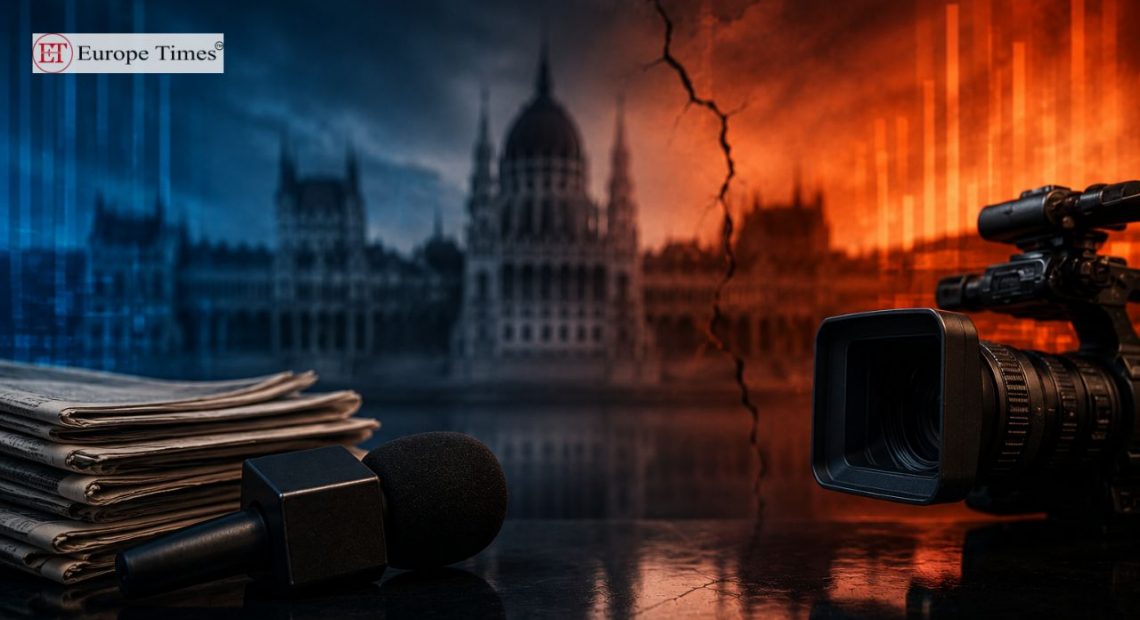
Hungary’s powerful pro-government media network is rapidly weakening after former Prime Minister Viktor Orban’s election defeat last month. Several major outlets linked to Orban have already seen leadership removals, programme cancellations, and shifts in editorial tone following the landslide victory of Peter Magyar’s opposition-led Tisza party.

The new government has pledged sweeping reforms aimed at restoring media independence and press freedom after years of criticism over state influence in Hungarian journalism. Public broadcasters have begun featuring more opposition voices, while some pro-Orban influencers and media figures have reduced their activity or disappeared from major platforms. Magyar has also announced plans for a new media law and a review of public service media financing.
Analysts say one of the biggest challenges will be dismantling the financial structure that supported pro-Orban media for years, particularly through state advertising. The KESMA media conglomerate, which includes hundreds of outlets, could face severe financial pressure if government support is cut. European Union leaders are closely monitoring Hungary’s reforms, viewing the country as a key test for rebuilding democratic institutions and media freedom in Europe.

Pic courtesy: google/ images are subject to copyright

News Trending


Slovakia’s government, led by Robert Fico’s populist-nationalist coalition, has approved a plan to abolish the current public broadcaster, Radio and Television of Slovakia (RTVS), and replace it with a new entity called Slovak Television and Radio (STVR). The move has raised concerns about media independence.

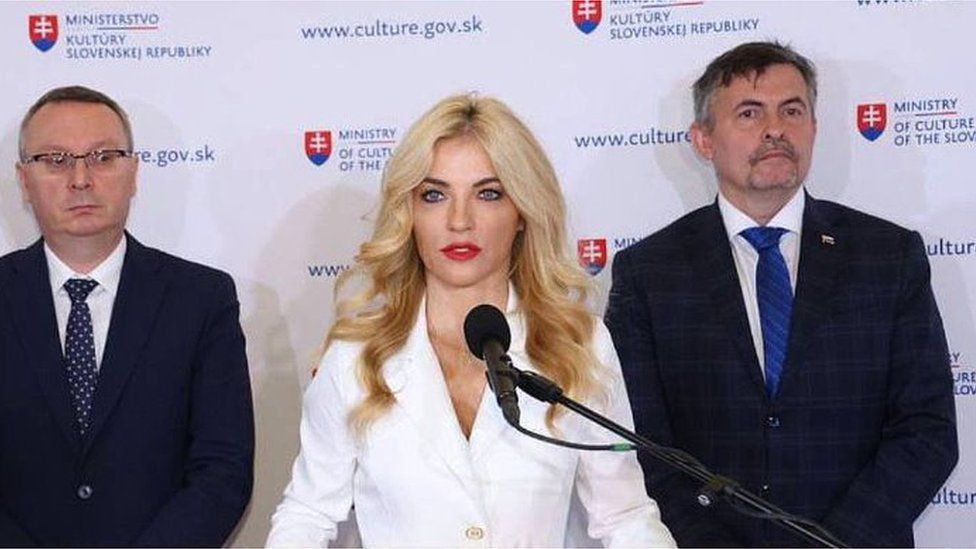
The decision, backed by the cabinet and proposed by the culture ministry, involves replacing the current director general and appointing a new one through a council influenced by government appointments. Culture Minister Martina Simkovicova, associated with the ultra-nationalist Slovak National Party, claims the changes aim to address perceived bias in RTVS’s news coverage.

Critics question Simkovicova’s suitability for making such decisions, citing her past involvement with an online TV channel known for promoting pro-Russian narratives and COVID-19 misinformation.

The government’s proposal has sparked protests in Bratislava and garnered criticism from journalists, opposition parties, and the European Union. However, Simkovicova argues that the draft law aligns with the European Act on Freedom of the Media, despite concerns about potential state control over the broadcaster.

While the government has scaled back some of the more contentious proposals, such as granting the board of governors the power to dismiss the director general without cause, concerns remain about political interference. Instead, the new director general will be chosen by a council with members appointed by government officials and parliament.

RTVS staff have voiced opposition to the changes, highlighting the importance of independent public media and expressing concern about political influence. They plan to protest by wearing black attire and displaying ribbons representing RTVS’s colors.

Picture Courtesy: Google/images are subject to copyright