featured News Trending

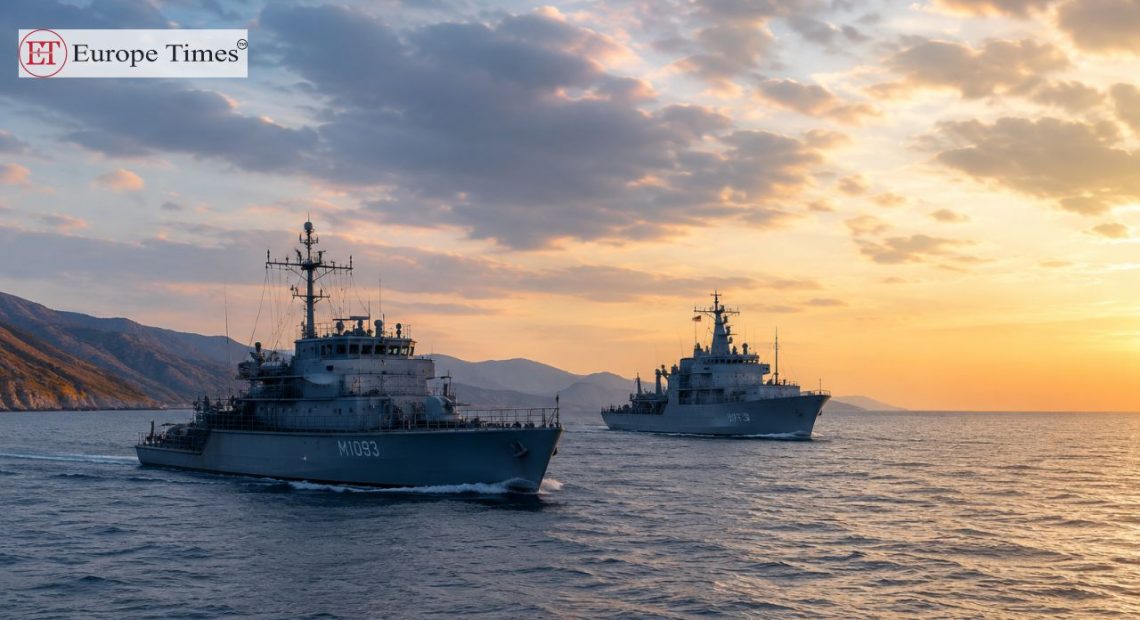
Germany has deployed two naval vessels, the minesweeper Fulda and support ship Mosel, toward the Red Sea as preparations begin for a potential international mission to secure the Strait of Hormuz. The move comes after the recent U.S.-Iran peace agreement, with concerns remaining over mines that could threaten shipping routes and energy supplies.

German Defence Minister Boris Pistorius said any minesweeping operation would require approval from Iran and Oman and would depend on progress in diplomatic talks. Germany is also sending underwater drones, mine divers, and vessel protection teams to support potential de-mining efforts.

France and the UK are advocating for a multinational naval mission, while shipping and insurance industry leaders warn that mine threats continue to hinder the full resumption of maritime trade. Industry experts say establishing safe, mine-free routes will be essential before shipping traffic can return to normal levels.

Pic courtesy: google/ images are subject to copyright

featured News Trending

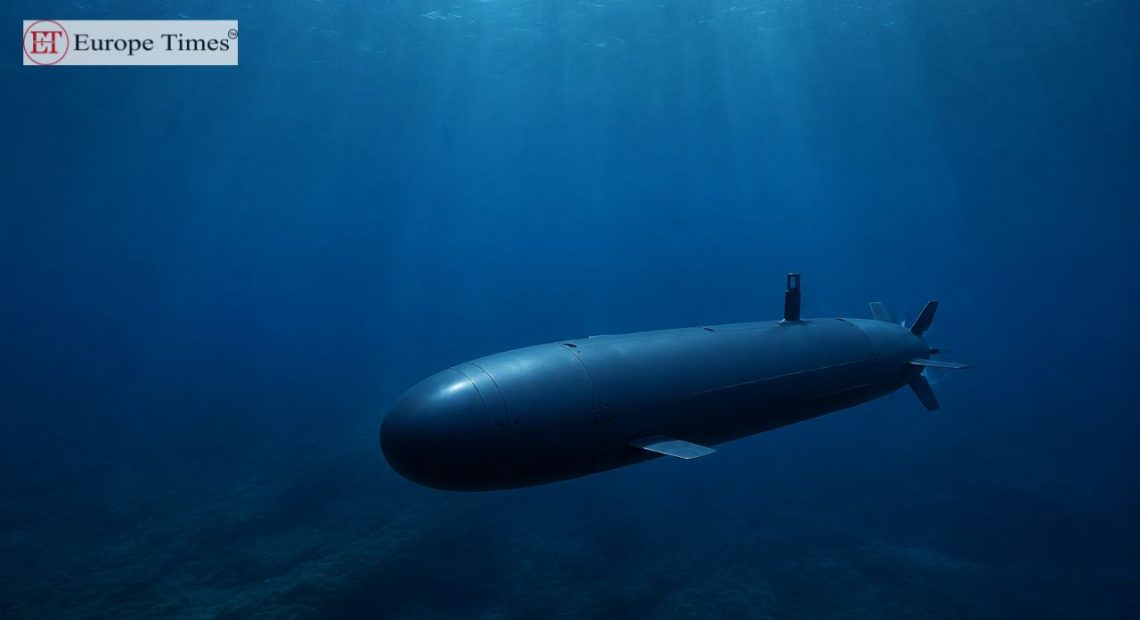
The United States, United Kingdom, and Australia have announced a joint programme to develop advanced unmanned undersea vehicles (UUVs) under the AUKUS security partnership, with deliveries expected to begin in 2027. The announcement was made during a defence ministers’ meeting in Singapore, where officials highlighted the project as a major step in strengthening maritime security and military cooperation.

According to a joint statement, the new undersea drones will enhance reconnaissance, surveillance, and strike capabilities while supporting anti-submarine warfare, mine countermeasures, electronic warfare, and operations in contested maritime environments. The initiative falls under AUKUS Pillar Two, which focuses on cutting-edge technologies such as artificial intelligence, cyber systems, quantum computing, hypersonics, and advanced undersea capabilities.

Defence leaders from all three nations said the programme will help protect critical underwater infrastructure, including communication cables and pipelines, while improving their ability to respond to emerging threats. Formed in 2021, AUKUS is widely seen as part of efforts to counter growing strategic challenges in the Indo-Pacific region. China has repeatedly criticised the pact, warning that it could increase regional tensions and fuel an arms race.

Pic courtesy: google/ images are subject to copyright

featured News Trending

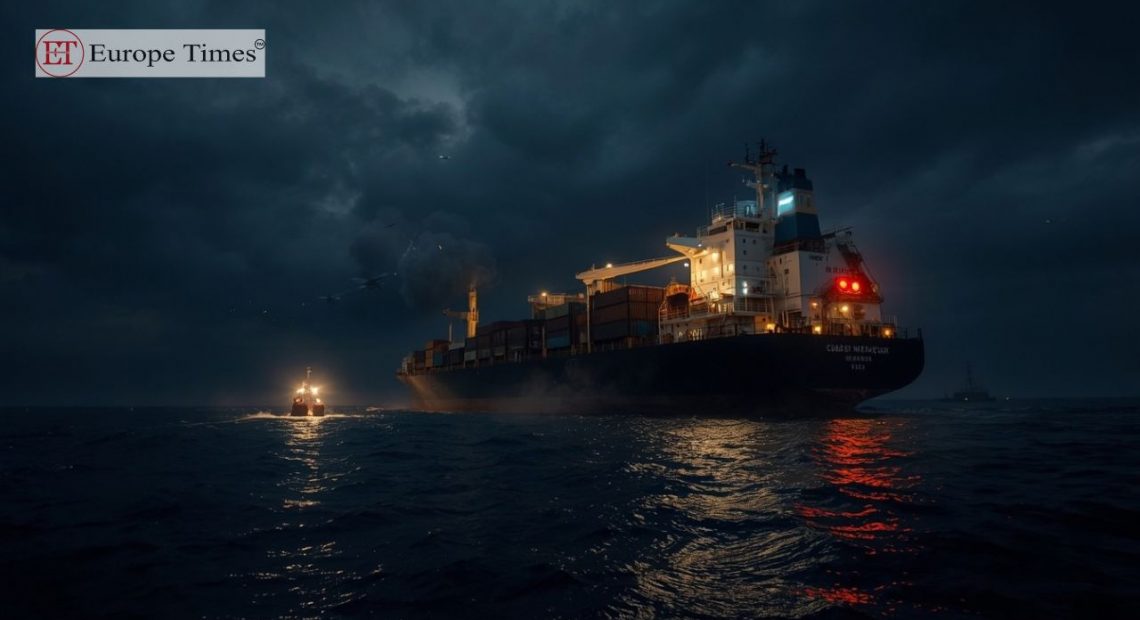
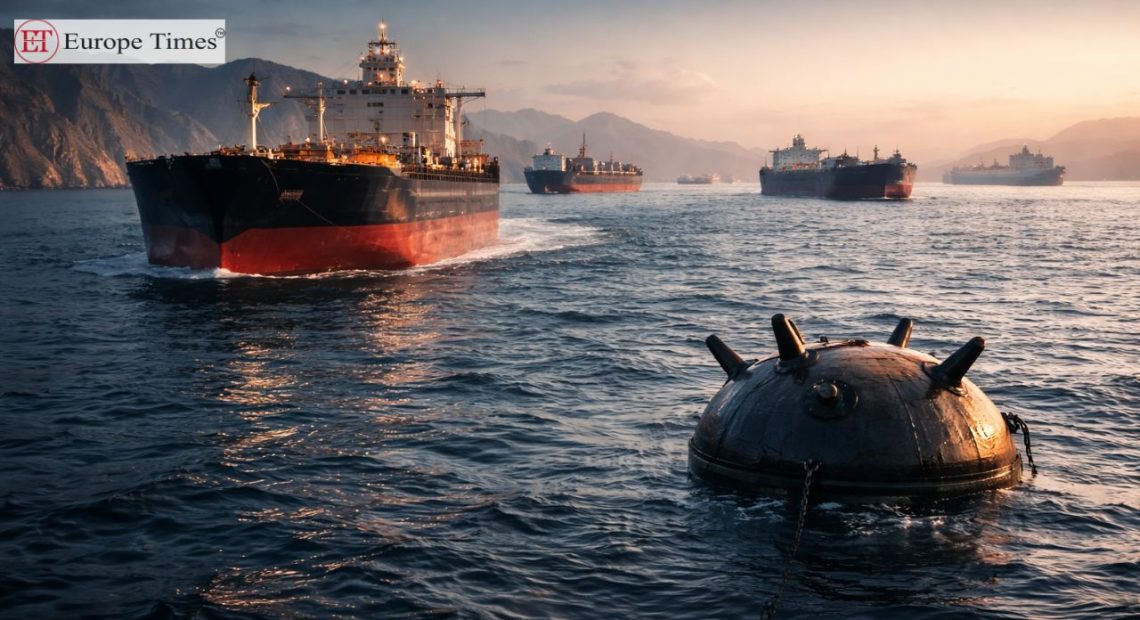
A group of ships attempted to navigate the Strait of Hormuz after Iran announced the key waterway was open to commercial traffic, but many vessels turned back amid lingering uncertainty. Around 20 ships initially moved toward the strait, marking the largest such effort since its closure during recent tensions, though most halted or reversed course without completing the transit.

Shipping companies cautiously welcomed the reopening but stressed the need for clearer safety assurances, particularly regarding potential sea mines and navigation routes. Iran has said vessels can pass during a temporary ceasefire period, but must coordinate with its authorities and follow designated safe lanes, raising operational and compliance concerns among global shippers.

Industry bodies and officials, including the International Maritime Organization, said they were still verifying conditions for safe passage. With unresolved risks and unclear implementation of Iran’s measures, major shipping firms remain hesitant to resume normal operations, highlighting continued instability in one of the world’s most critical oil transit routes.

Pic courtesy: google/ images are subject to copyright