featured News Trending

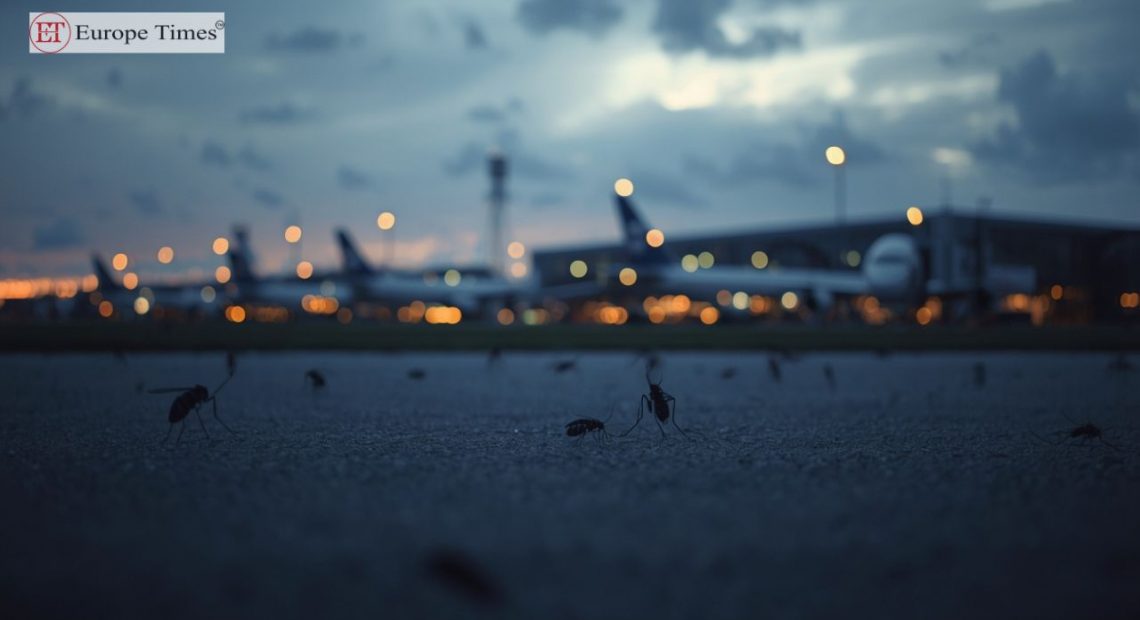
Two workers at Frankfurt Airport in Germany have died from malaria following a rare outbreak that has infected six employees, according to local public health officials. Authorities believe malaria-carrying mosquitoes may have arrived at the airport aboard a plane, with the outbreak first detected in July.

The affected workers were employed in different roles and areas of the airport. Mosquito traps have now been installed, and captured insects are being examined to determine their species and possible origin. Officials are also analysing blood samples to establish whether the infections were caused by a single mosquito or multiple mosquitoes.

Authorities stressed that the risk to the wider population remains very low, as malaria is not transmitted directly between people and requires mosquito transmission. Germany rarely sees locally acquired malaria, which is usually associated with travellers returning from malaria-endemic regions. Health officials warned that delayed diagnosis can increase the risk of severe illness, particularly when there is no recent travel history.

News Trending

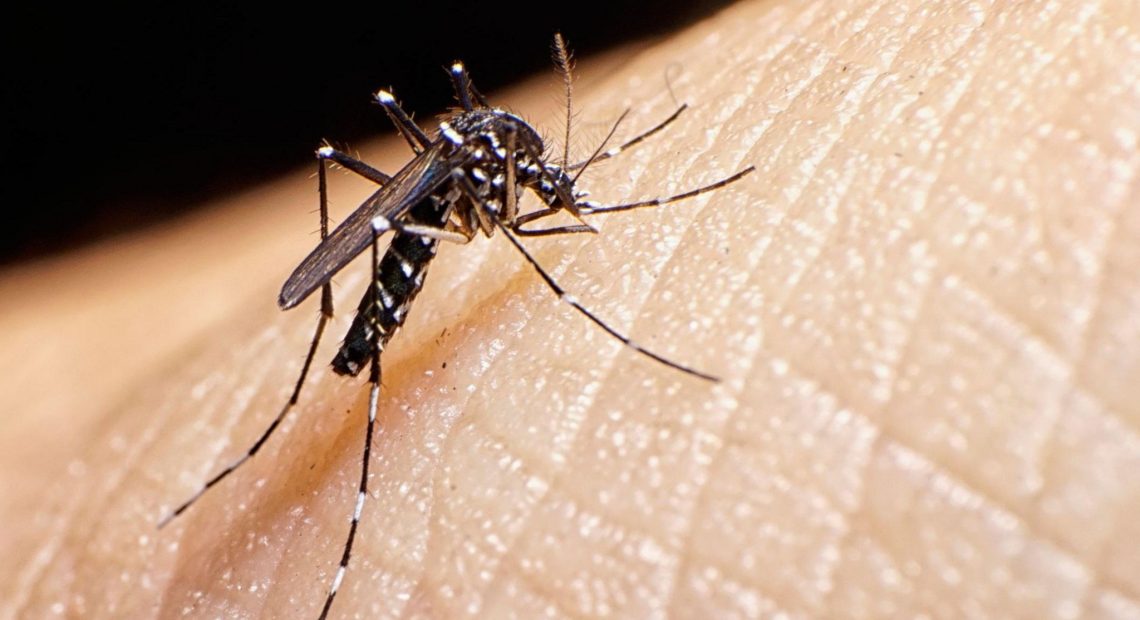
An invasive species of mosquito has established itself in 13 EU countries, including France, Spain, and Greece, leading to a rise in dengue fever cases in Europe. The European Centre for Disease Prevention and Control (ECDC) attributes this spread to climate change, which has created favorable conditions for the Asian tiger mosquito (Aedes albopictus). This species, considered the most invasive mosquito globally, is now spreading northwards, even reaching Paris, where authorities are actively monitoring and trapping the insects ahead of the Olympic Games in July.

The ECDC warns that international travel will likely increase the risk of further outbreaks in Europe. To mitigate this, it advises people to remove stagnant water from gardens and balconies, use insect repellent, and install screens on windows and doors. The tiger mosquito, which transmits diseases like dengue fever, chikungunya, and Zika virus, has become prevalent in countries such as Austria, Bulgaria, Croatia, France, Germany, Greece, Hungary, Italy, Malta, Portugal, Romania, Slovenia, and Spain, and has been reported in Belgium, Cyprus, Czechia, the Netherlands, and Slovakia.

Another mosquito species, Aedes aegypti, which spreads yellow fever, has been found in Cyprus and poses a significant threat to other parts of Europe due to its preference for biting humans and its disease transmission capabilities. Dengue fever, which can escalate from flu-like symptoms to severe, sometimes fatal conditions, has seen increasing outbreaks in Europe. Last year, multiple infections were recorded in France, Italy, and Spain, with a total of 130 locally-acquired cases, up from 71 the previous year.

The West Nile virus, also transmitted by mosquitoes, is now more widespread in Europe, with a case reported in southern Spain as early as March, indicating that climate conditions are becoming suitable for mosquitoes much earlier in the year. ECDC Director Andrea Ammon emphasizes the need for personal protective measures, early case detection, timely surveillance, further research, and awareness-raising activities in high-risk areas. With dengue fever endemic in over 100 countries and malaria posing the deadliest mosquito-borne threat, concerns are growing about potential increases in malaria incidents in Europe if conditions remain favorable.

Picture Courtesy: Google/images are subject to copyright