
featured News Trending

Sweden’s government has abandoned its proposal to place violent offenders as young as 13 in special prison units after failing to secure enough parliamentary support. The move marks a significant policy reversal ahead of national elections, as lawmakers remain divided over how to tackle rising youth involvement in gang-related crime.

Instead, the government plans to introduce legislation lowering the age of criminal responsibility from 15 to 14. Justice Minister Gunnar Strömmer said the change would allow authorities to impose more appropriate penalties on young offenders while creating better opportunities for rehabilitation. The proposal comes amid growing concern over gang violence, with dozens of serious crimes in recent years involving minors.
The government argues stronger measures are needed to protect society and prevent repeat offending, but critics have questioned the effectiveness of harsher punishments for children. Opposition parties, legal experts, and child rights advocates opposed the original plan to imprison 13-year-olds, noting that international standards recommend a minimum age of criminal responsibility of 14. Sweden’s revised proposal now aligns with the average age threshold across Europe.

Pic courtesy: google/ images are subject to copyright

featured News Trending

Germany is considering new legislation to criminalise pornographic deepfakes following a high-profile case involving actress Collien Fernandes. She has filed a legal complaint in Spain against her former husband, Christian Ulmen, accusing him of spreading manipulated sexual images of her online—claims he denies. The case has sparked nationwide debate over “digital sexualised violence” and exposed gaps in existing laws.

The controversy has mobilised more than 250 prominent women across politics, business, and culture, demanding stronger protections and legal reforms. Proposals include stricter consent laws and recognising gender-based violence such as femicide in criminal codes. Studies in Germany show digital abuse is widespread, particularly among young people, yet only a small fraction of cases are reported to authorities.

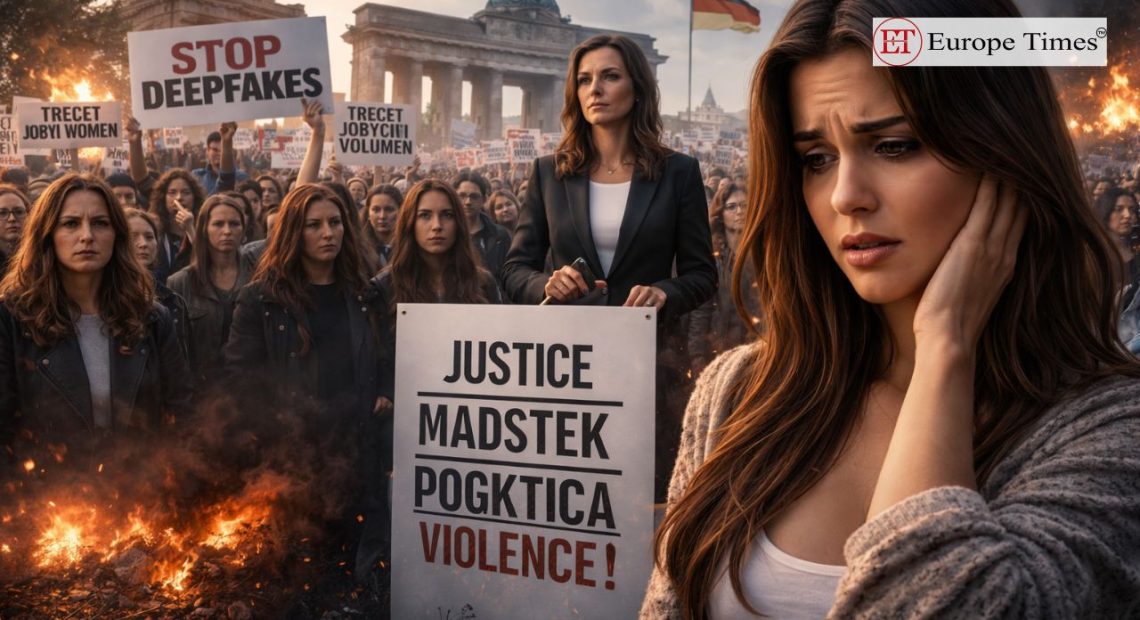
Justice Minister Stefanie Hubig has announced plans to introduce a law making the creation and distribution of deepfake pornography a criminal offence. The move aims to help victims seek justice faster and curb the spread of harmful content. Public protests in Berlin have further highlighted the urgency of tackling online abuse as AI tools make such manipulation increasingly accessible.

Pic courtesy: google/ images are subject to copyright