

featured News Trending

Germany’s proposed crackdown on sick leave rules is facing criticism from researchers, who argue that rising absenteeism is driven more by worsening workplace conditions than by misuse of the system. The government plans to tighten sick-note requirements to improve productivity, but experts say mental health challenges, staff shortages, and demanding work environments are the real causes behind increasing sick leave.
Healthcare, education, and social services have recorded the highest levels of absenteeism, with researchers pointing to chronic understaffing, low pay, emotional strain, and burnout. Mental health-related sick leave has risen significantly over the past decade, even though such cases account for a relatively small share of total illnesses.

Studies have found little evidence that generous sick-pay policies or telephone sick notes are being widely abused. Instead, experts say improved electronic reporting and waves of respiratory illnesses largely explain the rise in recorded absences. Critics argue that improving working conditions, rather than imposing stricter sick-leave rules, is the key to reducing long-term absenteeism.

Pic courtesy: google/ images are subject to copyright

featured News Trending

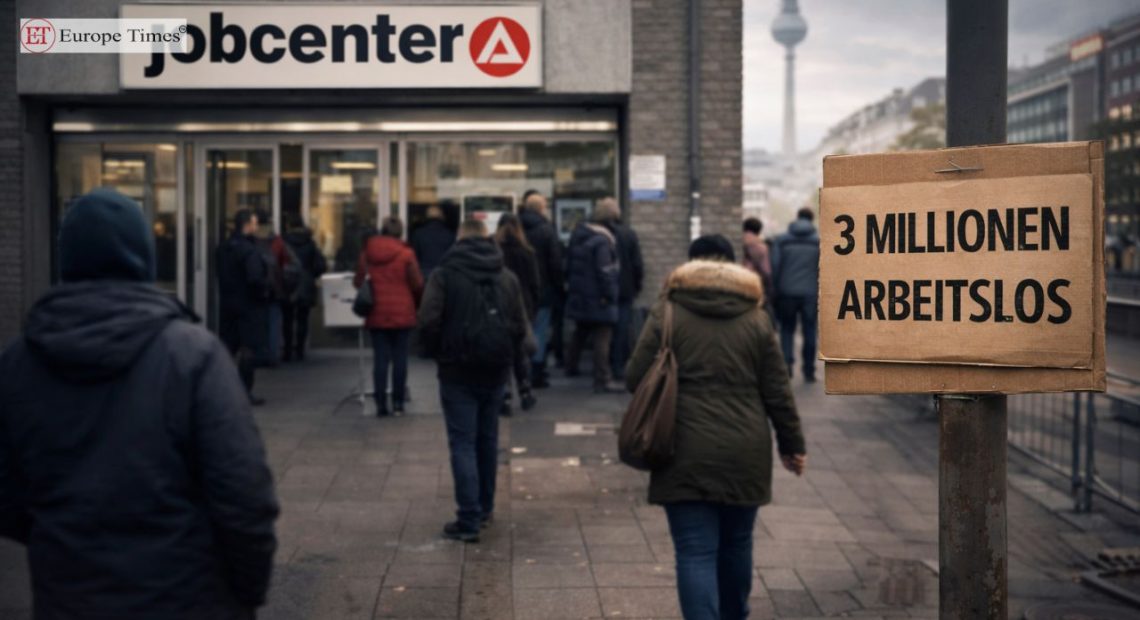
Germany’s unemployment total remained above three million in February, underscoring persistent strain in Europe’s largest economy after two consecutive years of contraction. Labour office data showed 3.07 million people out of work, slightly down from the previous month but 81,000 higher than a year earlier. On a seasonally adjusted basis, unemployment rose by 1,000 to 2.977 million, while the jobless rate held steady at 6.3%, matching forecasts.

Labour office head Andrea Nahles said the market was still struggling to regain momentum following the winter period. The figures pose a challenge for Chancellor Friedrich Merz, who has pledged to revive growth through increased infrastructure and defence spending. Analysts said that with the economy stagnating for years and industry facing structural pressures, a gradual weakening in the labour market was largely unavoidable, with no clear turning point yet in sight.

Other data offered mixed signals. Inflation dipped below 2% in several German states in February, pointing to easing price pressures nationally, in line with a broader slowdown across the euro zone. Real wages continued to recover, rising 1.9% in 2025 and 2.9% in 2024, though they remain below pre-2019 levels after inflation shocks linked to the pandemic and Russia’s 2022 invasion of Ukraine eroded purchasing power.

Pic courtesy: google/ images are subject to copyright