
featured News Trending

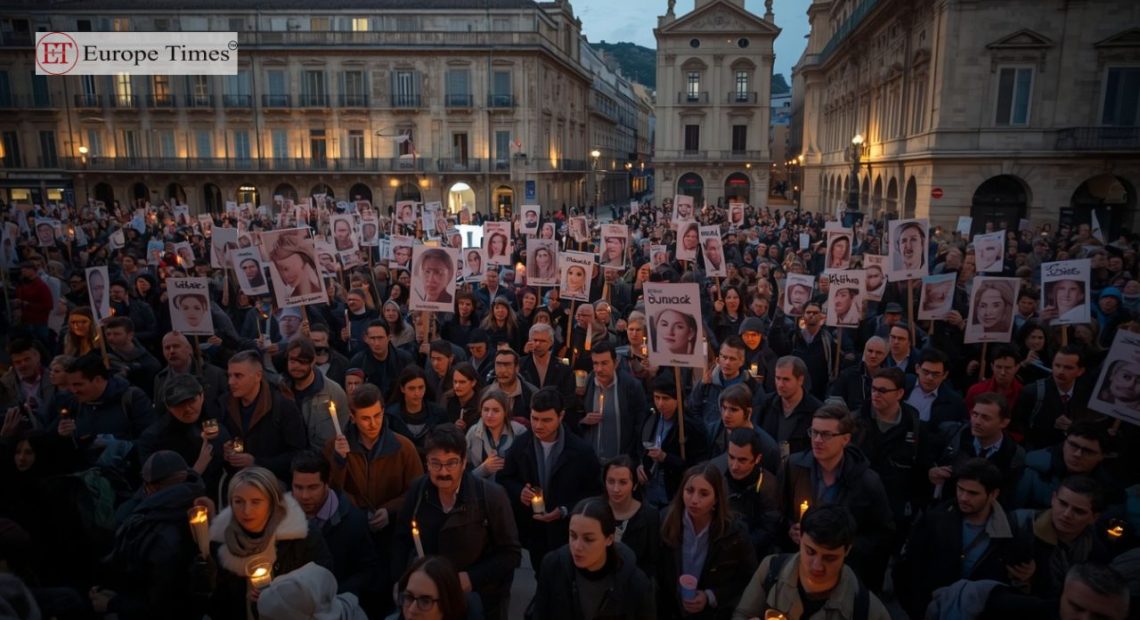
A large crowd marched through Malta’s capital, Valletta, demanding justice for investigative journalist Daphne Caruana Galizia, who was killed in a 2017 car bombing. The protest followed the recent acquittal of businessman Yorgen Fenech, who had been accused of complicity in her murder.

Civil society groups and rights activists criticised the verdict, with protesters calling for accountability, stronger anti-mafia laws and greater protection for journalists. Three men who planted the bomb and two others involved in making it are serving prison sentences, while Fenech was acquitted after a two-month trial.
Malta’s attorney general is expected to appeal the acquittal, although any appeal would be limited to points of law. The government has urged caution in public statements while the legal process is considered.

Pic courtesy: google/ images are subject to copyright

News Trending

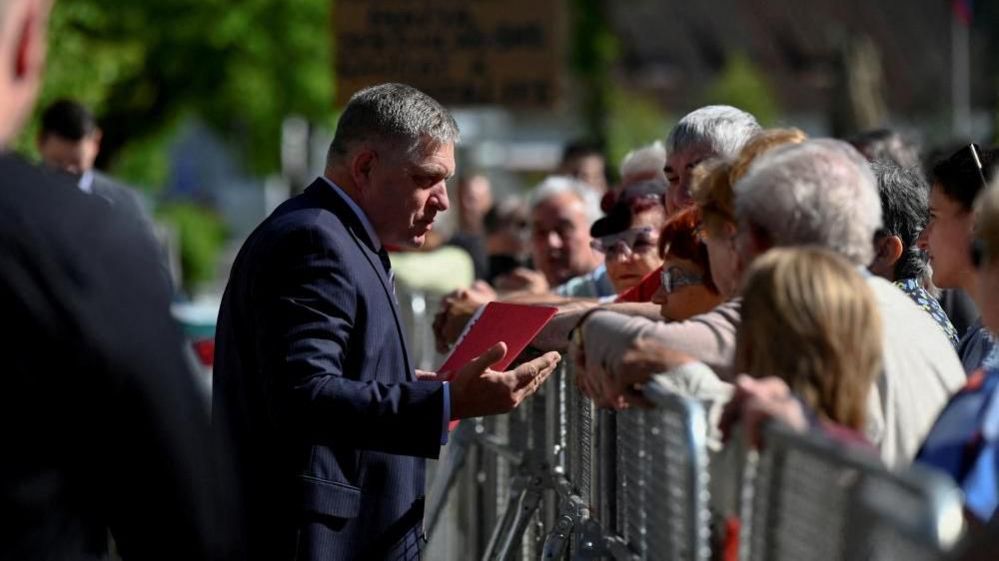
The recent attempt on the prime minister’s life in Slovakia has left a poignant mark, epitomizing the deep-seated political turmoil gripping the nation. The incident unfolded in Handlova, where the prime minister was shot multiple times by a gunman while interacting with supporters.

Prior to the assassination attempt, Robert Fico, the populist leader, had ominously forewarned of such an event due to the heightened political tensions in the country. His cautionary statements to both media and colleagues indicated an awareness of the looming threat.

The political climate in Slovakia had been tense for over six months, exacerbated by divisions stemming from a journalist’s murder in 2018, which led to Fico’s resignation amidst widespread protests. His subsequent return to power was marked by contentious policies, including aligning with Moscow’s stance on various international matters.

In the aftermath of the shooting, calls for unity and calm reverberated, yet they were juxtaposed with accusations and blame games among politicians and media figures. The assailant, described as a “lone wolf,” showcased a perplexing mix of ideologies, stirring further confusion about his motives.

Critics attribute the toxic environment to Fico’s party, which has been accused of fostering hostility and polarization. Additionally, tensions between Fico and President Caputova, characterized by derogatory remarks and death threats, further highlight the rifts within Slovakian society.

The role of the public broadcaster, RTVS, also came under scrutiny, with some blaming its alleged bias for inciting violence. However, the broadcaster’s chief defended its role as reflecting reality and rejected accusations of partisanship.

As Slovakia stands at a crossroads, the outcome hinges partly on Fico’s response and demeanor upon recovery. Whether he chooses a conciliatory or vengeful path could significantly impact the nation’s trajectory, with many cautiously observing the unfolding events.

Picture Courtesy: Google/images are subject to copyright