featured News Trending

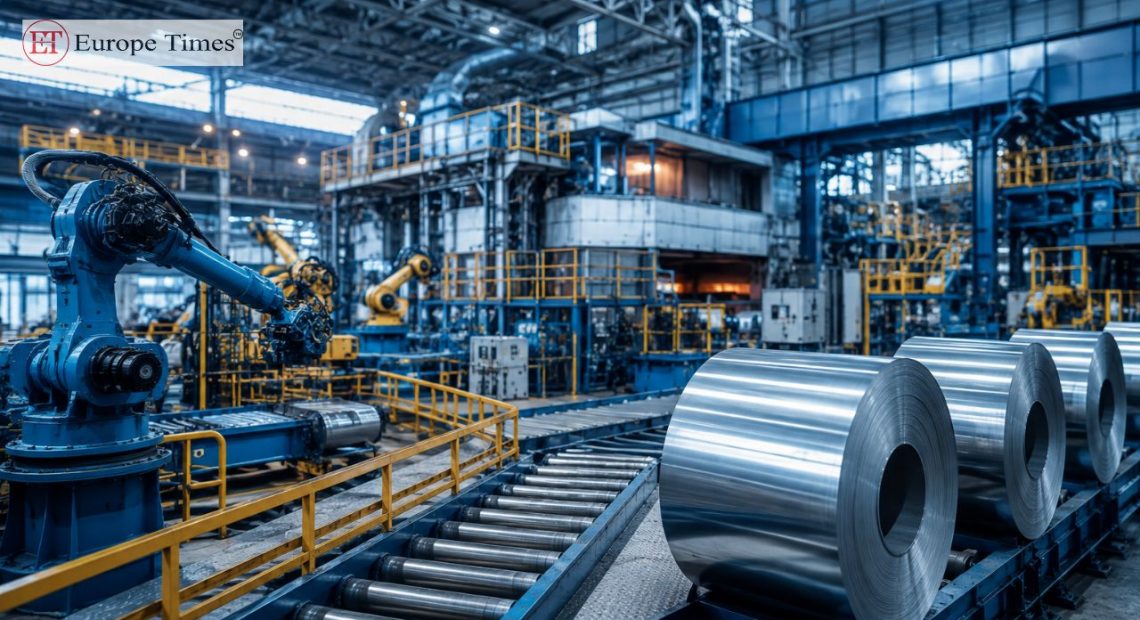
Factory output across the euro zone grew at its fastest pace in nearly four and a half years in July, according to the latest S&P Global Manufacturing PMI survey. The headline manufacturing PMI rose to 51.9 from 51.4 in June, while the output index climbed to its highest level since March 2022, signalling continued expansion in the region’s manufacturing sector.

Despite the strong production figures, demand remained weak as new orders increased only slightly and export orders declined in several major economies, including France, Spain, Italy and Austria. Economists said manufacturers are relying heavily on clearing existing order backlogs rather than benefiting from fresh business, raising concerns about the sustainability of the recovery.

Manufacturers also continued to reduce jobs as they remained cautious about future demand. While input cost inflation eased and factory gate price increases slowed, supply chain disruptions linked to the Middle East conflict continued to affect the sector. Business confidence improved modestly but remained below its long-term average, reflecting ongoing uncertainty across the euro zone economy.

Pic courtesy: google/ images are subject to copyright

featured News Trending

European industrial companies have warned that proposed changes to the European Union’s Emissions Trading System (ETS) could weaken incentives for businesses that have invested heavily in low-carbon technologies. Firms including SSAB, Heidelberg Materials, and Rockwool argue that easing carbon pricing or expanding free emissions permits would unfairly benefit higher-polluting competitors and reduce the value of early investments in cleaner production.

The European Commission is expected to present its revised ETS proposal on July 15 as part of efforts to align climate policies with the EU’s 2040 emissions targets. However, several political leaders have pushed for a softer approach, citing rising energy costs and concerns over industrial competitiveness. Companies such as BASF, ArcelorMittal, and thyssenkrupp have urged policymakers to address mounting carbon costs while maintaining a balanced approach.

Industry leaders and investors caution that weakening the ETS could undermine confidence in Europe’s climate strategy and discourage future investment in green technologies. They argue that long-term policy stability is essential for financing low-carbon innovation, warning that changes to the carbon market will not solve broader challenges such as high energy prices, infrastructure shortages, and global competition.

Pic courtesy: google/ images are subject to copyright