featured News Trending

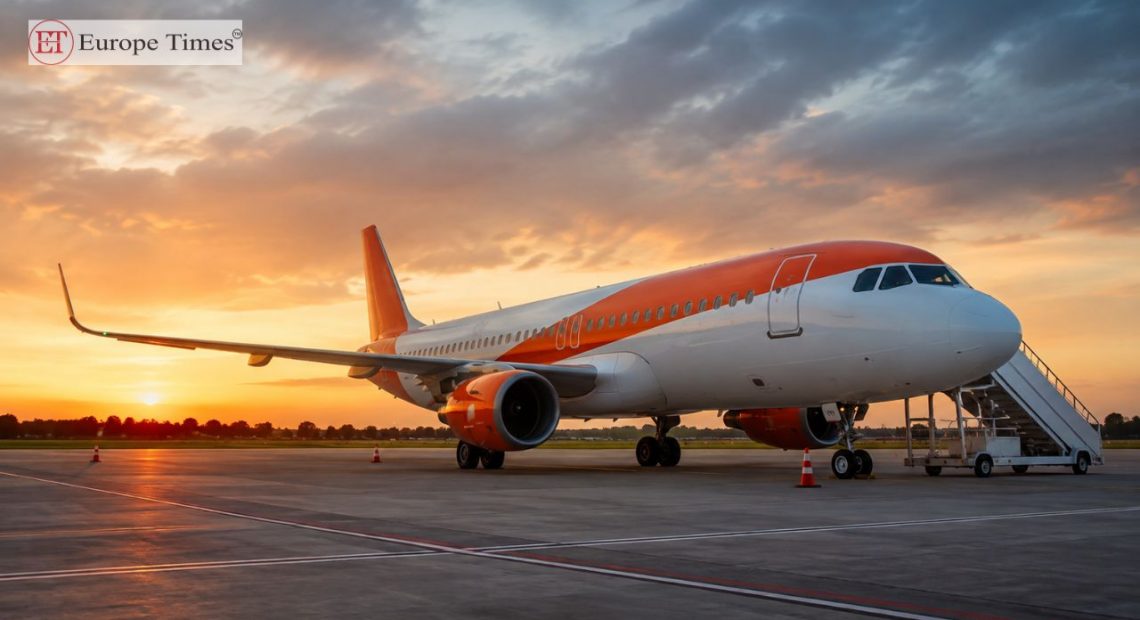
Cabin crew unions representing easyJet France have filed a strike notice covering the period from August 7 to September 2, citing worsening working conditions. While industrial action could take place at any time during this period, unions are required to provide 48 hours’ notice before specific strike dates.

The unions said they remain willing to negotiate and could withdraw the strike notice if management responds positively. They added that an earlier labour dispute had been suspended due to the recent wildfires in France’s Gironde region.

According to the unions, cabin crew have faced ongoing schedule instability, last-minute roster changes, demanding trip rotations, and insufficient workplace protections for nearly a year. easyJet expressed disappointment over the planned action, saying it had already proposed adjustments and urging unions to cancel the strike ahead of scheduled negotiations in September.

Pic courtesy: google/ images are subject to copyright

News Trending

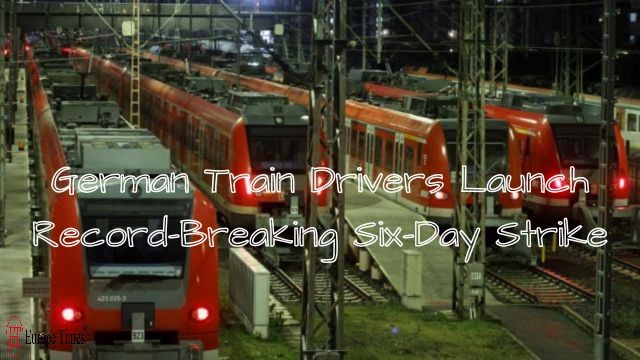
Train drivers across Germany have initiated a strike, set to endure six days, making it the longest stoppage in their history. The GDL rail drivers’ union called for the walkout, impacting both passenger and goods-train services starting at 02:00 on Wednesday. This move exacerbates an ongoing dispute with the state-owned Deutsche Bahn, leading to the fourth round of strikes since November.

The union’s demands include higher wages to counter inflation and a reduction in the working week from 38 to 35 hours without a salary decrease. Deutsche Bahn has implemented an emergency timetable until the strike concludes at 18:00 on Monday, affecting passenger trains for an unprecedented 136 hours, including a weekend for the first time. The strike has caused significant disruptions, with 80% of long-distance trains canceled and substantial delays in regional and suburban S-Bahn rail services.

The extended industrial action has prompted complaints from the rail company and ministers, asserting its adverse effects on both the German economy and the public. Tanja Gönner, head of the Federation of German Industries, estimated that the six-day strike could cost the economy up to €1bn. Transport Minister Volker Wissing urged the union to seek a compromise through mediation, acknowledging the current deadlock in negotiations.

Amid the strike, a YouGov survey revealed that only 34% of over 4,000 German adults understood the reasons behind the strike, while 59% expressed a lack of understanding. Talks between the GDL union and Deutsche Bahn have been ongoing since November, with the company rejecting the union’s proposal for a three-hour reduction in the working week. Instead, Deutsche Bahn suggested an optional model involving one hour less work with no pay cut or a 2.7% pay raise, an offer rejected by the GDL.

Picture Courtesy: Google/images are subject to copyright