
featured News Trending

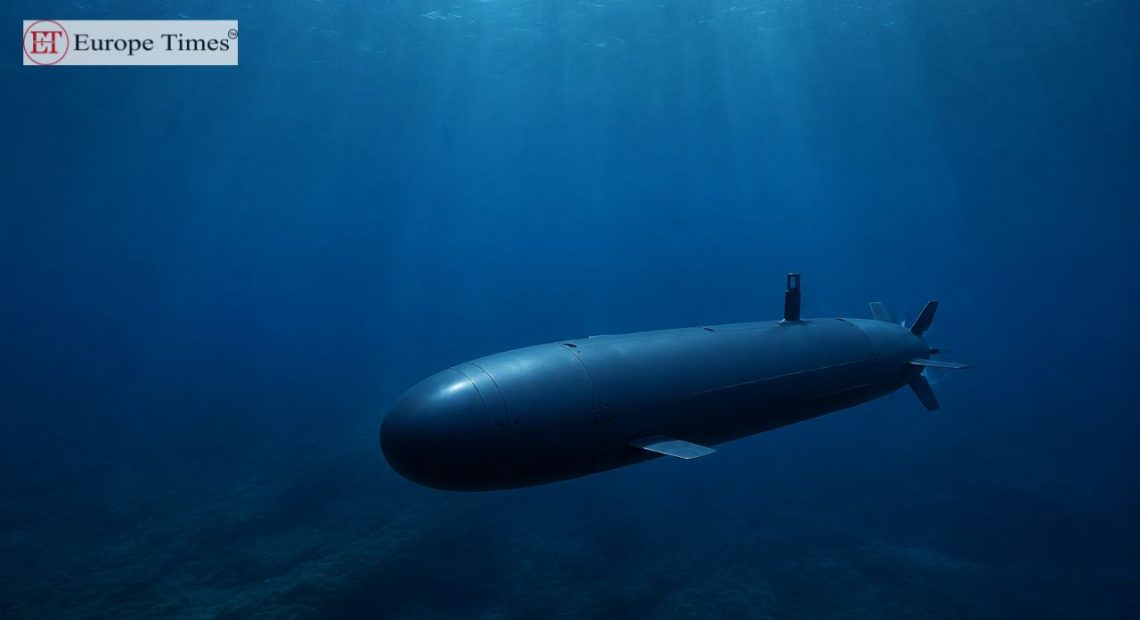
The United States, United Kingdom, and Australia have announced a joint programme to develop advanced unmanned undersea vehicles (UUVs) under the AUKUS security partnership, with deliveries expected to begin in 2027. The announcement was made during a defence ministers’ meeting in Singapore, where officials highlighted the project as a major step in strengthening maritime security and military cooperation.
According to a joint statement, the new undersea drones will enhance reconnaissance, surveillance, and strike capabilities while supporting anti-submarine warfare, mine countermeasures, electronic warfare, and operations in contested maritime environments. The initiative falls under AUKUS Pillar Two, which focuses on cutting-edge technologies such as artificial intelligence, cyber systems, quantum computing, hypersonics, and advanced undersea capabilities.

Defence leaders from all three nations said the programme will help protect critical underwater infrastructure, including communication cables and pipelines, while improving their ability to respond to emerging threats. Formed in 2021, AUKUS is widely seen as part of efforts to counter growing strategic challenges in the Indo-Pacific region. China has repeatedly criticised the pact, warning that it could increase regional tensions and fuel an arms race.

Pic courtesy: google/ images are subject to copyright

News Trending War

Russian President Vladimir Putin has reiterated his country’s opposition to Western sanctions following the invasion of Ukraine.

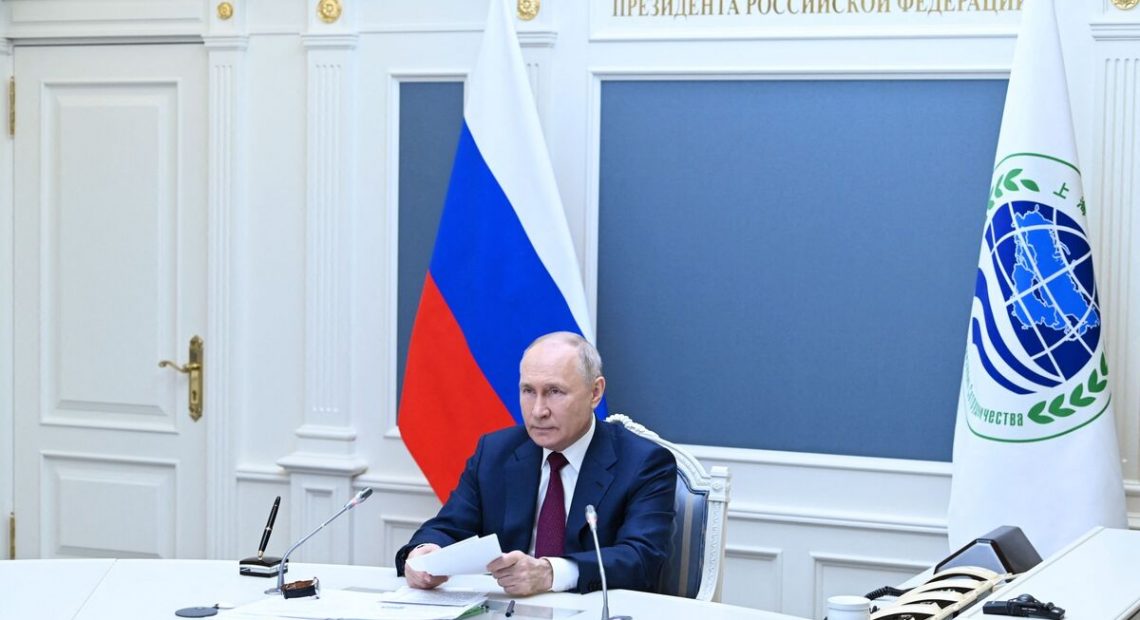
Speaking at the virtual Shanghai Cooperation Organisation (SCO) summit, his first international address since the recent mutiny in Russia, Putin expressed defiance towards the West, stating that Russia would counter external sanctions and pressures while continuing to develop. He emphasized the importance of trade agreements between SCO nations in local currencies, seen as a measure to mitigate the impact of sanctions. Putin also welcomed Belarus’s application to become a permanent member of the SCO. Indian Prime Minister Narendra Modi, hosting the summit, called for increased trade, connectivity, and tech cooperation among member states.

However, he did not directly address the war in Ukraine or China’s assertiveness in the Indo-Pacific, reflecting India’s delicate diplomatic position as it strengthens ties with both the West and China. Instead, Modi urged SCO members to cooperate on countering cross-border terrorism, with his statements commonly interpreted as aimed at Pakistan. China’s President Xi Jinping emphasized the importance of regional peace and security and called for solidarity and mutual trust among SCO members. All members agreed on the need to maintain stability in Afghanistan following the Taliban’s takeover.

The SCO, formed in 2001 by China, Russia, and four Central Asian countries, has gained relevance as relations with the West deteriorate for Russia and China. With around 40% of the world’s population and over 20% of global GDP, the SCO holds significant potential, and the inclusion of Iran as a full member further enhances its energy portfolio.

However, India’s ability to strike a diplomatic balance between its global partners, including Russia, China, and Pakistan, will impact the future of the SCO. Indian diplomats assert their commitment to an independent foreign policy without favoring any particular group.

Picture Courtesy: Google/images are subject to copyright