featured News Trending

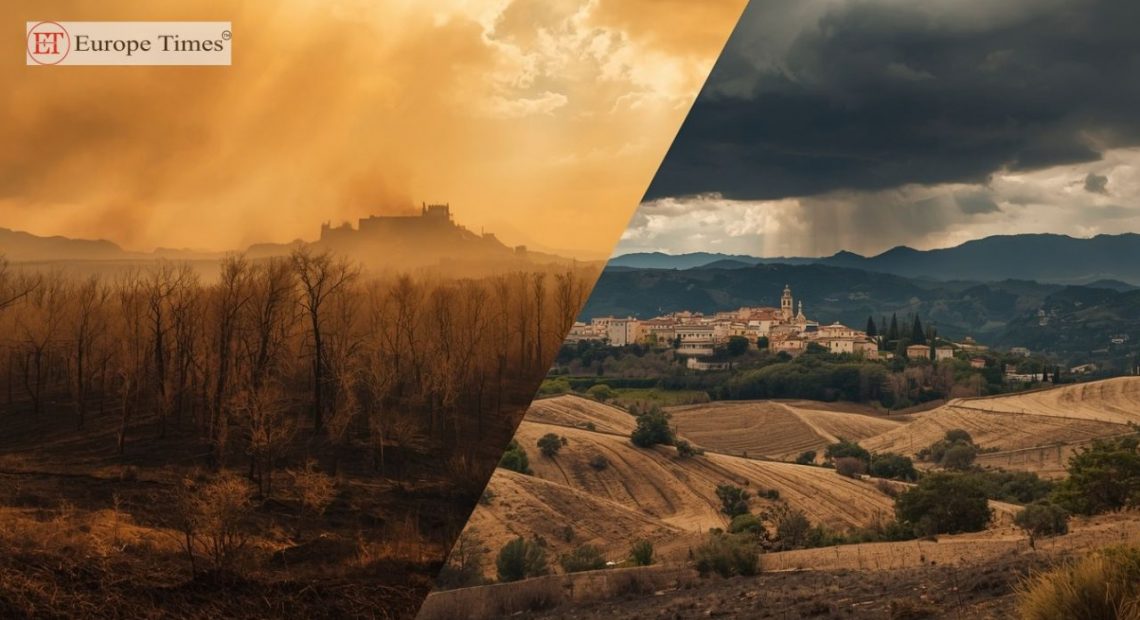
Spain is facing mounting climate-related pressures, with severe wildfires, rising temperatures, droughts and floods affecting communities and the economy. Around 300,000 hectares of land have been burned in Spain this year, while farmers in affected regions have suffered major losses to livestock, crops and pasture.

Rising temperatures are also affecting Spain’s tourism sector. The country experienced 61 days of heatwaves this year, with cities such as Toledo recording temperatures above 40°C on several occasions. Tourism workers are adapting by changing tour schedules, providing more water and shade, while some visitors are increasingly choosing cooler destinations and travelling during spring and autumn.

Drought and extreme rainfall are adding further challenges. Catalonia introduced water-use restrictions after years of low rainfall, while devastating floods in Valencia in 2024 caused 237 deaths and an estimated €4.5 billion in direct damage. Economists say climate change could weigh on economic activity, although investment in a greener economy could also create new jobs and opportunities.

Pic courtesy: google/ images are subject to copyright

featured News Trending

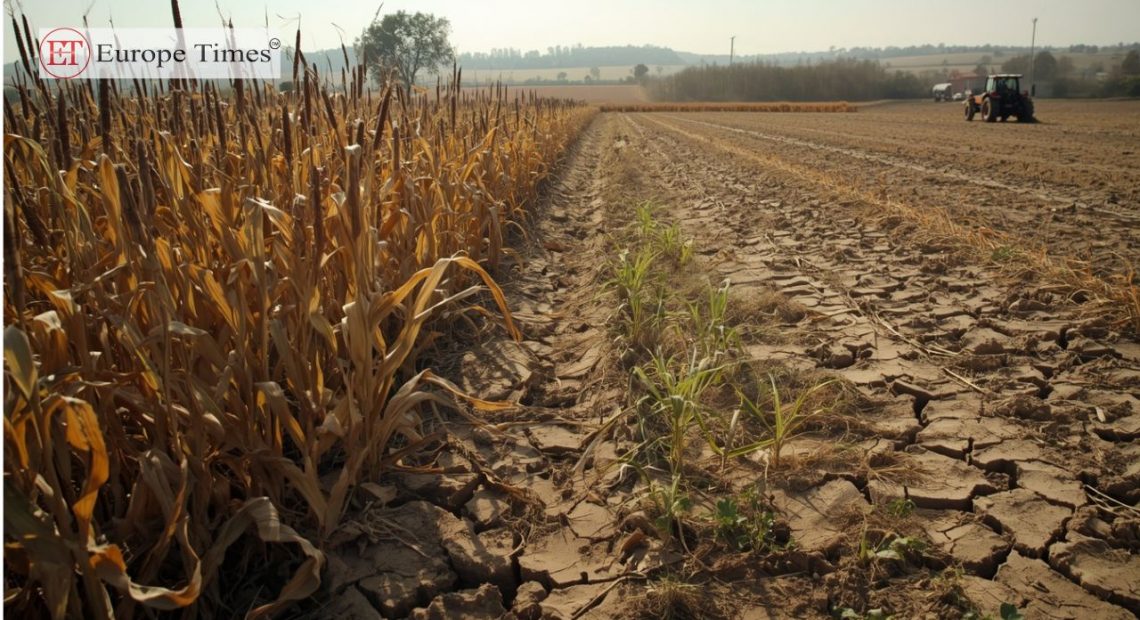
Climate change is putting increasing pressure on maize production across central and eastern Europe, with repeated droughts, heatwaves and water shortages reducing crop yields. The impact is particularly severe in Hungary and Romania, where maize acreage has fallen sharply. Hungary, once a major exporter, is expected to import maize this year, while Romania’s exportable surplus has declined.

The European Union’s maize harvest is forecast at 50.1 million metric tons in 2026, nearly a two-decade low and around 20% below the average of the past three years. Romania’s crop is expected to reach about 8 million tons, while Hungary’s harvest could fall to just 2.5 million tons. EU maize imports are projected to rise by 8% to 9% in 2026/27 as domestic production weakens.

Farmers are increasingly changing how they operate to cope with the changing climate. Some are switching from maize to crops such as sunflowers that require less water, while others are investing in irrigation. However, declining water availability is making even irrigation difficult. Farmers warn that without reliable water supplies, continued maize cultivation could become increasingly unviable, raising concerns for Europe’s food security and agricultural livelihoods.

Pic courtesy: google/ images are subject to copyright

featured News Trending

Europe’s increasingly frequent heatwaves are causing major financial losses for businesses, while traditional business interruption insurance often fails to cover the disruption. In Italy’s Padua, hospitality businesses have seen customers avoid outdoor dining during peak heat, with more than 80% of surveyed businesses reporting turnover declines of around 20%.

The economic impact is significant. Moody’s estimates that last summer’s European heatwaves caused around €43 billion in lost economic output, compared with only about €500 million in insured payouts. Extreme heat is also affecting worker productivity, transport, agriculture and industrial operations, while increasing cooling and operating costs.

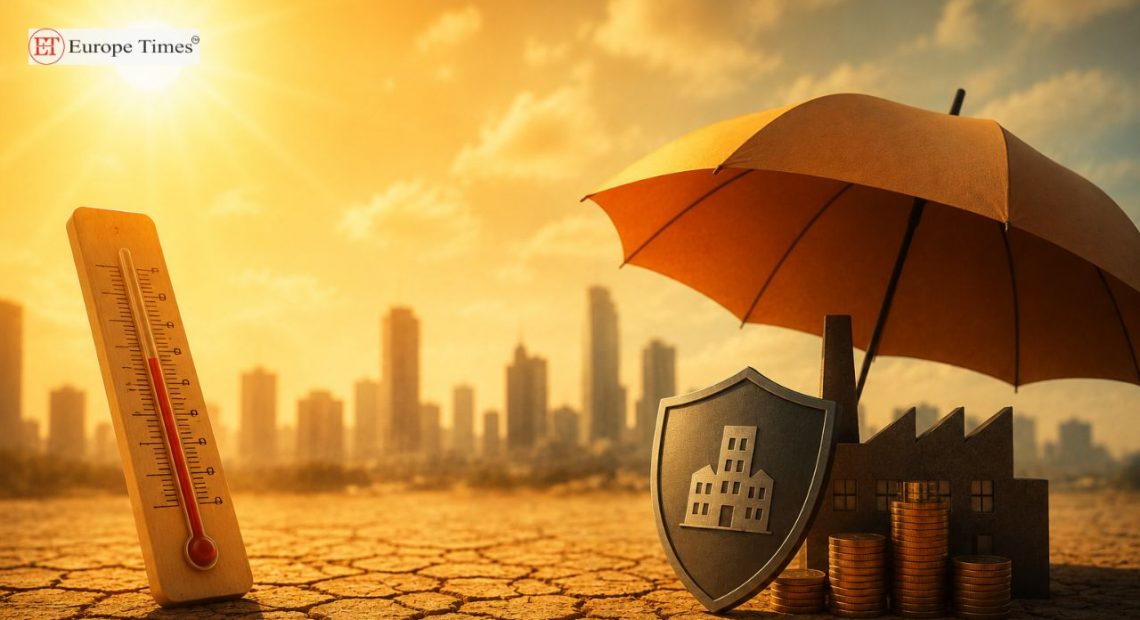
Insurers are exploring parametric insurance as one possible solution, with payouts triggered automatically when temperatures cross predefined thresholds. However, experts say businesses will also need to adapt by investing in cooling systems, redesigning workplaces and strengthening supply chains to reduce losses from increasingly frequent extreme heat.

Pic courtesy: google/ images are subject to copyright

News Trending

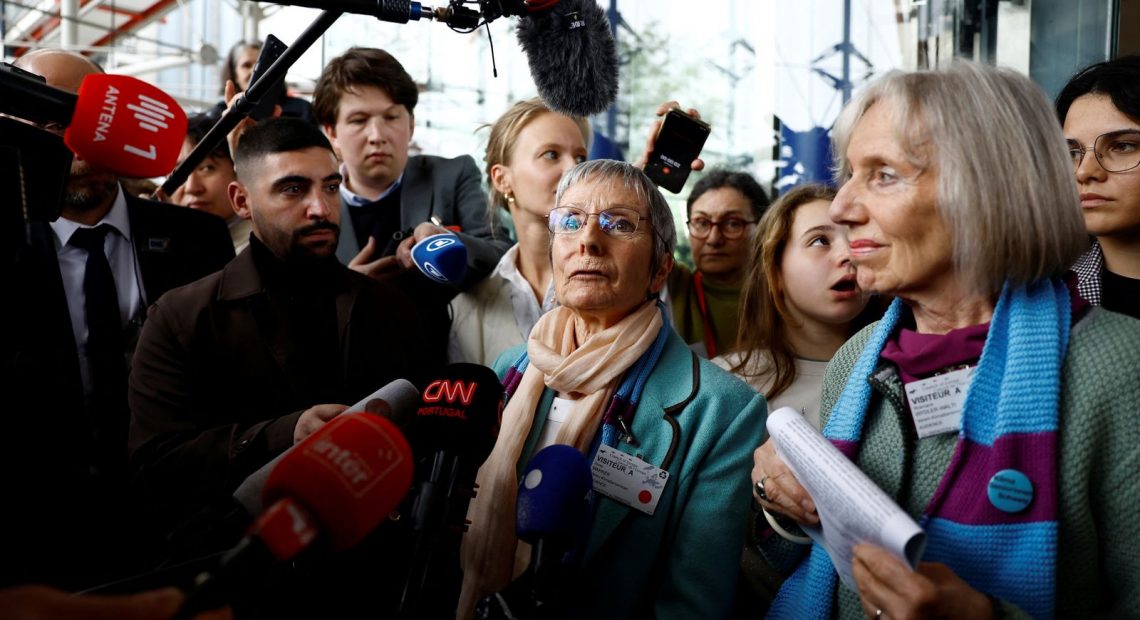
A group of elderly Swiss women have achieved a significant victory in the European Court of Human Rights, marking the first climate case success in the court’s history. These women, primarily in their 70s, emphasized their vulnerability to the impacts of heatwaves associated with climate change due to their age and gender.

The court criticized Switzerland for its insufficient efforts in meeting emission reduction goals, deeming them inadequate. This ruling holds significance as it’s the first time the court has addressed the issue of global warming.

Greta Thunberg, the Swedish activist, joined in the celebration with other activists at the court in Strasbourg. One of the leaders of the Swiss women, Rosemarie Wydler-Walti, expressed disbelief at the victory, highlighting its magnitude.

The court’s decision carries legal weight and could potentially influence legislation in 46 European countries, including the UK. It found Switzerland in breach of its duties under the Convention concerning climate change, noting deficiencies in the country’s climate policies, such as failure to quantify reductions in greenhouse gas emissions.

The group of Swiss women, known as KlimaSeniorinnen or Senior Women for Climate Protection, argued that they faced health risks during heatwaves in Switzerland and were unable to leave their homes. Data showed that March of the same year marked the world’s warmest, continuing a trend of record-breaking temperatures.

However, the court dismissed similar cases brought by Portuguese youths and a former French mayor, who also claimed that European governments were not acting swiftly enough to address climate change, thus violating their rights.

Elisabeth Smart, a member of KlimaSeniorinnen at 76 years old, highlighted her lifelong observations of climate change in Switzerland, having grown up on a farm. Despite the nine-year commitment to the case, she emphasized the innate drive within some individuals to take action rather than remain passive.

While governments worldwide have committed to reducing greenhouse gas emissions significantly, experts and activists warn that progress remains slow, jeopardizing efforts to limit global temperature rise to 1.5°C.

Picture Courtesy: Google/images are subject to copyright