News Trending

Amidst soaring temperatures, firefighters in Portugal are working diligently to contain wildfires that have spread across thousands of hectares. An overnight effort near Odemira involved around 800 personnel, leading to the evacuation of over 1,400 individuals. Tragically, nine firefighters have sustained injuries during the firefighting operations.

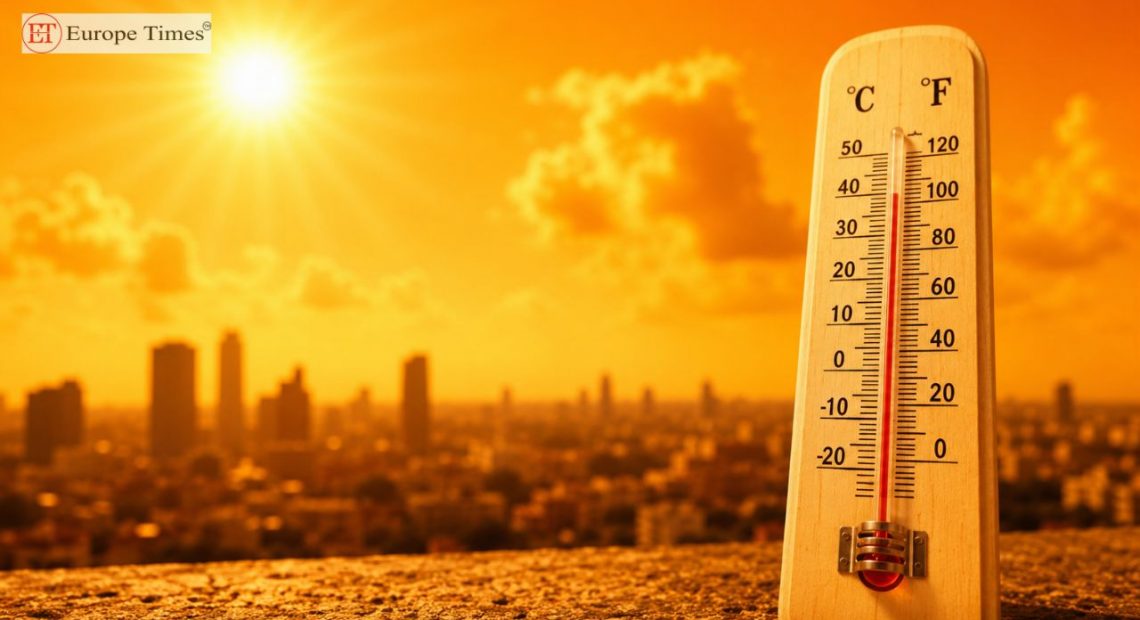
The Iberian Peninsula is expected to experience temperatures exceeding 40°C (104°F) this week. While three significant fires in Spain have been brought under control after scorching extensive areas, weather advisories persist across the country.

Portugal recorded its highest temperature of the year, reaching 46.4°C (116°F) in Santarém on Monday. A blaze that ignited near Odemira on Saturday was propelled southward into the Algarve’s hilly interior due to strong winds. Approximately 6,700 hectares (16,600 acres) of land have already been devastated, and numerous villages, tourist accommodations, and a camping site were evacuated. The mayor of Odemira described the situation as “critical, difficult, and complex.”

Elsewhere in Portugal, major fires prompted the closure of several sections of highways, including parts of the A1 connecting Lisbon and Porto. Firefighting efforts across both regions are being aided by sixteen waterbombing aircraft.

In response to the heightened fire risk, authorities have labeled over 120 municipalities in Portugal as being at maximum wildfire risk. Meanwhile, in Spain, fires near Cadiz, Huelva, and Catalonia consumed over 1,000 hectares (2,470 acres) collectively over the weekend.

This week’s heatwave marks the third to affect the Iberian peninsula this summer. According to Ruben del Campo of Spain’s State Meteorological Agency, the heatwave results from a substantial mass of hot, dry air originating from North Africa and is projected to be more intense, widespread, and longer-lasting than the two previous ones in July.

The increasing risk of such scorching and dry conditions that fuel wildfires is attributed to climate change. Global temperatures have already risen by around 1.1°C since the onset of the industrial era, and this trend will persist unless governments worldwide take significant measures to reduce emissions.

Picture Courtesy: Google/images are subject to copyright

News Trending

The Earth’s oceans have experienced their highest recorded temperatures ever, absorbing warmth due to climate change, which has concerning implications for the planet’s well-being. According to the EU’s climate change service Copernicus, the average daily global sea surface temperature surpassed the 2016 record this week, reaching 20.96°C, well above the typical level for this time of year.

Oceans play a crucial role in regulating the climate, absorbing heat, generating half of the Earth’s oxygen, and influencing weather patterns. However, warmer waters have a reduced capacity to absorb carbon dioxide, leading to increased levels of the planet-warming gas in the atmosphere. Additionally, higher temperatures can hasten the melting of glaciers, contributing to rising sea levels.

The impact of hotter oceans and heatwaves extends to marine species, causing fish and whales to seek cooler waters and disrupting the food chain. Predatory animals like sharks may become more aggressive in these conditions. Furthermore, marine heatwaves are causing coral bleaching and fatalities in various regions, highlighting the stress that human activities, including pollution and overfishing, place on the oceans.

Scientists express concern about the timing of this record-breaking heat, noting that March should be the warmest month for oceans globally, not August. They attribute the increasing ocean temperatures to climate change, as the seas absorb most of the heat from greenhouse gas emissions. The burning of fossil fuels exacerbates this situation, prolonging the time required to stabilize ocean temperatures.

The current broken temperature record follows a series of marine heatwaves in different parts of the world this year, including the UK, North Atlantic, Mediterranean, and Gulf of Mexico. The frequency and intensity of these heatwaves have been on the rise, with marine heatwaves doubling between 1982 and 2016, according to the Intergovernmental Panel on Climate Change (IPCC).

While air temperatures have risen significantly in recent years, oceans take longer to warm up due to their higher heat-absorption capacity. However, it appears that ocean temperatures are now catching up, possibly due to stored heat from ocean depths surfacing, potentially linked to El Niño events.

Though scientists have expected sea surface warming due to greenhouse gas emissions, they are still investigating the specific reasons behind the recent surge in temperatures, which have far exceeded previous records.

Picture Courtesy: Google/images are subject to copyright

News Trending

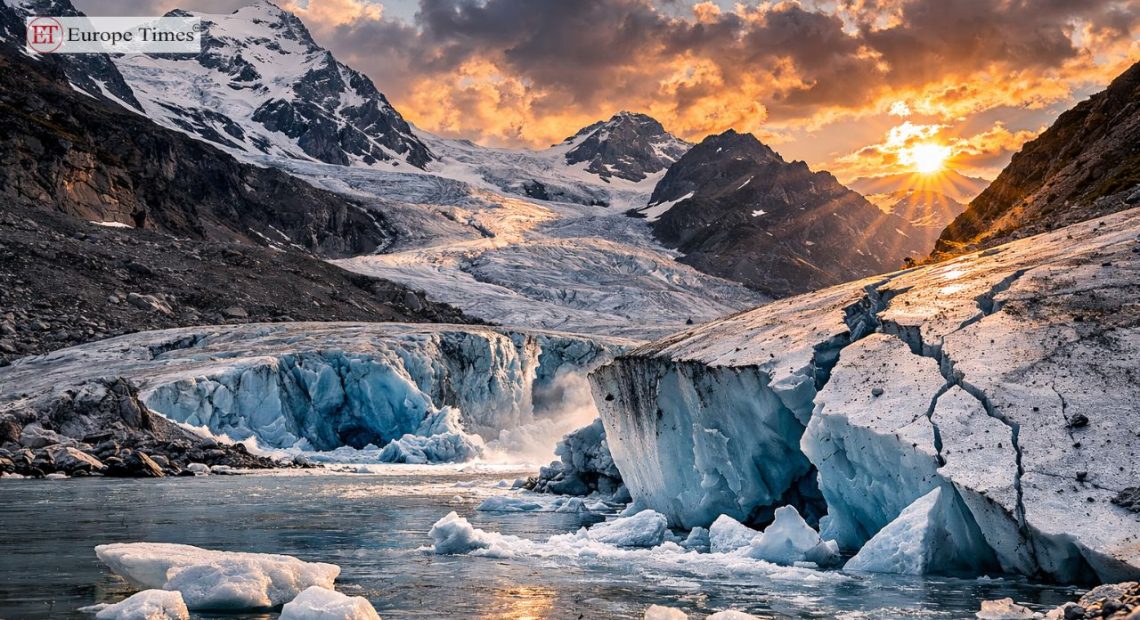
Human remains discovered on a glacier near the Matterhorn in Switzerland have been identified as the body of a German climber who had been missing since 1986. The finding is one of several long-held secrets revealed by the melting Alpine glaciers, which are shrinking rapidly due to climate change.

The Theodul glacier, where the body was found, has experienced a significant retreat in recent years. This glacier is part of Zermatt’s renowned year-round ski region, the highest in Europe. However, global warming has caused the alpine ice fields to be particularly vulnerable. As a result, various objects and remains, lost for decades, have emerged from the melting ice in recent years.

Such discoveries have included a crashed plane from 1968 and the remains of missing climbers from past decades. Furthermore, the melting ice has even led to changes in international borders between Switzerland and Italy, with the shifting position of the drainage divide.

The consequences of the glacier melt extend beyond the discovery of historical artifacts and climbers; these glaciers are vital to Europe’s environment, providing essential water sources for rivers like the Rhine and Danube, and helping maintain aquatic ecosystems. Unfortunately, the rapid rate of ice retreat observed by experts indicates that most Alpine glaciers could vanish by the end of the century. As global temperatures continue to rise, the fear of further ice loss and its far-reaching impacts on the environment persists.

Picture Courtesy: Google/images are subject to copyright

News Trending

A summer camp in Greece has been forced to evacuate over a thousand children due to raging wildfires that have erupted in the country. As Greece endures a scorching Mediterranean heatwave, two separate blazes are spreading rapidly.

In the town of Loutraki, situated west of Athens, flames advanced towards the camp, prompting the evacuation of 1,200 children. In another incident, a man suspected of starting a fire in Kouvaras, southeast of the capital, was arrested by the police. Emergency service crews have assisted numerous individuals in evacuating their homes in the affected areas.

Several animals, including horses housed in stables, were also evacuated. The Greek government has stated that affected homeowners are eligible for temporary accommodation in local hotels and will be compensated later. Despite the efforts of hundreds of firefighters contending with strong winds, the fires continue to spread.

The situation has led to transportation disruptions, with sections of the Athens-Corinth national highway closed by the police and some train services affected. While it is suspected that at least one fire was intentionally started, scientists emphasize that such extreme weather events are becoming more frequent and intense due to global warming.

The intense regional heatwave shows no signs of abating, according to weather reports, and the risk of further fires remains high, as warned by the Greek meteorological service. Thick smoke, damaged houses, and cars were depicted on Greek television, reflecting the destruction caused by the wildfires. Greece has experienced temperatures surpassing 40°C (104°F) in recent days, leading to precautions such as the temporary closure of the Acropolis.

Neighboring countries like Italy and Spain are also facing unusually high temperatures, and further heat records are expected to be broken in the coming days throughout the region.

Picture Courtesy: Google/images are subject to copyright

Global Climate News Trending

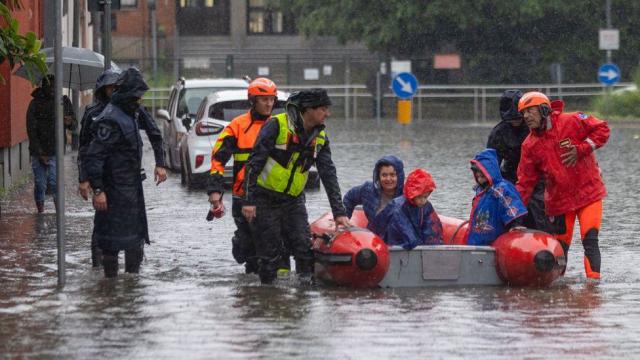
Italy is currently experiencing extreme heat, leading to red alerts being issued for 15 cities, including Rome, Florence, and Bologna. This heatwave is part of a larger trend of increasing temperatures and longer heatwaves globally due to global warming.

The European Space Agency (ESA) predicts that Italy, Spain, France, Germany, and Poland may face extreme conditions, with potential record temperatures. Greece has already been experiencing temperatures of 40°C or higher, leading to the closure of tourist attractions like the Acropolis. There are concerns about the increased risk of wildfires in Greece and other areas with high winds.

Central parts of Europe, including Germany and Poland, are also affected by high temperatures. In contrast, the UK is experiencing heavy showers and cooler weather due to the southern shift of the jet stream. The current heatwave in Italy, named Cerberus, is expected to be followed by another heatwave called Charon, pushing temperatures above 40°C.

Heatwaves are also occurring in other parts of the world, including the US, China, North Africa, and Japan. The increasing frequency and intensity of extreme weather events due to global warming have become the new normal, according to the World Meteorological Organization.

Picture Courtesy: Google/images are subject to copyright