featured News Trending

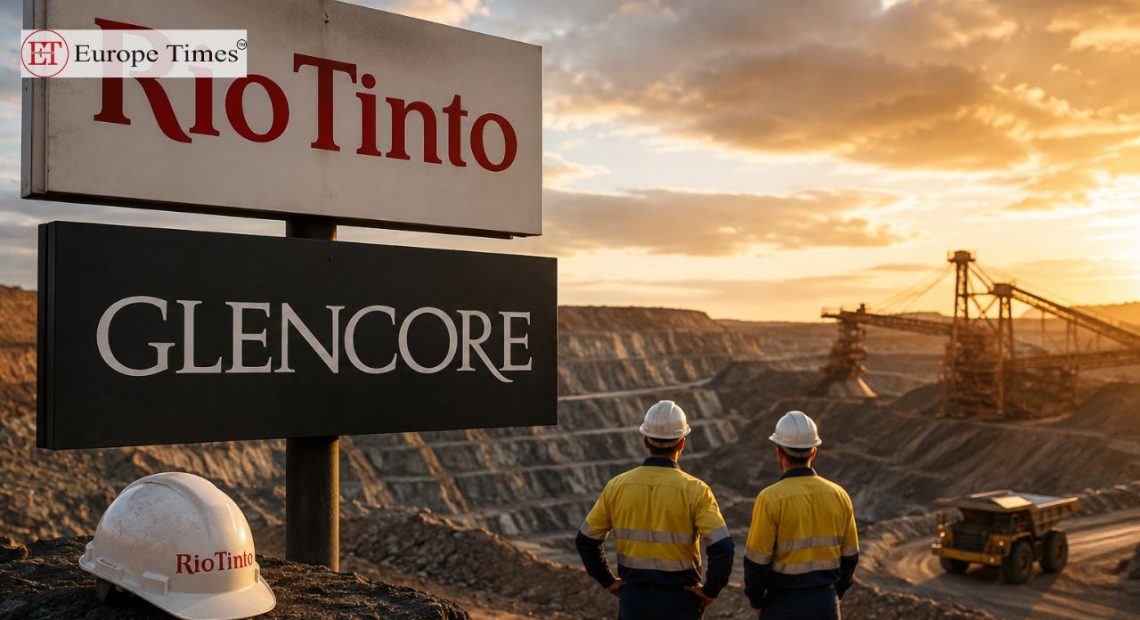
Rio Tinto is not expected to restart takeover discussions with Glencore despite the expiry of a six-month standstill agreement under UK takeover rules. CEO Simon Trott remains focused on simplifying the company, reducing costs, selling non-core assets, and strengthening its core mining businesses rather than pursuing a major merger.

Earlier this year, Rio evaluated a potential $200 billion merger with Glencore but concluded that it did not offer sufficient value. Investors have largely supported the decision, with analysts warning that reviving negotiations could weigh on Rio Tinto’s share price. The company is instead prioritizing asset divestments, expanding its trading business, and increasing exposure to copper.

Meanwhile, Glencore is stepping up engagement with Australian investors while continuing to showcase its copper portfolio. Although speculation around future partnerships remains, analysts believe Rio Tinto is likely to focus on smaller acquisitions and organic growth, leaving the prospect of a merger with Glencore on hold for now.

Pic courtesy: google/ images are subject to copyright

featured News Trending

Glencore has reached an agreement to purchase nearly 2,000 metric tons of cobalt from industry veteran Rami Weisfisch, worth around $115 million at current market prices. The deal, spanning 12 months in 2026, is expected to supply the United States for its planned National Defense Stockpile under Project Vault, a program backed by $12 billion in public and private funding. The cobalt, originally acquired by Weisfisch in 2015, is stored across Europe and the U.S., and marks the end of Weisfisch’s 50-year involvement in the cobalt industry.

The move comes amid heightened U.S. efforts to secure critical materials, including cobalt, to reduce reliance on China, the dominant global supplier and processor of strategic metals. Glencore’s CEO Gary Nagle confirmed the company’s participation in Project Vault, following the cancellation of a U.S. Defense Logistics Agency tender for cobalt last year. The deal uses pricing tied to Fastmarkets assessments, ensuring alignment with current market conditions.

Cobalt prices have surged approximately 160% since February 2025, reaching $26 per pound ($57,320 per ton), driven by tight supply and rising global demand. Democratic Republic of Congo, the top producer, imposed export quotas from February to mid-October, disrupting supply chains. China, the largest cobalt processor, has been most affected by these restrictions, scrambling to secure cobalt for its industries, including lithium-ion battery production for electric vehicles and mobile devices.

Pic courtesy: google/ images are subject to copyright