News Trending

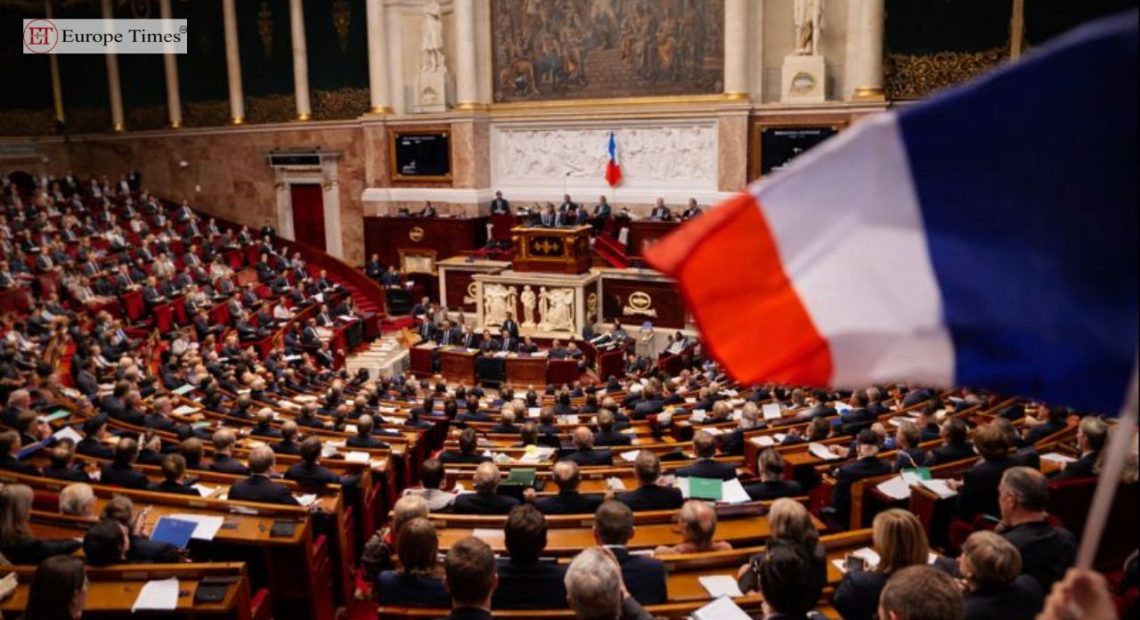
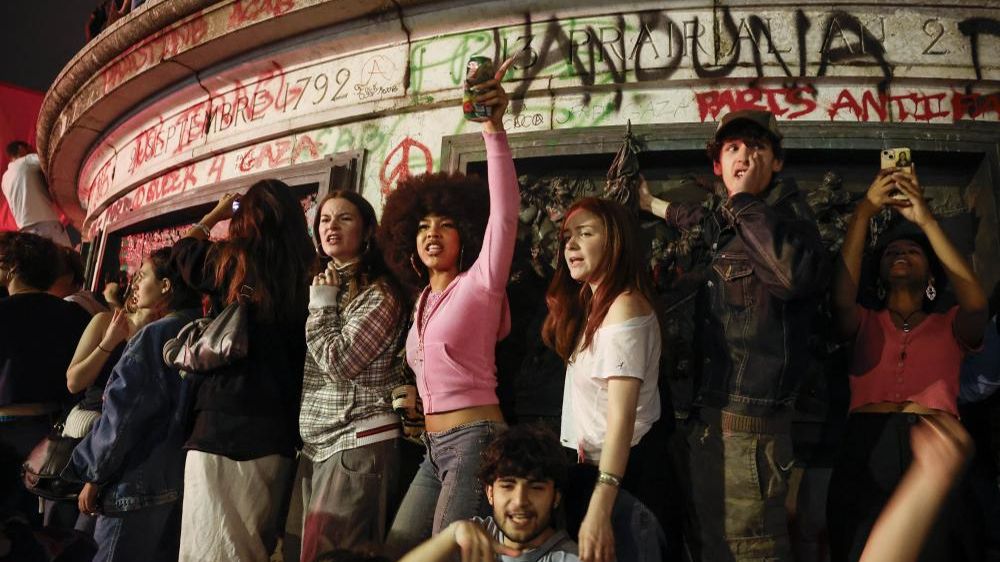
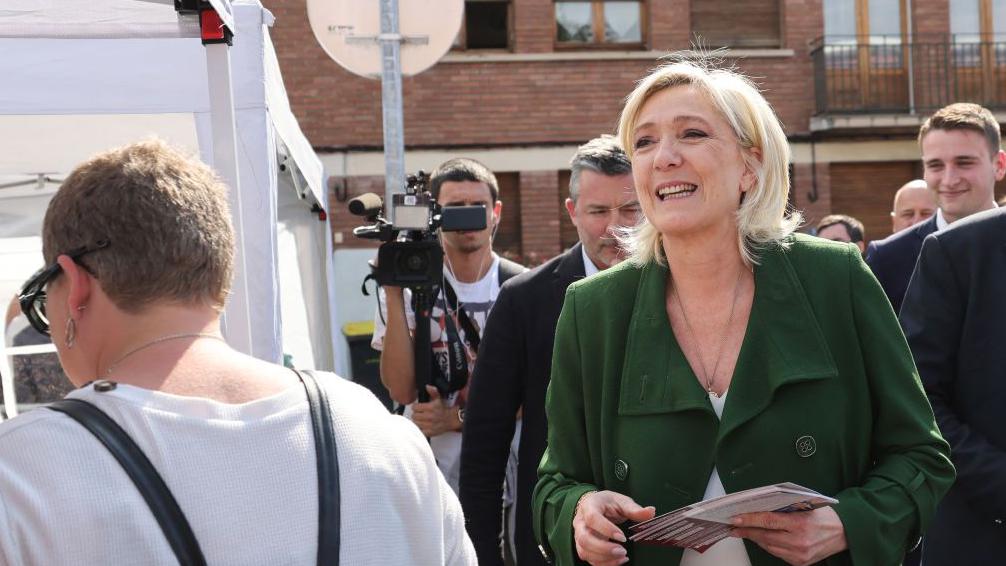
France’s fast-paced election campaign has concluded, and despite last-minute pleas against supporting the far-right, voters seem poised to deliver a historic win for the National Rally (RN) party in parliamentary elections. Prime Minister Gabriel Attal has cautioned that this could lead to increased hate and aggression. Nonetheless, the party led by Marine Le Pen and the 28-year-old Jordan Bardella, who could potentially become the next prime minister, is leading in the opinion polls.

The National Rally has managed to maintain its position despite numerous accusations of racism involving both party members and supporters. The critical question now is whether they can secure an absolute majority in the two rounds of voting over the next two Sundays.

RN is preparing for a significant outcome, with polls showing 36.5% support just before the campaign ended. Their candidates aim to win many seats in the National Assembly outright, but most will be decided in run-off votes on July 7, involving two to four contenders.

A newly formed left-wing alliance, the New Popular Front, is close behind RN with 29% support, while the Ensemble alliance, led by Gabriel Attal, is at 20.5%. Attal describes both RN and the New Popular Front as extreme.

No region of mainland France supported RN more than L’Aisne in the European vote, with over 50% backing. This area already has RN MPs and a National Rally mayor, Franck Briffaut, who sees victory as inevitable, likening it to Giorgia Meloni’s win in Italy.

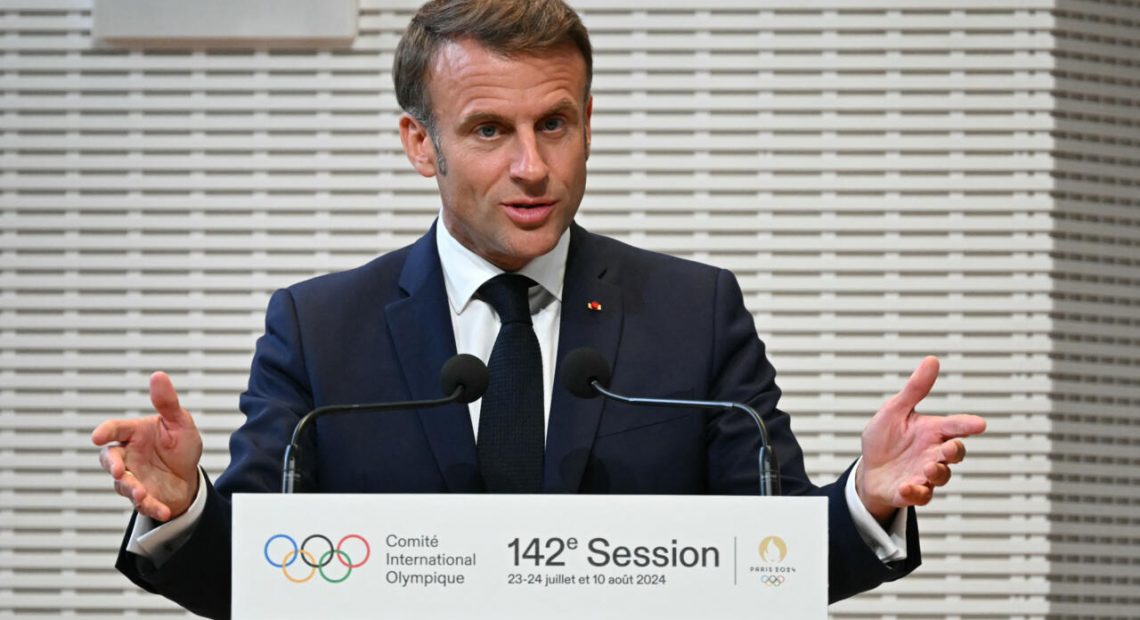
Briffaut and others in his party aim for an absolute majority in the National Assembly, needing at least 289 of the 577 seats. However, President Macron, who will appoint the next prime minister, has indicated he will remain in office until his term ends in 2027.

Jordan Bardella is pushing for an absolute majority and has hinted at a “government of national unity.” He has suggested including former conservative leader Eric Ciotti, despite his alienation from most colleagues. This raises questions about potential power-sharing with President Macron, which could lead to a difficult political landscape.

Interior Minister Gérald Darmanin has warned of possible unrest from both the ultra-left and ultra-right following the elections. In the northern town of Soissons, which has an RN MP, locals remain skeptical of RN’s impact, despite the party’s rebranding efforts.

RN’s platform includes “National priority,” which limits social welfare to French citizens, alongside tax cuts and restrictions on strategic jobs for dual nationals. This has raised concerns among some, especially in diverse communities.

The outcome of this election could significantly impact French politics, with the possibility of RN gaining substantial influence in the National Assembly.

Picture Courtesy: Google/images are subject to copyright

News Trending

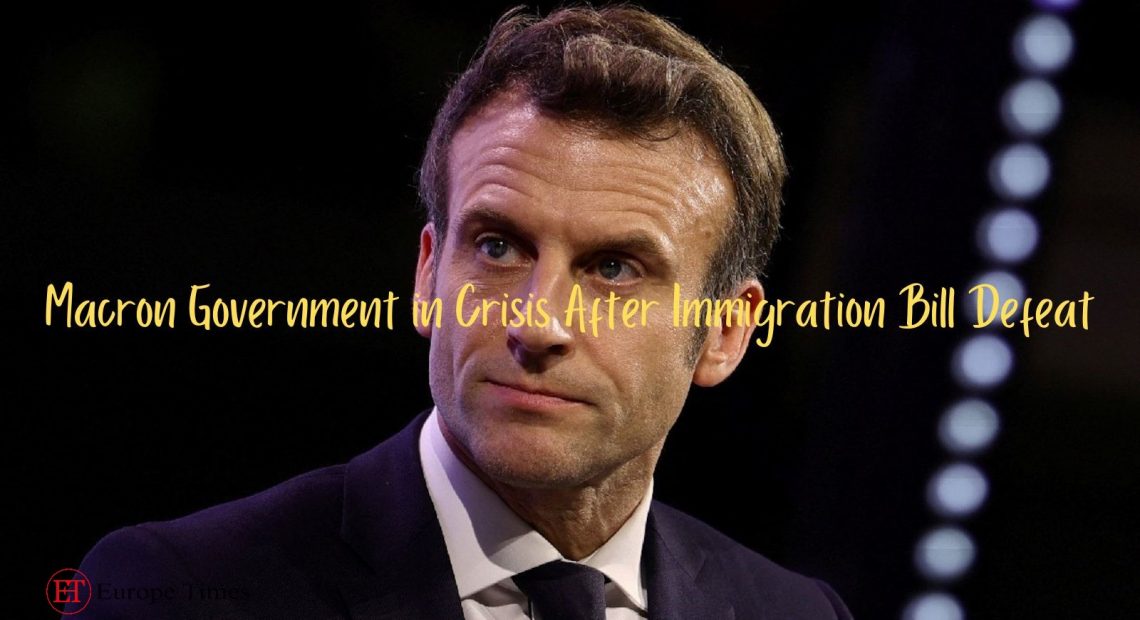
The French government, led by President Emmanuel Macron, is facing a crisis as opposition parties, spanning the political spectrum from far-right to far-left and moderate factions, joined forces to defeat a crucial immigration bill. The rejection occurred on Monday, with critics arguing that the proposed law was either too repressive (according to the left) or not stringent enough (according to the right).

Interior Minister Gérald Darmanin, known for his tough stance on immigration, offered to resign following the defeat, but President Macron declined his resignation. The government had asserted that the bill aimed to control immigration while enhancing the integration of migrants. The proposed legislation sought to streamline the deportation process for migrants sentenced to prison terms of five years or longer and impose stricter conditions on family reunification in France.

Despite Interior Minister Darmanin’s efforts to garner support for the bill, opposition MPs from various factions, including the National Rally (far-right), France Unbowed (far-left), Republicans (right-wing), and smaller parties, voted against it, leading to a 270-265 defeat for the government.

Before the vote, MP Arthur Delaporte of the Socialist party denounced the bill as “unjust, scandalous, and a threat to freedom.” President Macron’s centrist Renaissance party had lost its parliamentary majority in the June 2022 elections, making it challenging for the government to secure votes in parliament.

In response to the defeat, the government announced its intention to redraft the bill. Notably, the option used by Prime Minister Élisabeth Borne to pass laws without a vote cannot be employed to advance this revised version.

Picture Courtesy: Google/images are subject to copyright

News

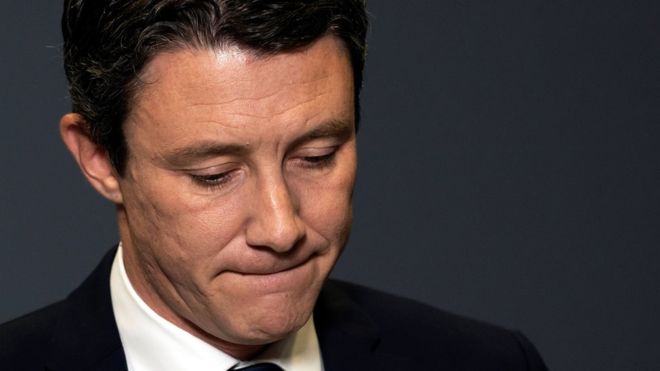
A leaked video has spoiled the political career of Benjamin Griveaux, who is considered as a close ally of French President Emanuel Macron.

He was the candidate of Macron’s party for the Paris mayor election. He was one of the top three hopefuls.

Mr. Griveaux has expressed his sadness about the leakage of the video.

Interestingly, highlighting the importance of the separation of politics from personal life, many French politicians have supported the tainted politician. They have unanimously appealed against the Americanisation of the French politics.

The French politics is different from the American one. It favours the separation of politics from personal life, unlike the United States.

Anyway, the development is a major blow to Mr. Macron. The French President’s party has suffered several backlashes recently, from the reduction of its strength in the parliament to the losses it has faced in the recent elections.

Though these blows are not strong enough to disturb the continuation of Mr. Macron as the President of the country immediately, it may impact his position in the long run.

Meanwhile, there is a different side also. The ruling party, if work rightly, can utilise the emotion, generated against the Americanisation of the French politics, in its favour to gain a political mileage from the development.


Photo Courtesy: Google/ images are subject to copyright