featured News Trending

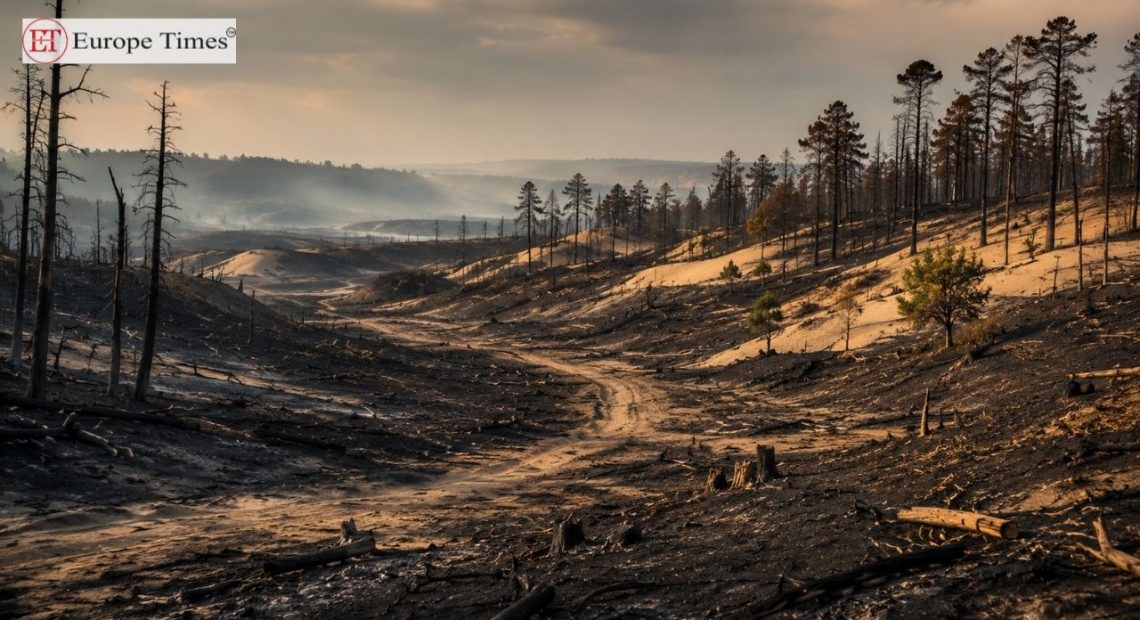
Serbia’s Deliblatska Pescara reserve is facing difficult choices after a major wildfire damaged large areas of its unique dunes and woodlands. Foresters are now working on a long-term restoration plan, while considering how to make the landscape more resilient as hotter and drier conditions increase the risk of future fires.

Experts say the recovery could take decades. Damaged trees must be gradually removed to prevent them from fuelling new fires or attracting bark beetles, while foresters consider replacing highly flammable conifers with species such as birch, poplar, ash and oak. Some experts have advised waiting three to five years in areas without immediate erosion risks before undertaking large-scale replanting.

The challenge reflects a broader shift in Serbia’s fire patterns. Data from the European Forest Fire Information System shows that 2023–2025 was the country’s worst three-year period for fires this century. Forestry experts are increasingly looking toward methods used in traditionally drier regions, including techniques to retain soil moisture and improve the survival of newly planted trees.

Pic courtesy: google/ images are subject to copyright

News Trending

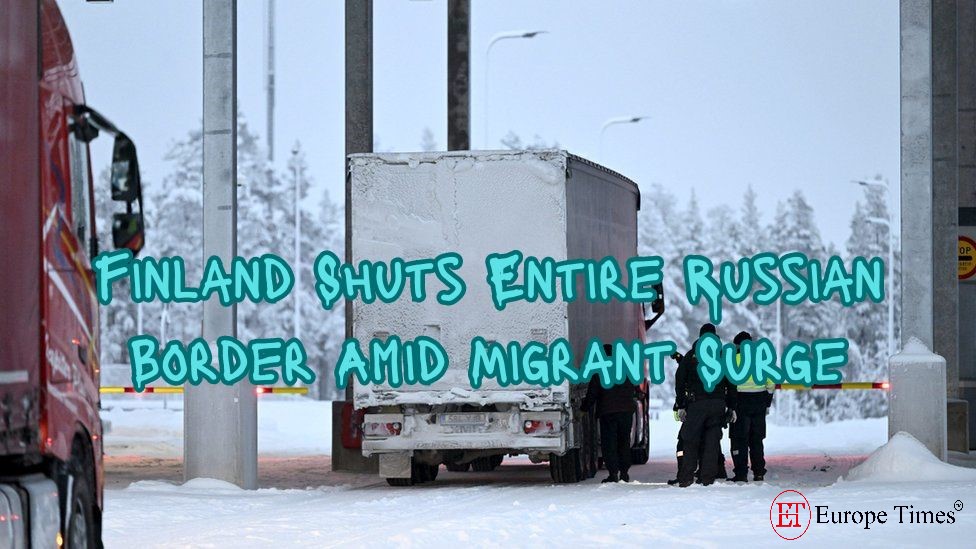
Finland has decided to close the majority of its border crossings with Russia, accusing Moscow of actively aiding migrants in their entry into the country. With seven out of eight road posts already closed due to a notable increase in crossings, the last remaining crossing, situated in the Arctic Circle, is set to be shut for a two-week period.

The Finnish government asserts that Russia is orchestrating the movement of asylum seekers towards Finland as part of what they describe as an “influence operation” and a “hybrid attack.” Prime Minister Petteri Orpo emphasized the government’s commitment to putting an end to these crossings, citing concerns for national security.

In November, Finland saw a surge in the number of asylum seekers, totaling around 900 individuals, who entered the country from Russia. These asylum seekers come from various countries, including Morocco, Pakistan, and Syria. The Finnish government’s response to this influx has been a gradual closure of more border posts. The decision has raised concerns from Finland’s non-discrimination ombudsman, who fears that the closures may compromise the right to seek asylum under international law, particularly considering the remote location of the last remaining border crossing, approximately 900 kilometers north of the capital.

Despite the closures, the Finnish government maintains that asylum seekers arriving by boat and air can still seek asylum. However, advocates worry that the decision to close official crossing points may lead asylum seekers to attempt illegal crossings through the vast forests and rivers that make up the lengthy border between Finland and Russia.

With the arrival of winter, there are heightened concerns about the safety of such attempts. Advocates also emphasize the importance of providing assistance to those in need on the Russian side of the border and urge authorities to avoid pushing individuals crossing illegally back into Russia.

Picture Courtesy: Google/image are subject to copyright