featured News Trending

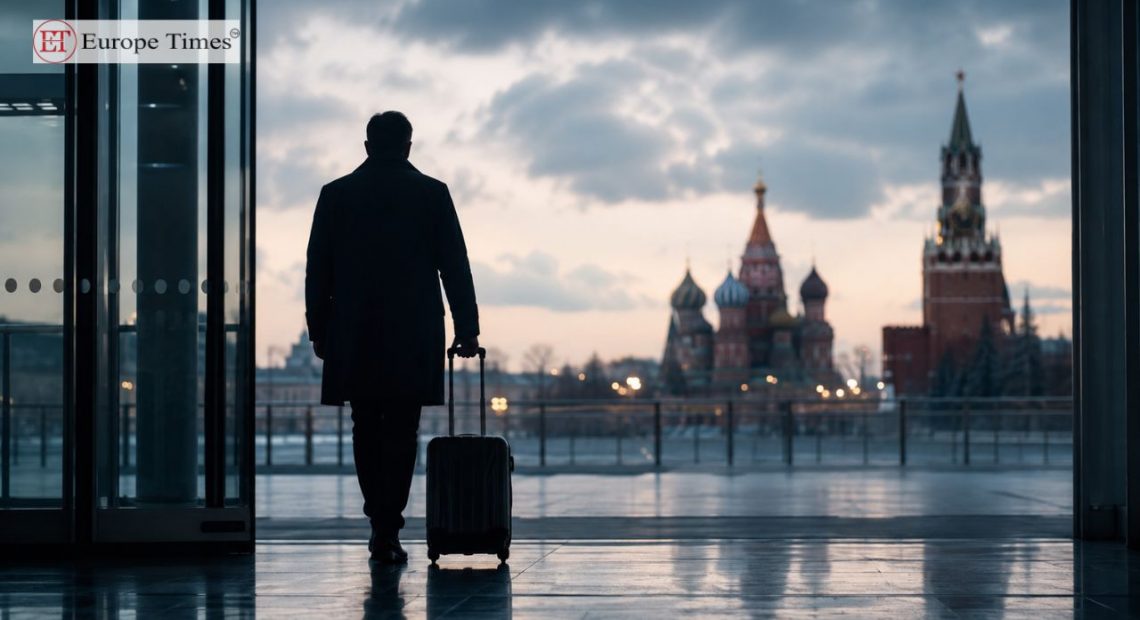
Russian anti-war politician Boris Nadezhdin has announced that he is temporarily outside Russia after being labelled a “foreign agent” and barred from contesting the country’s upcoming parliamentary elections. In a video posted from Paris, with the Eiffel Tower in the background, Nadezhdin said he was “alive and free” and would share his future plans later.

The 63-year-old former lawmaker has been a vocal critic of Russia’s war in Ukraine while attempting to remain active within the country’s political system. His political ambitions were halted after the Justice Ministry designated him a “foreign agent” in July, followed by police questioning and a court fine over alleged display of extremist symbols on social media, accusations he rejected.

Nadezhdin’s departure adds to the growing number of prominent Kremlin critics who have either left Russia or been imprisoned since the start of the Ukraine war in 2022. Russian authorities say such measures are necessary to protect national security, while opposition figures argue they are part of a broader crackdown on political dissent.

Pic courtesy: google/ images are subject to copyright

News Trending

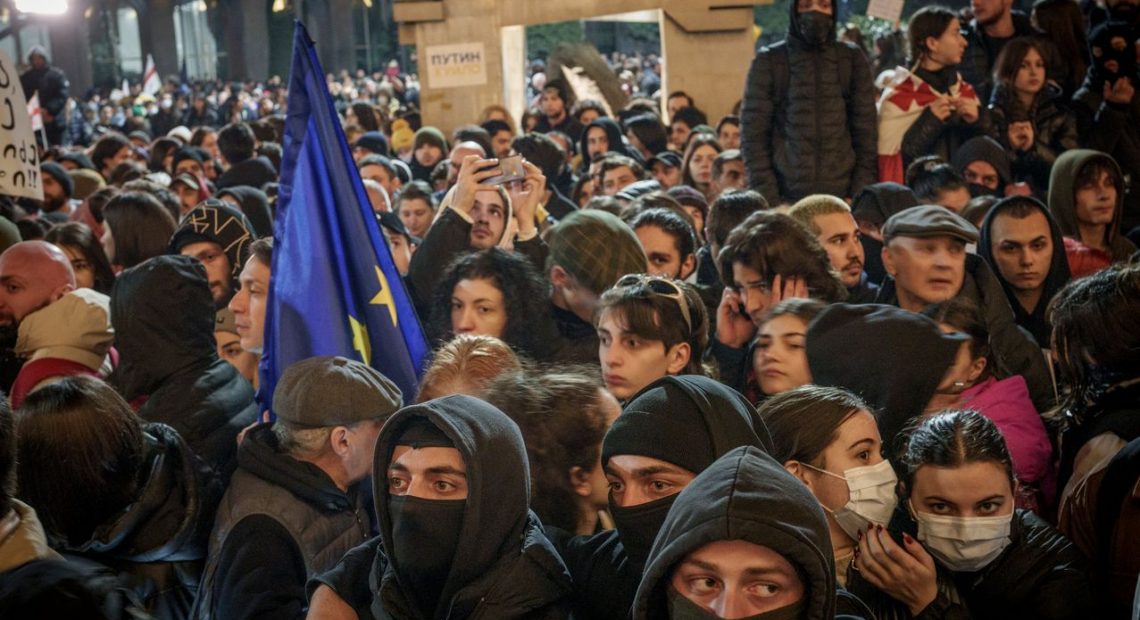
Riot police in Georgia deployed tear gas and water cannons to disperse demonstrators protesting against a proposed bill, which the opposition views as an attack on media freedoms. The clashes erupted outside the parliament building in Tbilisi, where protesters hurled eggs and bottles at the police. Despite the retreat of the crowds, confrontations persisted late into Tuesday evening along Rustaveli Avenue, resulting in several injuries and arrests.

The bill, known as the “foreign agent” legislation, received preliminary approval from lawmakers on April 17th. Introduced by the ruling Georgian Dream party, it mandates that non-governmental organizations (NGOs) and independent media outlets, receiving over 20% of their funding from foreign sources, register as entities “advancing the interests of a foreign power.” These organizations would be subject to oversight by Georgia’s justice ministry and could face penalties, including significant fines.

The passage of the bill’s initial reading sparked a wave of street demonstrations. Reports indicate that several protesters sustained injuries during Tuesday’s clashes in Tbilisi, including Levan Khabeishvili, chairman of the main opposition party, United National Movement, who was reportedly hospitalized after a severe beating.

Eyewitnesses also observed instances of police officers physically assaulting protesters, according to Reuters news agency. A number of demonstrators were reportedly taken into custody. However, Georgian authorities have not publicly addressed these allegations of injuries or police misconduct.

Critics of the bill argue for its repeal, contending that it mirrors authoritarian legislation used by Russia to suppress dissent. They fear it could stifle critical voices ahead of this year’s parliamentary elections and impede Georgia’s progress toward EU membership. European leaders and the United States have warned that adopting the foreign agents law would undermine Georgia’s European aspirations.

Despite international concerns, Prime Minister Irakli Kobakhidze’s government remains steadfast in its support of the bill. Kobakhidze has accused NGOs of attempting to foment revolutions in Georgia and of promoting “gay propaganda.” He maintains that the legislation aims to enhance transparency and denies allegations that it contradicts European values or serves Russian interests.

In response to the protests, Georgian Dream organized its own rally, where party founder Bidzina Ivanishvili criticized Western interference. The situation underscores the deepening divide within Georgia over the bill and its implications for democracy and international relations.

Picture Courtesy: Google/images are subject to copyright