featured News Trending

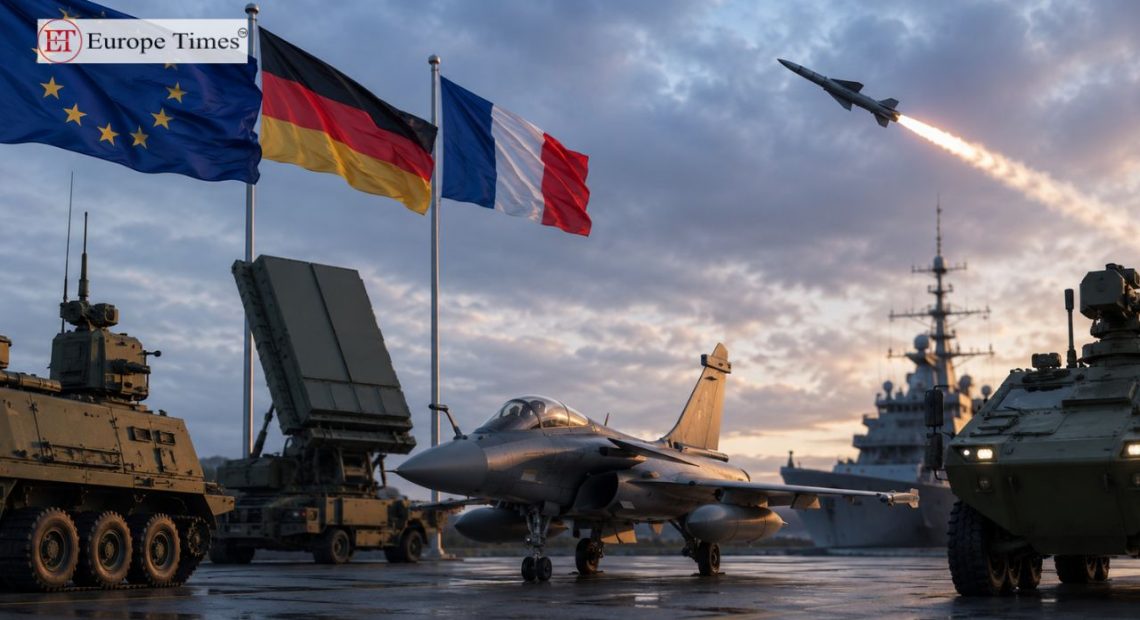
France and Germany have agreed to strengthen their defence partnership as Europe seeks greater military autonomy amid evolving global security challenges. During a joint meeting in Bruehl, German Chancellor Friedrich Merz and French President Emmanuel Macron announced plans to expand cooperation on missile defence, long-range strike systems and broader security initiatives.

In a landmark move, German troops will participate in a French nuclear exercise for the first time, reflecting closer strategic coordination between the two countries. Macron reaffirmed that France would continue to fully finance its own nuclear deterrent, while Merz said any future cooperation would complement NATO’s existing defence framework rather than replace it.

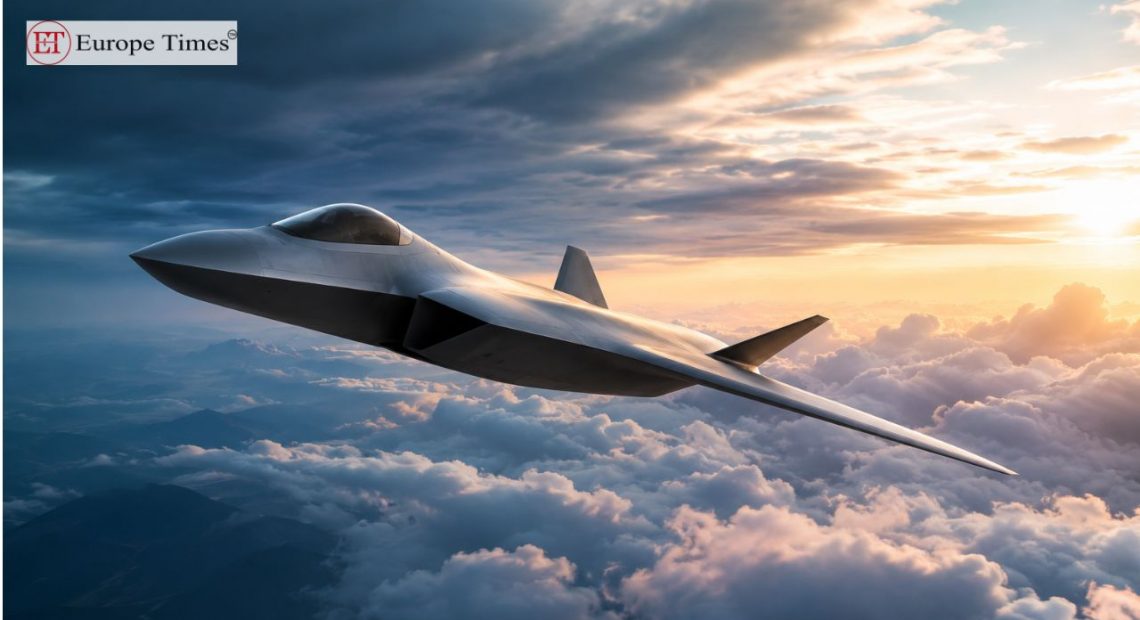
The two leaders also voiced concerns over China’s industrial overcapacity and currency policies, arguing they place European industries under increasing pressure. Despite recent setbacks in their joint fighter aircraft programme, France and Germany confirmed that key elements of the Future Combat Air System (FCAS) project will continue, with improved oversight to strengthen future defence collaboration.

Pic courtesy: google/ images are subject to copyright

featured News Trending

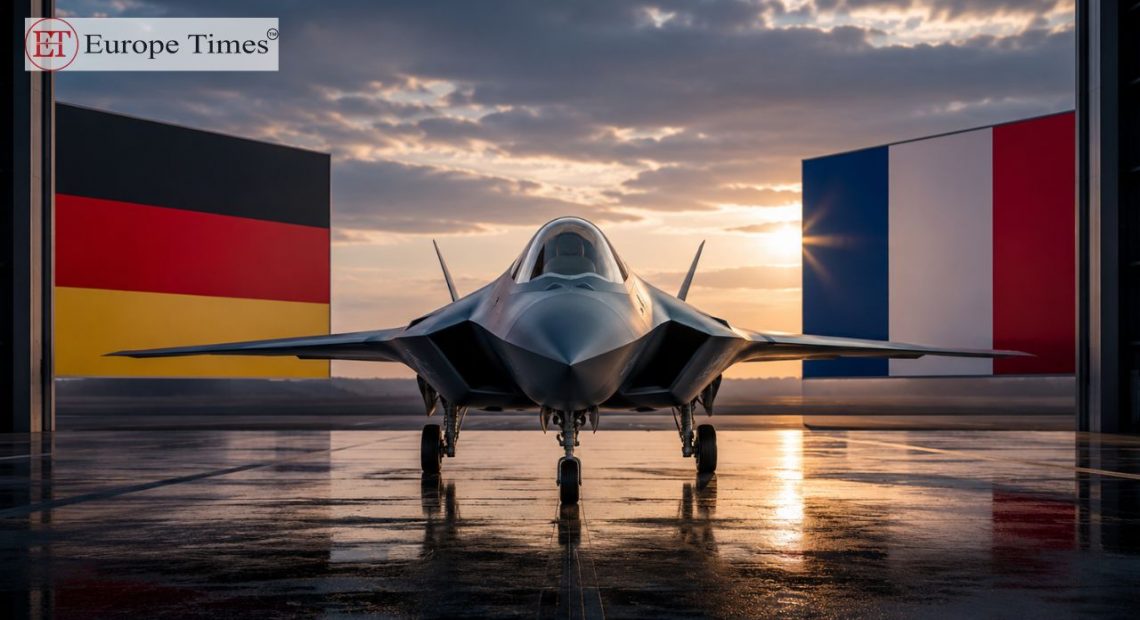
Germany has decided to withdraw from the joint Future Combat Air System (FCAS) fighter jet programme with France, bringing an end to one of Europe’s most ambitious defence collaborations. Launched in 2017 by former German Chancellor Angela Merkel and French President Emmanuel Macron, the project aimed to strengthen European defence capabilities and reduce reliance on external partners.

The programme faced years of disagreements between key industry partners, including Dassault Aviation and Airbus, over leadership, responsibilities, and aircraft design. France preferred a lighter carrier-capable fighter, while Germany sought a larger aircraft focused on air superiority, making it difficult to align their military requirements.

The decision comes amid growing European defence spending and changing security priorities following the war in Ukraine. German Chancellor Friedrich Merz had already questioned the long-term relevance of a costly manned fighter jet programme. While some FCAS components may continue, the cancellation highlights ongoing challenges in achieving deeper European defence integration.

Pic courtesy: google/ images are subject to copyright

featured News Trending

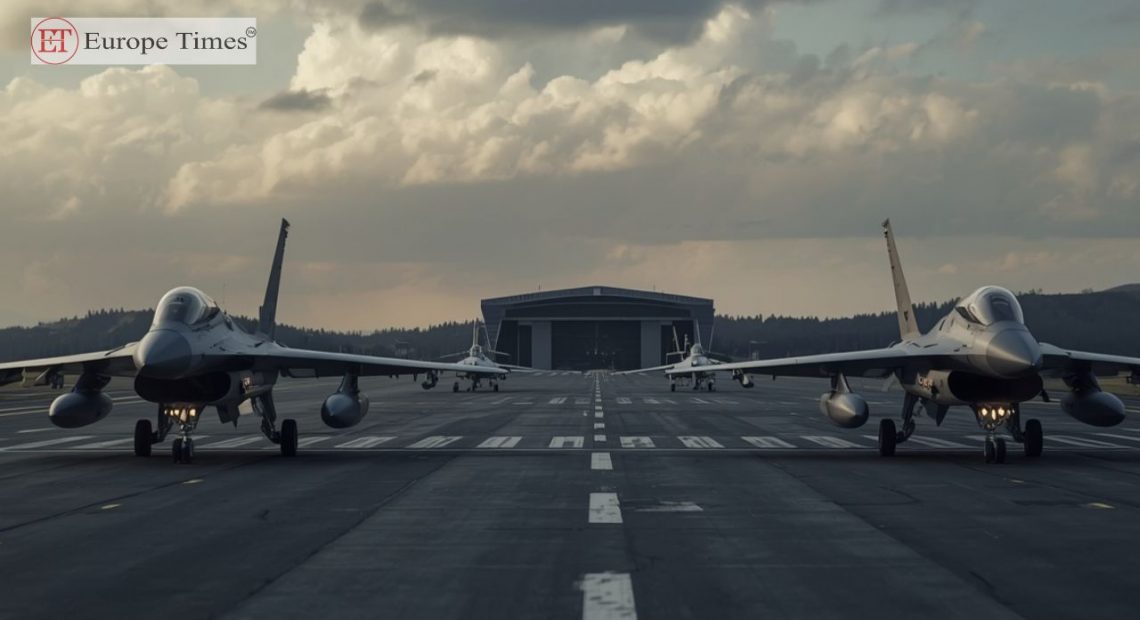
Germany and France have agreed to end their ambitious joint project to develop a next-generation fighter jet after years of disagreements between key industry partners. German Chancellor Friedrich Merz and French President Emmanuel Macron concluded that there was little chance of resolving the deadlock between Airbus and Dassault Aviation, leading to the decision to scrap the fighter aircraft component of the programme.

The project, launched in 2017 as part of the Future Combat Air System (FCAS), was intended to be Europe’s flagship defence initiative, combining advanced fighter jets, drones and secure combat networks. However, disputes over design requirements, intellectual property rights, project control and development responsibilities repeatedly stalled progress. The collapse comes as Europe faces growing security concerns and increasing pressure to strengthen its defence capabilities.

Despite ending the fighter jet programme, officials are reportedly exploring a compromise that would allow other FCAS elements, such as advanced combat communication systems, to continue under the same framework. While both countries reaffirmed their commitment to defence cooperation, the project’s failure highlights the challenges Europe faces in developing major joint military programmes.

Pic courtesy: google/ images are subject to copyright