featured News Trending

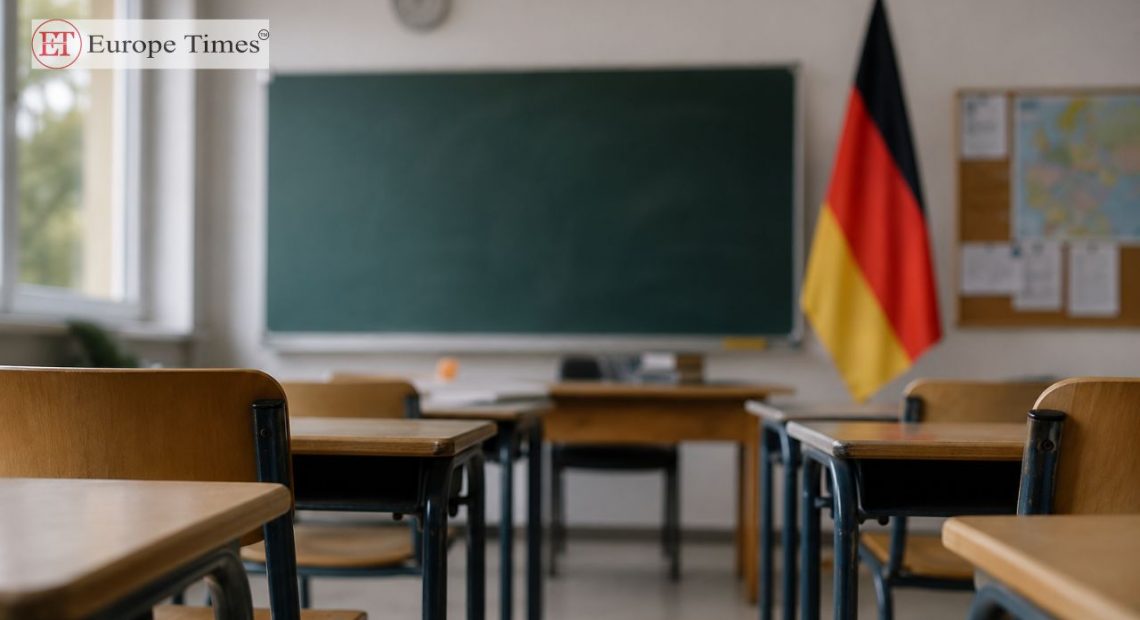
Schools in Germany’s eastern state of Saxony-Anhalt have become a major political flashpoint ahead of the September 6 regional election, where the far-right Alternative for Germany (AfD) is leading opinion polls. The debate intensified after teacher Max Heckel received a formal warning for telling a student he had not voted for the AfD, citing its classification as extremist by security authorities. Heckel says the incident has led to online abuse, threats, and vandalism, while raising concerns about freedom of discussion in classrooms.

The AfD argues that teachers must remain politically neutral and has pledged sweeping education reforms if it wins power in the state. Party leaders say schools should focus on traditional values, German history, and academic standards while removing what they describe as political influence and ideological teaching. The party also proposes reducing social support and integration programmes in schools as part of a broader overhaul of the education system.

Mainstream political parties and critics warn that the AfD’s plans could weaken democratic safeguards that have shaped Germany’s education system since World War II. They argue that limiting classroom discussions about extremism and the country’s history could undermine students’ understanding of democratic values. With the AfD polling close to 40% in Saxony-Anhalt, the election is expected to be a significant test of the party’s growing political influence in Germany.

Pic courtesy: google/ images are subject to copyright

featured News Trending

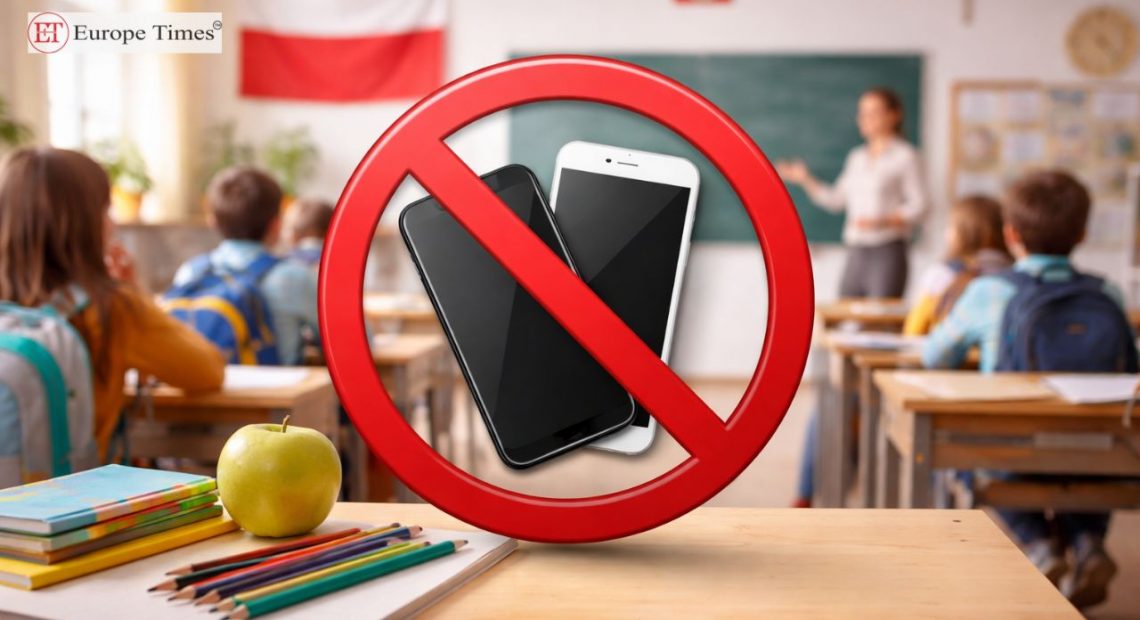
Poland plans to introduce a nationwide ban on mobile phone use for students under 16 in schools starting September 1, 2026, the country’s education minister said. The move is part of a broader legislative change aimed at improving classroom focus and reducing digital dependency among children aged 7 to 15 in primary education.

Education Minister Barbara Nowacka said the government is finalizing the law, stressing that phone use in schools “cannot be the norm” due to growing concerns over children’s reliance on the internet. The proposal also follows earlier discussions about restricting social media access for children under 15.

Poland joins countries like the Netherlands, South Korea, and Italy that have already imposed similar restrictions. These measures reflect a global trend to limit screen time and address its impact on students’ concentration, behavior, and overall well-being.

Pic courtesy: google/ images are subject to copyright