News Trending

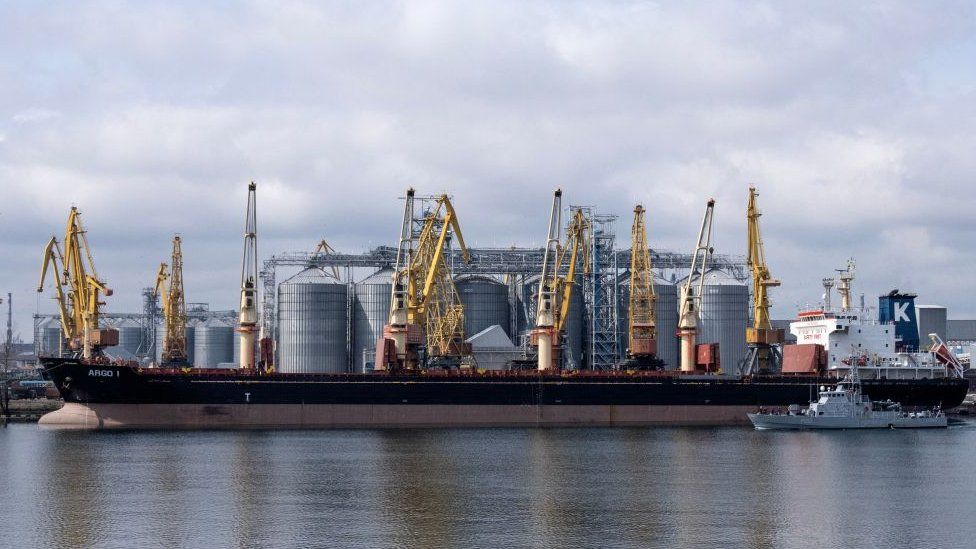
Russia has informed the United Nations, Turkey, and Ukraine that it will not extend a crucial grain deal that allowed Ukraine to export grain through the Black Sea. Kremlin spokesperson Dmitry Peskov stated that the agreements had effectively ended on Monday. The deal permitted cargo ships to pass through the Black Sea from the Ukrainian ports of Odesa, Chornomorsk, and Yuzhny/Pivdennyi. However, Russia stated that it would reconsider the agreement if certain conditions were met.

Russian President Vladimir Putin had previously expressed dissatisfaction with parts of the deal, claiming that the export of Russian food and fertilizers had not been fulfilled. He specifically mentioned that grain had not been supplied to poorer nations, which was a condition of the agreement. Russia also complained about Western sanctions limiting its agricultural exports and repeatedly threatened to withdraw from the deal.

On Monday, the Russian foreign ministry reiterated these concerns, accusing the West of “open sabotage” and prioritizing commercial interests over humanitarian goals. Turkish President Recep Tayyip Erdogan expressed his belief that Putin still wanted to continue the agreement and stated that they would discuss its renewal during their upcoming meeting.

The grain deal is significant because Ukraine is one of the world’s largest exporters of sunflower, maize, wheat, and barley. Following Russia’s invasion in February 2022, Ukrainian ports were blockaded, trapping 20 million tonnes of grain and causing a sharp increase in global food prices. The blockade also posed a threat to food supplies in Middle Eastern and African countries heavily reliant on Ukrainian grain.

Nikolay Gorbachev, the president of the Ukrainian Grain Association, mentioned that alternative methods of exporting grain had been identified, including through Danube River ports. However, he acknowledged that these ports would be less efficient, leading to reduced grain exports and increased transportation costs.

Western leaders swiftly criticized Russia’s decision, with EU Commission President Ursula von der Leyen condemning it as a “cynical move” and emphasizing the EU’s efforts to ensure food security for vulnerable populations.

Russia’s announcement coincided with Ukraine claiming responsibility for an attack on a bridge in Crimea that resulted in the deaths of two civilians. Peskov stated that Russia’s decision to let the deal expire was unrelated to the attack, as President Putin had already declared the position before the incident.

Picture Courtesy: Google/images are subject to copyright

News Trending

Russia’s lower house of parliament has passed a law that bans gender reassignment surgery and prevents individuals from changing their genders on state documents. The bill, which also needs approval from the upper house and President Vladimir Putin, was justified by the Speaker of the Duma, Vyacheslav Volodin, as a means to protect citizens and children and preserve traditional values.

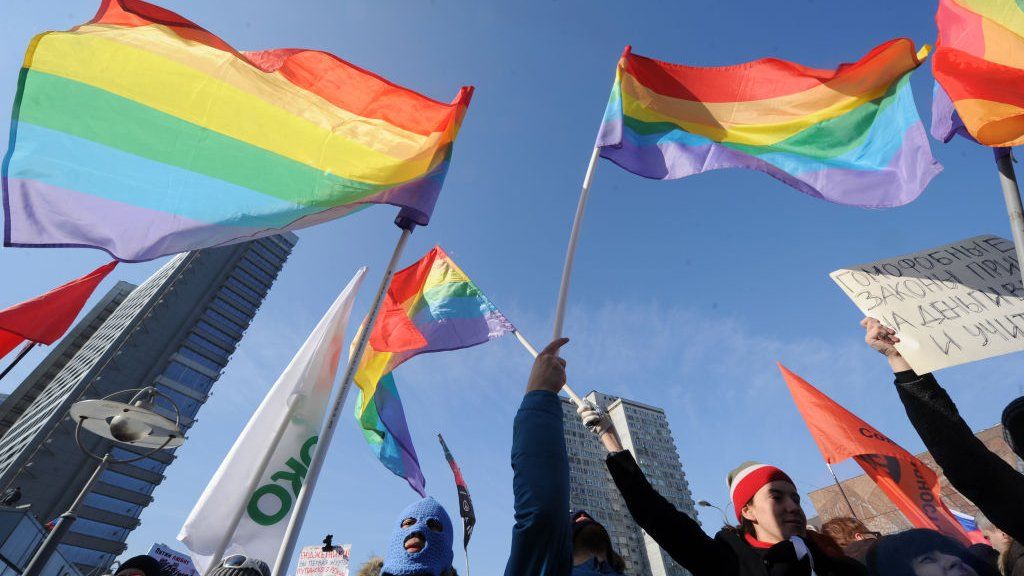
The legislation includes additional amendments such as prohibiting individuals who have undergone gender changes from adopting children and annulling marriages where one party has undergone gender reassignment. LGBT rights groups have criticized the law, stating that it will negatively impact the health and rights of transgender individuals.

Critics view the law as an infringement on basic human rights and an attempt to further discriminate against an already marginalized group. This law follows previous legislation passed last year that banned the public expression of LGBT culture and propaganda of non-traditional sexual relations. President Putin has expressed opposition to LGBT lifestyles, aligning with the Orthodox Church’s conservative social views.

Additionally, a transgender rights activist was recently arrested on charges of treason for supporting Ukraine, further raising concerns about human rights in the country.

Picture Courtesy: Google/images are subject to copyright