featured News Trending

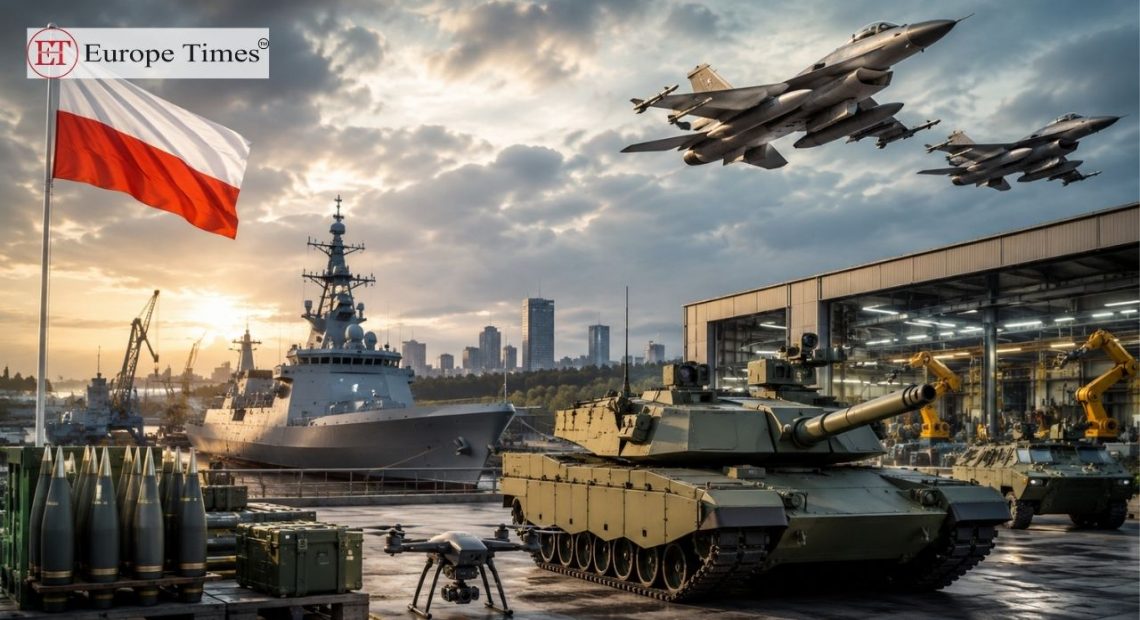
Poland is increasingly turning to domestic and Central European defence companies as it builds what officials describe as Europe’s largest army. Defence procurement from Polish and regional firms has nearly quadrupled since 2022, reaching 30.4 billion zlotys ($8.15 billion) last year. The shift is aimed at reducing reliance on distant suppliers and strengthening supply-chain security.
Poland is expected to spend about €53 billion on core defence this year, equivalent to around 4.7% of GDP. While major U.S.-made systems such as Patriot missile batteries, Abrams tanks and F-35 fighter jets remain important, Warsaw is prioritising greater local production of drones, ammunition and other frequently used equipment. The strategy reflects a wider European effort to rebuild defence manufacturing capacity following the war in Ukraine.

Companies from across Central Europe are responding to the opportunity. Czech defence group CSG has agreed to expand production in Poland, including projects involving drones, missiles, ammunition and armoured vehicles, while other firms are developing ammunition and air-defence manufacturing facilities. Poland’s armed forces have surpassed 220,000 personnel, and officials say foreign companies seeking access to the Polish market will increasingly be expected to invest locally, transfer technology and participate in joint projects.

Pic courtesy: google/ images are subject to copyright

featured News Trending

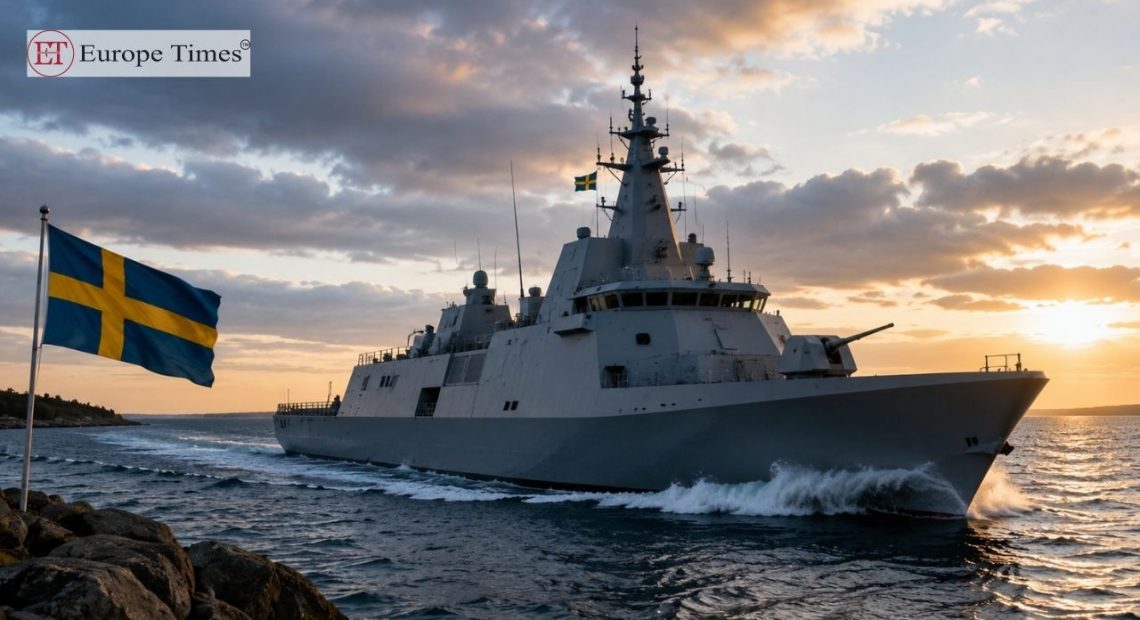
Sweden has signed an order for four frigates from French defence company Naval Group, in a deal aimed at strengthening the country’s military capabilities. The agreement was signed in Stockholm in the presence of French President Emmanuel Macron and Swedish Prime Minister Ulf Kristersson.

Sweden has accelerated defence spending since Russia’s invasion of Ukraine in 2022, which led the country to abandon its longstanding policy of military neutrality. European nations have also been boosting defence budgets amid growing concerns over security and uncertainty about the level of future U.S. support.

The deal, announced in May at a value of around $4 billion, is expected to triple Sweden’s air-defence capacity. The four frigates will be the largest ships in the Swedish Navy, with the first vessel scheduled for delivery in 2030. Macron said the agreement would strengthen Europe’s defence industry and its ability to take greater responsibility for regional security.

Pic courtesy: google/ images are subject to copyright

featured News Trending

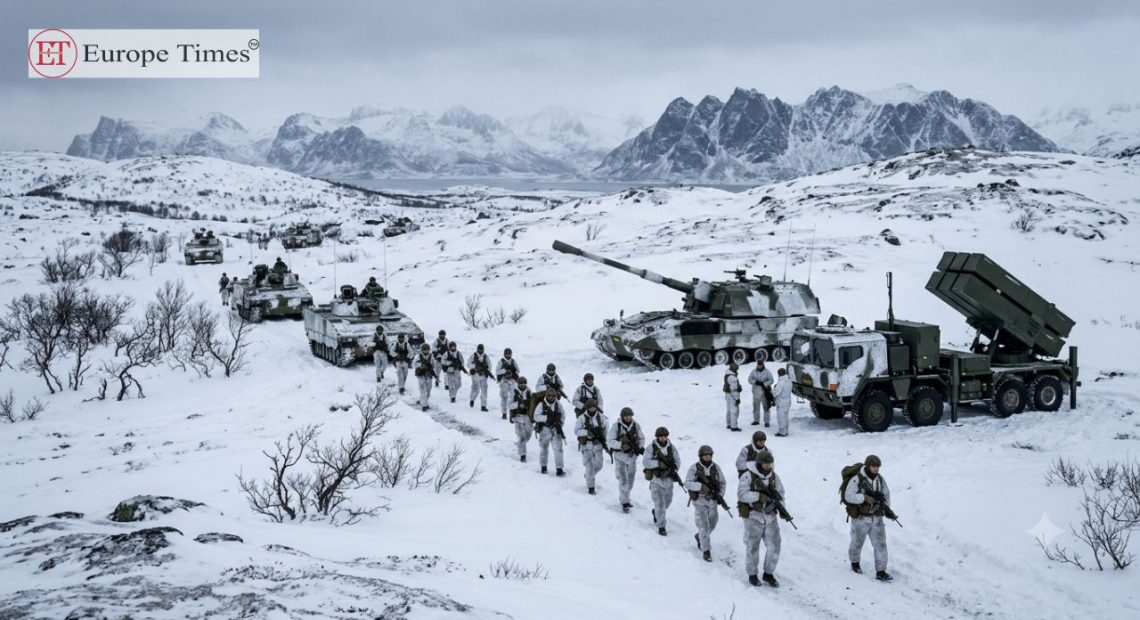
Norway expanded its Finnmark Brigade on Thursday as the NATO member strengthens its military presence in the Arctic following Russia’s invasion of Ukraine. The brigade, established last year as Norway’s second military brigade and the first created since the end of the Cold War, is headquartered in the country’s northern Arctic region.

The expansion adds an artillery battalion, an air defence battery and a communications company to the brigade. These capabilities will allow Norwegian forces to strike targets on land at longer distances and coordinate operations with Norwegian and NATO aircraft and naval forces. The brigade has also been responsible for monitoring and patrolling Norway’s 198-km border with Russia.

Norway has significantly increased defence spending in recent years, with NATO estimating that military expenditure will reach 3.17% of GDP in 2026, compared with 1.5% in 2014. Norwegian officials say the strengthened Arctic presence is intended to improve the country’s ability to respond to threats against Norway and NATO, while Russia has previously rejected claims that it poses a threat to the alliance.

Pic courtesy: google/ images are subject to copyright

featured News Trending

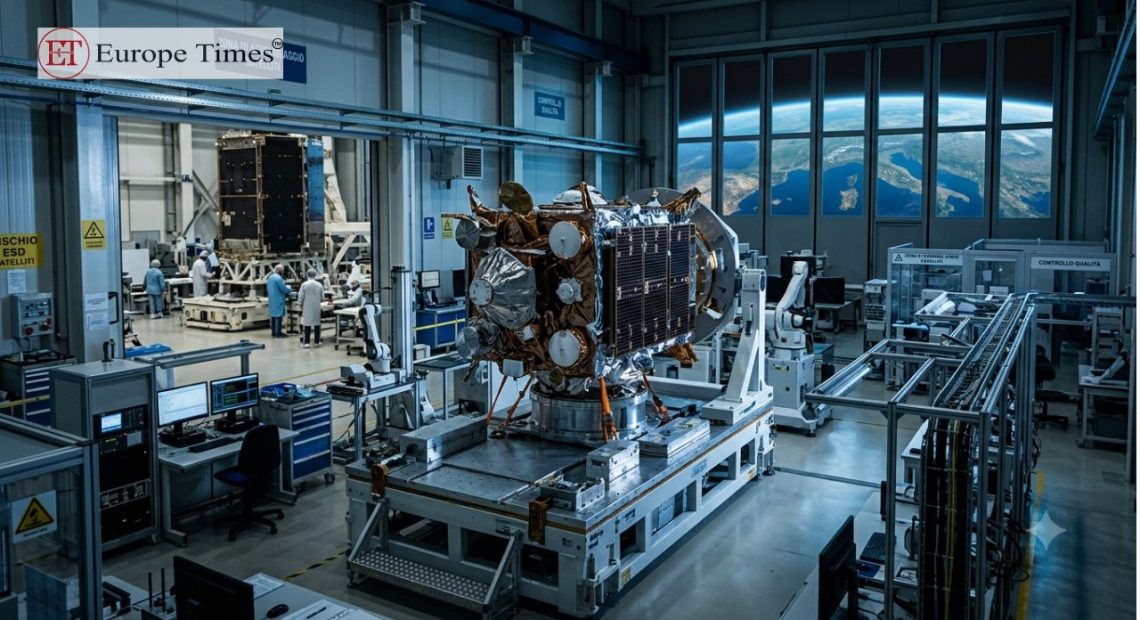
As Europe accelerates efforts to strengthen its strategic autonomy in defence and critical technologies, Italy’s space industry is facing mounting pressure to scale up. Historically defined by small and medium-sized enterprises (SMEs) with niche engineering expertise, the sector is struggling to meet evolving customer demands. Major defence buyers like Leonardo, alongside commercial clients, are increasingly favoring larger suppliers that can offer vertical integration, broad production capacity, and end-to-end industrial solutions rather than standalone components or engineering know-how.

The push for scale is driven by the growing importance of dual-use (civilian and military) technologies, competition from heavily capitalized global players like SpaceX, and broader geopolitical shifts. However, Italian executives point to limited access to private capital and fragmented European funding as significant barriers to growth. To overcome these hurdles, public and private initiatives are stepping in—such as a joint financing program by Intesa Sanpaolo, the European Investment Bank, and the European Space Agency aimed at providing up to €300 million to space SMEs, as well as an estimated €7.8 billion in total national sector investments expected by 2028.

To build competitiveness quickly without sacrificing specialized innovation, leading Italian space firms are turning to mergers and acquisitions. Companies like Officina Stellare and D-Orbit are actively acquiring complementary tech and production specialists to expand their capabilities and secure larger government and defence contracts. Industry leaders emphasize that the key challenge moving forward is securing the necessary scale and capital before foreign competitors outpace or acquire them.

Pic courtesy: google/ images are subject to copyright

featured News Trending

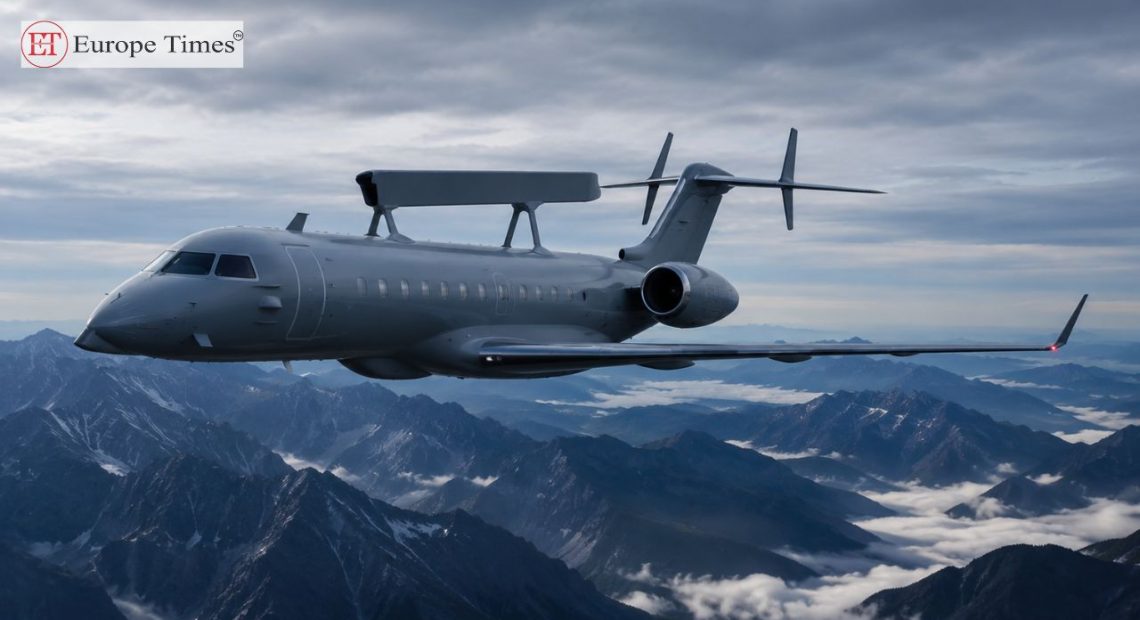
NATO has announced plans to acquire up to 10 Saab GlobalEye airborne early-warning and surveillance aircraft in a deal valued at approximately $4.5 billion, choosing the Swedish system over Boeing’s competing E-7 Wedgetail. The new fleet will replace the alliance’s ageing AWACS aircraft and strengthen NATO’s surveillance and early-warning capabilities against modern threats, including drone swarms and evolving battlefield challenges.

NATO Secretary-General Mark Rutte said the GlobalEye platform, built on Bombardier Global 6500 business jets, represents a multinational programme involving European, Canadian, and U.S. industries. Saab said deliveries could begin as early as 2030 if negotiations are completed soon, with each aircraft expected to cost between $400 million and $450 million. The alliance is now entering formal contract negotiations with the Swedish defence company.

The decision comes as NATO members continue increasing defence spending amid heightened security concerns in Europe. While the initial GlobalEye aircraft will not include air-to-air refuelling capability, officials expect that feature to be added in future upgrades. The announcement boosted Saab’s shares, while reinforcing NATO’s long-term strategy to modernize its airborne surveillance fleet.

Pic courtesy: google/ images are subject to copyright

featured News Trending

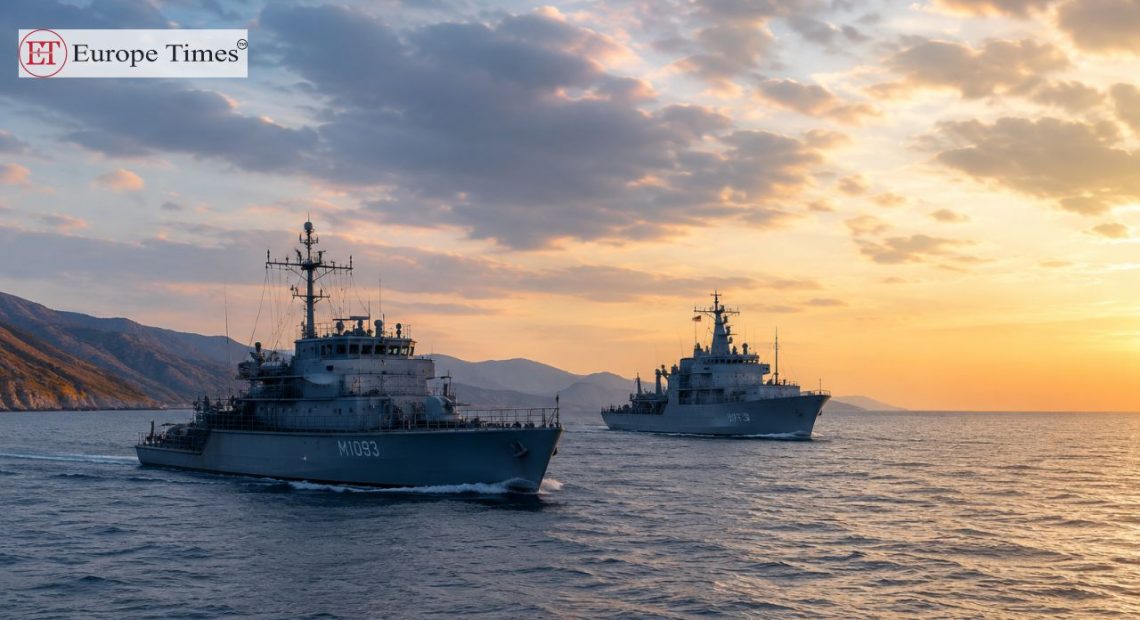
Germany has deployed two naval vessels, the minesweeper Fulda and support ship Mosel, toward the Red Sea as preparations begin for a potential international mission to secure the Strait of Hormuz. The move comes after the recent U.S.-Iran peace agreement, with concerns remaining over mines that could threaten shipping routes and energy supplies.

German Defence Minister Boris Pistorius said any minesweeping operation would require approval from Iran and Oman and would depend on progress in diplomatic talks. Germany is also sending underwater drones, mine divers, and vessel protection teams to support potential de-mining efforts.

France and the UK are advocating for a multinational naval mission, while shipping and insurance industry leaders warn that mine threats continue to hinder the full resumption of maritime trade. Industry experts say establishing safe, mine-free routes will be essential before shipping traffic can return to normal levels.

Pic courtesy: google/ images are subject to copyright

featured News Trending

The United Kingdom is set to begin talks to join the European Union’s £78 billion ($105.9 billion) loan programme for Ukraine, signalling closer defence and financial cooperation. Prime Minister Keir Starmer is expected to announce the move at the European Political Community summit in Yerevan, highlighting Britain’s intent to support Ukraine with critical military resources.

The EU-backed loan, approved last month, aims to cover a significant portion of Ukraine’s financial and defence needs over the next two years, with a large share directed toward military spending amid its ongoing war with Russia. The UK government said participation could also open opportunities for British defence firms to contribute to Ukraine’s urgent requirements.

Alongside the funding initiative, Britain plans to introduce further sanctions targeting Russian companies to disrupt military supply chains. The move reflects growing European efforts to strengthen defence cooperation, particularly as the United States urges allies to take greater responsibility for regional security, pushing the UK and EU toward deeper strategic alignment post-Brexit.

Pic courtesy: google/ images are subject to copyright

featured News Trending

Al Carns has said Ukraine could play a significant role in securing the strategically vital Strait of Hormuz, highlighting Kyiv’s advanced drone capabilities developed during its ongoing war. The UK has been leading talks with over 30 nations to address disruptions caused by tensions involving Iran, which have impacted global oil supplies.

Volodymyr Zelenskyy confirmed that Ukraine has already contributed expertise to international consultations and deployed more than 200 specialists to the Middle East. These teams have reportedly helped counter long-range drone threats, showcasing Ukraine’s battlefield innovations. Carns emphasized that such capabilities could be valuable not just regionally but also in safeguarding key global shipping routes.

While reaffirming that Ukraine remains a top defence priority for the UK and its allies, Carns urged Kyiv to expand exports of its military technology to capitalize on rising global demand. He noted that Ukraine’s advancements in drones, AI, and data-driven warfare represent a major shift in modern combat, though delays in export approvals could risk losing momentum as other nations begin catching up.

Pic courtesy: google/ images are subject to copyright

featured News Trending

Greenland’s Prime Minister Jens-Frederik Nielsen has strongly rejected U.S. President Donald Trump’s remarks describing Greenland as a “big, poorly run piece of ice,” calling the comments disrespectful and emphasizing the island’s sovereignty and global responsibility. Nielsen said Greenland is a proud nation of 57,000 people that respects international law and works closely with global allies, urging NATO members to stand together to protect the international order.

The comments came after Trump criticized NATO’s role in the Iran war and revived tensions over Greenland, which the U.S. has previously expressed interest in controlling due to its strategic Arctic location. Earlier this year, European nations including Germany and France sent troops to Greenland in a show of solidarity after concerns that the U.S. might consider military action, before diplomatic talks shifted the issue to negotiations.

Despite ongoing discussions between Greenland, Denmark, and the United States on defence cooperation, Nielsen warned that Trump’s ambitions regarding the island remain a concern. He stressed that Greenland supports dialogue and cooperation but remains cautious, noting that existing agreements already allow U.S. military presence on the island while maintaining Greenland’s autonomy and sovereignty.

Pic courtesy: google/ images are subject to copyright

featured News Trending

Denmark and NATO have agreed on the need to enhance security in the Arctic following renewed tensions linked to U.S. President Donald Trump’s comments about Greenland, Danish Prime Minister Mette Frederiksen said on Friday. After talks with NATO Secretary General Mark Rutte, Frederiksen stressed that defence and security in the Arctic are concerns for the entire alliance, not just countries in the region. Denmark and Greenland have firmly stated that Greenland’s sovereignty is not open for discussion, while remaining willing to engage in dialogue on other issues.

Trump said on Thursday that he had secured permanent U.S. access to Greenland following discussions with Rutte, comments that heightened attention on the strategic Arctic region. Rutte later noted that NATO allies would need to intensify efforts to counter growing challenges from Russia and China in the high north. Frederiksen echoed this view, saying NATO must increase its engagement, and Rutte confirmed he was working closely with Denmark to strengthen deterrence and defence measures.

Pic courtesy: google/ images are subject to copyright