featured News Trending

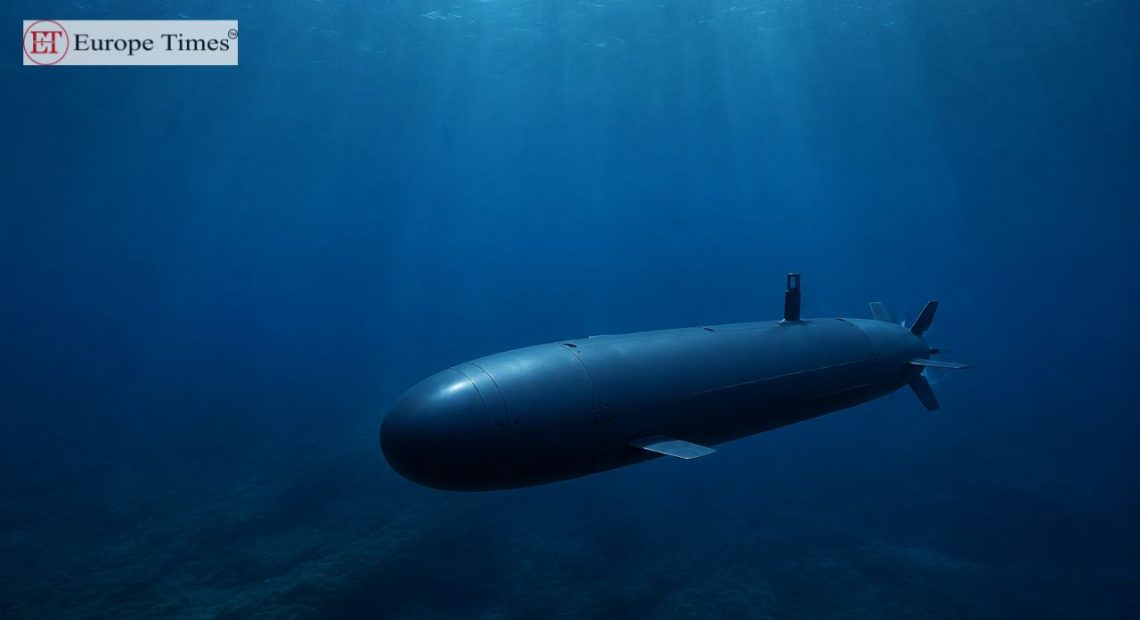
The United States, United Kingdom, and Australia have announced a joint programme to develop advanced unmanned undersea vehicles (UUVs) under the AUKUS security partnership, with deliveries expected to begin in 2027. The announcement was made during a defence ministers’ meeting in Singapore, where officials highlighted the project as a major step in strengthening maritime security and military cooperation.

According to a joint statement, the new undersea drones will enhance reconnaissance, surveillance, and strike capabilities while supporting anti-submarine warfare, mine countermeasures, electronic warfare, and operations in contested maritime environments. The initiative falls under AUKUS Pillar Two, which focuses on cutting-edge technologies such as artificial intelligence, cyber systems, quantum computing, hypersonics, and advanced undersea capabilities.

Defence leaders from all three nations said the programme will help protect critical underwater infrastructure, including communication cables and pipelines, while improving their ability to respond to emerging threats. Formed in 2021, AUKUS is widely seen as part of efforts to counter growing strategic challenges in the Indo-Pacific region. China has repeatedly criticised the pact, warning that it could increase regional tensions and fuel an arms race.

Pic courtesy: google/ images are subject to copyright

featured News Trending

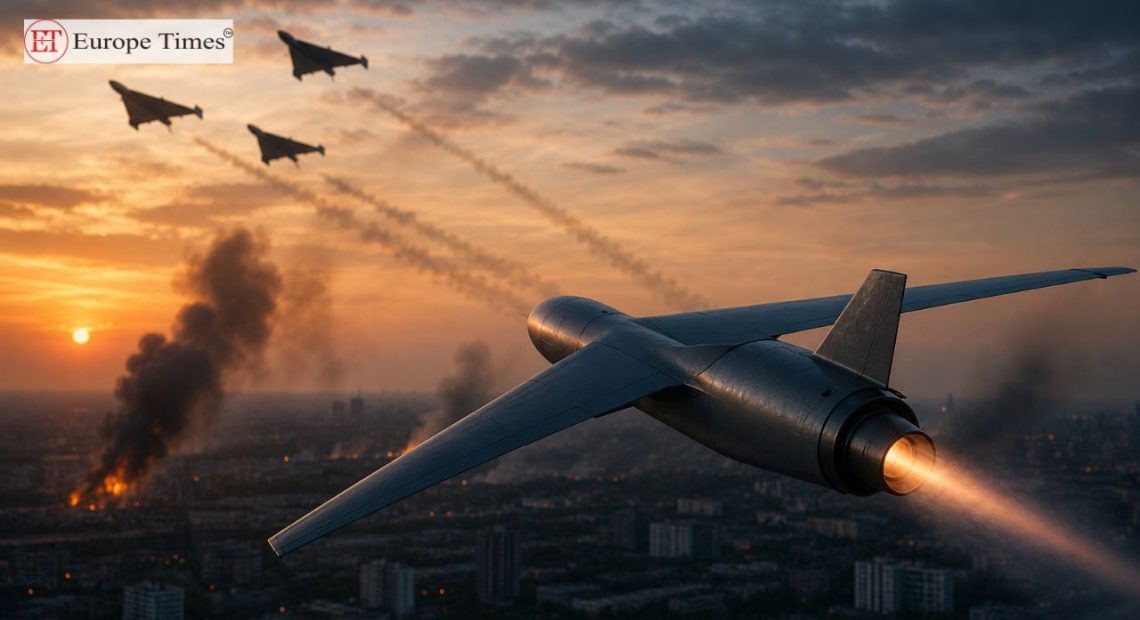
The war in Ukraine is rapidly evolving into a high-tech battlefield, with armed robots playing a growing role in combat operations. Uncrewed ground vehicles (UGVs) are now being deployed by Ukrainian forces to carry out risky tasks such as attacking enemy positions, defending front lines, and even capturing opposing soldiers. Military officials say these robotic systems help reduce risks to human troops in increasingly dangerous combat zones.

Some Ukrainian UGVs are equipped with machine guns, grenade launchers, or explosives and are used in ambushes or kamikaze-style missions against enemy positions. Unlike aerial drones, these ground robots can move quietly across the battlefield, making them difficult to detect. Despite their advanced capabilities, commanders say the final decision to fire remains with human operators controlling the machines remotely to avoid mistakes and protect civilians.

Both Ukraine and Russia are expanding the use of robotic combat systems as the war continues. Ukrainian manufacturers have significantly increased production, with thousands of UGVs already deployed and demand expected to surge further. Experts say future battles could involve swarms of coordinated drones and robots operating across land, air and sea, marking a major shift in the way wars are fought.

Pic courtesy: google/ images are subject to copyright

featured News Trending

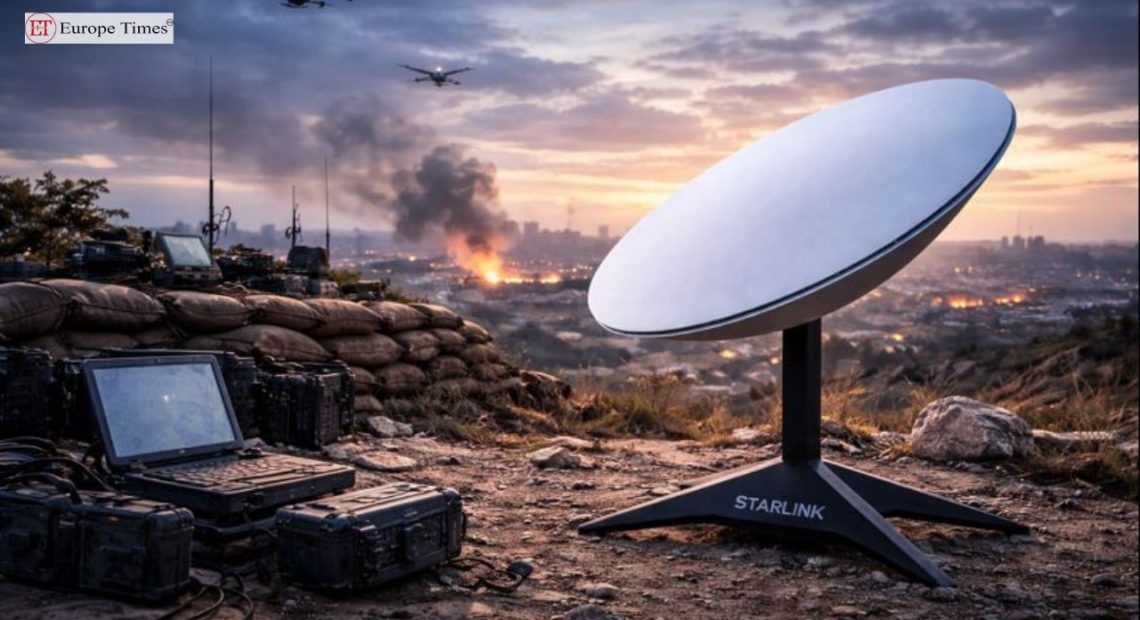
Elon Musk said on Sunday that steps taken by SpaceX to prevent Russia from using its Starlink satellite internet system without authorization appear to have been effective. His comments came after Ukraine reported finding Starlink terminals on long-range drones used in recent Russian attacks, raising concerns over misuse of the technology in the conflict.

Ukraine’s military relies heavily on Starlink for battlefield communications and for operating certain drone missions. Kyiv said it is working closely with SpaceX to stop any Russian access to the system. Posting on X, Musk said the measures introduced by the company had worked so far and added that SpaceX would take further action if needed.

Ukrainian Defence Minister Mykhailo Fedorov said authorities are now developing a system that would allow only authorised Starlink terminals to function within Ukraine. He said initial steps had already delivered quick results in countering Russian drone operations. SpaceX has previously said it does not sell or ship Starlink to Russia and does not conduct any business with the Russian government or military.

Pic courtesy: google/ images are subject to copyright