featured News Trending

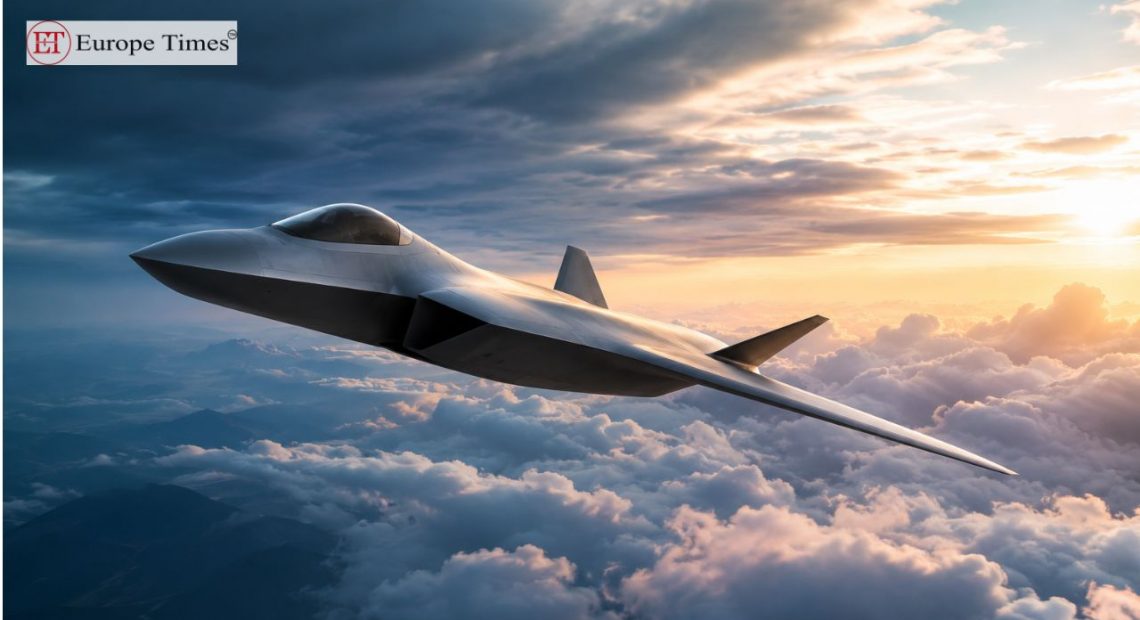
Germany has decided to withdraw from the joint Future Combat Air System (FCAS) fighter jet programme with France, bringing an end to one of Europe’s most ambitious defence collaborations. Launched in 2017 by former German Chancellor Angela Merkel and French President Emmanuel Macron, the project aimed to strengthen European defence capabilities and reduce reliance on external partners.

The programme faced years of disagreements between key industry partners, including Dassault Aviation and Airbus, over leadership, responsibilities, and aircraft design. France preferred a lighter carrier-capable fighter, while Germany sought a larger aircraft focused on air superiority, making it difficult to align their military requirements.

The decision comes amid growing European defence spending and changing security priorities following the war in Ukraine. German Chancellor Friedrich Merz had already questioned the long-term relevance of a costly manned fighter jet programme. While some FCAS components may continue, the cancellation highlights ongoing challenges in achieving deeper European defence integration.

Pic courtesy: google/ images are subject to copyright

featured News Trending

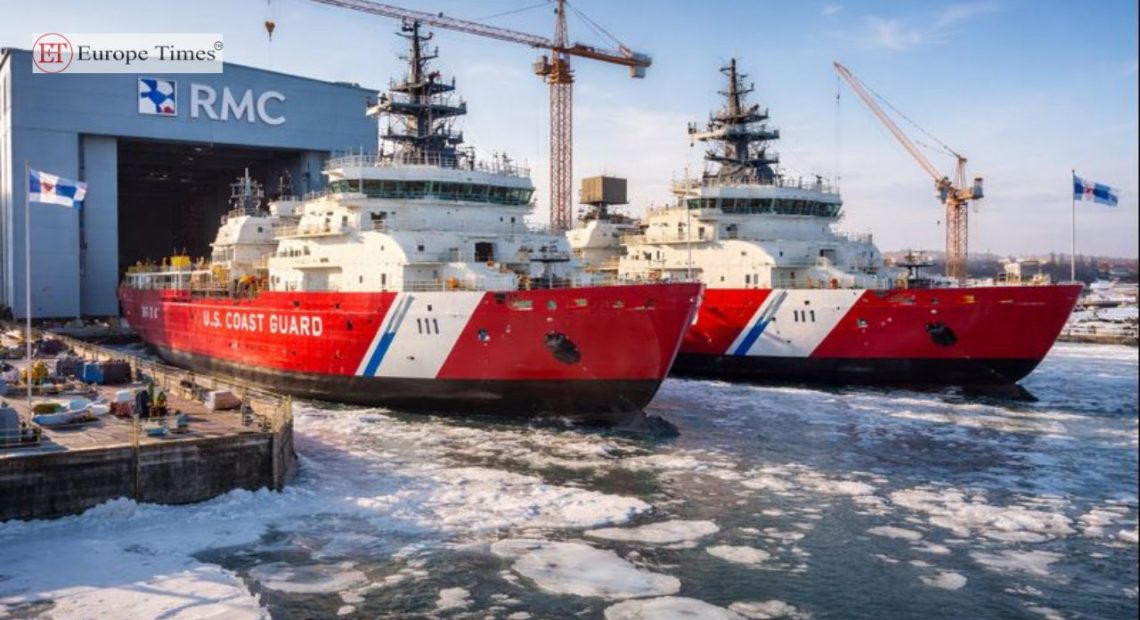
Finland’s Rauma Marine Constructions (RMC) has signed an agreement to build two icebreaker ships for the United States Coast Guard, with delivery scheduled for 2028. The deal comes as the US looks to strengthen its national security presence in the Arctic, where strategic competition has been intensifying. The vessels will be built at Finnish shipyards, known globally for their expertise in ice-capable ships.

These icebreakers are the first to be developed under a memorandum of understanding signed in October by US President Donald Trump and Finnish President Alexander Stubb. Under the agreement, Finland will construct four medium-sized Arctic Security Cutters, while the US plans to build up to seven additional vessels domestically, using Finnish technology and know-how. While RMC did not disclose the value of the two-ship contract, US officials estimate the total cost of procuring 11 icebreakers at around $6.1 billion.

RMC CEO Mika Nieminen described the deal as a historic milestone, highlighting the company’s ability to deliver vessels quickly and cost-effectively. The move addresses a growing capability gap, as the US Coast Guard currently operates just two polar icebreakers compared to Russia’s fleet of around 40. Finnish officials welcomed the agreement, calling it a major boost for Finland’s maritime industry and a recognition of the country’s leadership in icebreaker construction.

Pic courtesy: google/ images are subject to copyright