European waters recorded their hottest summer months since satellite observations began in 1982, with average sea-surface temperatures reaching 21.6°C between June and August. Record temperatures were reported from the English Channel to the Mediterranean, while waters near Mallorca reached 33.02°C on August 5, the highest recorded by Spain’s port authority buoy network.
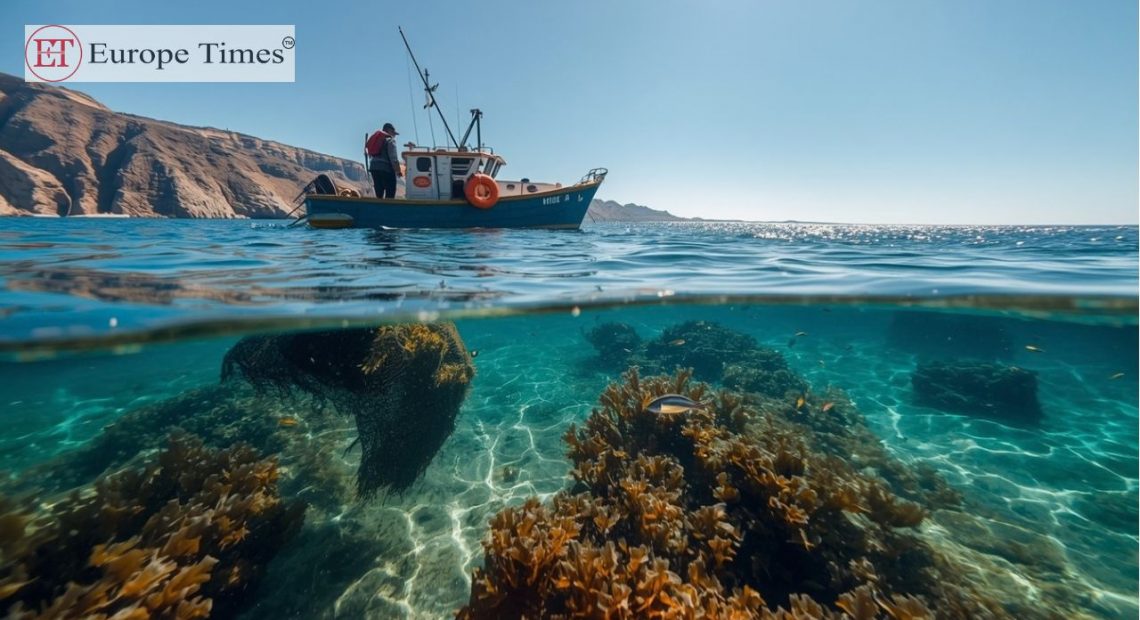
The warming is rapidly altering marine ecosystems, particularly in the Bay of Biscay, where summer temperatures averaged more than 2.4°C above the 1991-2020 average. Scientists say around 95% of large kelp forests along parts of northern Spain have disappeared, affecting species including lobster, crayfish and sea urchins. Fishermen and researchers are attempting to restore damaged kelp forests by planting laboratory-grown seedlings.
Warmer waters are also allowing species such as octopus to expand into northern European waters. In southern England, octopus landings have risen from less than 30 tonnes annually before 2025 to more than 3,000 tonnes so far this year. While some fishermen have benefited by switching to octopus, others report sharp declines in crabs, lobsters and scallops, highlighting the unpredictable economic impact of rapidly changing marine ecosystems.
Pic courtesy: google/ images are subject to copyright