featured News Trending

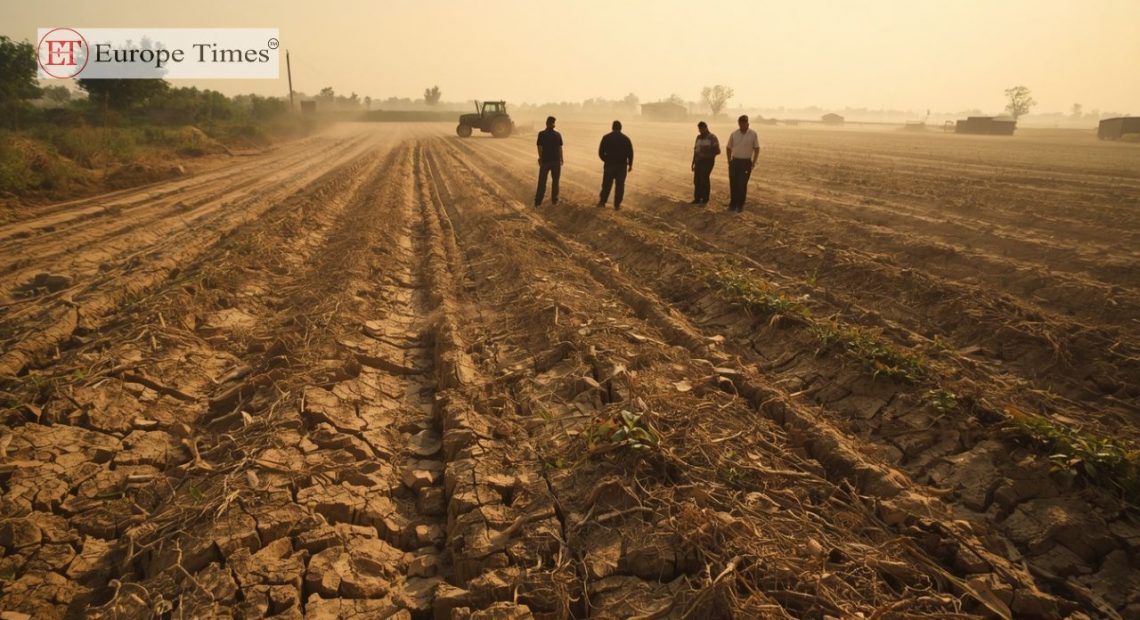
France has announced more than €1 billion in financial support for farmers affected by record heatwaves and droughts this summer. Agriculture Minister Annie Genevard said the package is a major effort given the country’s tight budget situation, with €520 million to be distributed through rapid payments to help cover weather-related losses.

France’s main farmers’ union, FNSEA, estimates farmers have already suffered at least €10 billion in lost production, with both livestock and crop sectors reporting losses of more than €5 billion each. Around 30,000 to 35,000 farms are facing financial difficulties, prompting the government to prioritise immediate assistance.
The package also includes a €235 million recovery fund to help farmers purchase seeds, crops and animal feed after drought damaged farmland and water supplies. Additional measures include land-tax relief, social-security payment support and fuel subsidies. The finance ministry estimates the extreme weather could reduce France’s economic growth by 0.1 percentage points this year, while another heatwave is expected this week.

featured News Trending

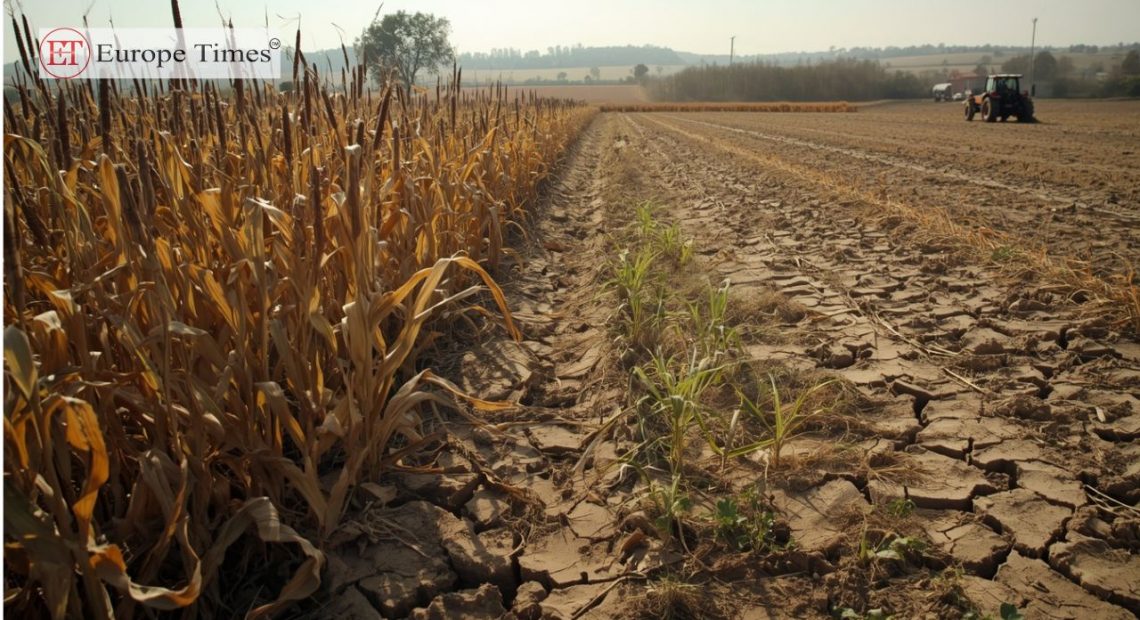
Climate change is putting increasing pressure on maize production across central and eastern Europe, with repeated droughts, heatwaves and water shortages reducing crop yields. The impact is particularly severe in Hungary and Romania, where maize acreage has fallen sharply. Hungary, once a major exporter, is expected to import maize this year, while Romania’s exportable surplus has declined.

The European Union’s maize harvest is forecast at 50.1 million metric tons in 2026, nearly a two-decade low and around 20% below the average of the past three years. Romania’s crop is expected to reach about 8 million tons, while Hungary’s harvest could fall to just 2.5 million tons. EU maize imports are projected to rise by 8% to 9% in 2026/27 as domestic production weakens.

Farmers are increasingly changing how they operate to cope with the changing climate. Some are switching from maize to crops such as sunflowers that require less water, while others are investing in irrigation. However, declining water availability is making even irrigation difficult. Farmers warn that without reliable water supplies, continued maize cultivation could become increasingly unviable, raising concerns for Europe’s food security and agricultural livelihoods.

Pic courtesy: google/ images are subject to copyright

News Trending

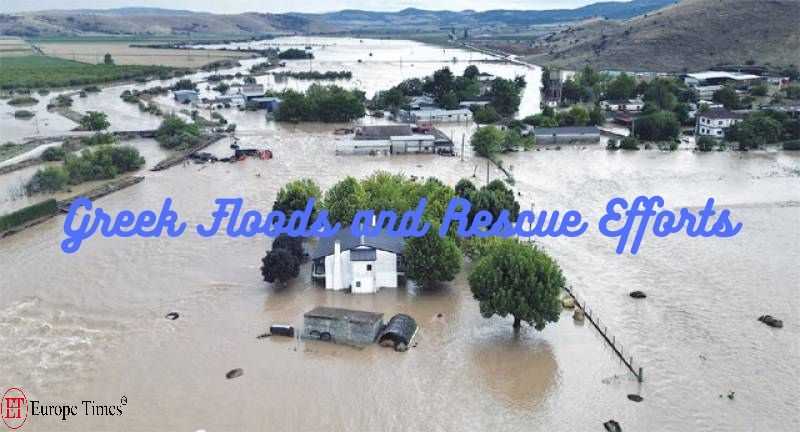
In central Greece, rescue efforts are underway to reach hundreds of individuals stranded by severe floods, resulting in 10 casualties.

Prime Minister Kyriakos Mitsotakis has emphasized the significant challenge Greeks are facing in their battle against the forces of nature.

Following days of heavy rainfall, rivers have overflowed, leading to the submersion of villages and the destruction of homes and bridges.

Residents in the vicinity of Palamas and Karditsa have issued appeals for essential supplies such as food and water.

The plains of Thessaly, after enduring weeks of scorching temperatures and wildfires, have been inundated by a three-day-long storm.

Within a 24-hour period, an astonishing 800mm (31.5 inches) of rain poured down, surpassing the region’s average annual rainfall.

Larissa, a major city with 150,000 inhabitants, is now under threat as the River Pineios has breached its banks in certain suburbs. This city is not only significant in size but also serves as the agricultural hub for the entire country, with nearly a quarter of this year’s crop production being lost.

Satellite imagery has revealed extensive flooding across approximately 73,000 square meters of land in Thessaly.

Many residents in the region are expressing anger towards the Greek authorities, alleging that climate change is being used as an excuse for subpar construction projects. For instance, a bridge that collapsed three years ago due to a cyclone was subsequently rebuilt and is now completely destroyed again, symbolizing government failures for many Greeks.

The city of Larissa has been transformed beyond recognition, with numerous impassable roads, flooded houses at lower elevations, and extensive infrastructure damage caused by the storm’s fury.

The devastation is further compounded by the remnants of the wildfires that Greece has battled throughout the summer, resulting in burnt trees and scorched land.

Xenia, a long-time resident, tearfully watches her home from a distance, which is now mostly submerged. She contemplates the possibility of never returning to her beloved home and having to rent an affordable apartment with her modest salary.

The death toll has climbed to 10, with at least four individuals reported missing, raising concerns that the number may rise as rescuers gain access to more flooded areas.

During visits to the hardest-hit regions, Prime Minister Mitsotakis described the situation as an unprecedented natural phenomenon. He pledged to expedite compensation for those whose homes had been destroyed or damaged.

Although the rain has mostly ceased, floodwaters in certain areas remain at depths exceeding 2 meters (6.5 feet). The coastal city of Volos has been without clean drinking water for four days, prompting residents to collect water from various sources.

The Greek fire brigade has conducted over 1,800 rescues across Greece since Tuesday and continues to search for missing individuals, including an Austrian couple swept away with their honeymoon cabin.

These floods come on the heels of Greece’s hottest summer on record and extensive wildfires in the northern part of the country. Scientists attribute the increasing frequency and severity of such extreme weather events to climate change.

Picture Courtesy: Google/images are subject to copyright