featured News Trending

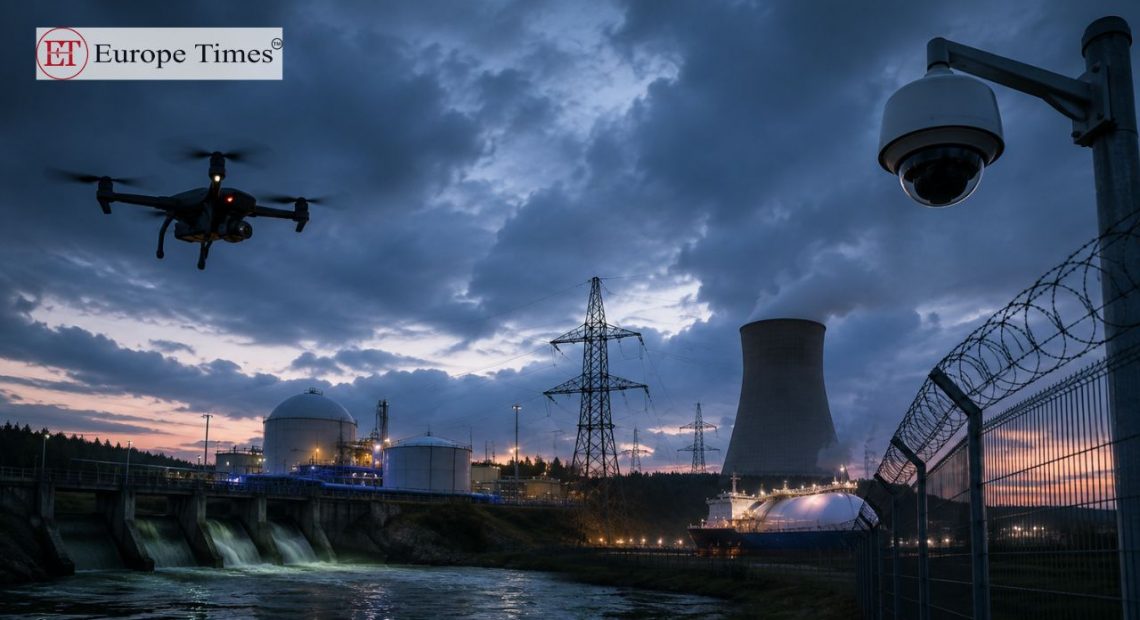
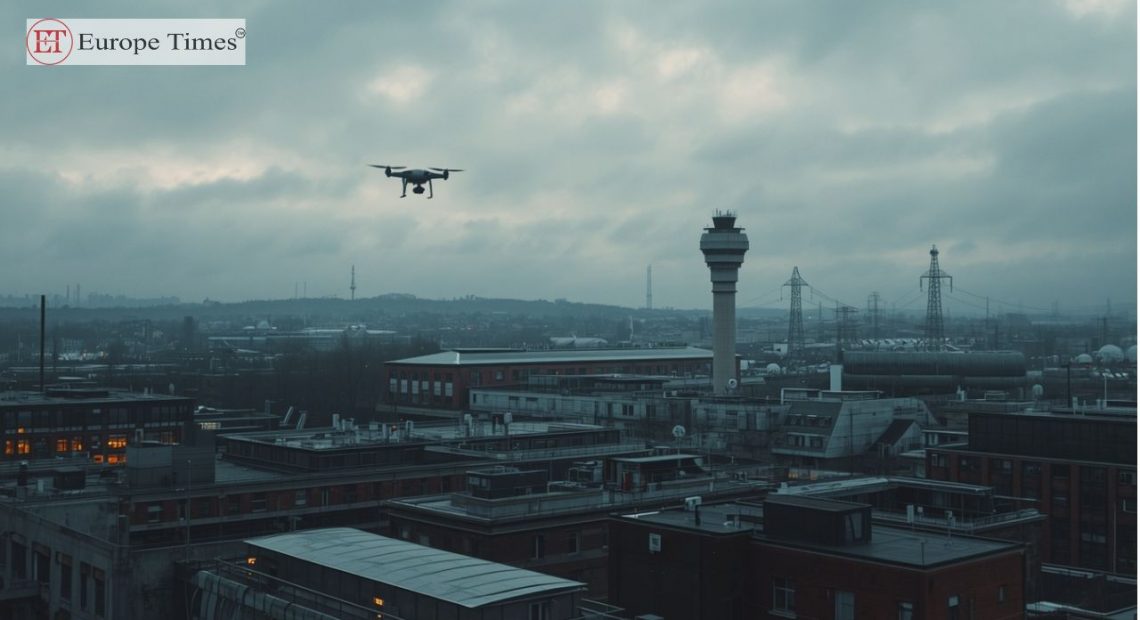
Poland and the Baltic states are strengthening security around critical infrastructure amid concerns that Russia could stage a false-flag attack using Ukrainian-made drones. Lithuania, Latvia, Estonia and Poland have increased protection around power plants, gas facilities, dams and other strategic sites, as officials warn of potential sabotage aimed at testing NATO’s response.

Lithuania has deployed military personnel to help protect key energy facilities, including its liquefied natural gas terminal, oil products terminal, a major power link with Poland and the Kruonis pumped-storage plant. Latvia has also stepped up security around critical infrastructure, including a major dam near Riga and an underground gas storage facility. Poland is reviewing alternative gas supply routes and increasing protection around energy infrastructure and its planned first nuclear power plant.

Regional officials said intelligence assessments have raised concerns that a potential attack could create political confusion within NATO over how to respond. Russia has rejected the allegations, describing warnings of secret Russian attacks as “scare stories” and accusing Western countries of making claims without evidence. Officials across the region say they are maintaining heightened vigilance as tensions with Moscow remain high.

featured News Trending

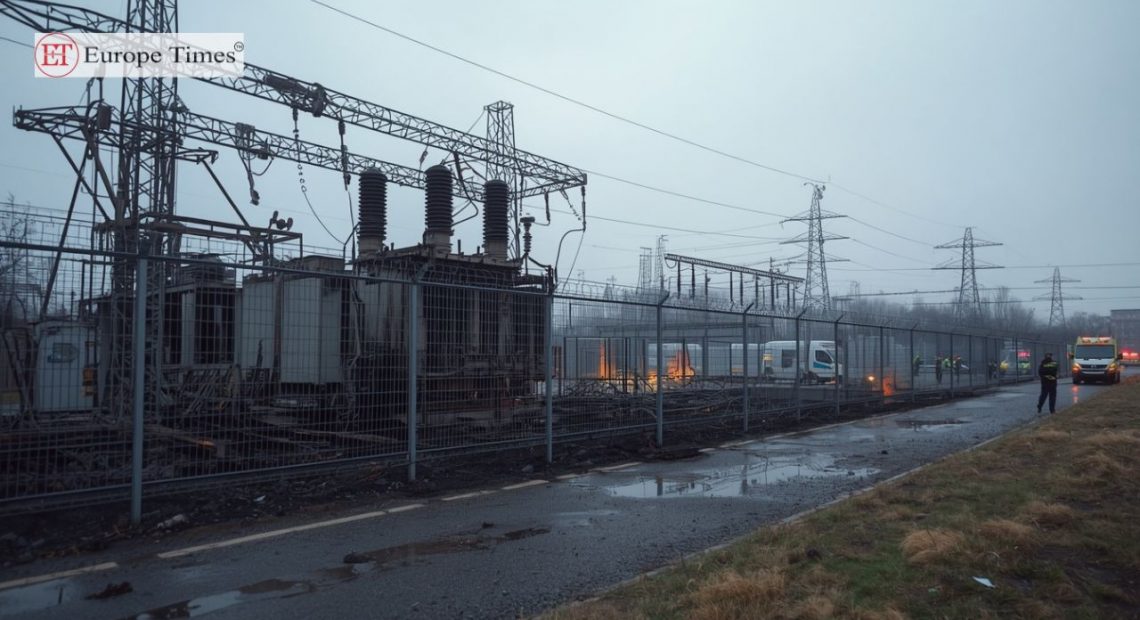
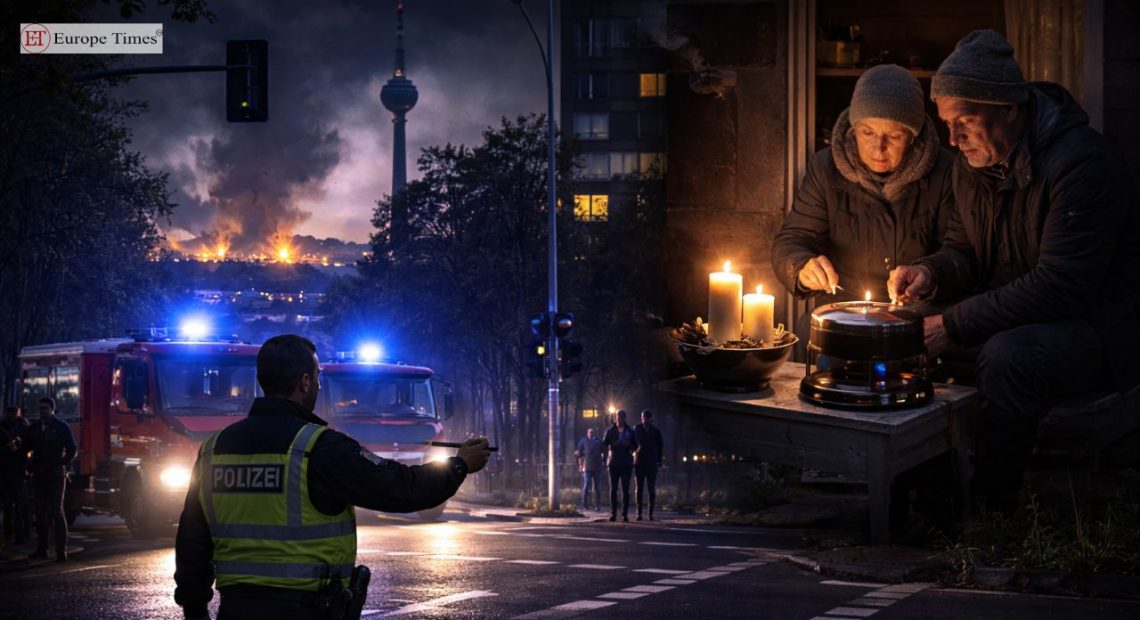
Power is being restored to the last homes affected by a five-day blackout in Berlin, believed to have been caused by an arson attack during sub-zero temperatures. The outage, reportedly the longest in the capital’s post-war history, left an estimated 100,000 people without electricity in south-west districts including Steglitz-Zehlendorf. Schools, hospitals and care homes were among the facilities impacted, with hospitals forced to rely on emergency generators and some schools closing temporarily.

Residents described struggling through the freezing conditions, cooking on camping stoves and relying on battery-powered radios for information. Emergency services patrolled neighbourhoods to update residents as electricity was restored gradually. The incident followed the discovery of burning cables near a gas-fired power plant, after which a far-left militant group known as Vulkangruppe appeared to claim responsibility, saying it targeted the fossil fuel industry. A later online statement, however, distanced the group’s founders from the attack.

The blackout has reignited debate over Germany’s vulnerability to sabotage, whether by domestic or foreign actors. Federal prosecutors are investigating the incident as a possible terrorism offence, including charges related to sabotage and disruption of public services. The episode has added urgency to proposed legislation aimed at strengthening protections for critical infrastructure, with a long-delayed “Kritis” bill currently under parliamentary consideration.

Pic courtesy: google/ images are subject to copyright