featured News Trending

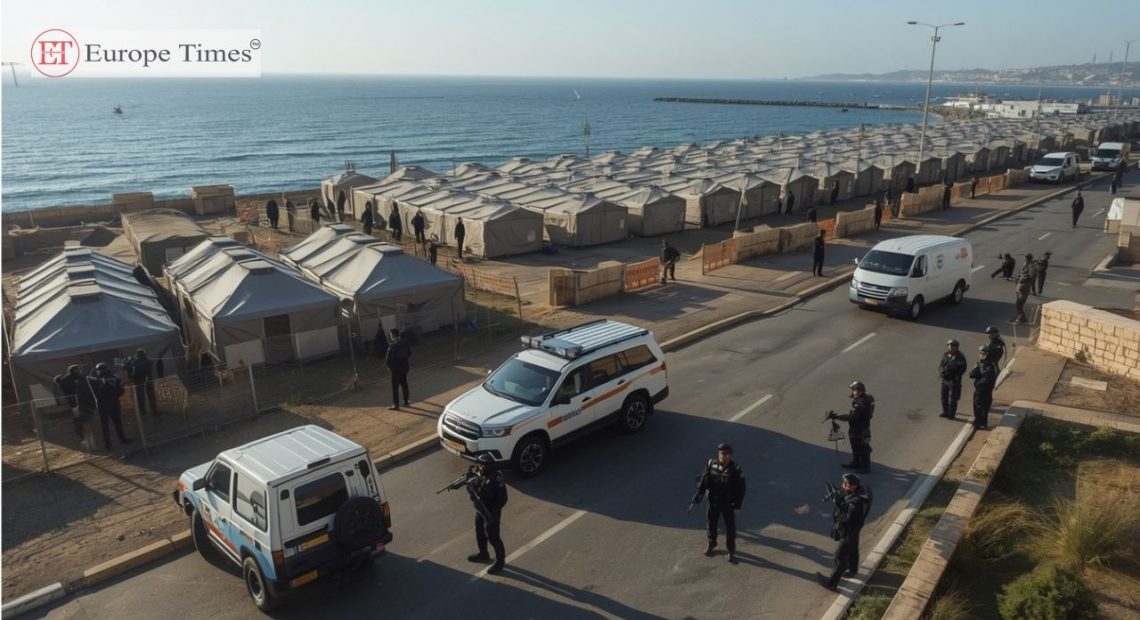
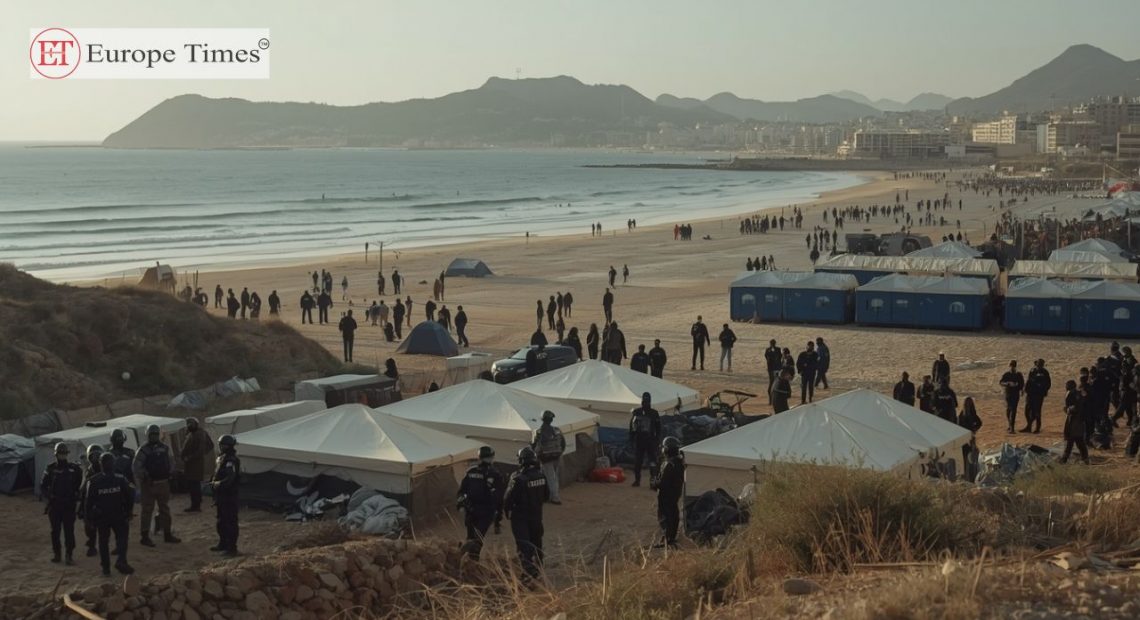
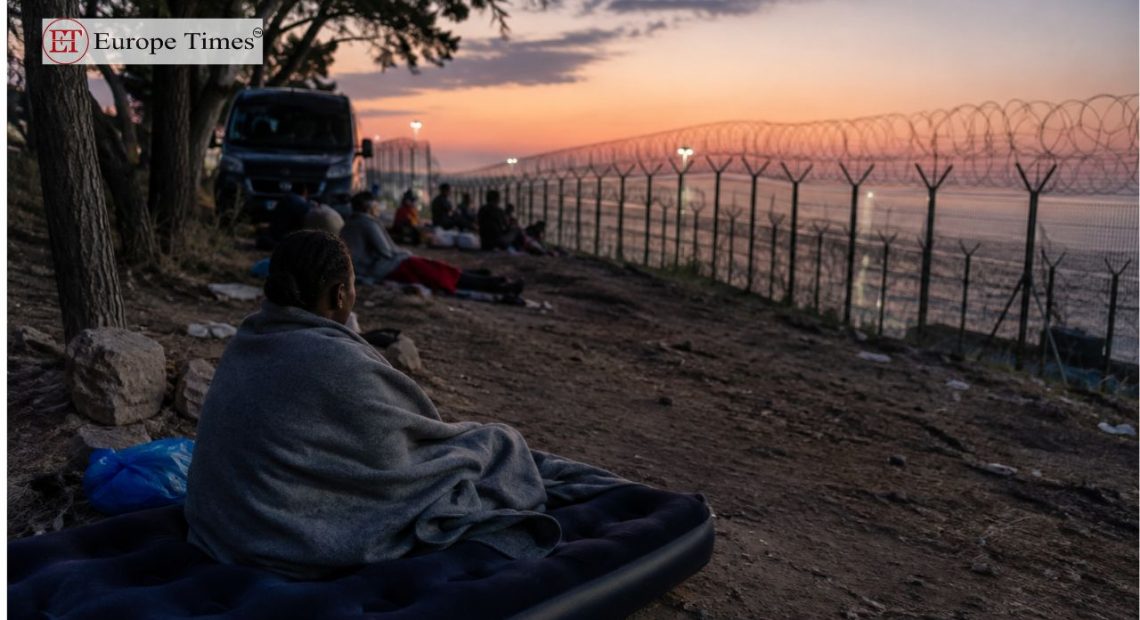
Women staying in makeshift camps in Spain’s North African enclave of Ceuta say they are facing sexual harassment and fear of assault while waiting to be registered by authorities. More than a dozen women are sleeping outdoors near an overcrowded migrant reception centre, which is currently sheltering around 700 people despite having capacity for about 500.

Spain’s largest police union, SUP, said 15 sexual assault cases of varying severity had been reported since July 30, although authorities have not confirmed the figure. Ceuta court authorities have confirmed three cases involving migrant women, including two minors. Health Minister Monica Garcia said medical services had treated five women for sexual violence and stressed that providing safe accommodation was an urgent priority.

Human rights organisations including Save the Children, UNICEF and Amnesty International have called for urgent measures to protect vulnerable migrant women and girls. Authorities are expanding temporary reception facilities and distributing food and hygiene supplies, but women living in the makeshift camps say they remain afraid, lack privacy and struggle to access safe toilets and showers.

Pic courtesy: google/ images are subject to copyright

featured News Trending

Meta and TikTok have agreed to work with fact-checkers to address misleading content about migration routes into Spain following a deadly rush at the Spanish enclave of Ceuta. The agreement was announced by EU tech chief Henna Virkkunen, who said the move aims to prevent criminal networks from using false information to encourage migrants to attempt dangerous crossings.

More than 70,000 people reportedly rushed toward Ceuta from Morocco on July 30, with nearly 100 people reported dead. Viral videos on social media were among the content that helped fuel the rush. Under the new crisis mechanism, Meta and TikTok will cooperate with fact-checkers and take action against content linked to people smuggling.

European Commission officials and Europol are monitoring the situation closely and holding daily discussions with the platforms. The EU said the companies can voluntarily block or reduce the visibility of harmful content, while the Commission does not directly order them to remove posts. Ceuta and Melilla, Spain’s two enclaves in North Africa, remain key routes for migrants seeking to enter Europe.

Pic courtesy: google/ images are subject to copyright

featured News Trending

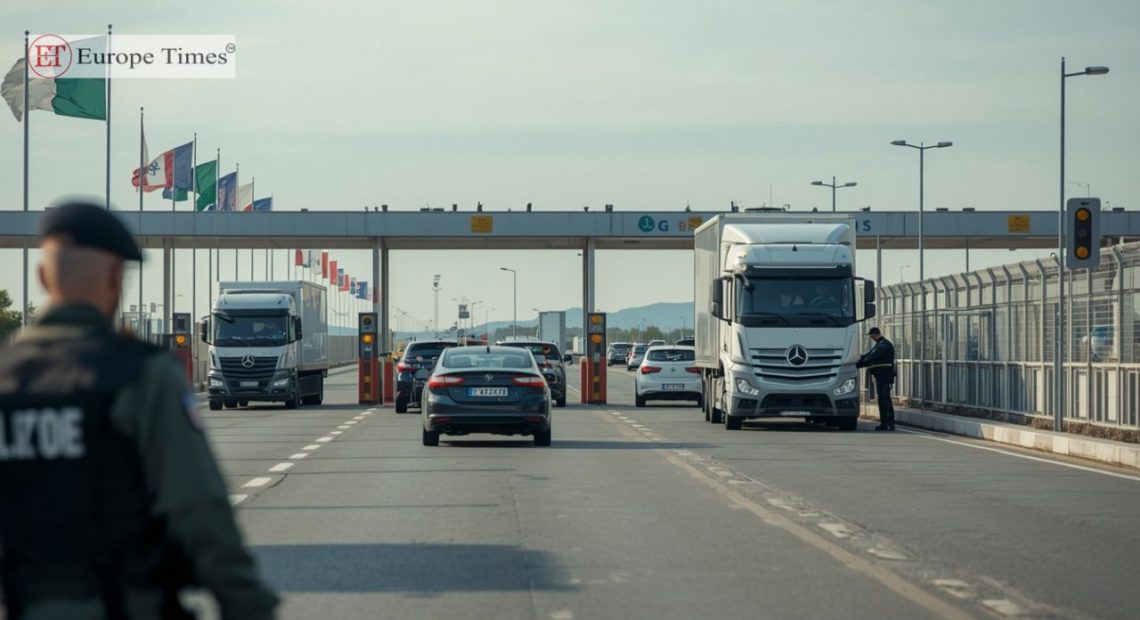
Spain checked nearly 200 travellers arriving from Italy at six major airports on the first day of newly reinstated border controls, following a growing dispute with Rome over irregular migration. Spain’s Interior Ministry said 199 passengers on 12 flights were checked at airports in Madrid, Barcelona, Seville, Bilbao, Alicante and Valencia.

The controls, covering flights and ships from Italy, are scheduled to remain in place until September 7. Spain introduced the measures after Italy suspended the Schengen border-free travel arrangements with Spain, following a surge in migration to Spain’s North African enclave of Ceuta. Italy has said its own controls will remain in place until at least August 15 and will mainly target non-EU nationals arriving from Spain.

The dispute has raised concerns over temporary restrictions within Europe’s passport-free Schengen Area, which includes 29 countries. Italian Foreign Minister Antonio Tajani said Rome hopes to lift its measures soon if the risk associated with irregular migration decreases.

Pic courtesy: google/ images are subject to copyright

featured News Trending

Spain has threatened to impose restrictions on travellers from Italy unless Rome removes border controls introduced after a mass influx of migrants into the Spanish enclave of Ceuta. Madrid called the Italian measures unjustified and discriminatory, giving Italy until Sunday to reverse the restrictions. Italy, however, rejected what it described as ultimatums from Spain and said the controls would remain in place for now.

Italy suspended parts of the EU’s Schengen free-travel rules for non-EU nationals arriving from Spain, citing concerns over a possible new migration wave. Prime Minister Giorgia Meloni’s government said it would reconsider the decision only after receiving assurances that there would be no fresh influx, security or terrorism threats, or movement of irregular migrants towards other parts of Europe. Spanish authorities have warned of online calls for another attempted border crossing into Ceuta on August 15.

The dispute has deepened tensions between the two EU allies, whose governments have taken different approaches to migration policy. Spain argues that migrants who entered Ceuta cannot simply access the wider Schengen area, while Italy maintains that the controls are necessary as a precaution. The crisis has also highlighted the growing political divide between Meloni’s tougher immigration stance and Spanish Prime Minister Pedro Sanchez’s comparatively more liberal approach.

Pic courtesy: google/ images are subject to copyright

featured News Trending

Spanish authorities have deployed additional police and forensic experts to identify the 80 migrants who died following last week’s mass crossing into the Spanish enclave of Ceuta from Morocco. Most of the victims will be buried in Ceuta in the coming days, while fingerprints and DNA samples are being collected to help identify those who remain unnamed.

The unprecedented influx overwhelmed Ceuta’s forensic services, prompting authorities to establish a larger temporary morgue and bring in additional staff. Officials have also opened a border office where families can report missing relatives and provide DNA samples, as many continue searching for loved ones who disappeared during the crossing.

According to officials, many of the victims died from drowning-related cardiopulmonary arrest. Only a handful of bodies have been identified so far, with further DNA testing underway. Authorities said burials will follow Muslim funeral practices, while identified victims may later be repatriated to their home countries if requested by their families.

Pic courtesy: google/ images are subject to copyright

featured News Trending

Spain’s North African enclave of Ceuta is seeking the transfer of more than 1,000 unaccompanied migrant minors to mainland Spain following last week’s massive migrant influx. While most of the 72,000 migrants who crossed into Ceuta have returned to Morocco, the remaining children cannot be immediately deported and are being housed in overcrowded shelters, warehouses, or temporary accommodation.

The local government says reception centres have exceeded capacity, prompting charities and residents to provide food, blankets, and shelter to vulnerable children and pregnant women. Under Spain’s immigration law, unaccompanied minors from overstretched regions must be relocated within 15 days after their cases are processed, though political disagreements could delay the transfers.

The Spanish government has approved €25 million in emergency funding for Ceuta and urged regional authorities to share responsibility for caring for the minors. However, several regional governments have opposed mandatory relocations, setting the stage for a political dispute as authorities work to identify and protect the children.

Pic courtesy: google/ images are subject to copyright

featured News Trending

Spain’s North African enclave of Ceuta is struggling to cope after a massive migrant surge last week, with local authorities estimating that between 3,000 and 5,000 people remain in the territory. Hundreds of migrants have set up makeshift camps on local beaches, while reception centres for adults and minors have exceeded capacity. Spain says around 69,500 migrants have already been returned to Morocco in recent days.

The crisis has placed particular pressure on services for children, with more than 860 migrant minors currently under protection in Ceuta. Many migrants said they remained in the enclave after facing food shortages, closed shops, hostility from locals, and being unable to continue their journey to mainland Spain. The official death toll stands at 72 on the Spanish side and 11 on the Moroccan side.

The border crisis has also triggered diplomatic tensions within the European Union and renewed debate over migration policy. Spain praised Morocco for cooperating in the return of thousands of migrants but also called for stronger support from EU partners. Meanwhile, questions are being raised over whether Spanish intelligence services had sufficient warning before the mass crossing occurred.

Pic courtesy: google/ images are subject to copyright

featured News Trending

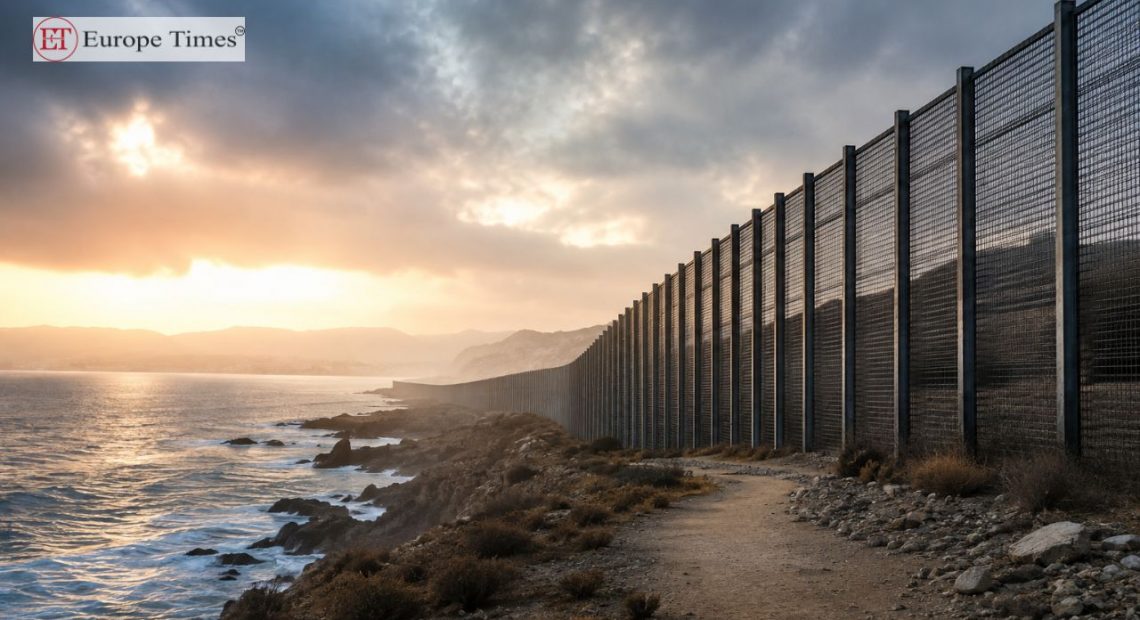
Spain has begun installing a 500-metre floating barrier along the coast of its North African enclave of Ceuta after migrant crossings fell to nearly zero overnight. The move follows a massive border rush in which around 50,000 people crossed into Ceuta from Morocco, with authorities saying more than 48,000 were returned within 48 hours.

The incident claimed at least 67 lives, with many migrants drowning or being crushed while attempting to cross the border. Spanish officials blamed human-smuggling networks for spreading misinformation and exploiting vulnerable migrants. The government said additional police and military forces will remain deployed while border security measures continue.

The crisis has sparked concern across Europe, prompting 22 EU member states to call for an emergency meeting on border security. Spain has urged a coordinated European response while reaffirming that Morocco remains a key partner in managing migration and maintaining the security of the EU’s external border.

Pic courtesy: google/ images are subject to copyright

featured News Trending

Spain’s North African enclave of Ceuta is facing a humanitarian and security emergency after around 1,500 migrants reached the territory by swimming from Morocco over the past week. Local leader Juan Jesus Vivas said the sudden influx has overwhelmed reception facilities, with hundreds of migrants forced to sleep outdoors and shelters for unaccompanied minors operating far beyond capacity.

Vivas described the situation as a national emergency and called for an immediate, coordinated response from the Spanish government. In response, Interior Minister Fernando Grande-Marlaska is set to visit Ceuta to meet local authorities as the government works to strengthen border controls and expand humanitarian assistance. Moroccan security forces are also helping to reduce further arrivals.

Officials said migrant arrivals are averaging about 300 people per day, raising concerns of a repeat of the 2021 migration crisis, when nearly 10,000 people entered Ceuta within days. Vivas also highlighted the human cost of the dangerous sea crossings, noting that dozens of bodies have been recovered in recent months, and urged reforms to Spain’s immigration laws following a recent Supreme Court ruling on migrant returns.

Pic courtesy: google/ images are subject to copyright