featured News Trending

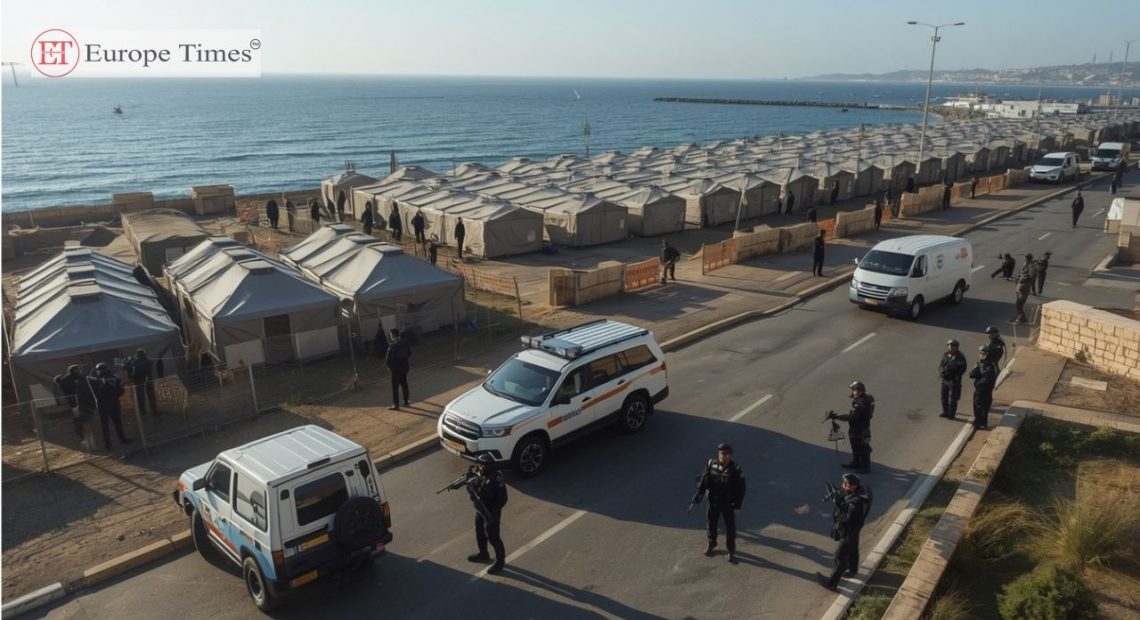
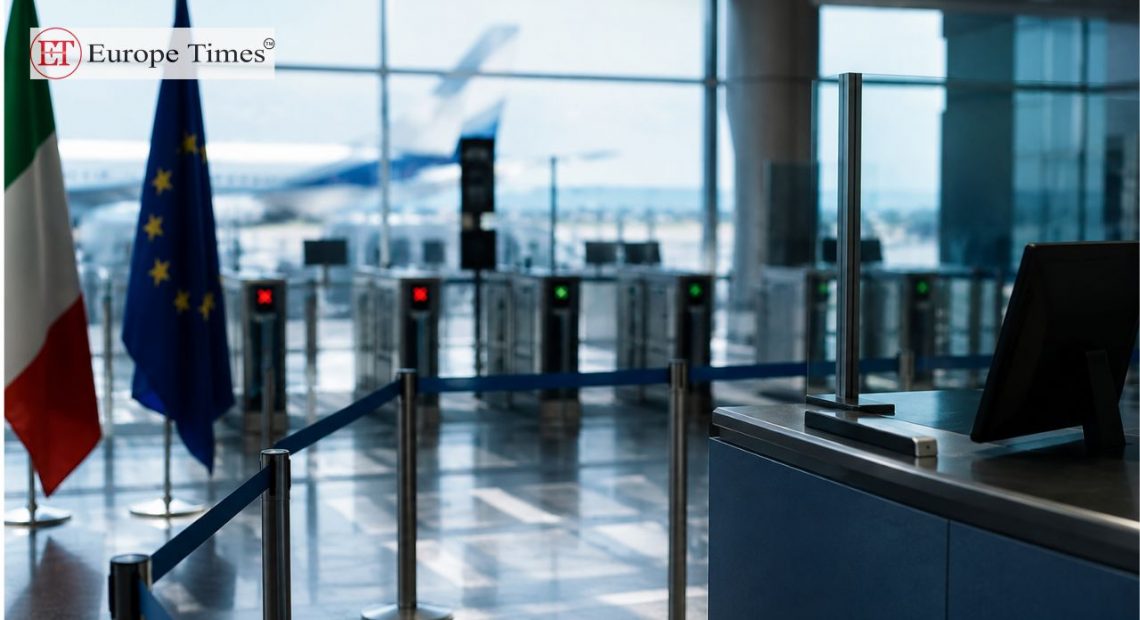
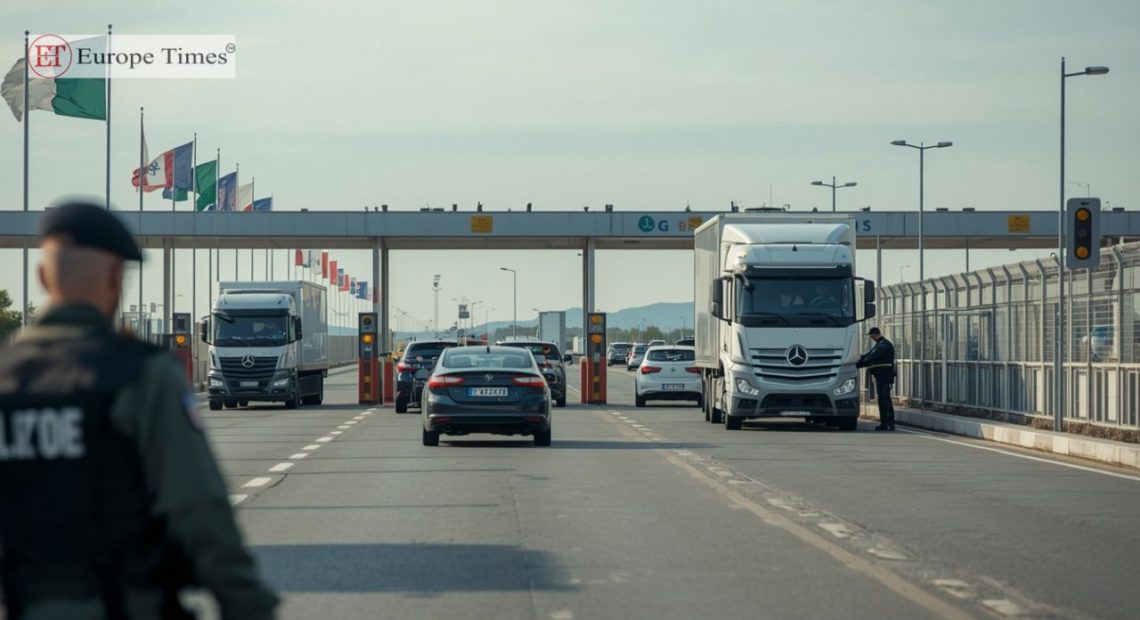
Spain checked nearly 200 travellers arriving from Italy at six major airports on the first day of newly reinstated border controls, following a growing dispute with Rome over irregular migration. Spain’s Interior Ministry said 199 passengers on 12 flights were checked at airports in Madrid, Barcelona, Seville, Bilbao, Alicante and Valencia.

The controls, covering flights and ships from Italy, are scheduled to remain in place until September 7. Spain introduced the measures after Italy suspended the Schengen border-free travel arrangements with Spain, following a surge in migration to Spain’s North African enclave of Ceuta. Italy has said its own controls will remain in place until at least August 15 and will mainly target non-EU nationals arriving from Spain.

The dispute has raised concerns over temporary restrictions within Europe’s passport-free Schengen Area, which includes 29 countries. Italian Foreign Minister Antonio Tajani said Rome hopes to lift its measures soon if the risk associated with irregular migration decreases.

Pic courtesy: google/ images are subject to copyright

featured News Trending

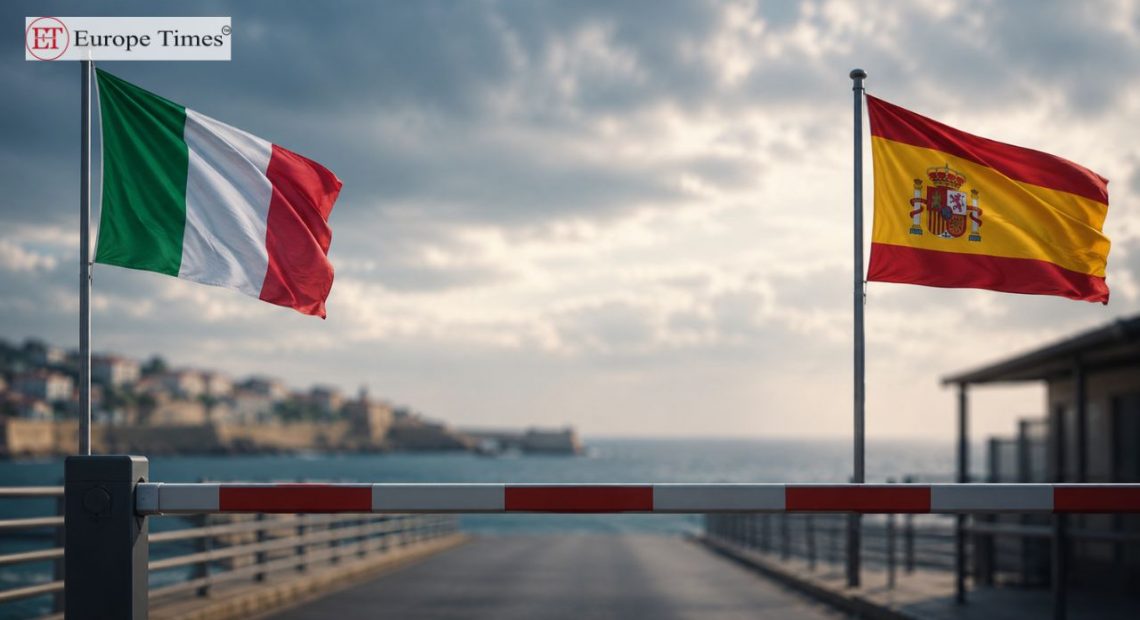
Spain has threatened to impose restrictions on travellers from Italy unless Rome removes border controls introduced after a mass influx of migrants into the Spanish enclave of Ceuta. Madrid called the Italian measures unjustified and discriminatory, giving Italy until Sunday to reverse the restrictions. Italy, however, rejected what it described as ultimatums from Spain and said the controls would remain in place for now.

Italy suspended parts of the EU’s Schengen free-travel rules for non-EU nationals arriving from Spain, citing concerns over a possible new migration wave. Prime Minister Giorgia Meloni’s government said it would reconsider the decision only after receiving assurances that there would be no fresh influx, security or terrorism threats, or movement of irregular migrants towards other parts of Europe. Spanish authorities have warned of online calls for another attempted border crossing into Ceuta on August 15.

The dispute has deepened tensions between the two EU allies, whose governments have taken different approaches to migration policy. Spain argues that migrants who entered Ceuta cannot simply access the wider Schengen area, while Italy maintains that the controls are necessary as a precaution. The crisis has also highlighted the growing political divide between Meloni’s tougher immigration stance and Spanish Prime Minister Pedro Sanchez’s comparatively more liberal approach.

Pic courtesy: google/ images are subject to copyright

featured News Trending

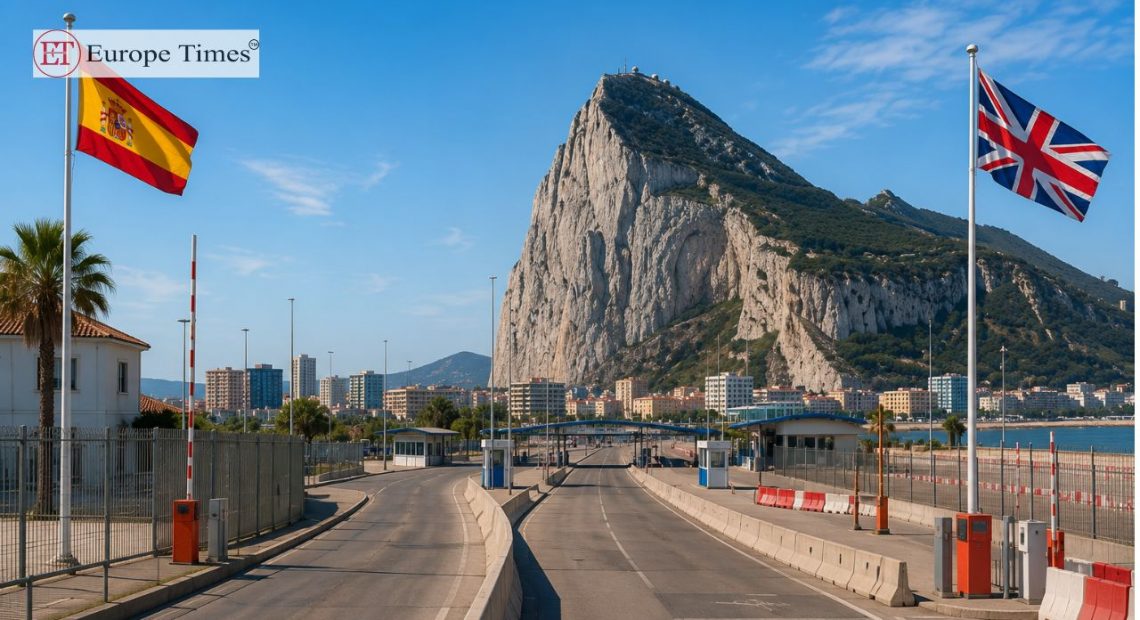
Gibraltar is set to remove its 118-year-old border controls with Spain from July 15 under a post-Brexit agreement between the United Kingdom and the European Union. The move will allow smoother travel between Gibraltar and Spain, ending decades of routine border checks that often caused long delays for the thousands of cross-border workers who commute every day.

The agreement is expected to boost trade, tourism and employment on both sides of the border. Businesses in Gibraltar anticipate increased visitor numbers, while neighbouring Spanish towns, where many residents depend on jobs and customers from Gibraltar, are expected to benefit from easier movement of people and goods. Gibraltar will also become part of the EU customs union and the Schengen free travel area under the new arrangements.

While the deal is being welcomed as a historic step towards closer cooperation, it also introduces new obligations for Gibraltar. Goods sold in the territory must now comply with EU regulations, and a new transaction tax will gradually replace import duties. Despite concerns about additional paperwork and compliance costs, business leaders say the agreement brings long-awaited certainty after years of Brexit-related uncertainty.

Pic courtesy: google/ images are subject to copyright

News Trending

Certainly, the accident occurred during the early hours of Friday when a minivan, suspected to be involved in people-smuggling, crashed and overturned near Ampfing in Bavaria, Germany. Police had attempted to stop the vehicle at a road check, but the driver accelerated, leading to the tragic incident that claimed the lives of seven individuals. Among the more than 20 passengers were also children, as reported by the authorities.

This unfortunate incident adds to a recent surge in people-smuggling activities in various parts of Europe. Several countries, including Poland, Germany, and the Czech Republic, have reinstated border checks in response to the escalating incidents. The A94 motorway, where the crash occurred, is often used as a route by people-smugglers crossing the border from Austria, highlighting the ongoing challenges related to human trafficking and illegal migration.

Bavarian Interior Minister Joachim Herrmann emphasized the pressing need to strengthen border controls to prevent smugglers from exploiting vulnerable migrants and endangering lives in the process. With a significant increase in first-time asylum requests in Germany, authorities are intensifying efforts to tackle the root causes of illegal migration and ensure the safety and security of those seeking refuge within the country.

Picture Courtesy: Google/images are subject to copyright