
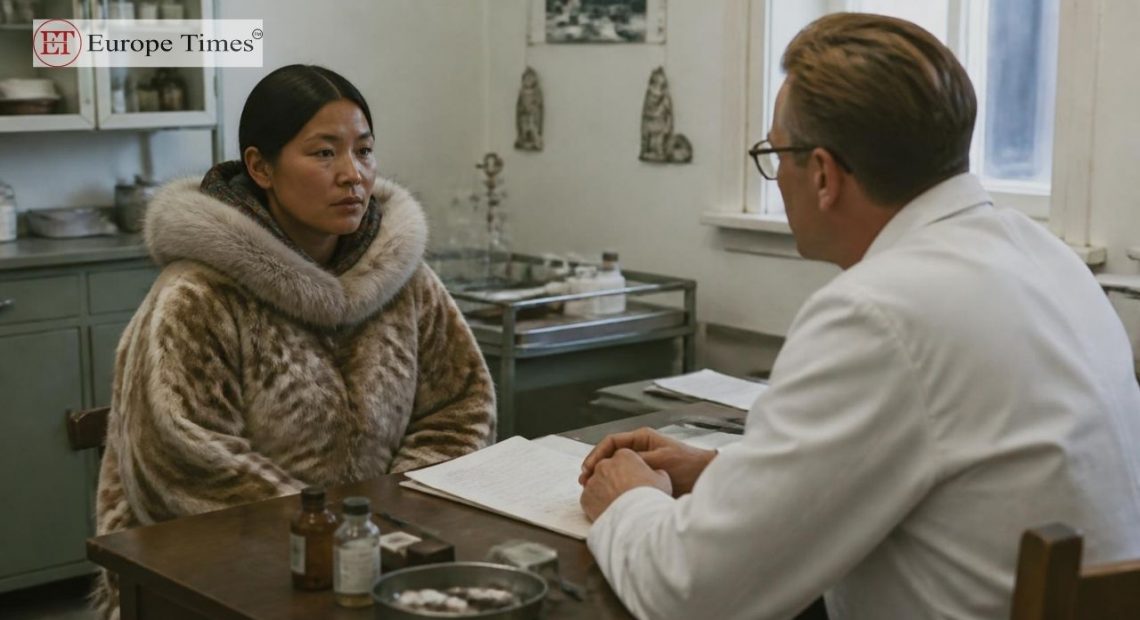
A forced contraception programme carried out in Greenland mainly during the 1960s and 1970s violated women’s human rights but did not meet the legal definition of genocide, according to two expert reports released on Friday. More than 4,000 Greenlandic women and girls, some as young as 12, were given intrauterine devices or contraceptive injections between 1966 and 1991, often without their knowledge or consent.
The reports found that administering contraception without valid consent violated women’s rights to private and family life and, in some cases, subjected them to degrading treatment. While one report found no evidence that authorities or healthcare professionals intended to destroy Greenland’s population, another said Denmark may have breached the UN Genocide Convention by failing to act after becoming aware of the serious risk posed by the programme. The experts said proving genocide would require establishing specific intent to destroy a protected group.
The findings have renewed calls for accountability and reconciliation between Greenland and Denmark. Greenlandic Prime Minister Jens-Frederik Nielsen proposed a reconciliation commission, while Danish Prime Minister Mette Frederiksen said the two countries must confront the painful parts of their shared history. Denmark has also passed a compensation law providing 300,000 Danish crowns to each affected woman. Survivors have described lasting physical and emotional consequences, including infertility and other serious health complications.
Pic courtesy: google/ images are subject to copyright