featured News Trending

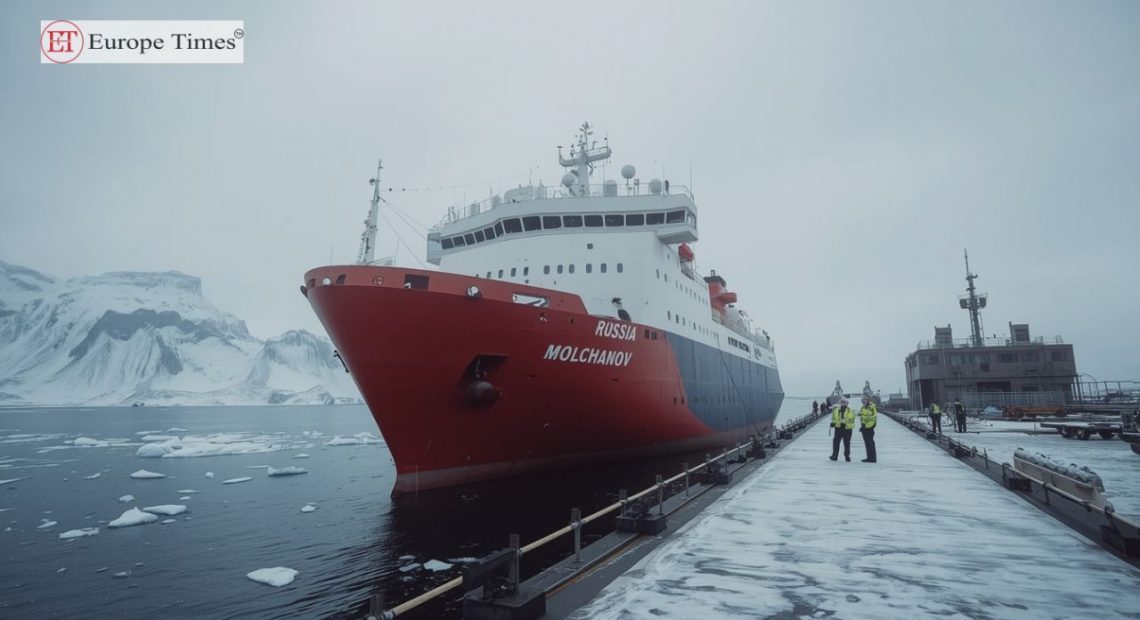
Norway has seized the Russian vessel Professor Molchanov in the Arctic to enforce a $4.22 billion compensation claim awarded to Ukrainian energy company Naftogaz over assets Russia seized following its 2014 annexation of Crimea. The ship was detained off Svalbard and will remain in the Norwegian Arctic archipelago.

The Svalbard governor’s office confirmed that the vessel would be held in Svalbard and said arrangements would be made for its crew and passengers. Russia has demanded the ship’s immediate release and said it would pursue the matter through legal channels. The vessel had arrived in the Russian-operated settlement of Barentsburg carrying Russian scientists.

Naftogaz has been pursuing Russian assets in several countries to enforce a 2023 Hague tribunal ruling that awarded it $4.22 billion plus interest and legal costs. The Ukrainian company said it would continue seeking Russian assets worldwide until the compensation is paid, while Russia continues to challenge the enforcement efforts.

Pic courtesy: google/ images are subject to copyright

featured News Trending

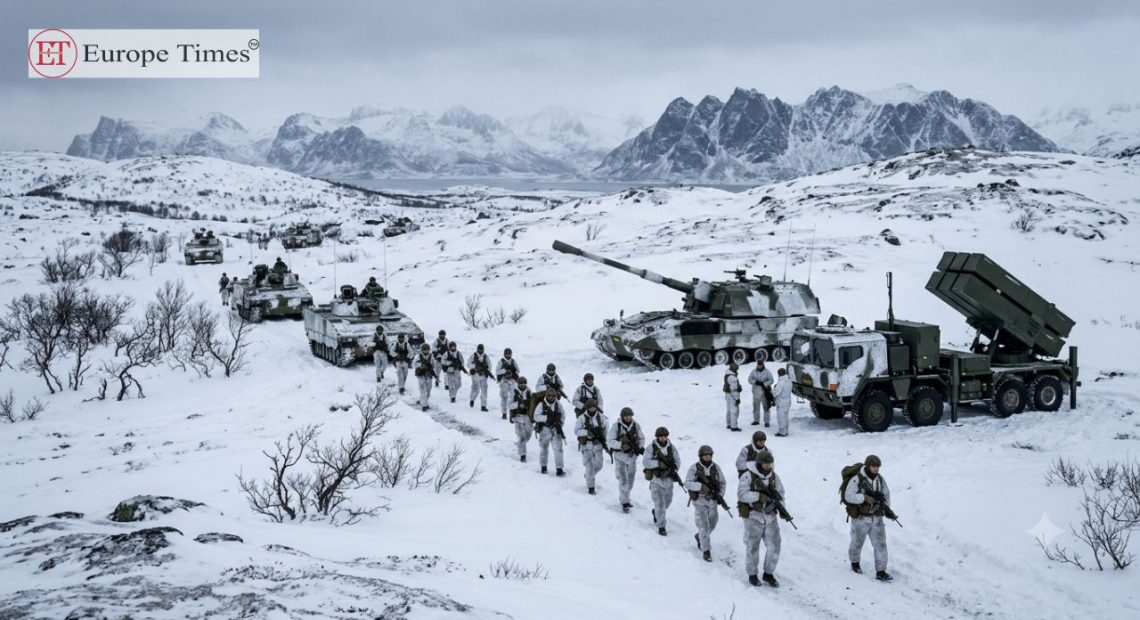
Norway expanded its Finnmark Brigade on Thursday as the NATO member strengthens its military presence in the Arctic following Russia’s invasion of Ukraine. The brigade, established last year as Norway’s second military brigade and the first created since the end of the Cold War, is headquartered in the country’s northern Arctic region.

The expansion adds an artillery battalion, an air defence battery and a communications company to the brigade. These capabilities will allow Norwegian forces to strike targets on land at longer distances and coordinate operations with Norwegian and NATO aircraft and naval forces. The brigade has also been responsible for monitoring and patrolling Norway’s 198-km border with Russia.

Norway has significantly increased defence spending in recent years, with NATO estimating that military expenditure will reach 3.17% of GDP in 2026, compared with 1.5% in 2014. Norwegian officials say the strengthened Arctic presence is intended to improve the country’s ability to respond to threats against Norway and NATO, while Russia has previously rejected claims that it poses a threat to the alliance.

Pic courtesy: google/ images are subject to copyright

featured News Trending

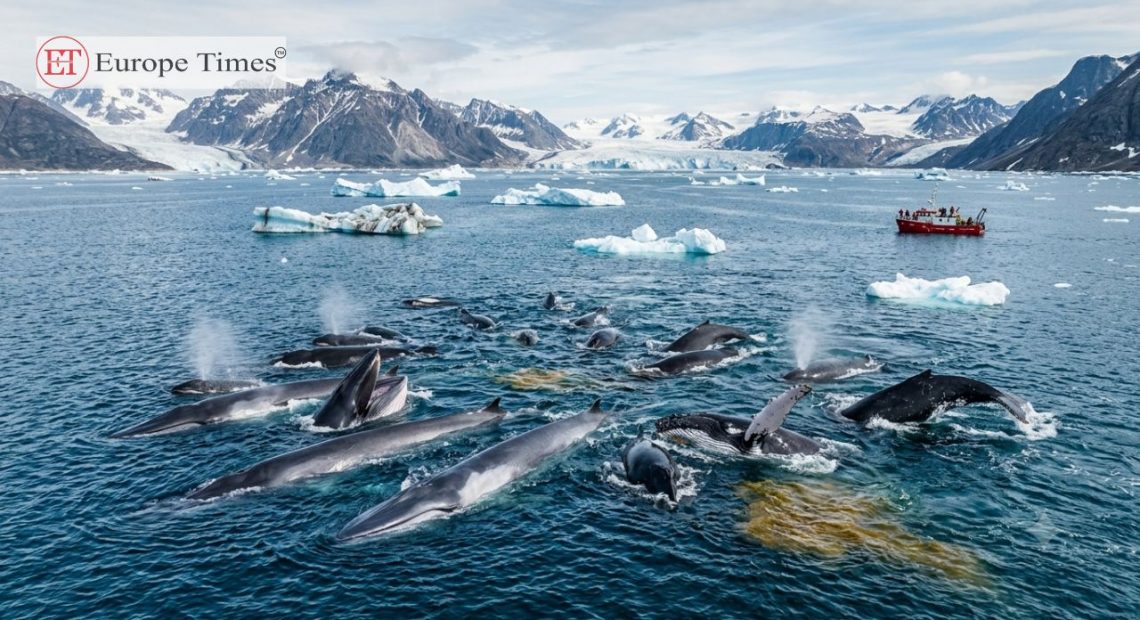
Giant whales are increasingly moving into previously inaccessible waters along Greenland’s east coast as rising temperatures cause sea ice to disappear. A decades-long study found that fin, humpback and minke whales are now feeding in ice-free coastal waters during summer, marking a major shift in the region’s marine ecosystem.

Researchers recorded a sharp rise in whale activity, with aerial surveys, satellite tracking and observations from Inuit hunters providing evidence of the change. An estimated 4,000 humpback whales, 6,000 fin whales and 6,000 minke whales visited the Greenland Sea in summer 2024. Scientists believe warmer waters and increased food availability are attracting the whales to the area.

While some whale species appear to be benefiting from the changing conditions, Arctic species such as narwhals and belugas could face growing pressure as their traditional habitat changes. Scientists say the movement represents a major ecological shift, highlighting how climate change is creating new opportunities for some marine species while threatening others.

Pic courtesy: google/ images are subject to copyright

featured News Trending

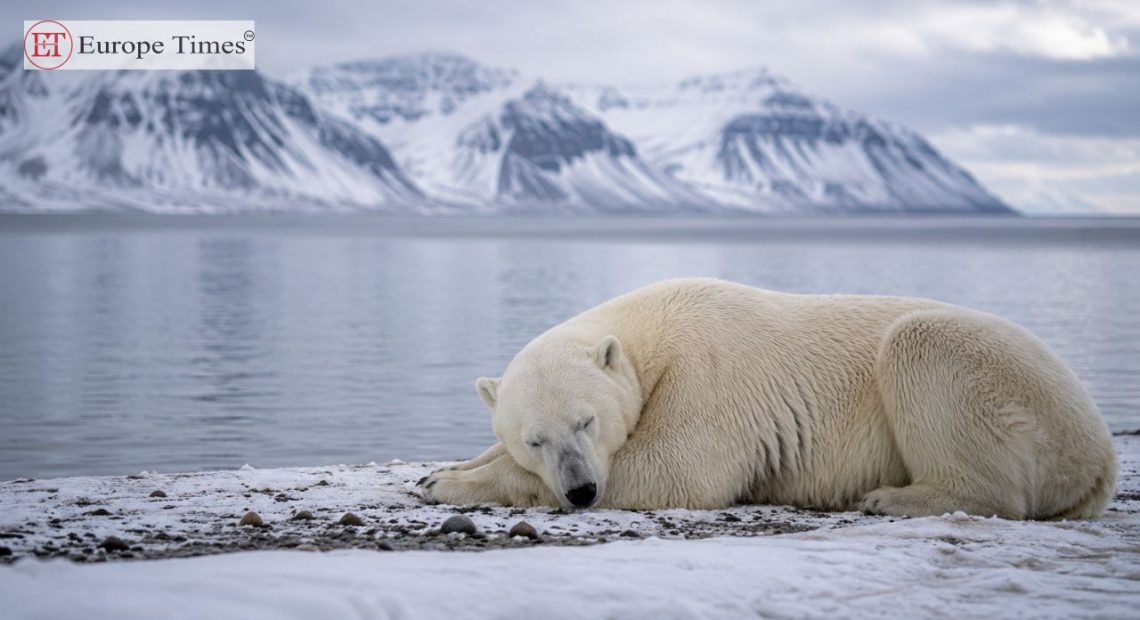
A person in Norway’s Svalbard archipelago has been fined 50,000 kroner (£3,890) for using a ship’s foghorn to wake a sleeping polar bear. The incident took place earlier this month as a vessel was sailing through a fjord in north-western Svalbard, around 1,000 km (620 miles) from the North Pole.

According to Svalbard Governor Lars Fause, people aboard the vessel spotted the polar bear sleeping on land and one person sounded the foghorn. The noise woke the animal, which then moved to another location. The individual, whose identity has not been disclosed, agreed to pay the fine.

Polar bears have been protected in Svalbard since 1972, and local regulations prohibit people from unnecessarily disturbing, attracting or pursuing them. The archipelago is home to an estimated 250 polar bears, based on the most recent scientific count in 2015. Authorities have previously fined tourists for disturbing wildlife, including a visitor who was penalised in 2024 for getting too close to a walrus.

Pic courtesy: google/ images are subject to copyright

featured News Trending

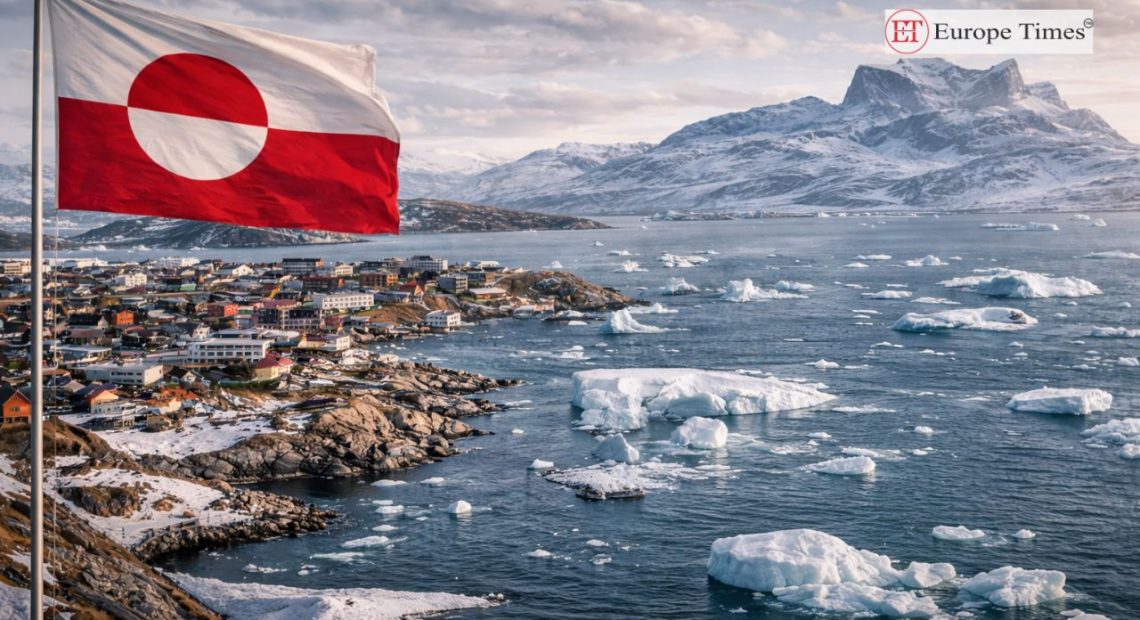
Greenland’s Prime Minister Jens-Frederik Nielsen has strongly rejected U.S. President Donald Trump’s remarks describing Greenland as a “big, poorly run piece of ice,” calling the comments disrespectful and emphasizing the island’s sovereignty and global responsibility. Nielsen said Greenland is a proud nation of 57,000 people that respects international law and works closely with global allies, urging NATO members to stand together to protect the international order.

The comments came after Trump criticized NATO’s role in the Iran war and revived tensions over Greenland, which the U.S. has previously expressed interest in controlling due to its strategic Arctic location. Earlier this year, European nations including Germany and France sent troops to Greenland in a show of solidarity after concerns that the U.S. might consider military action, before diplomatic talks shifted the issue to negotiations.

Despite ongoing discussions between Greenland, Denmark, and the United States on defence cooperation, Nielsen warned that Trump’s ambitions regarding the island remain a concern. He stressed that Greenland supports dialogue and cooperation but remains cautious, noting that existing agreements already allow U.S. military presence on the island while maintaining Greenland’s autonomy and sovereignty.

Pic courtesy: google/ images are subject to copyright