featured News Trending

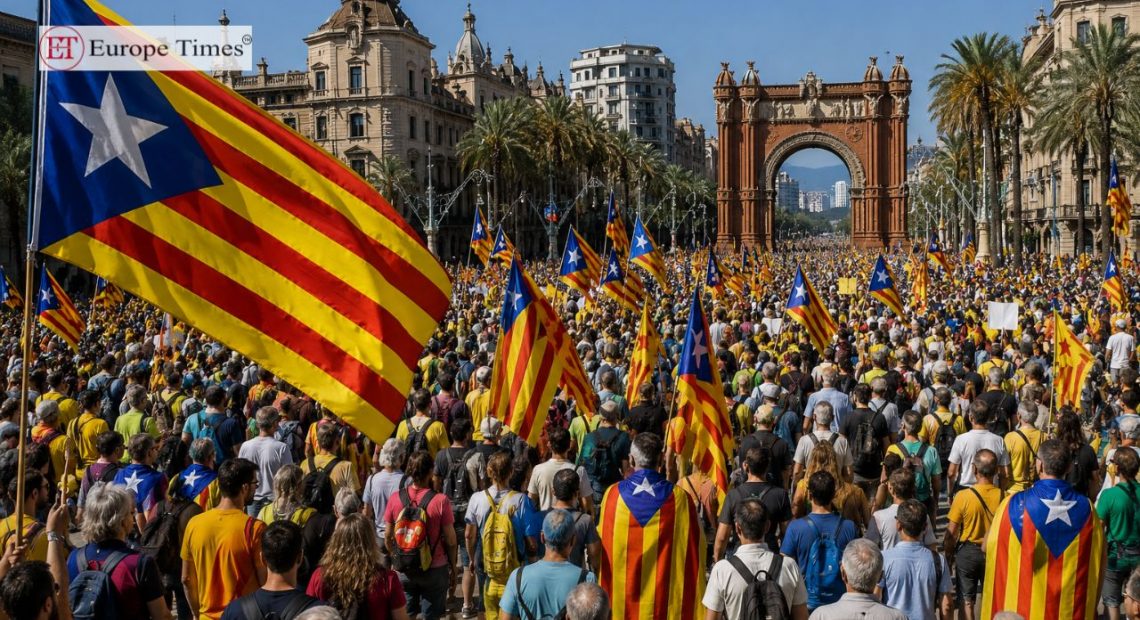
The European Union’s highest court has ruled that Spain’s controversial amnesty law for those involved in Catalonia’s independence movement does not violate EU law. The decision strengthens Prime Minister Pedro Sánchez’s government, as the legislation was central to securing the support of Catalan separatist parties after the 2023 election.

The Court of Justice of the European Union said the amnesty is within Spain’s legal authority and can help reduce political tensions and promote reconciliation. However, it rejected one part of the law that required Spanish courts to suspend certain financial liabilities and legal proceedings within a fixed two-month period while awaiting broader EU decisions.
The ruling could benefit former Catalan leader Carles Puigdemont, who has been living in self-imposed exile in Belgium, though a final decision on whether the amnesty applies to him still rests with Spain’s Constitutional Court. While Spain’s government welcomed the judgment, separatist leaders said the law has yet to be fully implemented for many eligible individuals.

Pic courtesy: google/ images are subject to copyright

News Trending

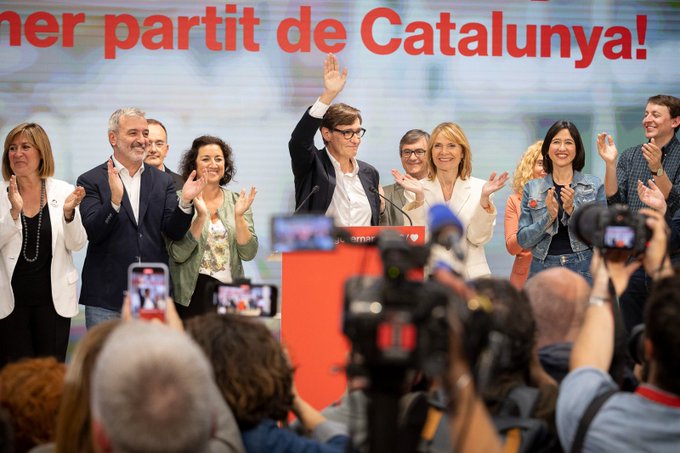
The recent regional election in Catalonia marked a significant shift in the political landscape, with the Socialists, led by Salvador Illa, emerging victorious with 42 seats. This success contrasted with a drop in support for independence to 42%, down from 49% in 2017, signaling a setback for pro-independence parties.

Despite the Socialist victory, forming a government may prove challenging, as coalition negotiations are necessary. The fragmented nature of the Catalan parliament, divided by unionist-separatist allegiances and left-right divisions, is likely to prolong post-election discussions.

The amnesty law, a contentious issue benefiting nationalists and championed by Prime Minister Pedro Sánchez’s government, played a pivotal role in securing support. However, it has faced criticism, particularly from opponents on the right, for its perceived leniency towards separatist activities.

Calls for unity among pro-independence parties have emerged, but the complexity of the political landscape suggests that negotiations will be intricate. Despite former regional president Carles Puigdemont’s suggestion for a coalition between pro-independence parties, the path to forming a government remains uncertain.

Additionally, the election saw gains for the conservative People’s Party and the far-right Vox, while the centrist Ciudadanos lost all representation in the parliament. A new far-right party, Catalan Alliance, also secured two seats, further diversifying the political spectrum in Catalonia.

Picture Courtesy: Google/images are subject to copyright

News Trending

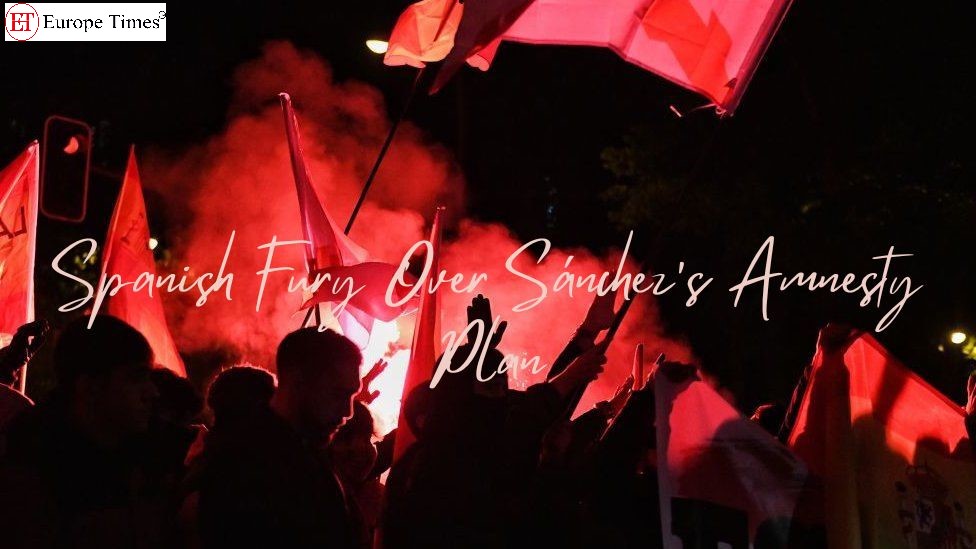
Protests led by right-wing groups against Spain’s acting Prime Minister Pedro Sánchez have escalated in violence, underscoring the tensions surrounding his push for a contentious amnesty law. Approximately 7,000 demonstrators converged outside the headquarters of Sánchez’s Socialist party in Madrid on Tuesday. The Prime Minister is striving to secure an investiture vote that would enable him to form a new government and avert a potential snap election.

To attain parliamentary support, Sánchez must enlist the backing of Catalan separatists. The demonstrations in Madrid, along with other cities, have grown increasingly aggressive, with 29 police officers and 10 protestors sustaining injuries during Tuesday night’s clashes. Sánchez took to social media to assert, “They will not break the Socialist Party.”

Following the failure of the conservative People’s Party (PP) leader Alberto Núñez Feijóo to establish a government in September, Sánchez, who came second in the July general election, is on the verge of securing adequate parliamentary support for a coalition government with the left-wing alliance Sumar.

To gain the support of Catalan parties, Sánchez has agreed to an amnesty for several hundred Catalan politicians and activists facing legal action related to the failed secession attempt in 2017. This move has faced intense criticism, with opponents accusing Sánchez of jeopardizing Spain’s unity and manipulating the amnesty for political survival.

The opposition, particularly the far-right Vox party, has vehemently opposed the amnesty, calling for continued protests and urging the police to defy ‘illegal’ orders. Despite internal support within the Socialist Party, several senior members, including former Prime Minister Felipe González, have spoken out against the initiative, emphasizing its potential to disrupt social harmony in Spain. A division has also emerged within the judiciary, reflecting the deep political polarization over the amnesty.

Picture Courtesy: Google/images are subject to copyright