featured News Trending

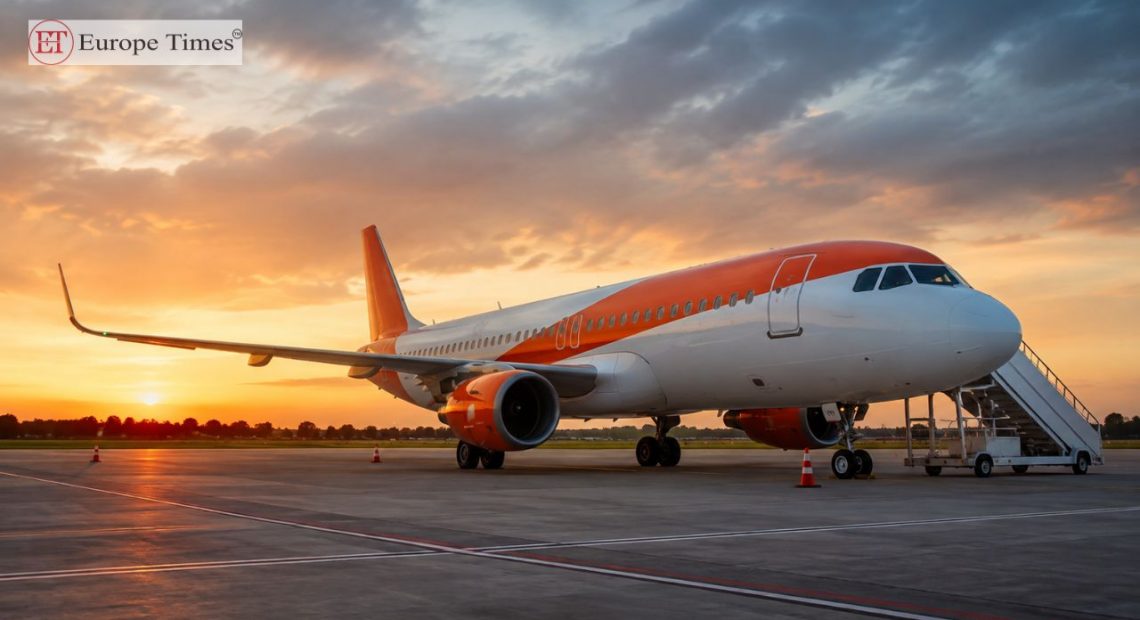
Cabin crew unions representing easyJet France have filed a strike notice covering the period from August 7 to September 2, citing worsening working conditions. While industrial action could take place at any time during this period, unions are required to provide 48 hours’ notice before specific strike dates.

The unions said they remain willing to negotiate and could withdraw the strike notice if management responds positively. They added that an earlier labour dispute had been suspended due to the recent wildfires in France’s Gironde region.

According to the unions, cabin crew have faced ongoing schedule instability, last-minute roster changes, demanding trip rotations, and insufficient workplace protections for nearly a year. easyJet expressed disappointment over the planned action, saying it had already proposed adjustments and urging unions to cancel the strike ahead of scheduled negotiations in September.

Pic courtesy: google/ images are subject to copyright

featured News Trending

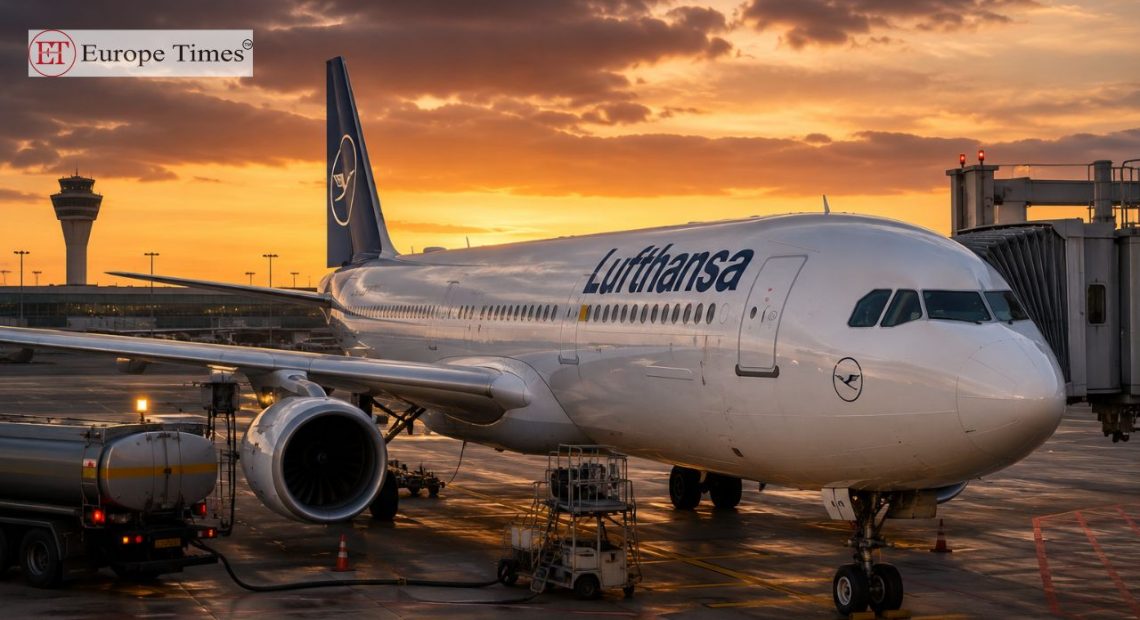
Lufthansa has warned that its operating profit could decline in 2026 as volatile fuel prices continue to weigh on earnings. The German airline said higher fuel costs linked to geopolitical tensions, including the U.S.-Iran conflict, caused its second-quarter operating profit to more than halve, prompting a weaker full-year outlook.

The airline now expects adjusted EBIT between €1.7 billion and €2.2 billion, compared with its earlier forecast of exceeding last year’s €1.96 billion. Quarterly adjusted EBIT fell to €383 million from €870 million a year ago, while investors reacted negatively, sending Lufthansa’s shares down more than 10%.

To improve efficiency, Lufthansa plans to retire older, fuel-intensive aircraft and temporarily ground some planes to reduce fuel consumption. Despite the short-term challenges, the airline maintained its long-term profitability targets and said it expects fuel supplies to remain stable while continuing to monitor market uncertainty.

Pic courtesy: google/ images are subject to copyright

featured News Trending

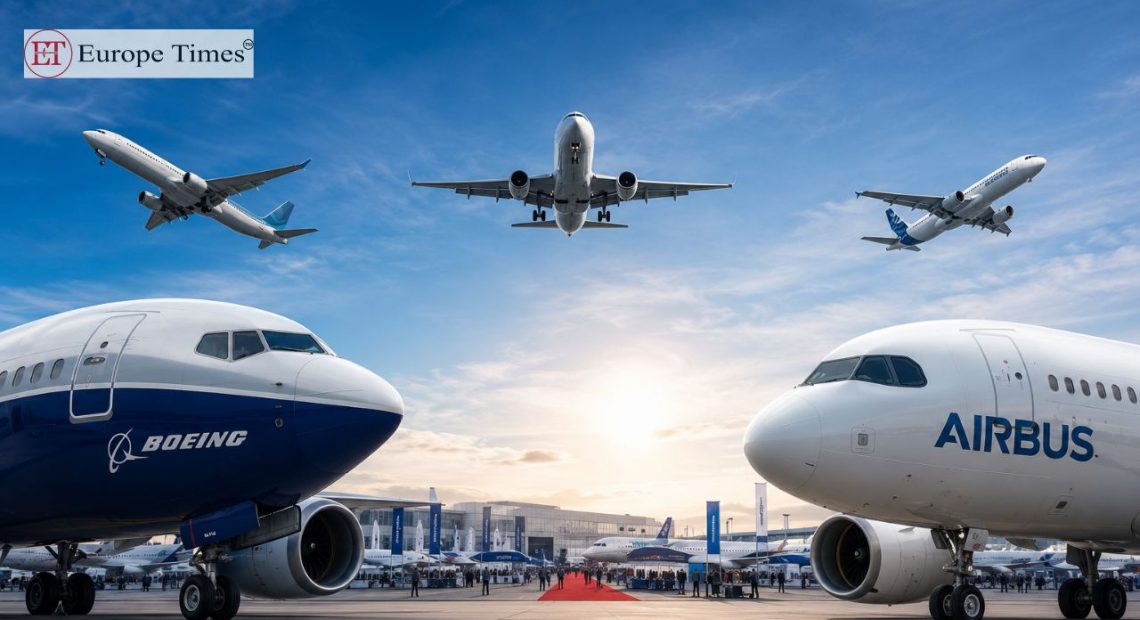
Aircraft manufacturers secured more than 300 commercial aircraft orders at the Farnborough International Airshow in the UK, with Boeing narrowly leading Airbus in total deals. According to a Reuters tally, around 327 firm orders were announced during the event, surpassing the previous Farnborough show in 2024. However, the total remained well below industry expectations of 800 orders due to ongoing supply chain challenges and production constraints.

Boeing’s biggest agreements included 100 Boeing 737 MAX aircraft ordered by SMBC Aviation Capital, additional 787 Dreamliners for Riyadh Air and Philippine Airlines, and new orders from Uganda Airlines, MSC Air Cargo, and Luxair. Airbus also secured major commitments, including 100 A320neo-family aircraft from SMBC Aviation Capital, more A350s for Riyadh Air, additional aircraft for Flynas, and new orders from BermudAir and Shohin Airlines.

Brazilian manufacturer Embraer also recorded strong demand, receiving orders from Fuji Dream Airlines, Abra Group, and Binter for its regional jets. Meanwhile, engine makers announced significant deals, with British Airways selecting Pratt & Whitney engines for its Airbus fleet, BOC Aviation ordering up to 300 CFM International engines, and IndiGo signing an MoU to purchase more than 1,000 LEAP-1A engines, marking one of the largest engine agreements in aviation history.

Pic courtesy: google/ images are subject to copyright

featured News Trending

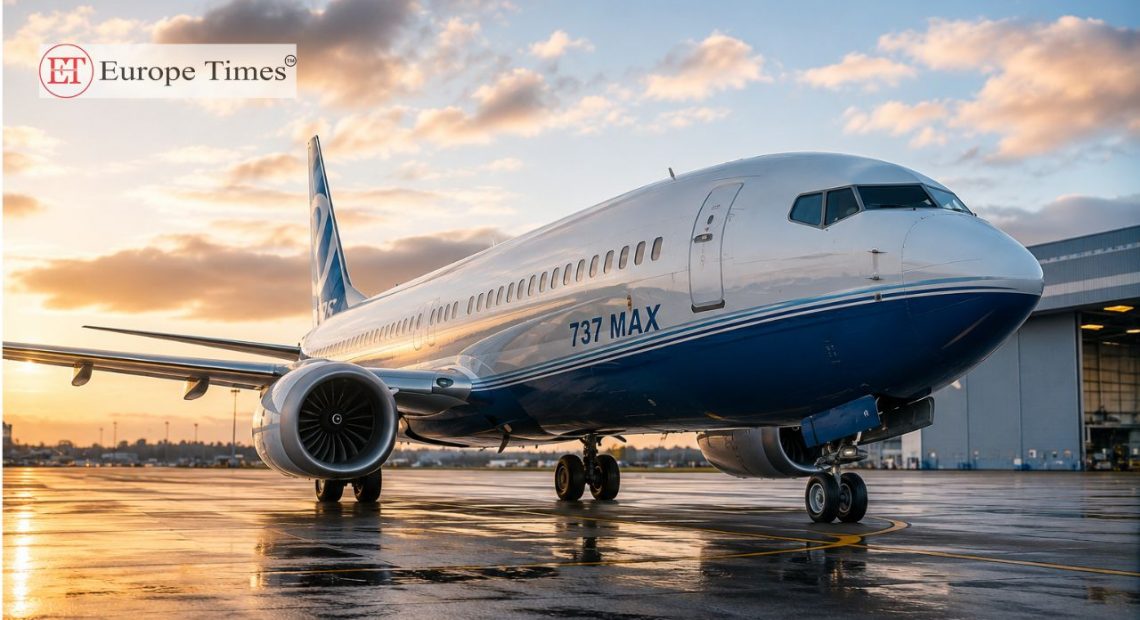
Boeing is in the final stages of securing regulatory approval for a redesigned engine anti-ice system on its 737 MAX aircraft, a key step toward certifying the delayed MAX 7 and MAX 10 variants. The updated system addresses a potential overheating issue that could lead to engine failure and has been the primary obstacle preventing the two models from entering commercial service.

The company said the 737 MAX 10 has completed 98% of its certification flight testing, with only two test flights remaining. Boeing has already built around 30 MAX 7 aircraft and nine MAX 10 jets awaiting delivery. Once approved, airlines operating existing 737 MAX aircraft will also need to retrofit the improved anti-ice system during scheduled maintenance to minimize operational disruption.

The certification process has faced years of delays following increased regulatory scrutiny after the fatal 737 MAX crashes in 2018 and 2019, as well as quality concerns raised in recent years. Boeing also confirmed that its new safety enhancements, including an updated flight crew alerting system, will be installed across the entire 737 MAX fleet within two years of regulatory certification.

Pic courtesy: google/ images are subject to copyright

featured News Trending

The UK’s Competition and Markets Authority (CMA) has launched an investigation into Ryanair over charges imposed on parents who want to sit next to their children on flights. The regulator is examining whether the airline’s “mandatory family seat” policy, which typically costs around £8 each way, is unfair under consumer protection laws. Ryanair’s terms require parents to sit with children aged between two and 11, raising concerns that families may be paying extra for a requirement linked to child safety obligations.

The CMA will also assess whether the seat reservation fee is clearly presented during the booking process or added later as an extra charge. According to the watchdog, Ryanair appears to be the only major airline operating from the UK that charges parents in this way, while other carriers generally seat families together at no additional cost. The investigation remains at an early stage, and the CMA has not yet concluded whether any laws have been broken.

Ryanair has strongly rejected the investigation, describing it as “bogus” and insisting its family seating policy complies with all applicable laws. The airline stated that only one adult seat reservation fee is charged per booking, while up to four children can be seated next to that adult free of charge. Consumer group Which? welcomed the CMA’s move, arguing that families should not be forced to pay extra simply to sit with young children during flights.

Pic courtesy: google/ images are subject to copyright

featured News Trending

The European Cockpit Association (ECA) is urging European regulators to close what it describes as a loophole that allows airlines to hire pilots and cabin crew through outsourcing agencies instead of employing them directly. The union argues that the practice weakens worker protections and leaves aviation staff vulnerable to sudden job losses and reduced employment benefits.

The issue gained attention following the collapse of Latvia-based wet-lease carrier SmartLynx Airlines in late 2025. Hundreds of pilots and cabin crew reportedly lost their jobs, with many still awaiting final payments. Former employees said they were directed to join through third-party staffing agencies rather than being hired directly by the airline.

The ECA says the problem extends beyond a single airline and reflects broader employment practices in the ACMI (aircraft, crew, maintenance and insurance) sector. A 2025 study by the University of Ghent found that pilots employed through such arrangements reported higher job insecurity, poorer mental health and greater reluctance to report fatigue, prompting calls for stronger labour protections across Europe’s aviation industry.

Pic courtesy: google/ images are subject to copyright

featured News Trending

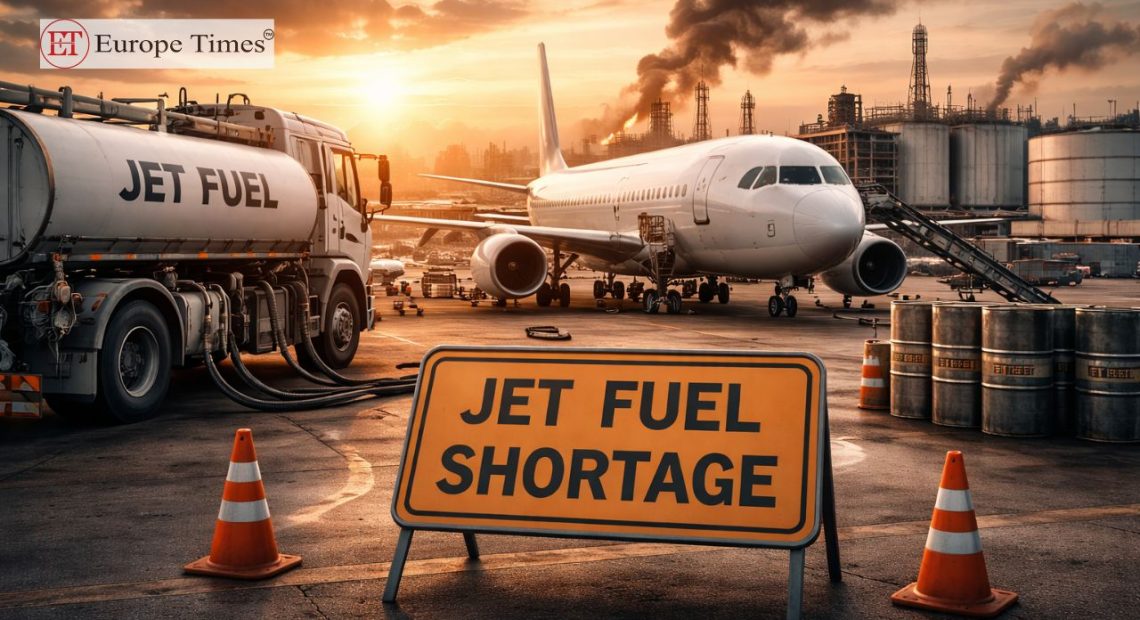
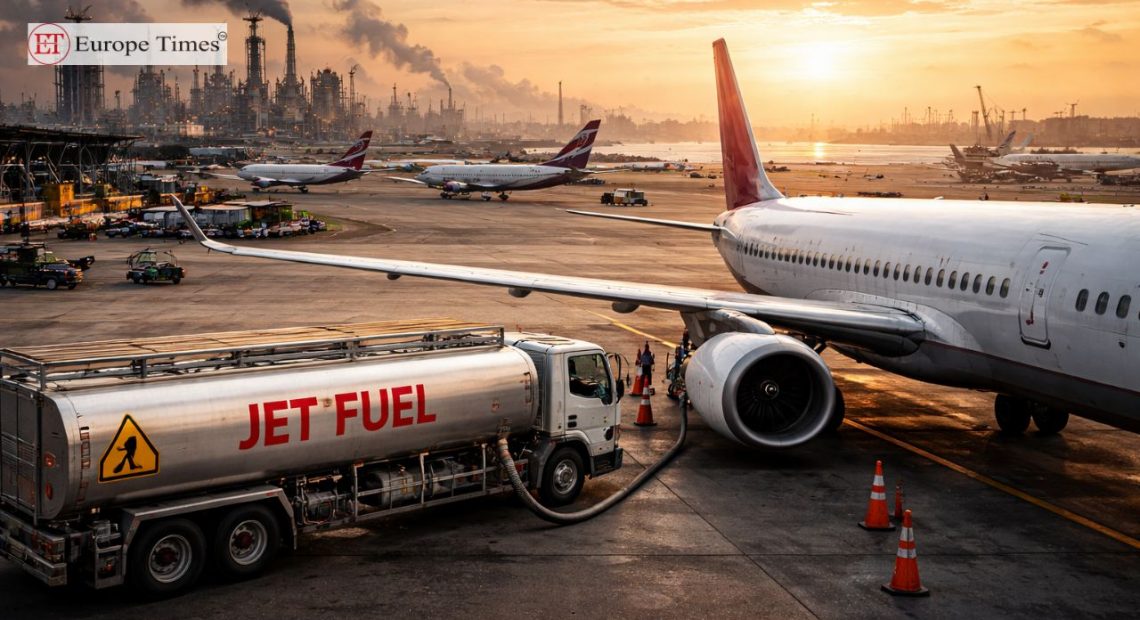
Europe could face a severe jet fuel shortage within weeks as disruptions in Middle East supply chains intensify, according to the International Energy Agency. The closure of the Strait of Hormuz has sharply reduced exports, pushing prices to record highs and raising concerns that stocks could hit critical levels by June if alternative supplies are not secured.

The IEA warned that even with increased shipments from countries like the US and Nigeria, Europe may only be able to replace just over half of its lost imports. Since the region typically relies on the Middle East for around 75% of its jet fuel, analysts say shortages could begin to affect airports, potentially leading to flight cancellations, especially during the busy summer travel season.

While officials and industry groups say there is no immediate disruption, they acknowledge growing risks ahead. Airlines and governments are exploring contingency measures as rising fuel costs already impact operations. If supply constraints persist, smaller airports could be hit hardest, even as major hubs are prioritized for limited fuel availability.

Pic courtesy: google/ images are subject to copyright

featured News Trending

Global airline and travel industries are unlikely to see immediate relief despite the U.S.-Iran ceasefire, as jet fuel supply disruptions and refinery damage continue to strain operations. Aviation leaders warn that even if the Strait of Hormuz reopens, it could take months for jet fuel supplies to stabilize due to ongoing disruptions in Middle East refining capacity.

Airlines are already facing rising operational costs, with fuel prices more than doubling since the conflict began. Carriers are cutting flights, increasing fares, and adjusting routes to manage higher expenses, while major airlines expect billions in additional fuel costs in the coming months. Fuel remains the second-largest expense for airlines, making recovery slower despite falling crude oil prices.

Although airline stocks surged on hopes of improved supply and safer travel routes, the broader travel and tourism sector will take longer to recover. Cruise ships remain stranded in key Middle East ports, and experts say tourism sentiment could take several months to return as safety perceptions gradually improve.

Pic courtesy: google/ images are subject to copyright

featured News Trending

Global airlines are raising ticket prices and reducing flight capacity as soaring oil prices sharply increase operating costs, creating uncertainty for the industry’s profitability. The sudden spike in jet fuel prices, triggered by geopolitical tensions in the Middle East, has forced carriers to rethink pricing strategies and route planning, even as higher travel costs threaten to weaken consumer demand.

Before the conflict-driven fuel surge, airlines had projected record global profits of $41 billion in 2026. However, the doubling of jet fuel prices has disrupted those expectations, prompting airlines such as United Airlines, Air New Zealand, and SAS to introduce fare hikes, fuel surcharges, and capacity cuts. Analysts warn airlines face a difficult balance — raising fares to offset costs while potentially lowering prices later to stimulate demand if travelers cut back on spending.

Despite record passenger traffic in recent years, supply-chain issues and delayed aircraft deliveries limit airlines’ ability to reduce costs through fleet upgrades. Low-cost carriers may be hit hardest as price-sensitive travelers shift to cheaper transport alternatives. Experts say financially stronger airlines with solid balance sheets are better positioned to withstand the ongoing oil shock, while weaker carriers could face mounting financial pressure.

Pic courtesy: google/ images are subject to copyright

featured News Trending

The ongoing Iran conflict has begun to impact tourism in Cyprus and Greece, with rising cancellations and a slowdown in new bookings ahead of the crucial summer season. The situation escalated after military strikes in late February and subsequent counterattacks, including a drone strike near a British base in Cyprus, triggering concerns among travellers and leading to a sharp drop in visitor interest.

In Cyprus, cancellations for short-term rentals surged dramatically, at one point reaching nearly 100% in the days following the escalation, before easing to around 45% by late March. The country’s hospitality sector has reported significant declines in bookings for March and April, prompting the central bank to cut its 2026 economic growth forecast. Airlines and travel operators have also noted reduced demand, with tourists shifting preferences to destinations like Spain.

Greece has also seen a slowdown, particularly in pre-bookings, although the impact has been less severe. Major carriers report declining demand from key markets such as Israel and Gulf countries, while tourism officials remain cautiously optimistic. Industry stakeholders warn that if the uncertainty continues into peak summer months, it could pose a serious risk to economies heavily reliant on seasonal tourism.

Pic courtesy: google/ images are subject to copyright