featured News Trending

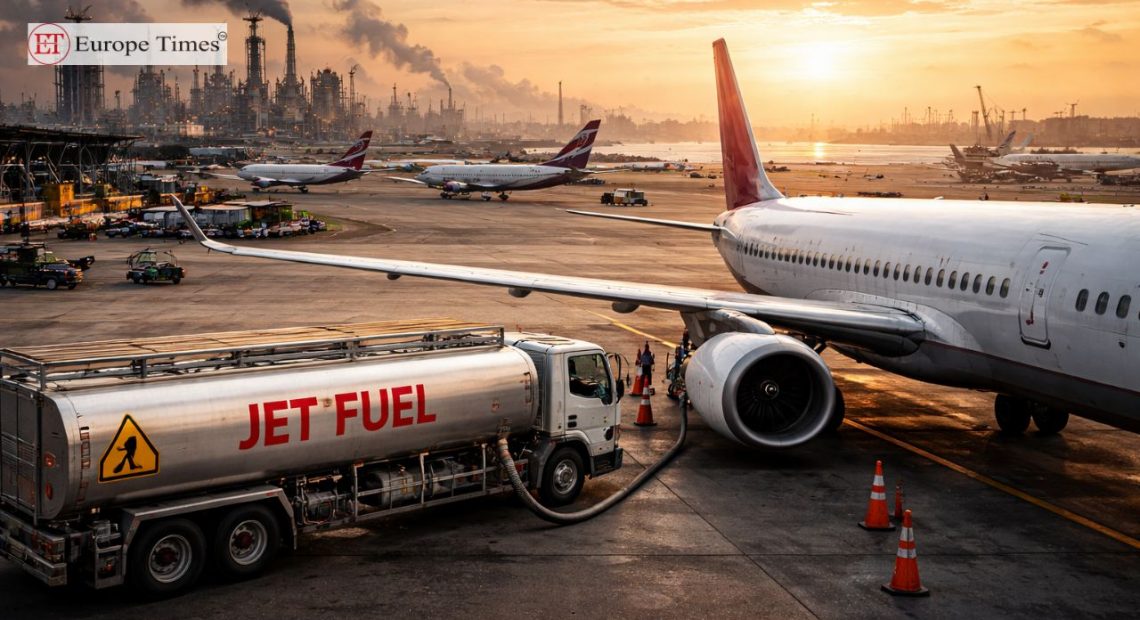
Global airline and travel industries are unlikely to see immediate relief despite the U.S.-Iran ceasefire, as jet fuel supply disruptions and refinery damage continue to strain operations. Aviation leaders warn that even if the Strait of Hormuz reopens, it could take months for jet fuel supplies to stabilize due to ongoing disruptions in Middle East refining capacity.

Airlines are already facing rising operational costs, with fuel prices more than doubling since the conflict began. Carriers are cutting flights, increasing fares, and adjusting routes to manage higher expenses, while major airlines expect billions in additional fuel costs in the coming months. Fuel remains the second-largest expense for airlines, making recovery slower despite falling crude oil prices.

Although airline stocks surged on hopes of improved supply and safer travel routes, the broader travel and tourism sector will take longer to recover. Cruise ships remain stranded in key Middle East ports, and experts say tourism sentiment could take several months to return as safety perceptions gradually improve.

Pic courtesy: google/ images are subject to copyright

featured News Trending

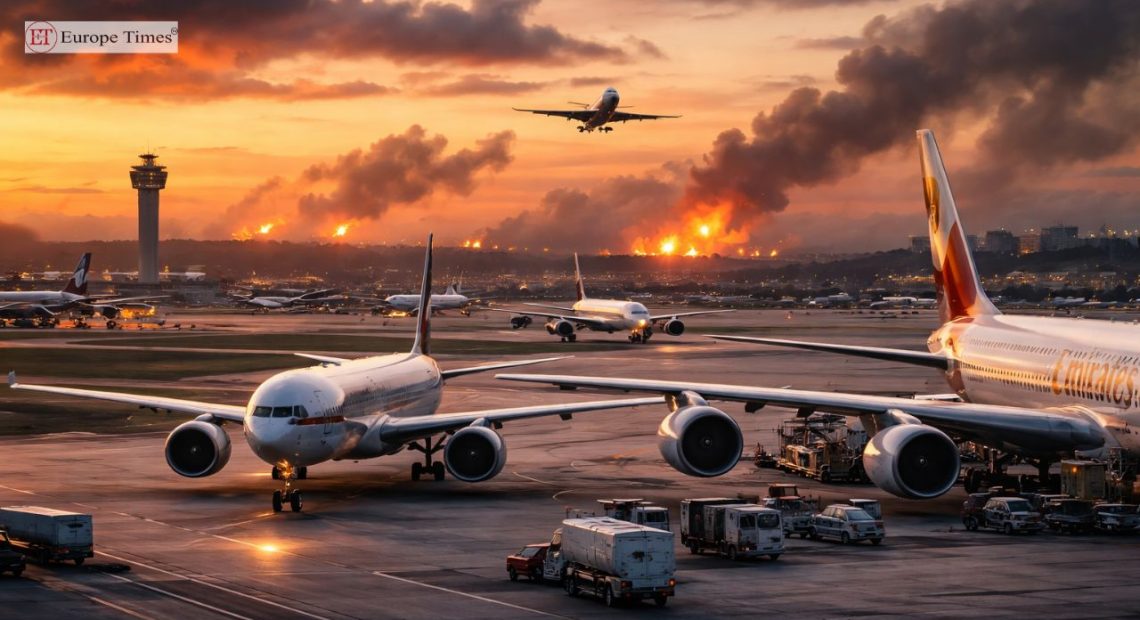
The global airline industry faced fresh volatility on Thursday as rising jet fuel prices and widespread flight disruptions followed the escalating conflict involving Iran and joint strikes by the United States and Israel. Several Middle Eastern airspaces were closed due to missile risks, forcing airlines to cancel or reroute flights. Operations at Dubai International Airport, the world’s busiest international hub, began slowly resuming after coming close to a halt earlier in the week.

Airline stocks showed mixed movement as the crisis affected routes and fuel costs. Shares of carriers such as Cathay Pacific and Qantas Airways recovered slightly, while others like Wizz Air dropped sharply after warning the conflict could cut about $58 million from its profits. Analysts say airlines with strong exposure to Middle Eastern routes are particularly vulnerable as jet fuel prices surge and flight paths become longer due to airspace restrictions.

Meanwhile, airlines including Emirates, Etihad Airways and Qatar Airways have started limited services through safer corridors while governments organize evacuation flights for stranded citizens. More than 17,000 Americans have already returned home, while other countries continue repatriation efforts as the aviation sector closely watches how the conflict around Iran unfolds.

Pic courtesy: google/ images are subject to copyright