featured News Trending

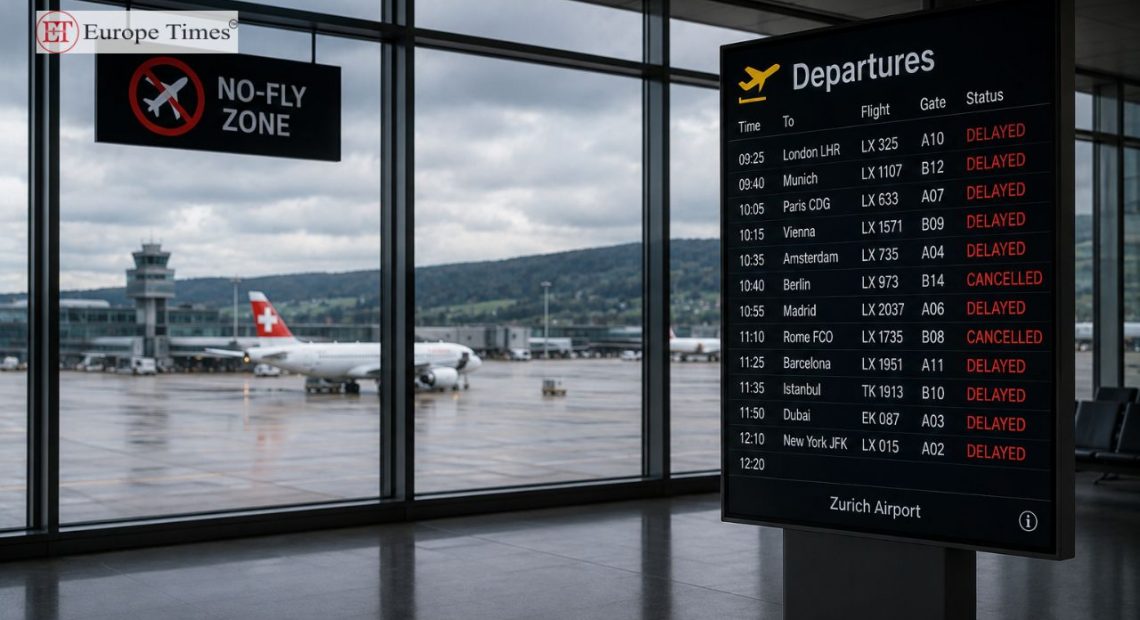
Flight operations at Zurich Airport faced significant disruptions after a technical issue linked to security measures for ongoing US-Iran peace talks in Switzerland. Swiss air traffic control authority Skyguide said the problem occurred when a newly established restricted airspace over the Buergenstock resort, where the negotiations are taking place, was integrated into radar systems at short notice.

The no-fly zone was implemented after the decision to host the latest round of talks was finalized only a day earlier. The technical glitch temporarily affected air traffic management, leading to cancellations and delays. Airport officials reported that 12 arriving flights and 14 departing flights were cancelled, while at least 60 departures experienced delays before the issue was resolved.

Authorities confirmed that operations have since returned to normal and that aviation safety was never compromised. The security restrictions coincide with high-level diplomatic discussions between the United States and Iran at the Swiss resort, which has been chosen as a discreet and secure venue for the sensitive negotiations.

Pic courtesy: google/ images are subject to copyright

featured News Trending

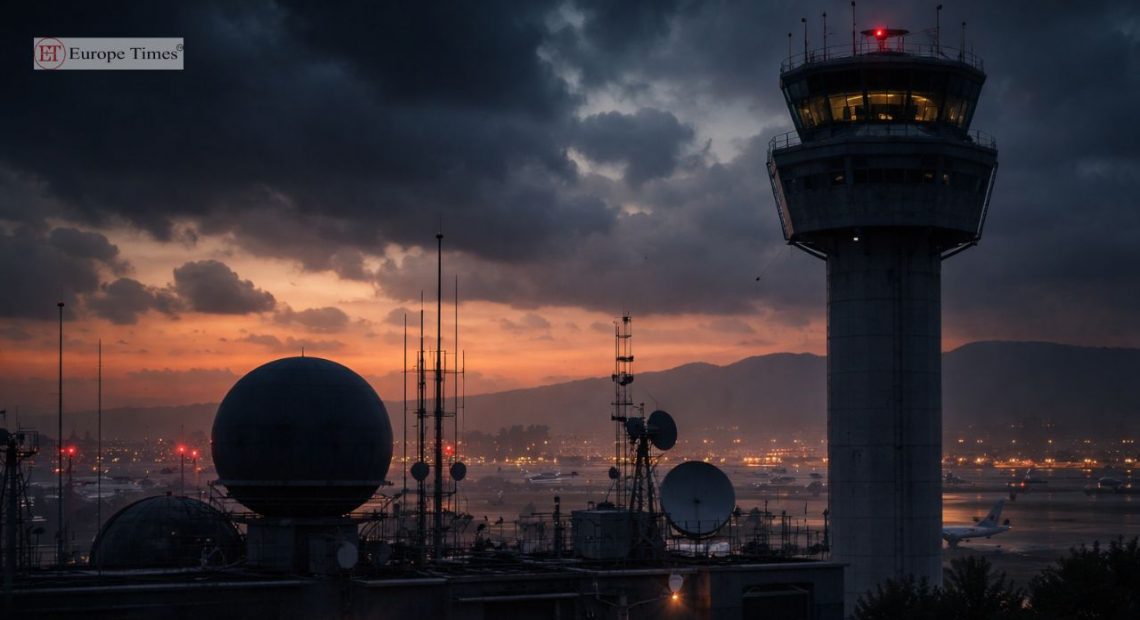
Greece’s air traffic control system suffered a major communications outage on Sunday, cutting contact between controllers and aircraft across much of the country and forcing authorities to suspend flights into and over Greek airspace. Controllers described radios falling silent mid-operation, replaced by a high-pitched noise, while internet systems also failed, disrupting coordination nationwide. The outage, which lasted several hours, stranded thousands of passengers before systems inexplicably came back online.

Officials have ruled out a cyberattack but admitted they do not yet know what caused the blackout or how it resolved itself. Controllers managed to find a limited number of functioning radio frequencies, but not enough to ensure safe operations, prompting the unprecedented shutdown. Neighbouring countries assisted using telephone communication, with aviation experts describing the episode as a “black hole” in Greek airspace that could have caused chaos during peak tourist season.

The incident has renewed scrutiny of Greece’s ageing and underfunded air traffic infrastructure, much of which dates back to the 1990s. Unions and experts warn that outdated equipment and staffing shortages pose ongoing safety risks, despite government assurances that modernisation plans meeting EU standards are underway and scheduled for completion by 2028. Critics argue that human expertise can no longer compensate for systemic weaknesses, warning of further disruptions if upgrades are delayed.

Pic courtesy: google/ images are subject to copyright

featured News

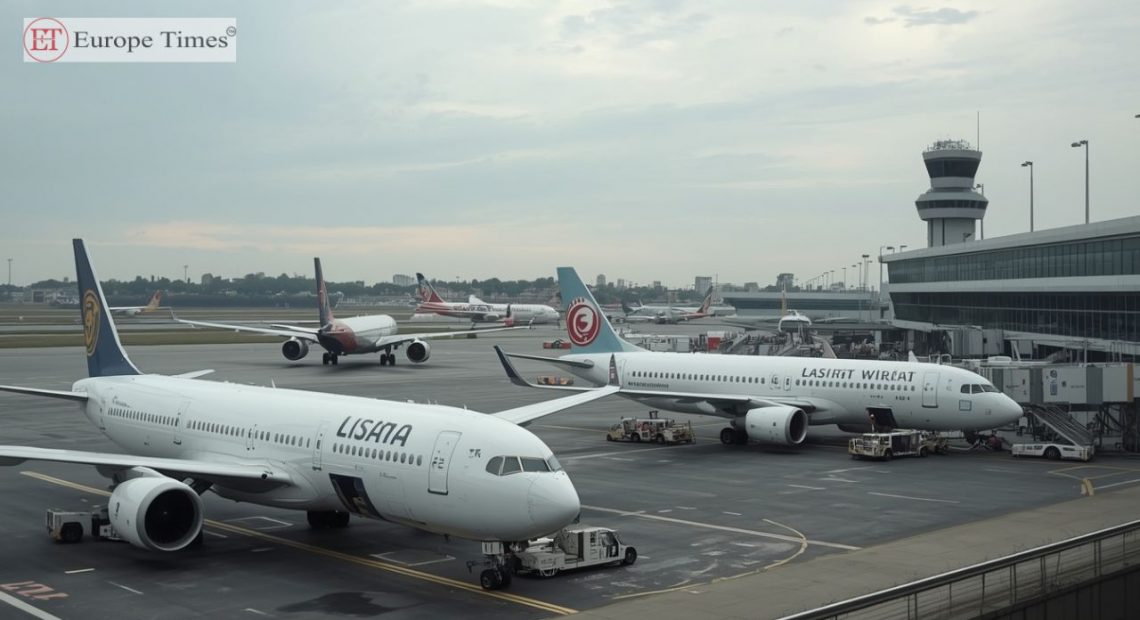
Germany has accused Russia of carrying out a cyber-attack on its air traffic control systems and attempting to interfere in the country’s federal elections, prompting Berlin to summon the Russian ambassador. A German foreign ministry spokesman said Russian military intelligence was responsible for hacking office communications at Germany’s air navigation service provider in August 2024, while also running a disinformation campaign aimed at destabilising domestic politics ahead of the February elections.

According to German authorities, the attack has been linked to the Russian hacker group Fancy Bear, which is believed to operate under the GRU, Russia’s military intelligence service. Officials said intelligence findings confirmed GRU responsibility and accused Moscow of spreading fake videos alleging ballot manipulation, targeting senior political figures including Green Party leader Robert Habeck and CDU leader Friedrich Merz, now Germany’s chancellor. While the cyber-attack did not disrupt flights, Berlin said it was part of a broader effort to undermine democratic processes.

Russia has firmly denied the allegations, calling them baseless and “absurd”. However, Germany said it would coordinate with European partners to impose counter-measures and make Russia “pay a price” for what it described as hybrid warfare. The accusations come amid growing concern across Europe over suspected Russian cyber and disinformation campaigns since the invasion of Ukraine, which has significantly worsened relations between Berlin and Moscow.

Pic courtesy: google/ images are subject to copyright