featured News Trending

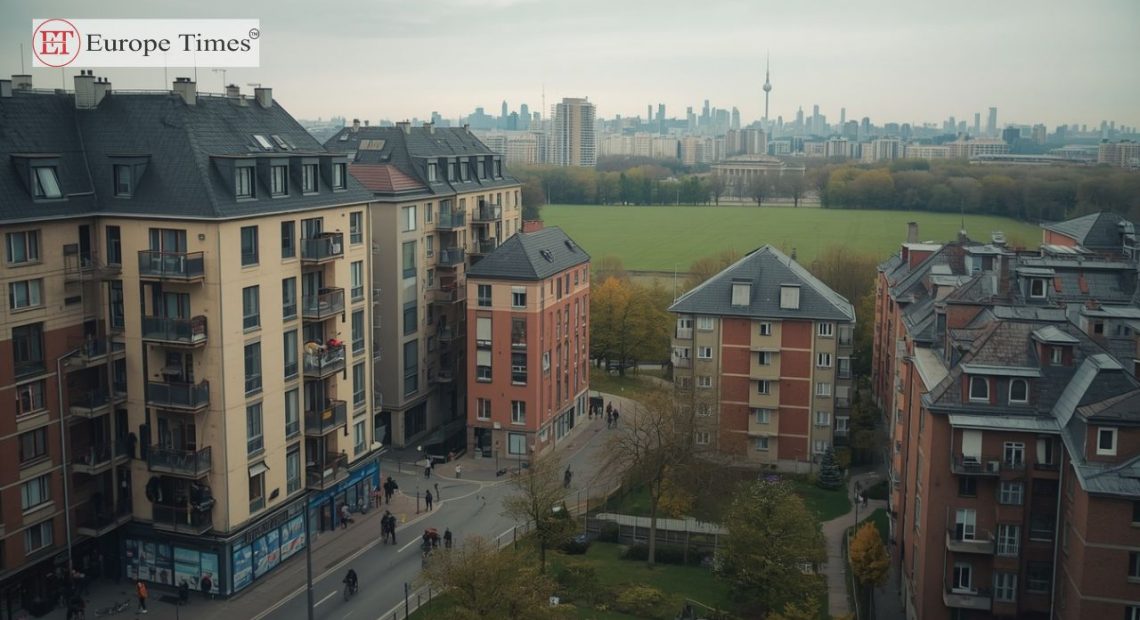
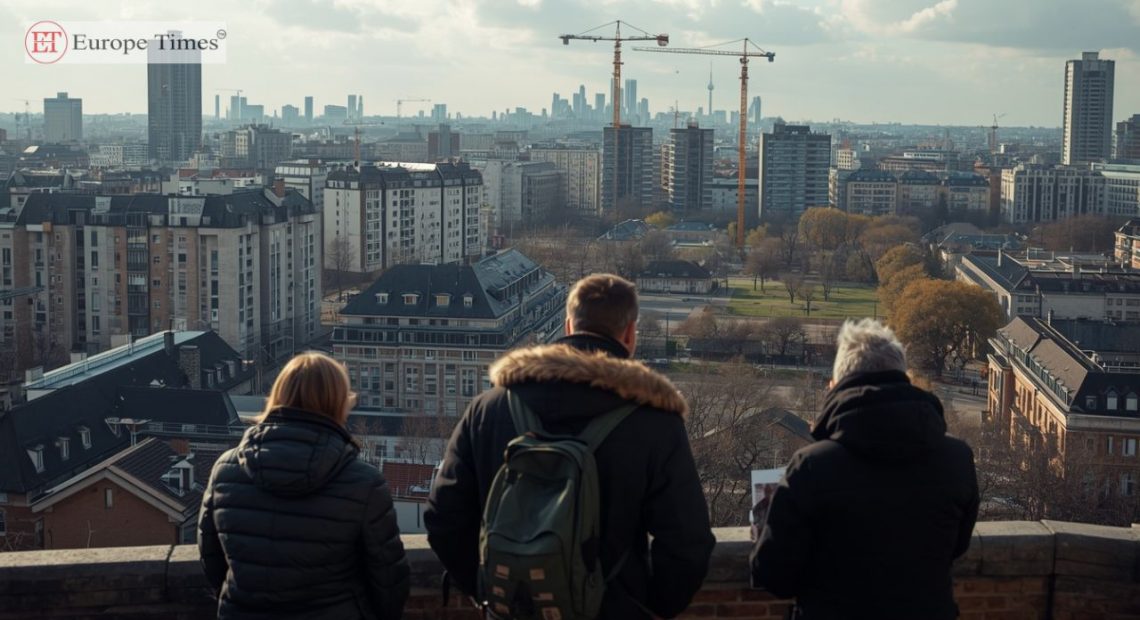
Berlin’s severe housing shortage and rapidly rising rents have become the biggest concerns for voters ahead of the September 20 state election. Around 85% of households in the German capital are renters, while advertised rents have nearly doubled since 2014. The city is projected to need around 211,000 additional homes by 2040.

The debate has also focused on Tempelhofer Feld, the former airport turned public park. Some parties support limited housing development on parts of the site, while others want to preserve the open space and build homes elsewhere. Nearly two-thirds of Berlin voters backed keeping the area largely free from development in a 2014 referendum.

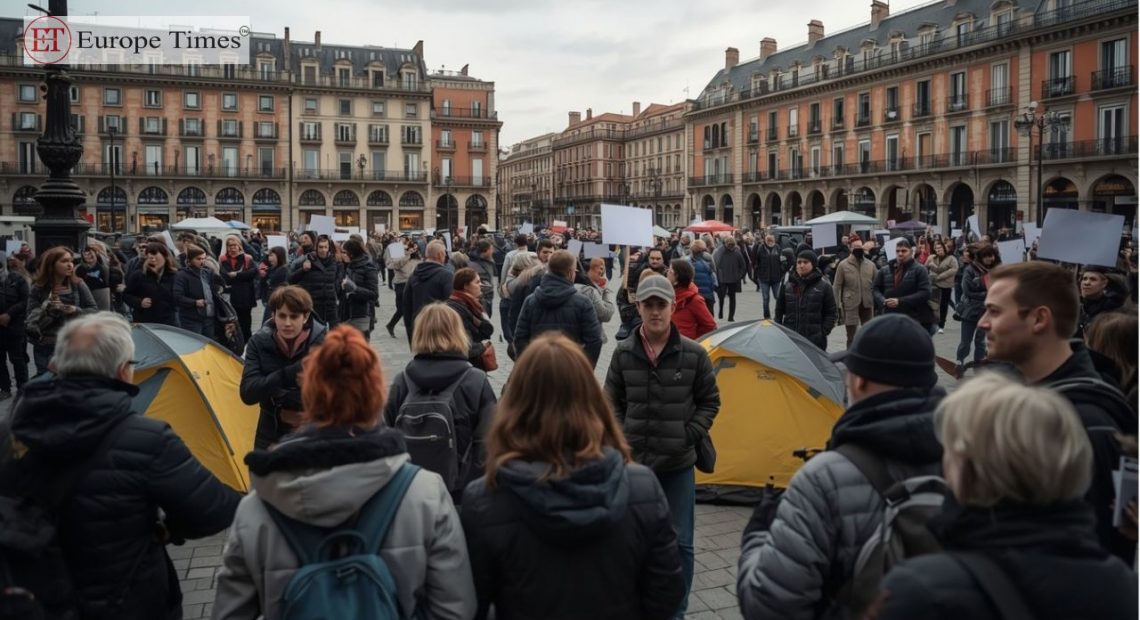
Berlin’s strong economic growth and expanding population have added pressure to the housing market. Thousands of people recently protested against high rents, while businesses including nightclubs have also reported difficulties coping with rising costs. The election is being closely watched as another test for Chancellor Friedrich Merz’s national government.

Pic courtesy: google/ images are subject to copyright

featured News Trending

Berlin’s housing shortage and soaring rents have emerged as the biggest concerns ahead of the city election on September 20. Around 85% of households in the German capital are renters, while advertised rents have nearly doubled since 2014. Berlin is expected to need around 211,000 additional homes by 2040, intensifying pressure on the city government.

A major point of debate is the future of Tempelhofer Feld, the former airport that is now a vast public park. Supporters of limited development argue that building homes on part of the site could help ease the shortage, while opponents want to preserve the open space. Political parties have offered different proposals, including affordable housing construction, rent restrictions and greater protection for existing homes.

Berlin’s economic growth and expanding population have increased demand for housing, pushing up rents and land prices. Thousands of residents recently protested against high housing costs, with some saying they face rents of €1,500 or more for small apartments. The election is also being closely watched as another test for Chancellor Friedrich Merz’s national government.

featured News Trending

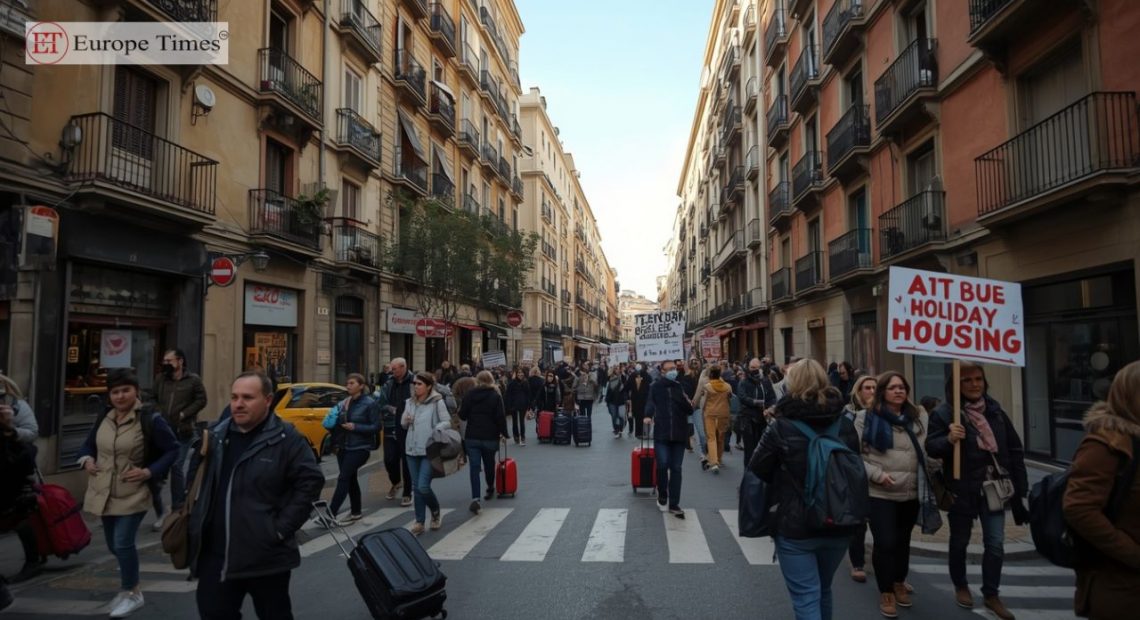
The European Union is considering new rules to restrict Airbnb and other short-term rental platforms in areas facing housing shortages. The proposal aims to address rising housing costs in popular tourist destinations, where residents have protested the growing number of holiday rentals.

The draft Affordable Housing Act would allow authorities to identify areas under housing pressure based on factors such as housing affordability, population growth and the balance between housing supply and demand. Instead of outright bans, governments could introduce limits on short-term rentals or protections for existing operators.

European Commission Vice-President Teresa Ribera is expected to present the proposal on September 9. It will then need to be debated by EU member states and the European Parliament before becoming law. The plan follows new EU rules requiring short-term rental platforms to share listing data with authorities, while industry groups have warned against disproportionate restrictions.

featured News Trending

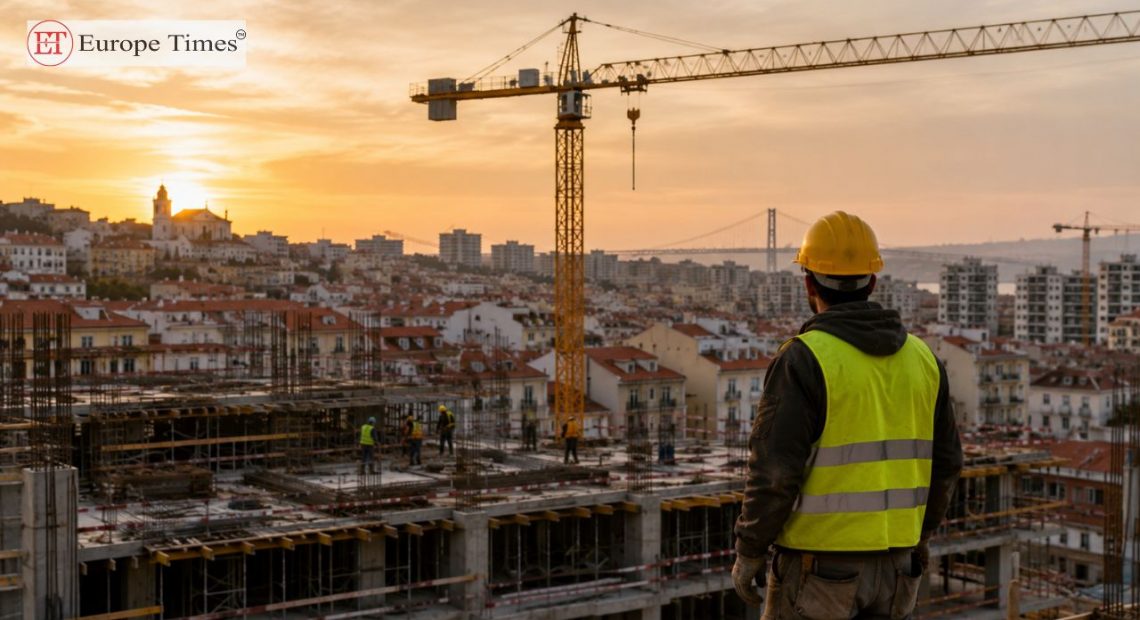
Portugal’s stricter immigration policies are creating labour shortages in the construction sector, raising concerns over the country’s ability to tackle its growing housing crisis. Industry leaders say migrants make up a significant portion of the workforce, and tighter rules have reduced the number of workers available for major housing and infrastructure projects.

The country faces a shortage of around 300,000 homes and aims to build 150,000 affordable houses by 2030 through an EU-backed programme. However, construction groups estimate the sector still needs tens of thousands of additional workers, warning that labour shortages could delay projects, including Lisbon’s new airport and affordable housing developments.

Many migrant workers already living in Portugal also face uncertainty over renewing their residence permits under the revised regulations. While the government says the measures are intended to control immigration and improve living conditions, industry experts argue that foreign workers remain essential to supporting Portugal’s economy and addressing its housing shortage.

Pic courtesy: google/ images are subject to copyright