News Trending

Due to the Russian gas crisis, the German city of Hanover has turned off the heating and switched to cold showers in all public buildings. After Russia significantly reduced Germany’s gas supplies, it is the first major city to turn off the hot water.

Germans have been warned to prepare for significant gas conservation efforts as well as increased energy bill costs. Additionally, the EU has decided to reduce its need for Russian gas by 15% this winter. Hanover, a city in northern Germany, has decided that hot water would no longer be offered for hand washing in public buildings or in showers at swimming pools, sports arenas, and gyms in an effort to conserve energy.

To save energy, public fountains are also being turned off, and there won’t be any nighttime lighting on significant structures like the town hall and museums.

In response to a “imminent gas scarcity,” which posed a substantial problem for large cities, Mayor Belit Onay stated that the objective was to lower the city’s energy use by 15%.

The same regulations apply to heating. Room temperatures in public buildings are regulated to a maximum of 20C for the remainder of the year, with some exceptions, and are prohibited from being heated from April through the end of September each year.

Additionally, the city has banned portable heaters, air conditioners, and radiators.

Picture Courtesy: Google/images are subject to copyright

News Trending

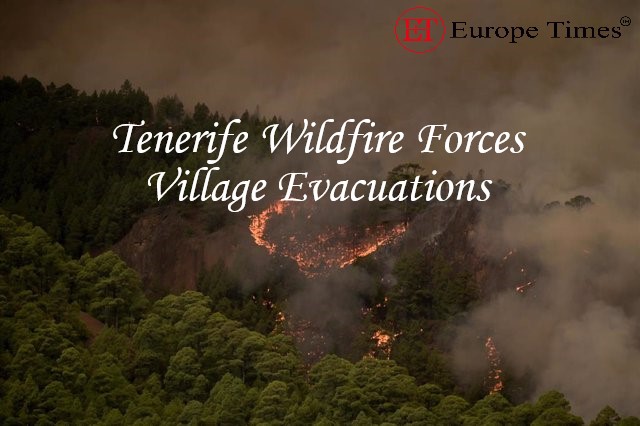
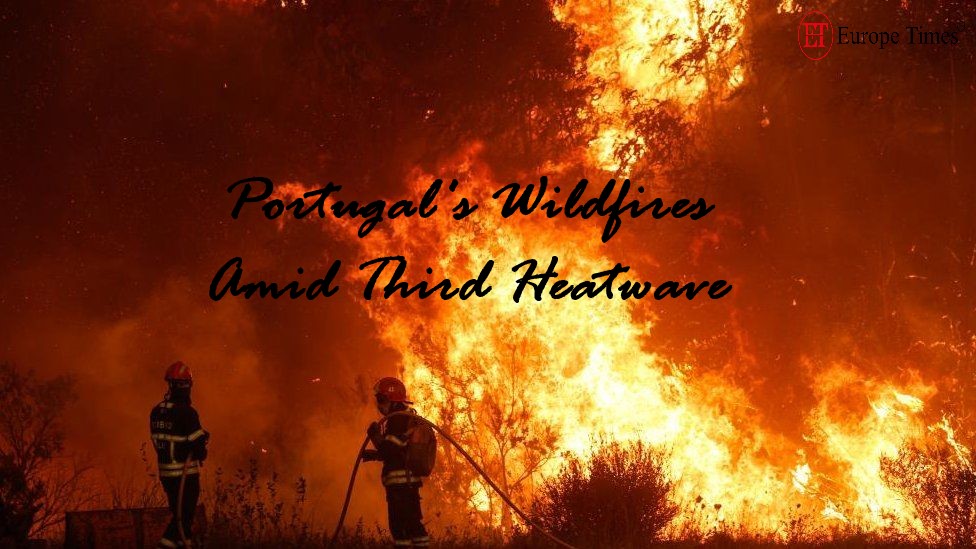
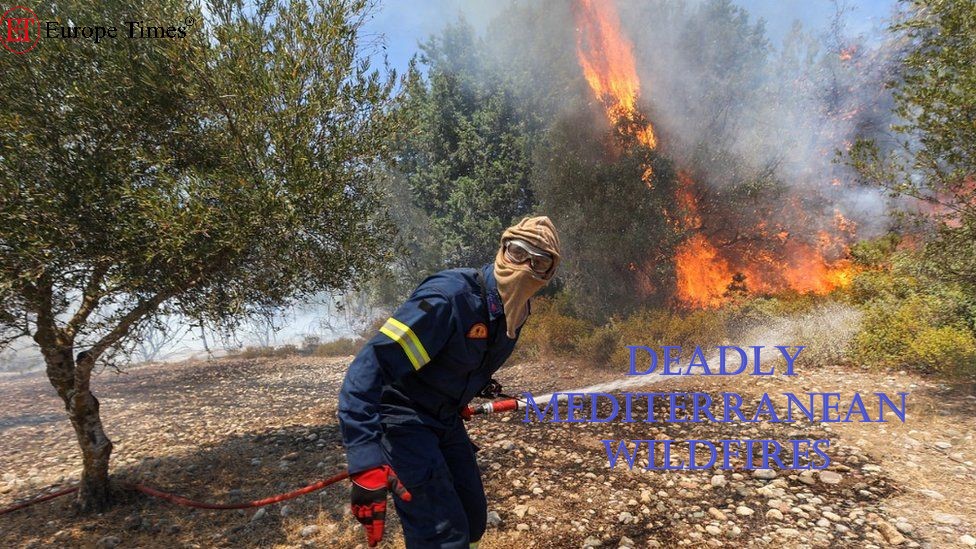
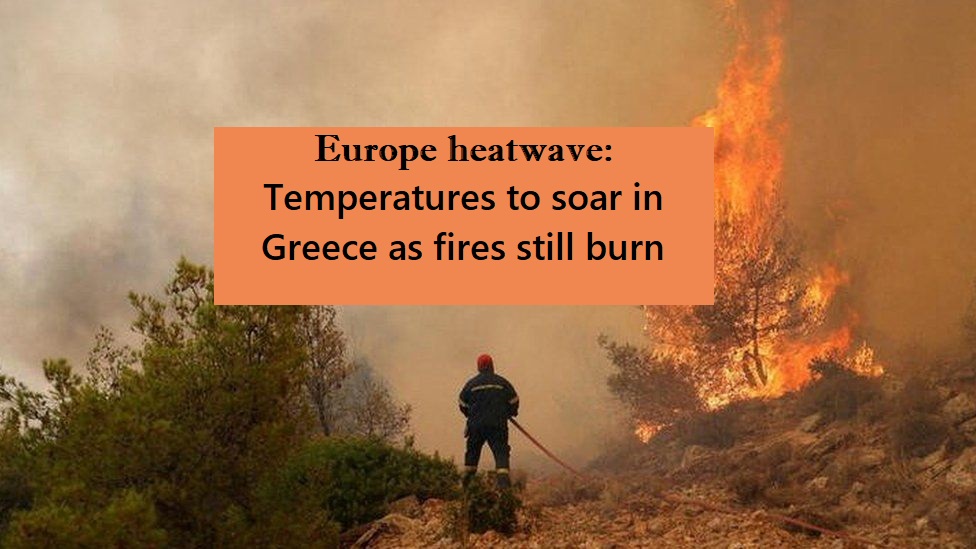
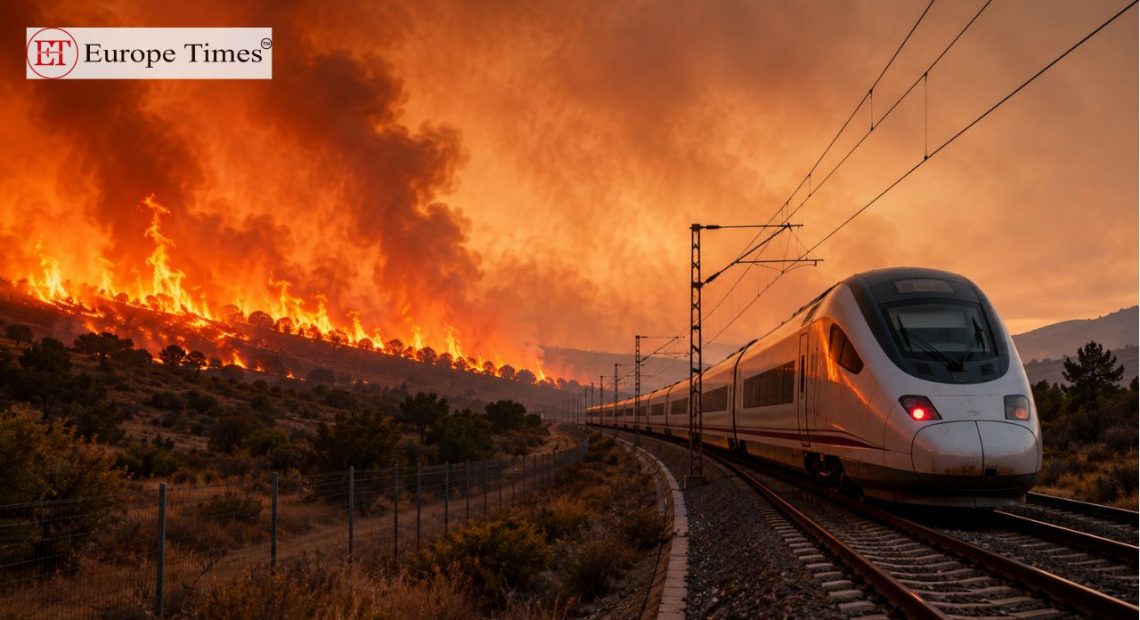
As fires are driven up by strong winds and tinder-dry conditions in various nations in Europe, residents and vacationers have left towns and villages in France.

In the past few days, more than 10,000 people have been compelled to leave the south-western Gironde region. In Portugal and Spain, where temperatures have soared beyond 40C, dozens of flames are currently raging.

The heatwave was responsible for at least 281 fatalities in the two nations. In western Spain, several towns have been evacuated.

The leader of the French Firefighters Federation has issued a warning about the effect that climate change is having on civil defence. Grégory Allione stated that “firefighters and civil security are the ones who deal with the impacts on a daily basis – and these effects aren’t in 2030, they’re right now.”

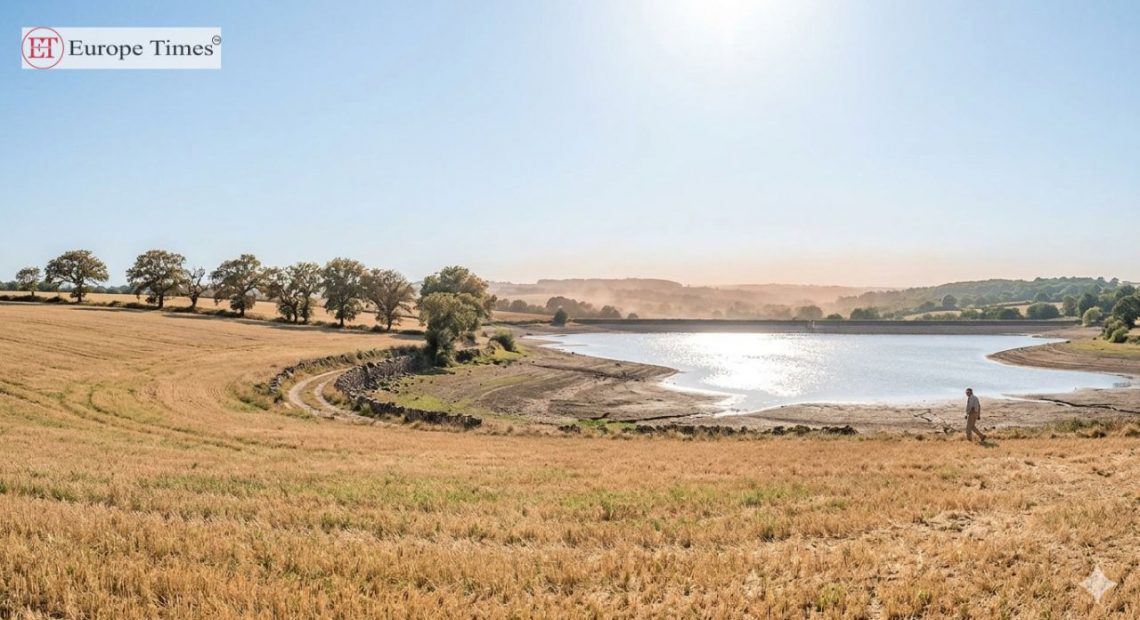
Due to human-induced climate change, heatwaves are now more common, more powerful, and stay longer. Since the start of the industrial age, the world has already warmed by around 1.1C, and temperatures will continue to rise unless governments drastically reduce emissions.

Fires broke out further south in the Monfragüe national park, which is home to endangered bird species. Firefighters in Spain battled to defend the town of Monsagro. When a forest fire got close to the main N-5 road in Cáceres, it closed off access to the park to the east.
On Friday, temperatures were predicted to reach 40C in many parts of western Spain and Portugal. A record high temperature for July in mainland Portugal was reached on Thursday at Pinho in the north, where it was 47C.

However, Spanish meteorologists predicted that temperatures will start to drop on Friday.

The Carlos III Health Institute said on Thursday that the latest heatwave’s first two days, on Sunday and Monday, saw at least 43 fatalities as a result of heat. Since July 7, there have been 238 more deaths than usual in Portugal, which health experts attribute to the extremely hot and dry weather. The elderly, kids, and persons with chronic illnesses are those who are most negatively impacted.

Picture Courtesy: google/images are subject to copyright