featured News Trending

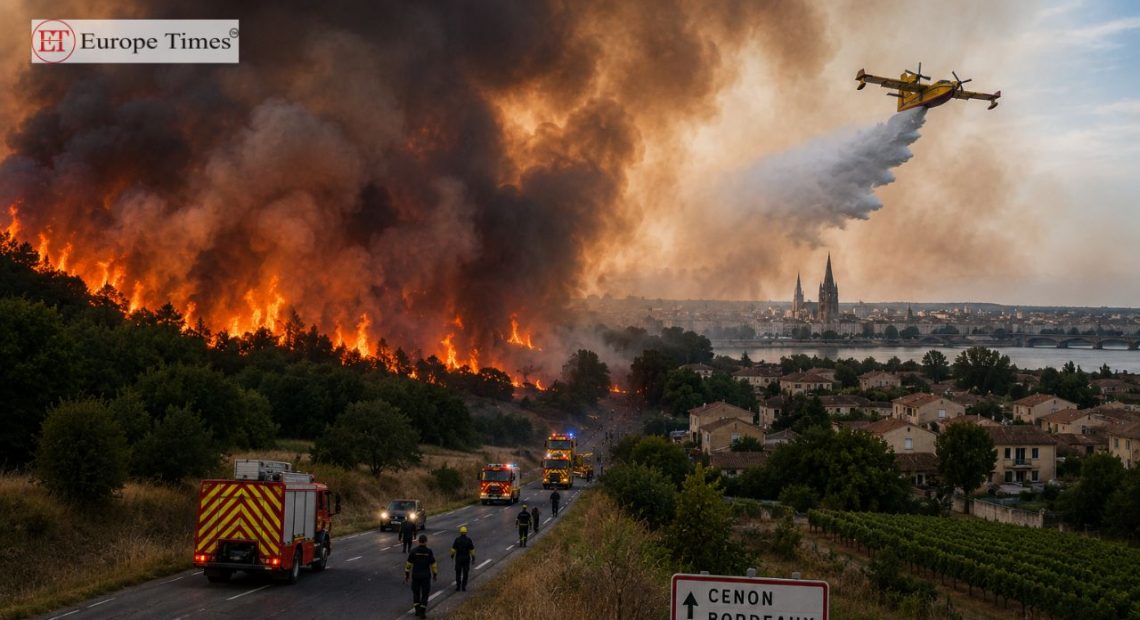
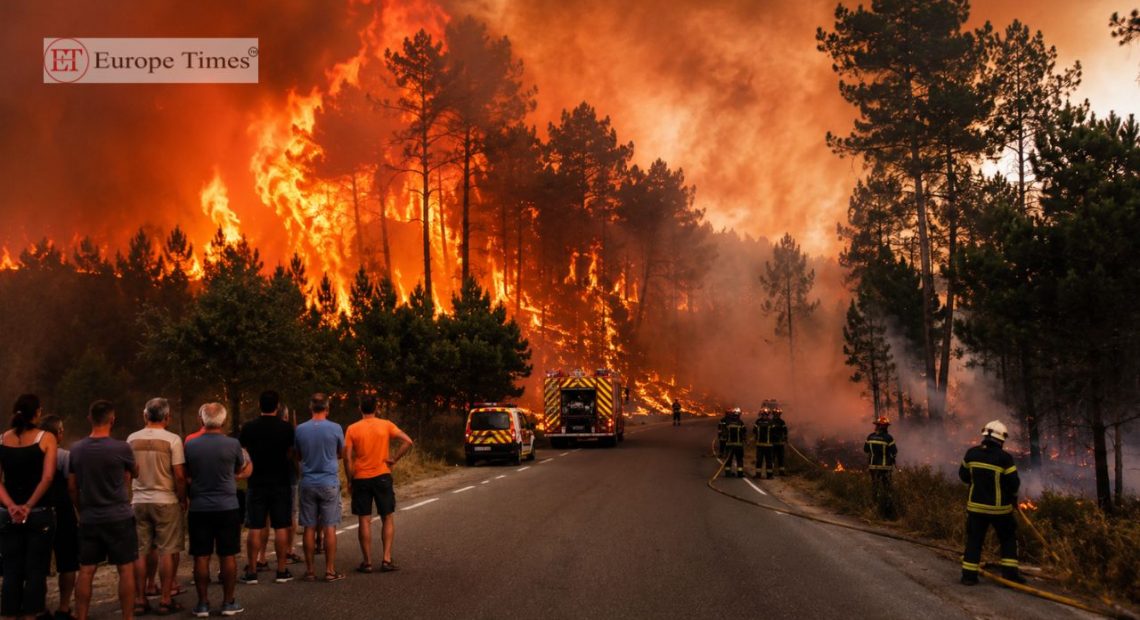
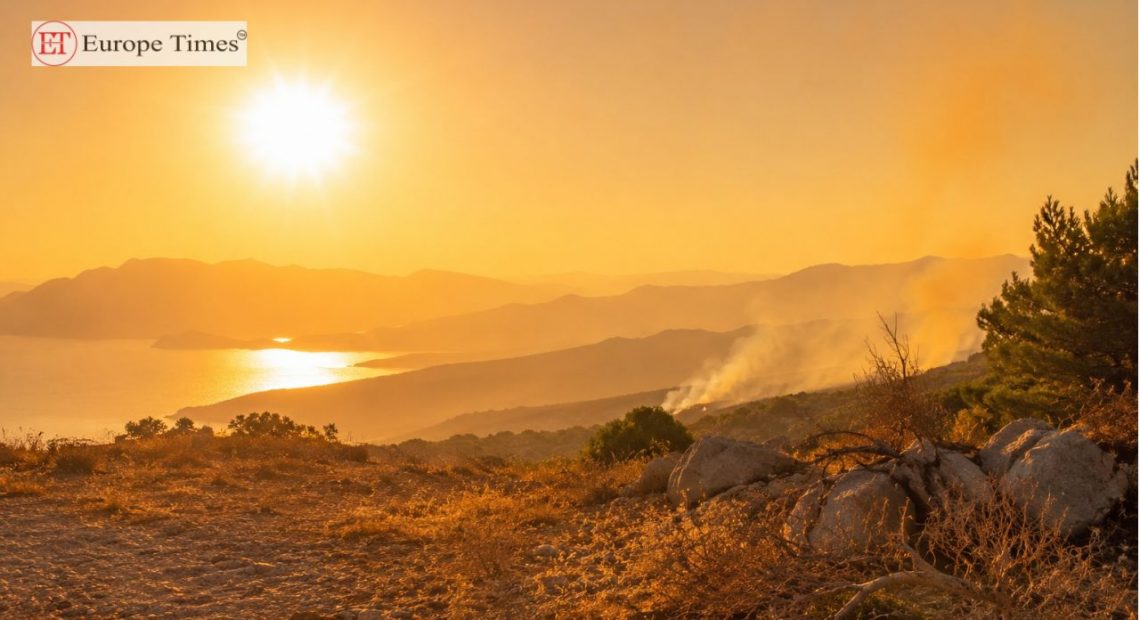
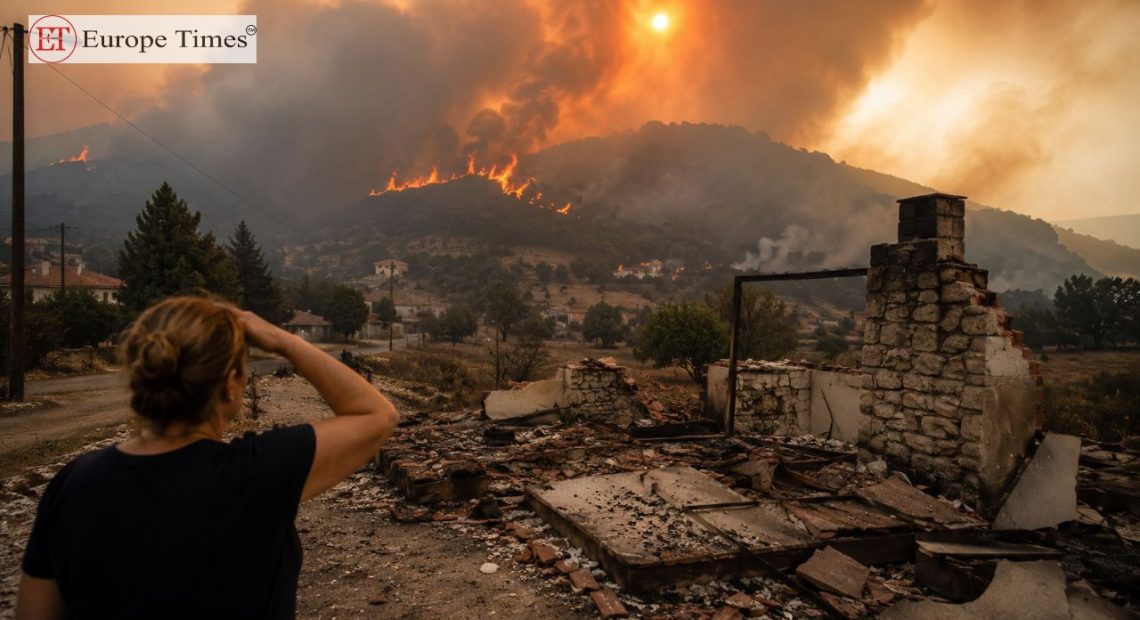
Around 12,000 people, including nearly 10,000 tourists, have been evacuated from France’s Gironde region as severe wildfires continue to spread across south-western parts of the country. More than 2,000 hectares of land have been destroyed, prompting authorities to close roads, restrict access to forested areas, and ban the use of combustion and electric engines in high-risk zones.

The wildfires come just days after two French firefighters lost their lives battling blazes near Bordeaux. The Gironde region remains under a red alert, while emergency services continue efforts to contain the fires. No new injuries have been reported, but officials warn that the extreme fire risk remains high due to ongoing heatwave conditions.

Elsewhere in Europe, Italy and Spain are also battling major wildfires. Sicily has recorded hundreds of fires, including several large blazes that triggered precautionary evacuations, while Spain continues firefighting operations near Madrid. Climate experts say Europe is experiencing increasingly intense heatwaves and wildfire seasons, with record temperatures and burned areas highlighting the growing impact of climate change.

Pic courtesy: google/ images are subject to copyright

featured News Trending

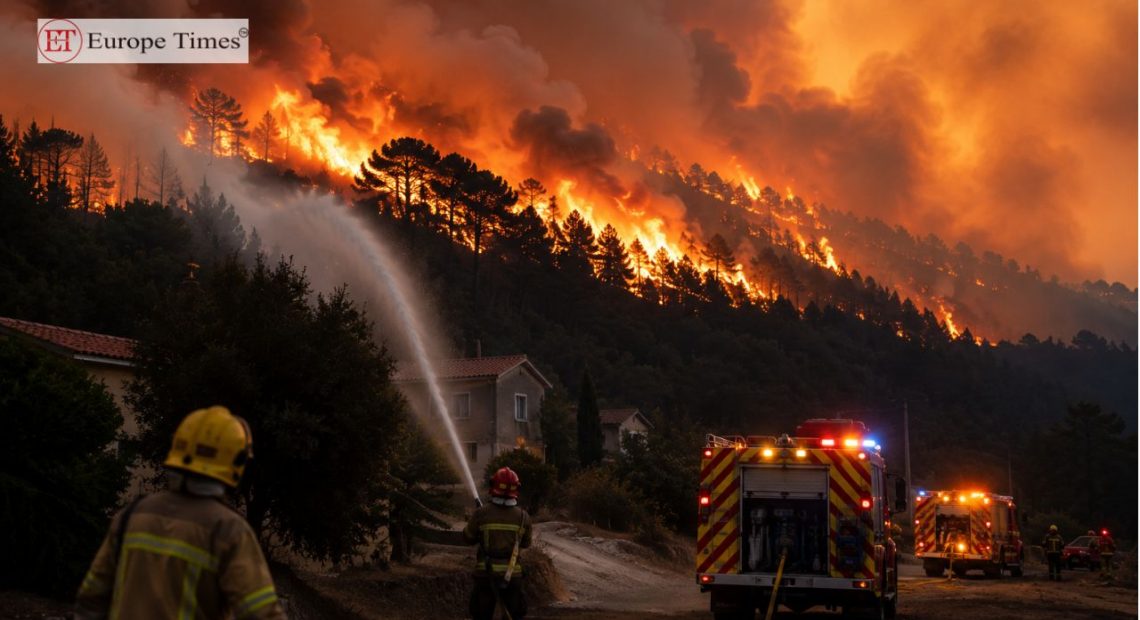
Firefighters in Spain and France are battling major wildfires as extreme heat and dry conditions continue to grip southern Europe. Spain’s largest wildfire of the year has scorched around 32,000 hectares in Guadalajara, though the blaze has begun to stabilise, allowing some evacuated residents to return home. In France, firefighters are working to contain multiple fires, including one in the Var region that has burned thousands of hectares and forced hundreds of people to evacuate.

Authorities have blamed the combination of intense heat, drought, and human activity for the growing number of fires. Two firefighters lost their lives in southwest France after their vehicle was engulfed by flames, while officials have imposed barbecue bans and urged the public to avoid activities that could spark new fires. Spain has already recorded 22 major wildfires this year, burning more than 100,000 hectares nationwide.

Scientists warn that climate change is increasing the frequency and intensity of heatwaves, droughts, and wildfires across Europe. While some regions are expected to see a brief drop in temperatures, weather agencies caution that fire risks remain extremely high and another surge in heat is likely in the coming days.

Pic courtesy: google/ images are subject to copyright

featured News Trending

France’s record-breaking late-June heatwave has placed immense pressure on funeral homes, hospitals, and elderly care facilities as excess deaths continue to rise. Funeral director Gautier Caton said his company received bodies at up to three times the normal rate, forcing him to rent refrigerated containers and even assist overcrowded funeral services in Paris.

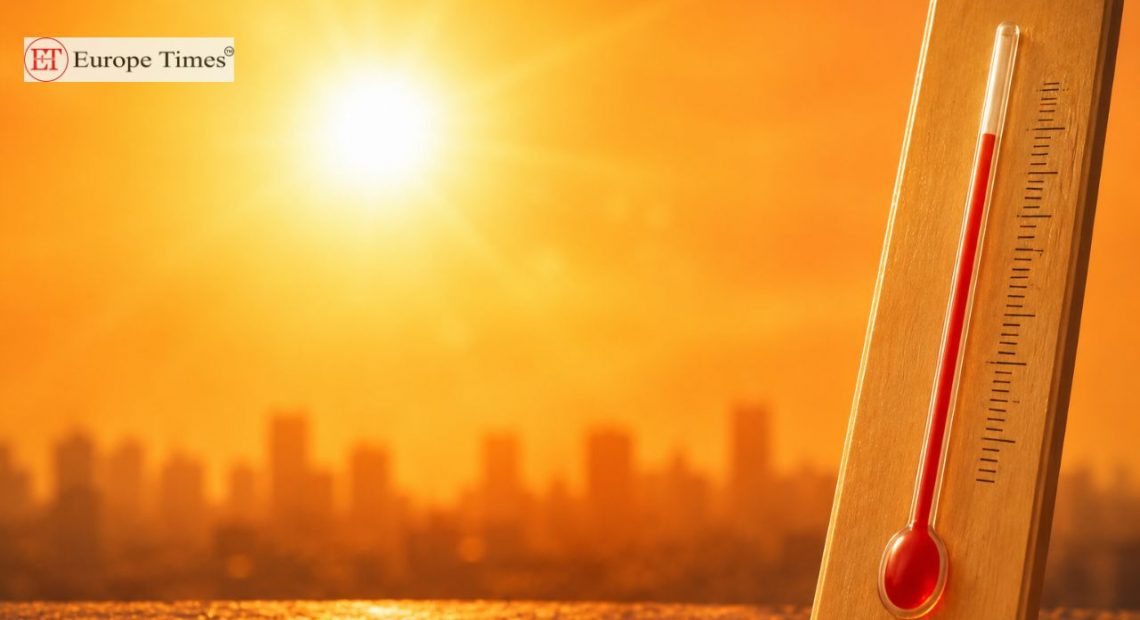
Preliminary figures show at least 2,025 excess deaths during the heatwave, with temperatures reaching 43.8°C. Authorities said deaths increased sharply in Paris and several other regions, exposing the growing risks posed by extreme heat, an ageing population, and inadequate infrastructure despite improvements made after the deadly 2003 heatwave.

Experts and healthcare workers say France needs long-term investment in cooling hospitals, nursing homes, and public facilities to better cope with increasingly frequent heatwaves. Many elderly care homes still lack sufficient air-conditioned spaces, while officials warn that the final death toll could rise further as more data becomes available.

Pic courtesy: google/ images are subject to copyright

featured News Trending

Western Europe experienced its hottest June on record in 2026, according to the European Union’s Copernicus Climate Change Service (C3S). The region recorded an average temperature of 20.74°C, more than 3°C above the 1991–2020 June average. The extreme heatwave disrupted power supplies, forced school closures, and pushed temperatures to record levels across several countries.

The heatwave had severe consequences, with authorities reporting over 4,700 excess deaths in France, Belgium, Spain, and the Netherlands during June. The prolonged high temperatures also fueled wildfires across parts of Spain, Portugal, and France while worsening drought conditions. Scientists warned that climate change is making heatwaves more frequent and increasingly intense across Europe.

Globally, June 2026 ranked as the second-warmest June ever recorded, while sea surface temperatures reached a record high for the month. Climate experts said rising greenhouse gas emissions continue to drive global warming, increasing the likelihood of extreme weather events. Although a developing El Niño contributed to higher global ocean temperatures, researchers found that Europe’s record-breaking heatwave was primarily intensified by climate change.

Pic courtesy: google/ images are subject to copyright

featured News Trending

The World Health Organization (WHO) has warned that Europe could face “more deadly weeks” as another powerful heatwave develops over the Atlantic. Temperatures in parts of Portugal and southern Spain are expected to reach as high as 43°C in the coming days. WHO Regional Director for Europe Hans Kluge urged governments to strengthen preparedness, noting that countries with established heat-health action plans responded more effectively during the recent extreme weather.

The previous heatwave, which swept across Europe between June 20 and June 28, is considered by experts to be the most severe ever recorded in the region. The intense heat disrupted power generation, damaged infrastructure, strained healthcare systems, and contributed to around 3,700 preliminary excess deaths in France, the Netherlands, and Belgium. Scientists have linked the record-breaking temperatures largely to climate change.

The WHO emphasized that vulnerable groups, including elderly people living alone, care home residents, and homeless individuals, continue to face the greatest risks during prolonged heat events. With fewer than half of the WHO’s European member states having comprehensive heat-health action plans, the organization is urging governments to improve emergency preparedness and build more resilient healthcare systems ahead of future heatwaves.

Pic courtesy: google/ images are subject to copyright

featured News Trending

A record-breaking heatwave continued to grip Italy and several Balkan countries on Monday, triggering red weather alerts, raising the threat of wildfires, and disrupting daily life across Europe. Italy placed 22 cities under the highest heat warning, while Croatia issued red alerts for Zagreb, Split and Dubrovnik as firefighters battled a major blaze on the Adriatic island of Vis. Serbia and Albania also faced soaring temperatures and wildfire concerns as the extreme weather persisted.

Scientists say the heatwave, which began on June 20, has become one of the most severe ever recorded in Europe. France has reported around 1,000 excess deaths linked to the prolonged heat, mostly among older people, while experts warn temperatures are expected to climb again in early July across France, Germany, Spain, Italy, Switzerland and parts of Britain. Researchers also said the unprecedented heat would have been virtually impossible without the influence of human-caused climate change.

The extreme conditions have strained healthcare systems, disrupted power generation and damaged infrastructure across the continent. Tragic incidents linked to the heat were also reported over the weekend, including the deaths of two children found inside a hot car in Cyprus and two cyclists who collapsed during a marathon event in Poland, where temperatures reached a record 40.5°C. Authorities across Europe continue to urge people to avoid prolonged exposure to the heat as wildfire risks remain high.

Pic courtesy: google/ images are subject to copyright

featured News Trending

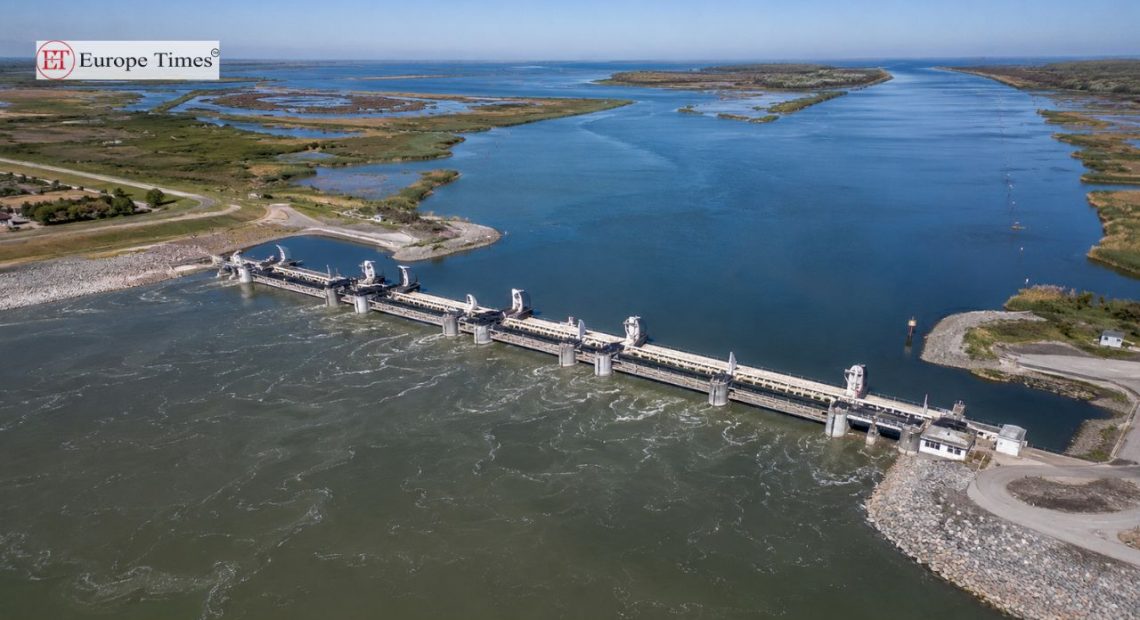
Po River in northern Italy has seen a sharp drop in water flow during an intense European heatwave, allowing seawater from the Adriatic to push as far as 18 km inland. The river’s discharge has fallen dramatically from around 1,000 cubic metres per second to below 300, triggering a “salt wedge” effect in the delta region.

The intrusion is disrupting agriculture and fragile wetland ecosystems, with irrigation canals being shut to prevent saltwater from damaging crops such as maize, rice, soybeans, and sunflowers. Farmers say the situation is worsening earlier than in previous drought years, raising concerns over crop survival during a critical growing phase.

Experts and local water managers warn that climate-driven extreme heat events are increasing both in frequency and intensity, overwhelming existing barriers and water management systems. They note that river flow levels have dropped below previously assumed safe thresholds, intensifying risks for farming communities across the delta.

Pic courtesy: google/ images are subject to copyright

featured News Trending

A powerful “Omega” heatwave continues to grip Western Europe, breaking temperature records and causing widespread disruption across several countries. Britain recorded its hottest June temperature ever at 36.1°C, while Paris reached a record 40.9°C. Italy placed 16 cities on its highest heat alert as forecasters warned that extreme conditions could persist through the weekend.

The severe heat has claimed dozens of lives, with France reporting at least 50 deaths linked to the heatwave, including drowning incidents and heat-related fatalities. Spain also recorded deaths from heatstroke, while soaring temperatures affected power supplies, reduced nuclear plant output, disrupted transport networks, and forced schools, tourist attractions, and public events to close or scale back operations.

Meteorologists say the heatwave is being driven by an “Omega block” weather pattern that traps hot air over regions for extended periods. Experts warn that climate change is increasing the frequency and intensity of such extreme weather events. With Europe warming faster than the global average, authorities across the continent are urging residents to take precautions as temperatures remain dangerously high.

Pic courtesy: google/ images are subject to copyright

featured News Trending

A wildfire in northeastern Spain disrupted high-speed rail services between Madrid and Barcelona on Thursday after flames broke out near a railway section in Catalonia. Authorities temporarily suspended train operations in the affected area to allow firefighters to tackle the blaze safely.

The disruption comes as Spain prepares for its first major heatwave of the summer. Weather officials have warned that temperatures will rise significantly over the weekend, with several inland regions expected to experience highs above 40°C and some areas potentially reaching 42°C early next week.

Forecasters also cautioned that wildfire risks will increase due to dry conditions and limited rainfall. The warning follows last year’s record-breaking heatwave across Spain and Portugal, which contributed to severe forest fires and highlighted growing concerns over the impact of climate change on extreme weather events.

Pic courtesy: google/ images are subject to copyright

featured News Trending

A severe heatwave in France has resulted in seven deaths directly or indirectly linked to the extreme weather, French Junior Energy Minister Maud Bregeon announced on Tuesday. Five of the recorded fatalities occurred due to drownings in lakes, rivers, or at beaches as people sought relief from the soaring temperatures. In response to the growing safety risks, the French government has ordered local authorities to implement strict protective measures for participants during outdoor sporting events.

The unseasonably hot weather has been gripping the country since Saturday, pushing temperatures well above seasonal averages. National weather agency Météo-France placed most of the Brittany region under an orange-level alert, with peak afternoon temperatures forecasted to hit up to 35 to 36 degrees Celsius in various parts of the country, including Paris.

Meteorologists warn that the intense heat is far from over, with the heatwave projected to persist through at least Wednesday and Thursday. Authorities are continuing to urge the public to remain vigilant, stay hydrated, and take necessary precautions to avoid heat-related illnesses as the high temperatures linger.

Pic courtesy: google/ images are subject to copyright