featured News Trending

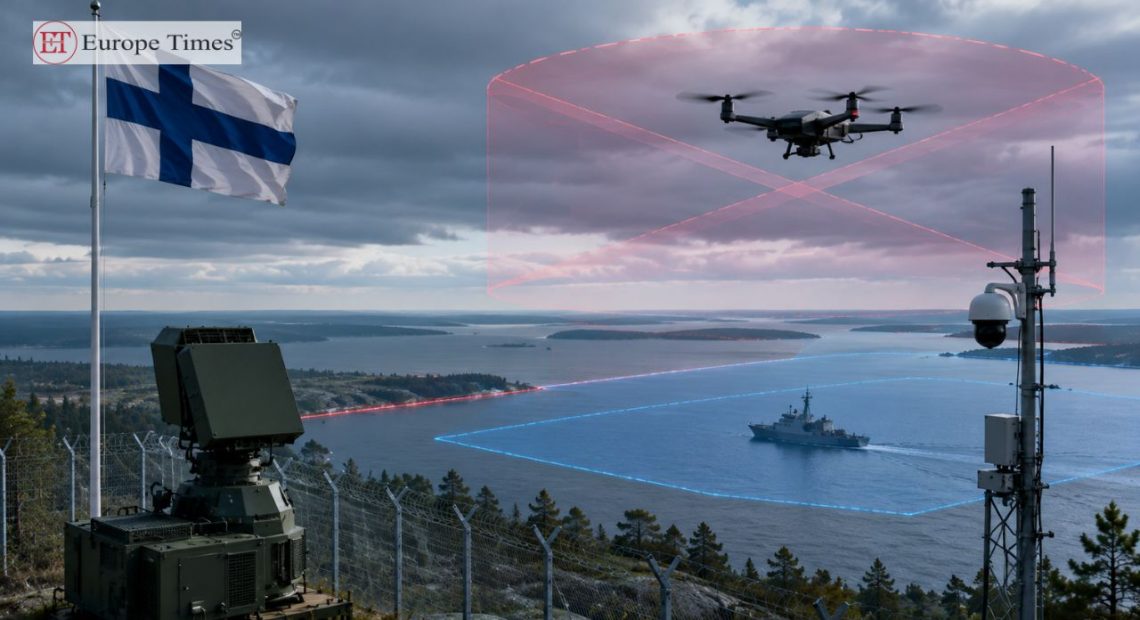
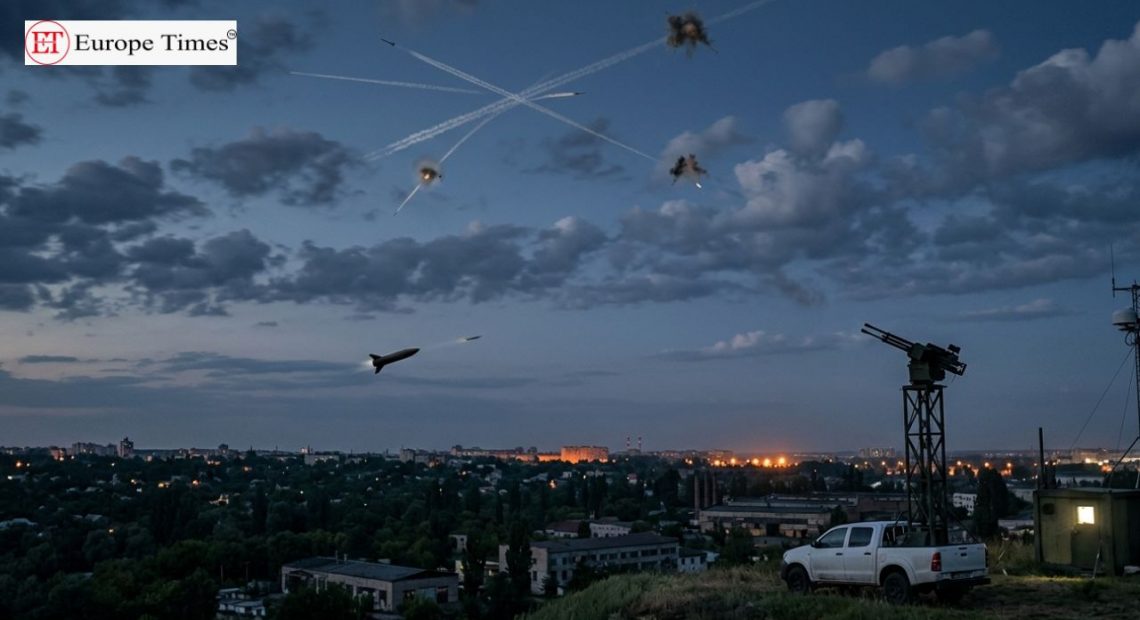
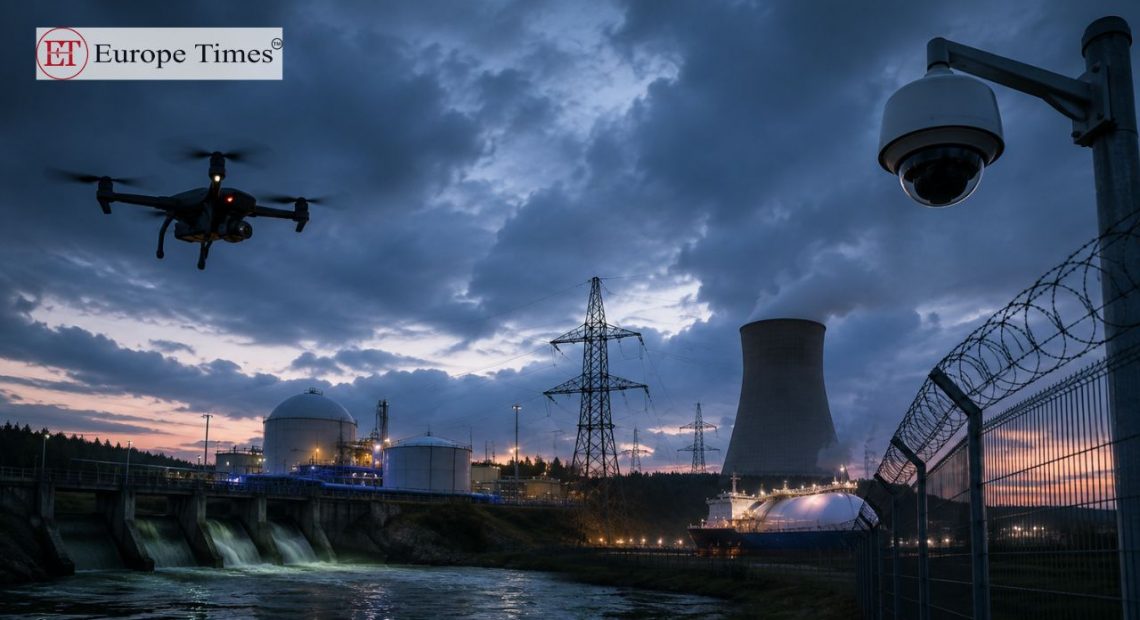
In the wake of Russia’s largest sustained aerial assault, which tragically claimed the lives of 24 civilians in a single weekend, Ukraine has significantly advanced its air defense capabilities. Driven by a necessity to protect its airspace from massive swarms of Russian Shahed drones and missiles, Kyiv has successfully raised its interception rate for long-range drones to 94%. This dramatic improvement relies on a sophisticated, layered network that integrates high-tech Western defense systems with homegrown innovations, rapidly transforming Ukraine into a global leader in modern air defense.

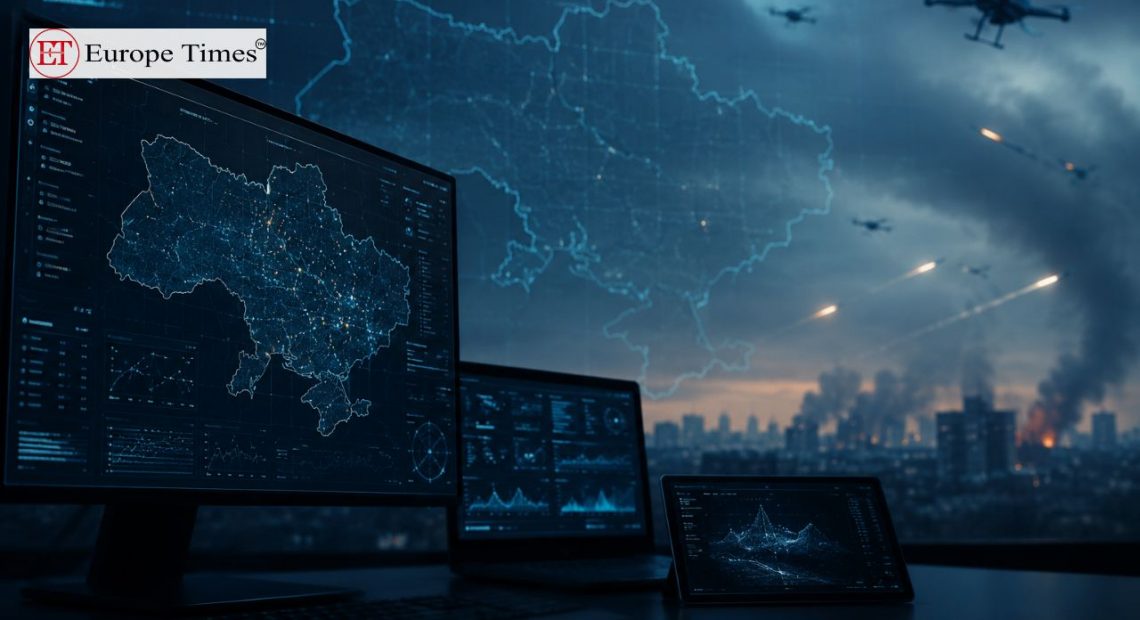
At the heart of this success is “Sky Map,” an AI-driven software that aggregates data from radars, acoustic sensors, and video feeds to track incoming threats in real-time. To counter the financial strain of using multi-million-dollar missiles against cheap targets, Ukraine has scaled up the production of 3D-printed interceptor drones, like the $1,000 P1-SUN, which can reach speeds over 300 km/h to physically down Russian craft. Private tech and security firms have also integrated into this state-managed network, deploying remotely controlled machine-gun towers operated via game-like console interfaces by trained civilian volunteers.

Despite these breakthroughs, significant vulnerabilities remain as both nations rush to out-innovate each other. Ukraine still faces a critical shortage of expensive, highly sophisticated systems like the US-made Patriot missiles, which are essential for intercepting ballistic missiles. Furthermore, close to the front lines, both sides continue to struggle against small, prolific First-Person-View (FPV) drones, proving that while technology has drastically altered the nature of the conflict, the threat of tragic civilian casualties remains a constant reality.

Pic courtesy: google/ images are subject to copyright

featured News Trending

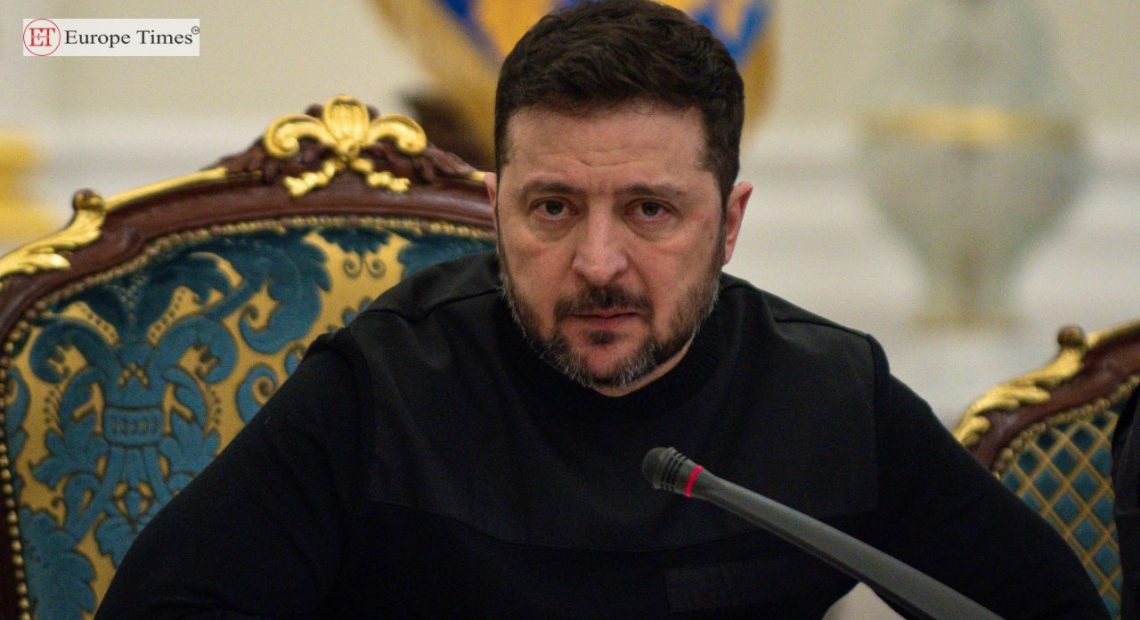
Ukrainian President Volodymyr Zelenskyy met with Alex Karp in Kyiv as Ukraine accelerates the use of artificial intelligence and advanced data analysis in its war against Russia. The discussions focused on expanding technological cooperation in both military and civilian sectors, with Kyiv increasingly relying on AI-driven systems to improve battlefield operations and national defense capabilities.

Ukraine has partnered with Palantir Technologies on the “Brave1 Dataroom” initiative, which uses combat data collected since Russia’s 2022 invasion to develop AI tools capable of detecting and intercepting Russian drones. Ukrainian Defence Minister Mykhailo Fedorov said more than 100 companies are currently training dozens of AI models aimed at improving aerial threat detection and battlefield intelligence analysis.

Officials said the partnership has already helped Ukraine create systems for detailed analysis of air strikes and integrate AI solutions into deep-strike mission planning. Zelenskyy described Palantir as a key global technology partner with strong potential to support the defense capabilities of Ukraine, the United States and allied nations as the role of AI in modern warfare continues to expand.

Pic courtesy: google/ images are subject to copyright

featured News Trending

Russia and Ukraine accused each other of violating a two-day ceasefire announced by Russian President Vladimir Putin during celebrations marking the Soviet Union’s victory over Nazi Germany in World War Two. Moscow claimed Ukrainian drones and artillery targeted Russian regions including Belgorod, Kursk, Moscow, and Perm, while Kyiv said Russian forces continued overnight strikes on Ukrainian positions despite the truce announcement.

Ukrainian President Volodymyr Zelenskyy rejected the limited holiday ceasefire and instead called for an indefinite truce, accusing Russia of making no real attempt to stop fighting. Russia warned that any disruption to Saturday’s Victory Day parade in Moscow would trigger a major missile response against Kyiv, while security around the Kremlin and Red Square has been significantly tightened ahead of the event.

The war, now in its fifth year since Russia’s 2022 invasion, continues with no breakthrough in peace talks. Russia currently controls nearly one-fifth of Ukrainian territory, though advances have slowed this year. Moscow is using the WW2 Victory Day celebrations to rally public support, but rising security concerns and disruptions across the capital reflect growing tensions as both sides continue heavy drone, missile, and artillery attacks.

Pic courtesy: google/ images are subject to copyright

featured News Trending

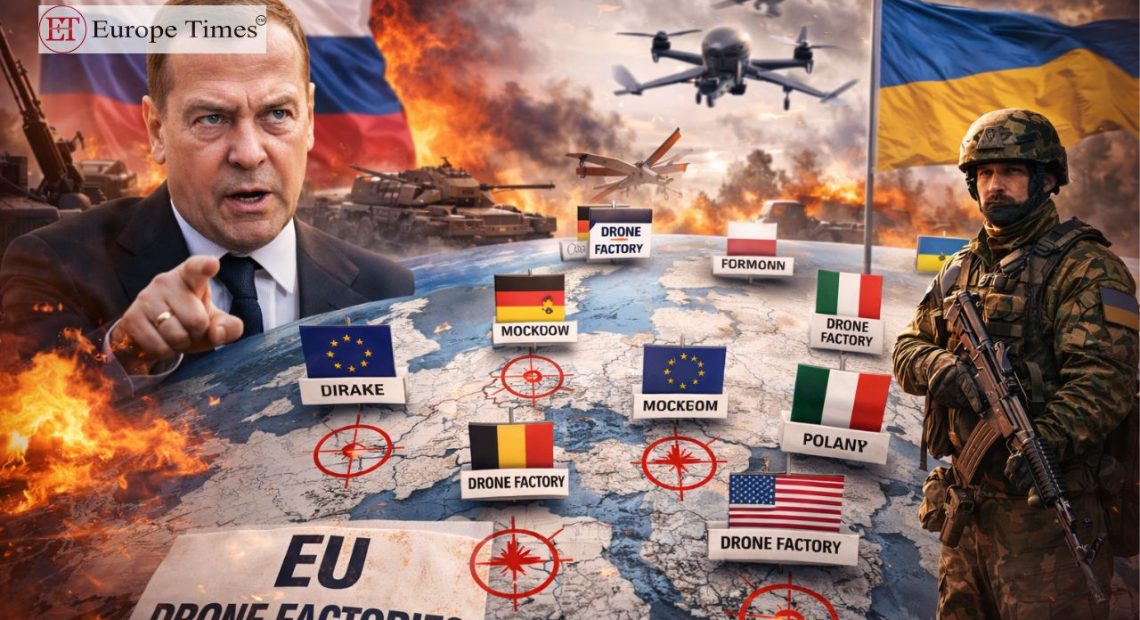
Russia has warned that European efforts to expand drone production and supply to Ukraine risk deepening their involvement in the ongoing conflict. The Russian defence ministry said several EU nations are increasing support for Ukraine’s drone capabilities, a move Moscow views as a dangerous escalation in the war. It also released a list of facilities across Europe allegedly linked to drone manufacturing.

The list included sites in countries such as United Kingdom, Germany, Spain, Italy, Poland, and Israel, claiming they are involved in producing drones or components for Ukraine. Russian officials said European citizens should be aware of these locations, suggesting they could become part of the broader conflict environment.

Former Russian president Dmitry Medvedev intensified the warning, calling the published list potential military targets and hinting at possible future strikes. While such statements have been made before, they add to growing tensions as European countries continue to support Ukraine. The remarks highlight concerns that the war could expand beyond Ukraine if escalation continues.

Pic courtesy: google/ images are subject to copyright

featured News Trending

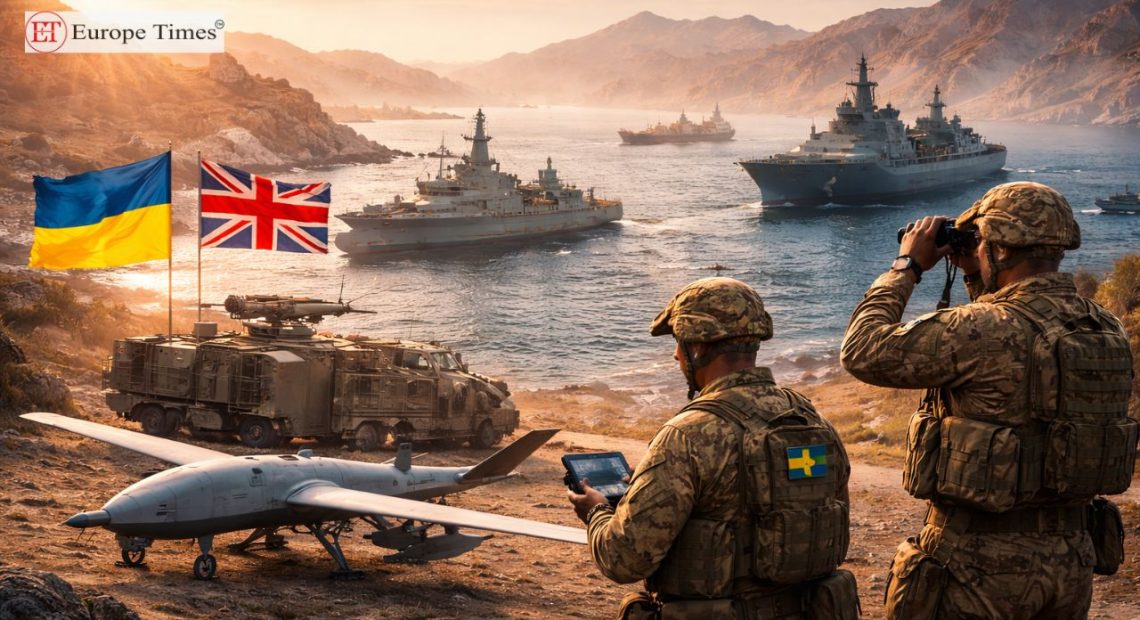
Al Carns has said Ukraine could play a significant role in securing the strategically vital Strait of Hormuz, highlighting Kyiv’s advanced drone capabilities developed during its ongoing war. The UK has been leading talks with over 30 nations to address disruptions caused by tensions involving Iran, which have impacted global oil supplies.

Volodymyr Zelenskyy confirmed that Ukraine has already contributed expertise to international consultations and deployed more than 200 specialists to the Middle East. These teams have reportedly helped counter long-range drone threats, showcasing Ukraine’s battlefield innovations. Carns emphasized that such capabilities could be valuable not just regionally but also in safeguarding key global shipping routes.

While reaffirming that Ukraine remains a top defence priority for the UK and its allies, Carns urged Kyiv to expand exports of its military technology to capitalize on rising global demand. He noted that Ukraine’s advancements in drones, AI, and data-driven warfare represent a major shift in modern combat, though delays in export approvals could risk losing momentum as other nations begin catching up.

Pic courtesy: google/ images are subject to copyright

featured News Trending

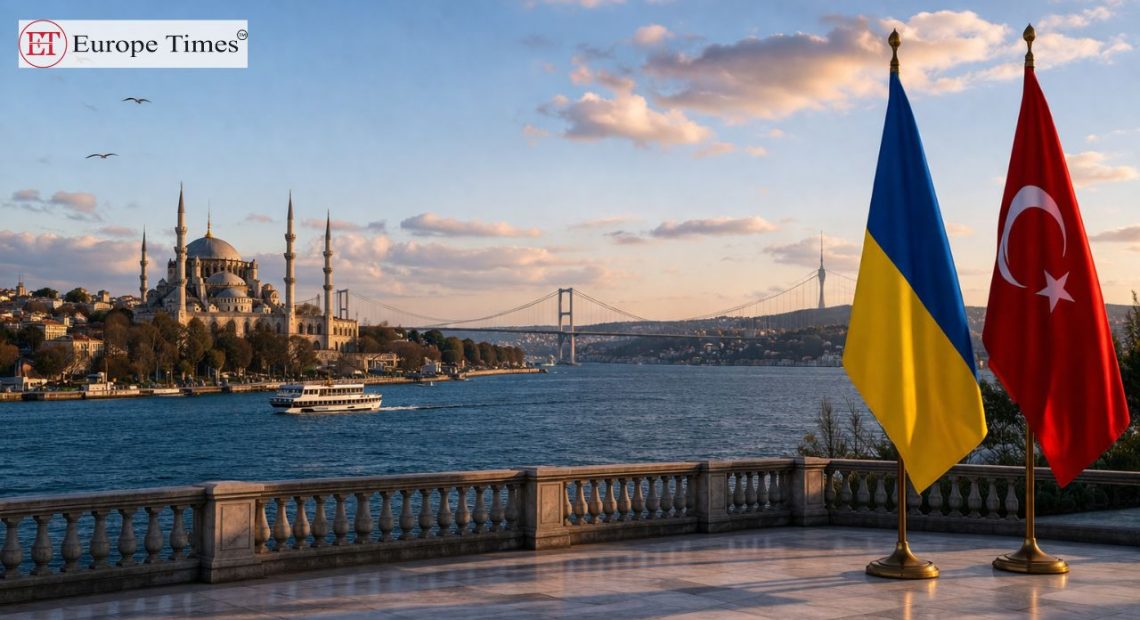
Ukrainian President Volodymyr Zelenskiy arrived in Istanbul for high-level security discussions with Turkish President Recep Tayyip Erdogan, aiming to deepen cooperation on regional stability and defense. Zelenskiy described the talks as “substantive,” emphasizing efforts to strengthen partnerships that protect lives and enhance security across Europe and the Middle East.

The visit comes as Ukraine expands diplomatic outreach to Middle Eastern countries following the escalation of conflict in the region. Kyiv has recently signed security cooperation agreements with Saudi Arabia, the United Arab Emirates, and Qatar, while negotiations with other regional states remain ongoing. Ukrainian officials say the country is sharing expertise gained from its ongoing war with Russia, particularly in countering drone threats.

Alongside political meetings, Zelenskiy is also scheduled to meet Patriarch Bartholomew, the spiritual leader of the Orthodox Christian world. The discussions in Turkey highlight Ukraine’s broader strategy to build international security partnerships and reinforce diplomatic ties amid continued military pressure from Russia and evolving regional tensions.

Pic courtesy: google/ images are subject to copyright

featured News Trending

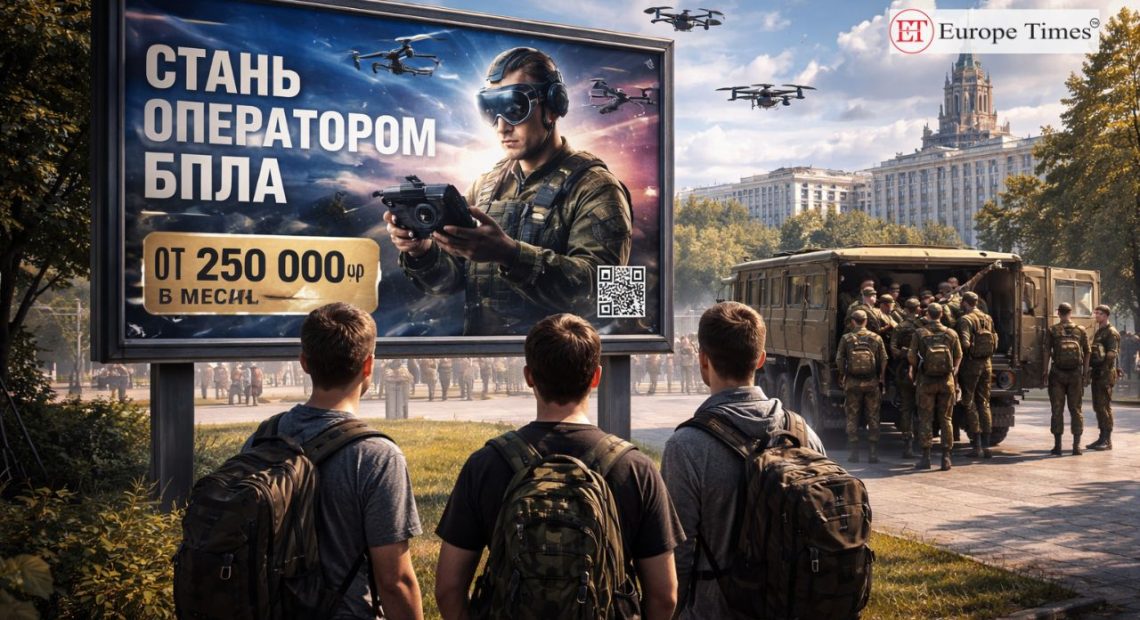
Russia has launched a new recruitment drive aimed at university students, offering lucrative financial packages to join its growing drone units involved in the Ukraine conflict. Universities across the country are promoting these opportunities, highlighting benefits such as academic leave, free accommodation, and substantial salaries. Officials say the initiative is part of efforts to strengthen technologically skilled divisions rather than a broader military mobilisation.

The move reflects the increasing importance of drone warfare, with operators and engineers playing a critical role on the battlefield. Institutions like Far Eastern Federal University and others are actively encouraging students to enlist, offering payments that far exceed typical local earnings. While authorities insist participation is voluntary, some reports suggest students may face indirect pressure, though this has not been independently verified.

At the same time, regional authorities are expanding recruitment efforts beyond campuses. In the Ryazan region, companies have been assigned quotas to supply workers for military service, signaling a wider push to sustain troop numbers. Despite ongoing recruitment, Russian officials maintain that enlistment levels remain strong and sufficient for current military needs.

Pic courtesy: google/ images are subject to copyright

featured News Trending

Ukrainian President Volodymyr Zelensky has sent military and intelligence teams to Qatar, the United Arab Emirates, and Saudi Arabia to assist in defending against Iranian drones, following U.S. and Israeli air attacks. Zelensky highlighted Ukraine’s extensive experience in countering attack drones, built over four years of defending against Russian strikes, and emphasized the importance of sharing this expertise to protect Gulf countries, Europe, and American allies.

Ukraine is offering both its interceptor drones and technical know-how, using mass-produced, cost-effective systems to neutralize incoming threats more efficiently than traditional expensive missiles. The initiative also involves key officials, including Rustem Umerov, secretary of Ukraine’s National Security and Defence Council, to finalize agreements with Gulf nations. Zelensky stressed that this cooperation comes with expectations that partners continue supporting Ukraine’s own air defense, including providing advanced systems like Patriot missiles.

The deployment of Ukrainian drone teams also serves diplomatic and strategic goals, strengthening ties with Gulf allies while generating potential revenue from drone sales. Zelensky expressed pride that multiple countries are now seeking Ukraine’s help, marking a reversal in roles where Kyiv’s expertise is now highly valued internationally, even as domestic needs for air defense remain urgent amid the ongoing conflict with Russia.

Pic courtesy: google/ images are subject to copyright

featured News Trending

Estonia’s foreign intelligence service has reported that Russia is rebuilding its military forces in response to Europe’s rearmament, though it does not plan to attack any NATO state in the near term. According to the report, Moscow aims to delay and hinder Europe’s ability to conduct independent military action, viewing European rearmament over the next two to three years as a significant concern.

The intelligence service highlighted Russia’s rapid expansion of ammunition production, which allows for stockpiling supplies for potential future conflicts while continuing operations in Ukraine. Any hypothetical attack on Estonia could involve coordinated drone operations across land, air, and sea. Estonia emphasized the need for the continent to invest in defense and internal security to deter potential aggression.

The report also noted Russia’s continued view of the U.S. as its main adversary while attempting to use diplomatic channels to ease sanctions and influence the Ukraine conflict. It highlighted Moscow’s strategic alignment with China, which could use Russian cooperation to challenge Western influence globally, particularly in the context of energy and military technology collaboration.

Pic courtesy: google/ images are subject to copyright

featured News Trending

Ukrainian President Volodymyr Zelensky announced that the US aims to end the war with Russia by June, inviting both sides to hold talks in the United States next week, likely in Miami. Zelensky confirmed Ukraine’s participation but noted that difficult issues, including territorial concessions, remain unresolved. For the first time, leaders may be involved in trilateral discussions, though preparatory steps are required before this can happen.

Meanwhile, Russia continues to target Ukraine’s energy infrastructure, causing widespread blackouts amid freezing temperatures. More than 400 drones and 40 missiles struck power plants, substations, and transmission lines, affecting regions such as Lviv, Ivano-Frankivsk, and Rivne. Thousands of Ukrainians remain without electricity, forcing many to take shelter in metro stations. Ukraine has also retaliated with strikes on Russian military and industrial facilities in Tver and Saratov regions.

Since Russia’s full-scale invasion nearly four years ago, more than 55,000 Ukrainian soldiers have been killed, with nearly 160,000 Russian military casualties confirmed. Zelensky emphasized that Moscow should not be allowed to leverage the harsh winter to pressure Ukraine. Despite ongoing diplomacy, the conflict continues to inflict severe humanitarian and infrastructural damage.

Pic courtesy: google/ images are subject to copyright