featured News Trending

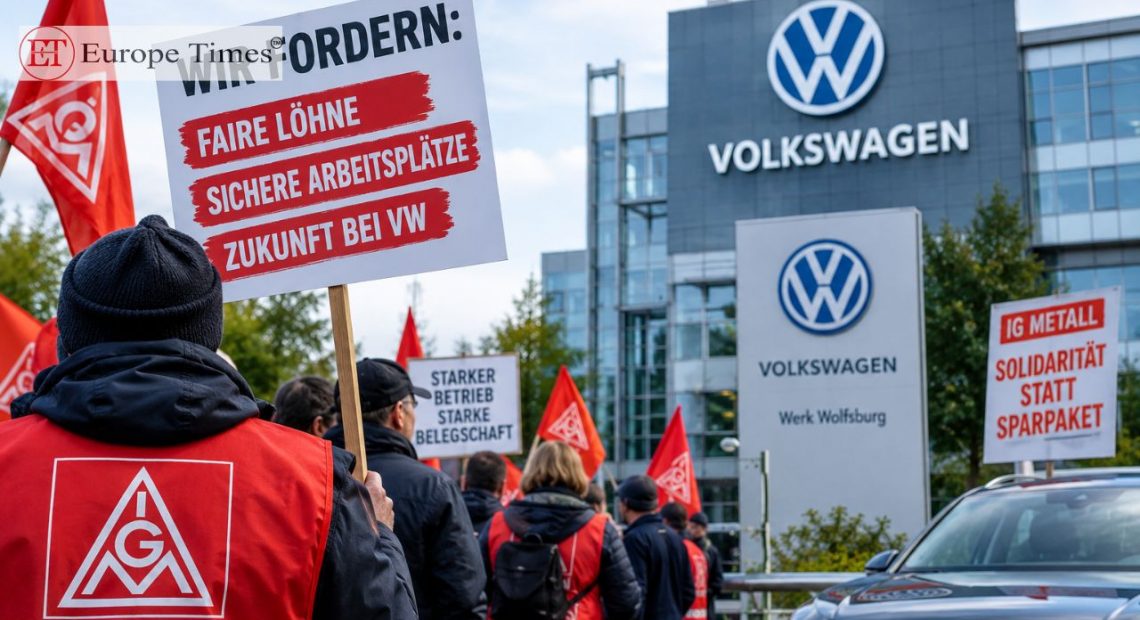
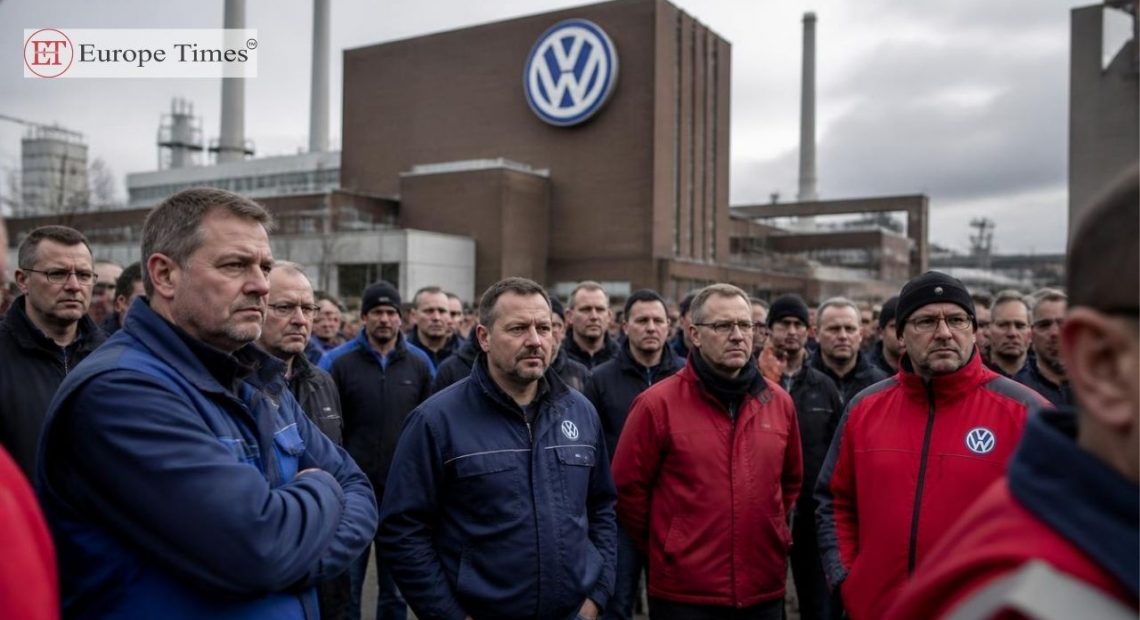
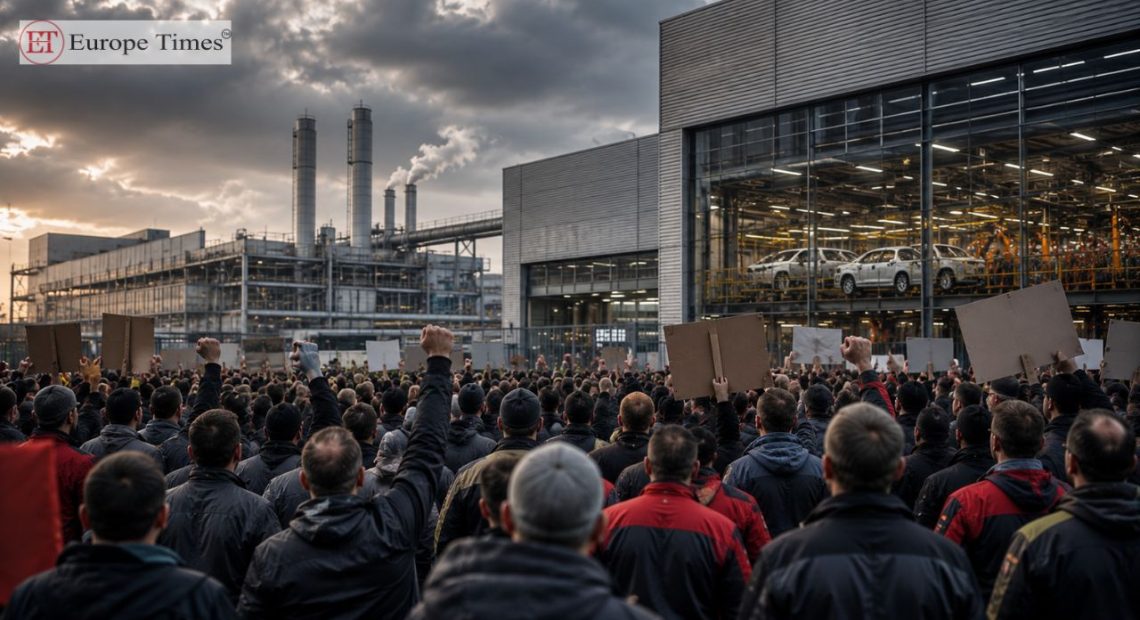
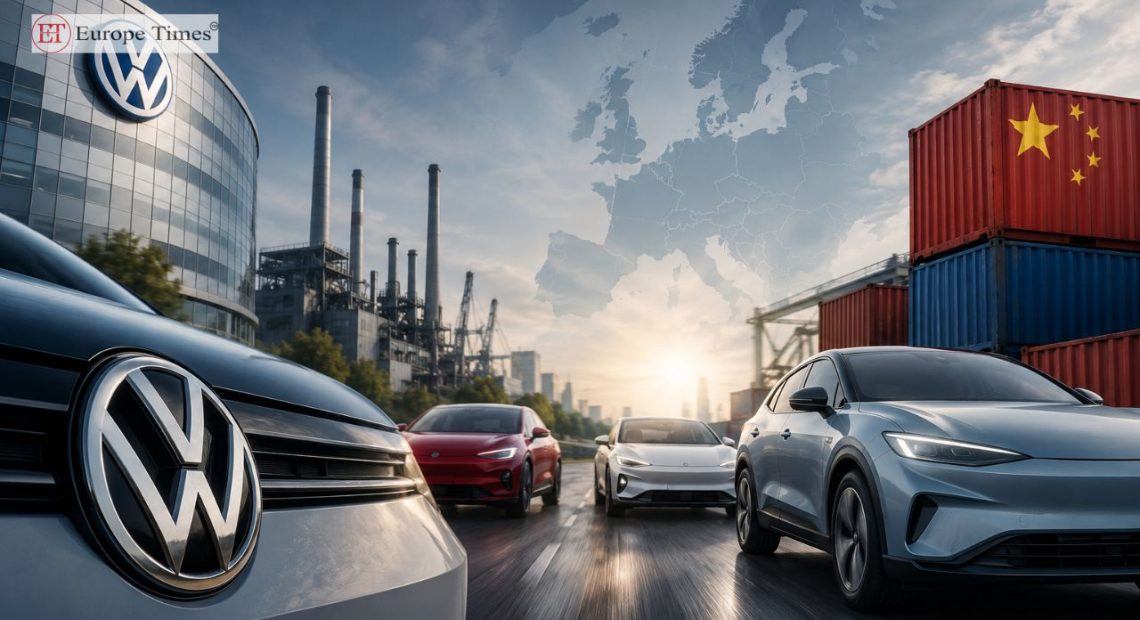
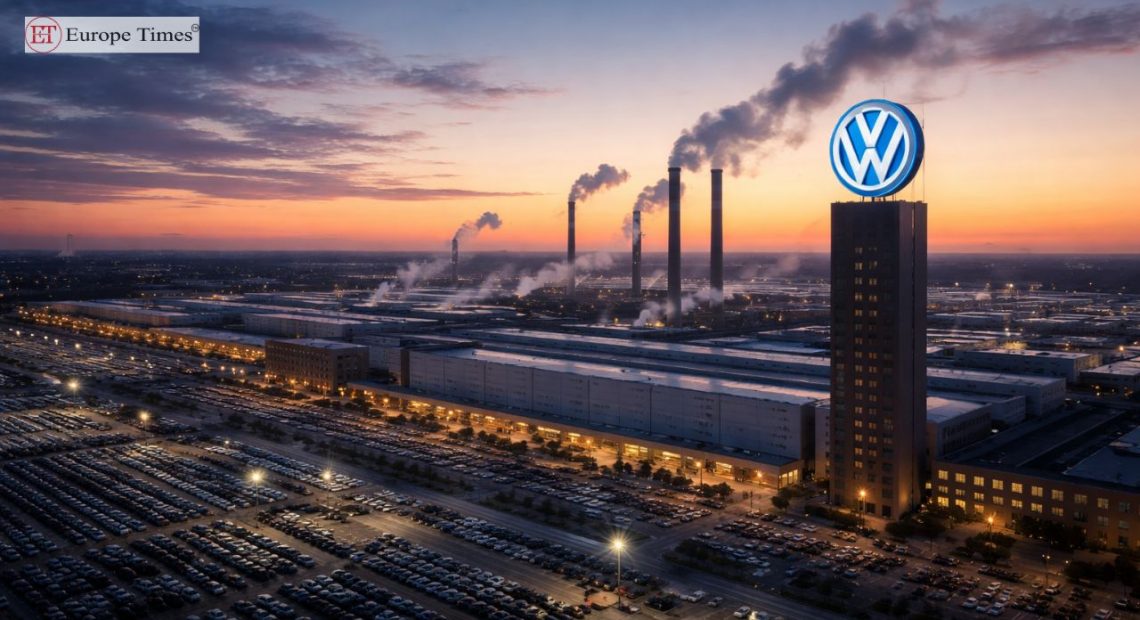
Volkswagen’s complex ownership and governance structure has come under renewed scrutiny as the German automaker prepares a major restructuring that could include plant closures and nearly 100,000 job cuts. Labour unions have vowed strong resistance, while the company’s unique legal framework gives workers and the German state of Lower Saxony significant influence over key decisions.

The influence stems from the Volkswagen Law, introduced in 1960, which was designed to protect the company from outside control. The law grants Lower Saxony, which holds a 20% voting stake, the power to block major shareholder decisions, while worker representatives on Volkswagen’s 20-member supervisory board can effectively veto significant factory-related changes, making large-scale restructuring more difficult.

Volkswagen’s ownership structure further complicates governance. Porsche SE, the investment vehicle of the Porsche and Piech families, controls a majority of voting rights despite owning less than a third of the company’s total equity. Investors have long criticised this arrangement, arguing it limits corporate governance reforms and contributes to uncertainty as Volkswagen faces falling share prices, leadership challenges and growing pressure to adapt to a changing automotive market.

Pic courtesy: google/ images are subject to copyright

featured News Trending

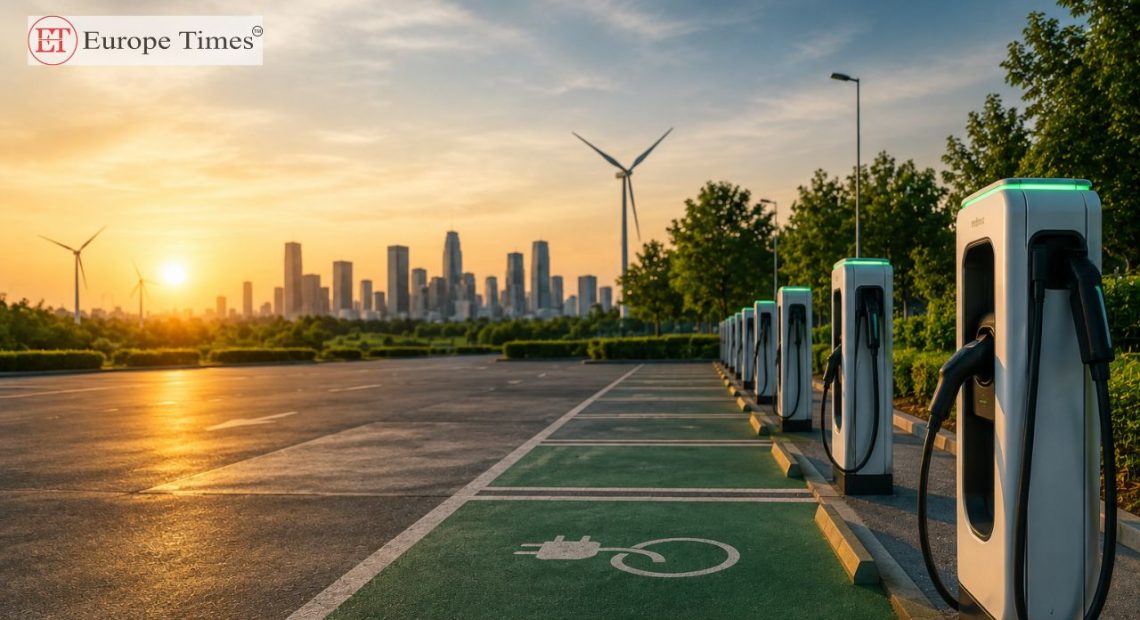
Electric vehicle demand across Europe has jumped sharply as soaring fuel prices linked to the Iran conflict push consumers toward electric mobility. According to data shared with Reuters, registrations of new EVs across major European markets rose 34% year-on-year in April, while demand for both new and used electric cars surged significantly. Industry players said rising oil prices, which climbed above $100 per barrel following disruptions caused by the U.S.-Israeli conflict with Iran, have accelerated consumer interest in EVs far beyond earlier expectations.

Major automakers and EV marketplaces reported a sharp rise in customer enquiries and sales activity. UK-based Octopus Electric Vehicles recorded a 95% increase in demand for new EVs and a 160% jump for used models in April. Companies including Renault, Volvo Cars, and Volkswagen-owned Seat/Cupra said customers are increasingly choosing electric models, particularly affordable entry-level vehicles. Some manufacturers are now considering increasing EV production as orders continue to exceed expectations in several European markets, including Germany, Britain, Italy, Denmark, and the Netherlands.

Chinese electric vehicle brands have also gained momentum due to their relatively lower prices. Online marketplace Carwow reported massive growth in interest for brands such as BYD, Leapmotor, and Xpeng, with EV-related enquiries now accounting for nearly 75% of searches on its platform. Industry executives said the Iran conflict has fundamentally changed how Europeans view energy security and transportation costs, turning EV adoption from a long-term consideration into an immediate priority for many consumers.

Pic courtesy: google/ images are subject to copyright

featured News Trending

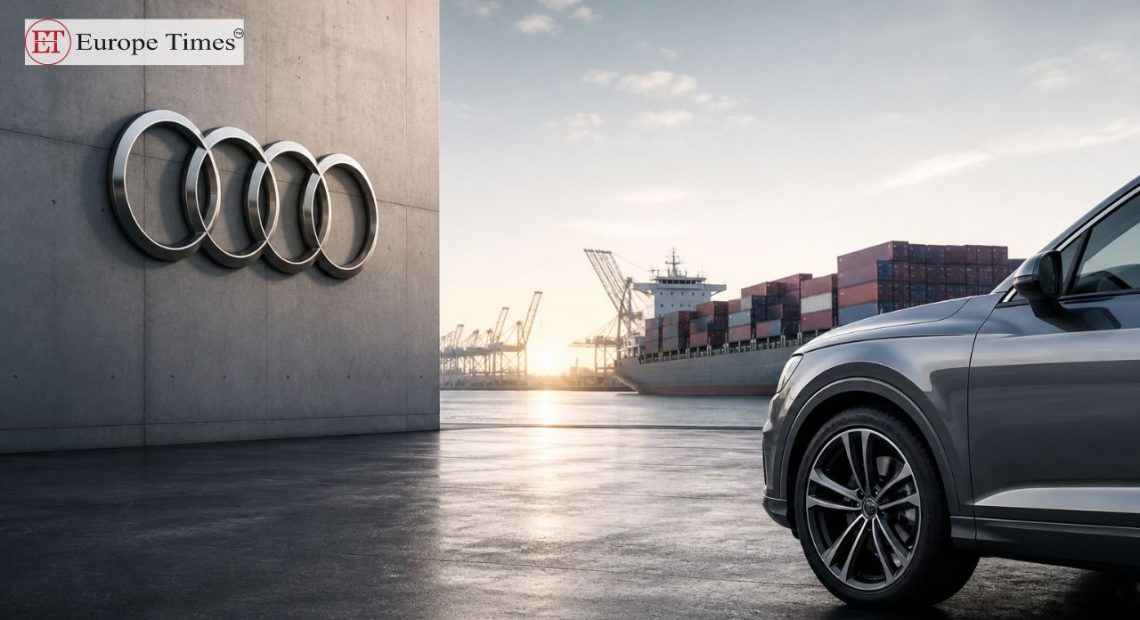
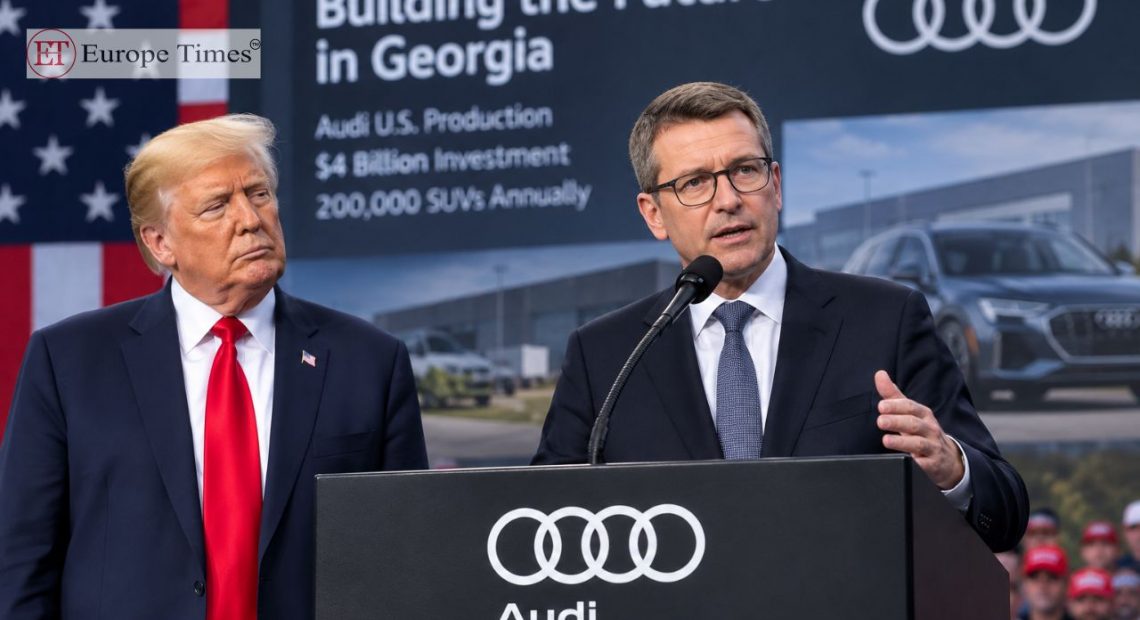
Audi has warned that a potential U.S. tariff increase on European car imports could have a “significant” impact on its business as it prepares to launch its largest SUV in the American market this summer. The proposed 25% tariff, threatened by U.S. President Donald Trump, would particularly affect models like the Audi Q9, which is produced in Slovakia and exported to the U.S. The company currently relies heavily on imports from Europe and Mexico, as it has no production facility in the United States.

Audi’s finance chief said the company is still assessing the situation but acknowledged that the tariffs would place a heavy burden on operations. He added that Audi, along with parent company Volkswagen, is exploring options to establish manufacturing in the U.S., though such a move would likely require government support such as subsidies or tariff relief to be viable.

The automaker reiterated its 2026 profit outlook, which does not factor in any additional tariff increases beyond the current 15% duty already in place, costing the Volkswagen Group around €4 billion annually. Meanwhile, the company continues its cost-cutting efforts, including plans to reduce around 7,500 jobs by 2029, as it faces mounting pressure from tariffs and strong competition from Chinese automakers.

Pic courtesy: google/ images are subject to copyright

featured News Trending

Volkswagen announced plans to cut 50,000 jobs across Germany by 2030, as post-tax profits fell by 44% in 2025, marking their lowest level since 2016. CEO Oliver Blume said the reductions will impact the entire group, including Audi and Porsche, and follow earlier agreements with unions to cut over 35,000 jobs in a socially responsible manner.

The company cited challenges including US import tariffs, declining demand in China, high restructuring costs from the shift to electric vehicles, and rising competition from Chinese carmakers entering Europe. Net profits fell from €12.4 billion to €6.9 billion, and Volkswagen projects a core profit margin of 4% to 5.5% for 2026, potentially lower than the current 4.6%.

Finance chief Arno Antlitz emphasized the need for rigorous cost reductions to maintain profitability in the long run. The company expects the job cuts and efficiency measures to save around €15 billion while navigating a fundamentally changed automotive market.

Pic courtesy: google/ images are subject to copyright

featured News Trending

German Chancellor Friedrich Merz has embarked on his first official visit to China, leading a delegation of senior German business leaders, including heads of Volkswagen, BMW, and Mercedes-Benz. The trip aims to strengthen economic ties as Germany faces growing trade deficits and competitive pressures from China’s booming electric vehicle industry. Merz’s visit comes amid concerns over supply chain vulnerabilities and global economic rivalry.

China, Germany’s largest trading partner in 2025, has reversed years of trade surpluses, leaving Germany with a deficit of nearly €90 billion. German officials warn that export controls, overcapacity, and rising competition from Chinese firms have created a challenging environment for German manufacturers, prompting calls for Merz to negotiate better terms for industry.

During his visit, Merz is scheduled to meet President Xi Jinping and Prime Minister Li Qiang, signing economic agreements and visiting major facilities, including a Mercedes-Benz EV plant and Siemens Energy site. The trip reflects Germany’s strategic effort to balance trade relations with China while addressing EU measures protecting local industries from underpriced imports.

Pic courtesy: google/ images are subject to copyright

featured News Trending

Volkswagen AG plans to cut costs by 20% across all its brands by the end of 2028, according to a report by Manager Magazin. The move comes as Europe’s largest carmaker grapples with rising production expenses, stiff competition in China, and the impact of U.S. tariffs. CEO Oliver Blume and CFO Arno Antlitz reportedly presented a sweeping savings strategy to top executives at a closed-door meeting in Berlin last month.

A company spokesperson said Volkswagen has already achieved double-digit billion-euro savings through a group-wide efficiency programme launched three years ago. However, details on where further cuts will be made remain unclear, with potential plant closures reportedly discussed. The company’s works council chief, Daniela Cavallo, pointed to a 2024 agreement that ruled out plant closures and operational layoffs, stressing that competitiveness measures would be implemented with socially responsible safeguards.

Volkswagen is also in the process of cutting 35,000 jobs in Germany by 2030, while its core brand aims to streamline management and consolidate production platforms to save around 1 billion euros. German carmakers, including Mercedes-Benz Group AG, face mounting pressure from price wars in China and the costly transition to electric vehicles, even as they pledge long-term commitments to efficiency and low-emission mobility.

Pic courtesy: google/ images are subject to copyright

featured News Trending

Germany’s automotive sector is facing a serious downturn, with investments and jobs increasingly relocating overseas, according to the German Association of the Automotive Industry (VDA). Survey results show that 72% of small- and medium-sized companies in the auto supply chain plan to reduce investments in Germany, either by moving them abroad, postponing, or canceling them altogether.

Job cuts are already underway, with almost two-thirds of surveyed companies reducing domestic employment last year and nearly half continuing to cut jobs this year. The shift is driven by competitive disadvantages, declining orders, and challenges in transitioning to electric vehicles and software-focused manufacturing. Major carmakers, including Volkswagen and Mercedes, along with suppliers like Bosch and ZF, have announced tens of thousands of layoffs.

VDA President Hildegard Mueller warned of political and social implications, highlighting risks to Germany’s prosperity and stability. She criticized EU regulatory measures aimed at supporting the shift to electric vehicles, calling for market-driven incentives rather than mandatory obligations to help maintain Germany’s competitiveness as a global automotive hub.

Pic courtesy: google/ images are subject to copyright

featured News Trending

Sales of fully electric cars in the European Union surpassed petrol vehicle sales for the first time in December, according to data from industry body ACEA. Battery-electric vehicle registrations also exceeded petrol sales across the wider European market, including Britain and Norway, as overall car sales posted a sixth consecutive month of year-on-year growth. Electrified vehicles—including battery-electric, plug-in hybrid and hybrid models—accounted for 67% of all EU registrations during the month.

The shift comes amid intensifying competition from Chinese automakers such as BYD, Geely and Changan, which are rapidly expanding their presence in Europe, challenging domestic manufacturers like Volkswagen and BMW. At the same time, EU policymakers have proposed easing emissions rules, including plans announced in December to drop an effective 2035 ban on combustion-engine cars, responding to pressure from carmakers facing profitability challenges and global trade headwinds.

Despite regulatory uncertainty, analysts and industry leaders expect electric vehicles to continue gaining market share. European brands are rolling out more affordable EV models, supported by fresh national incentive schemes. While analysts note that some decline in petrol sales reflects reclassification into mild hybrids, experts say the milestone signals a turning point, even if it may still take several years for pure electric cars to fully overtake combustion-engine models across Europe.

Pic courtesy: google/ images are subject to copyright

featured News Trending

Volkswagen shares climbed to the top of Germany’s DAX index on Thursday after the carmaker reported stronger-than-expected automotive cash flow for 2025. Europe’s largest automaker said its automotive division generated net cash flow of about 6 billion euros, well above its own forecast of around zero, boosting investor confidence and driving the stock up 4.6% in morning trading.

The result marked a 1 billion-euro improvement from the previous year and exceeded market expectations, with analysts noting that while management had hinted at possible upside, the scale of the beat was a surprise. Broader sentiment toward the sector was also supported by easing trade concerns after U.S. President Donald Trump stepped back from threats of tariffs against European allies, reducing near-term risks for exporters.

Despite the upbeat performance, Volkswagen cautioned that challenges remain. The company expects pricing conditions to stay tight and profits from its China joint venture to decline in 2026 before recovering in 2027. Shares across the European auto sector rose in sympathy, while Volkswagen is set to publish its full-year 2025 results and 2026 outlook on March 10.

Pic courtesy: google/ images are subject to copyright

featured News Trending

Europe’s auto industry is facing renewed supply chain concerns after Dutch semiconductor manufacturer Nexperia suspended wafer shipments from China. The move follows a dispute with management at its Dongguan facility and comes weeks after the Dutch government seized temporary control of the company over national security issues.

Nexperia, whose chips are essential for power systems, sensors, and electronics in vehicles made by Volkswagen, BMW, and Stellantis, informed customers that deliveries were halted from 26 October. Officials in The Hague fear that production capabilities could shift out of Europe amid rising trade tensions with China, which has added its own export restrictions, further complicating component flows.

The European Automobile Manufacturers’ Association has warned that shortages of basic control chips are escalating daily and could soon disrupt assembly lines. Governments and industry groups are now pushing for urgent diplomatic talks to restore supply routes and protect European automotive output through the remainder of the year.

Pic Courtesy: google/ images are subject to copyright