News Trending

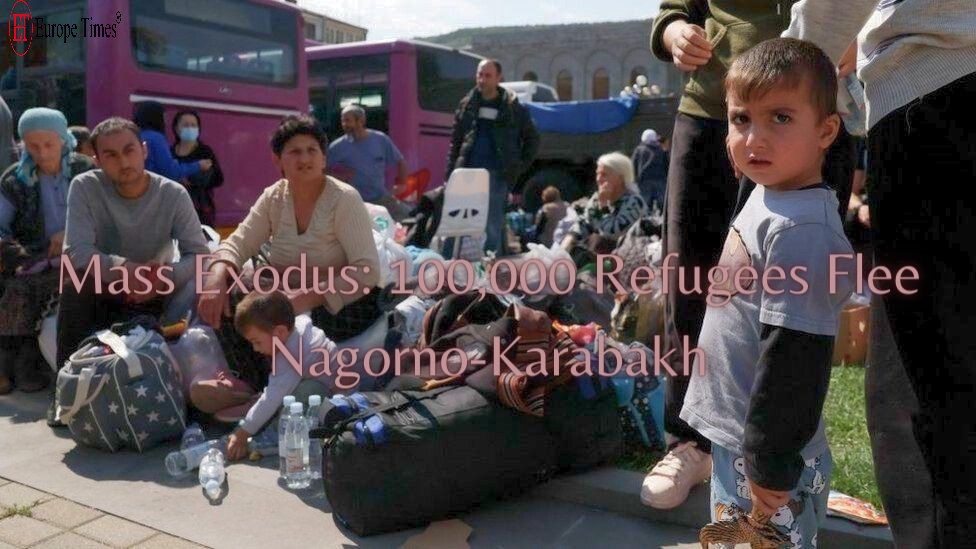
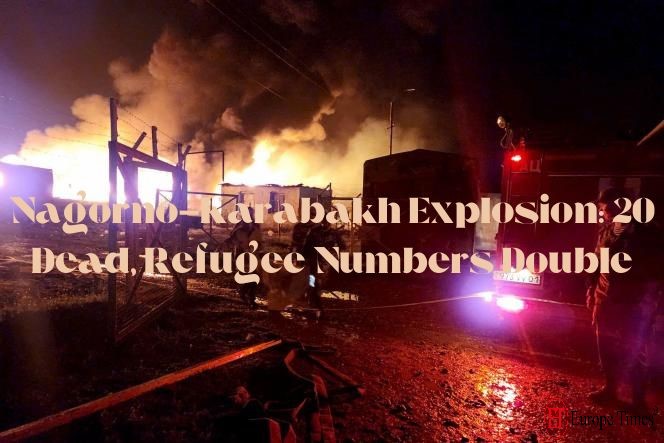
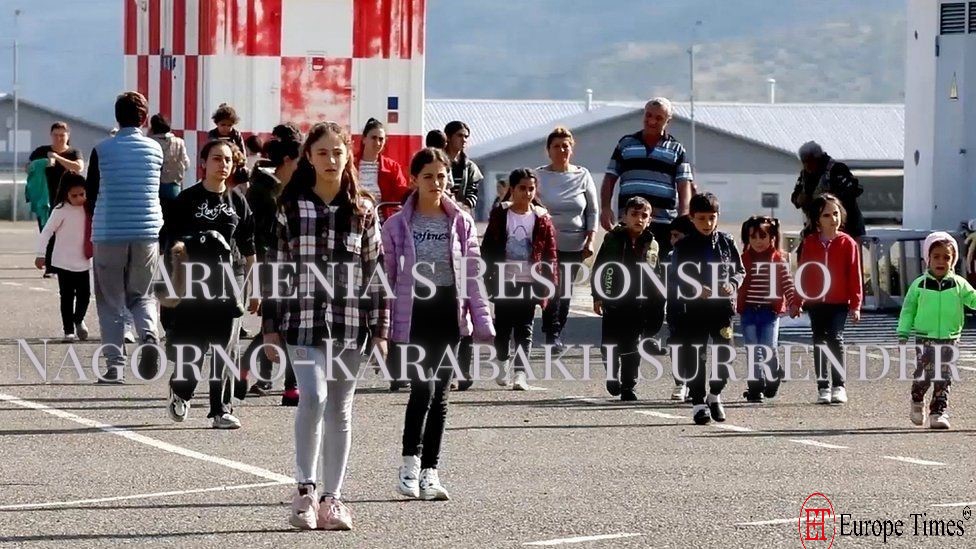
Following the surrender of Nagorno-Karabakh to Azerbaijani forces, Armenia has declared its readiness to provide housing and support for displaced individuals from the region. Prime Minister Nikol Pashinyan assured that Armenia had made arrangements for tens of thousands of people, although he believed there was no immediate threat to the ethnic Armenians in Karabakh. On the other hand, authorities in Karabakh had raised concerns about potential ethnic cleansing.

Under a Russian-brokered ceasefire, local Karabakh forces agreed to complete disarmament and disbandment, leading to a sense of uncertainty and distress among the population. Armenia’s Prime Minister emphasized that the estimated 120,000 ethnic Armenians in the region should be allowed to stay in their homes under safe and dignified conditions. Armenia had also prepared to accommodate up to 40,000 families in case of an influx of refugees.

The situation on the ground appeared tense, with reports of sporadic violence and disputes over the ceasefire’s implementation. Delegations from Armenia and Azerbaijan convened to discuss Nagorno-Karabakh’s future, and while the talks were described as constructive, significant challenges remained unresolved.

The region of Nagorno-Karabakh, recognized as part of Azerbaijan but controlled by ethnic Armenians, has experienced longstanding conflicts, with fears of further displacement and ethnic tensions following recent developments. The United Nations Security Council was scheduled to address the issue, and international observers had limited access to verify reported casualties due to a blockade imposed on the region.

Picture Courtesy: Google/images are subject to copyright

News Trending

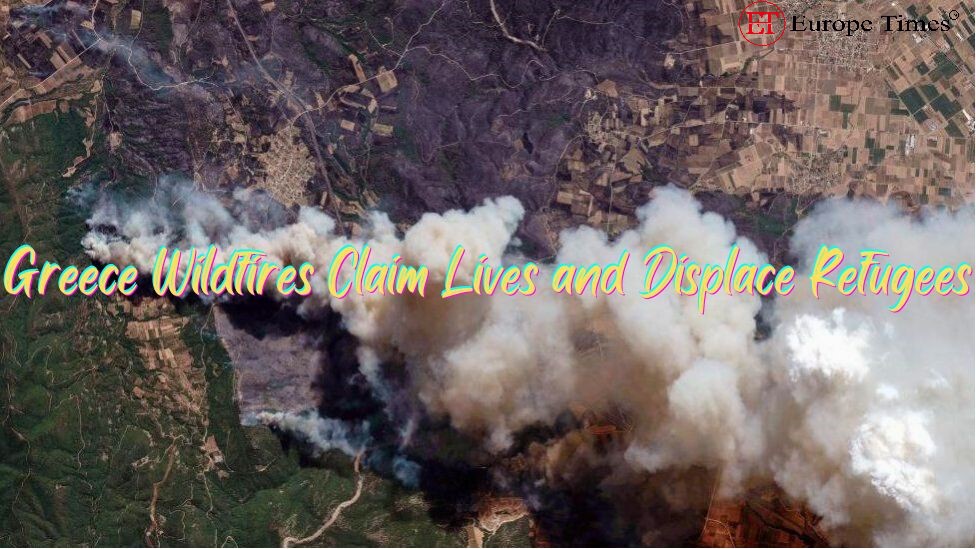
Wildfires in Greece have tragically led to the loss of 20 lives and are still raging out of control near Athens and the Evros region close to the Turkish border. Among those killed, 18 are believed to be refugees and migrants who had recently crossed the border and sought refuge in forests north of Alexandroupolis. Greece has expressed deep condolences for the deaths occurring in the Dadia forest near the Turkish border. The fires have been ongoing for five days and have extended along the coast and near the city. Efforts to contain the fires are being hampered by strong winds and scorching temperatures of up to 40°C (104°F).

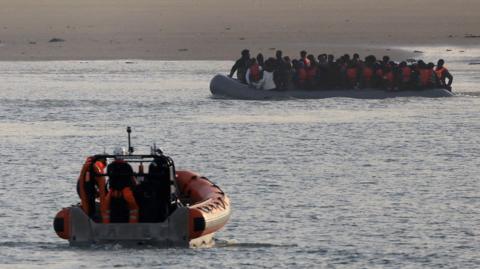
The victims’ bodies were discovered near a shack close to the village of Avantas, north of Alexandroupolis, by the fire service. The fire service and local authorities had issued evacuation warnings through emergency services. The victims are believed to have recently crossed the border from Turkey along the River Evros, which is a common route for migrants and refugees attempting to enter the European Union. The risk of wildfires adds to the many dangers migrants and refugees face in their journey, including violence, arrest, and drowning in the Mediterranean.

The victims are predominantly male, with two of them being minors. The bodies were found within a relatively small radius, and their identification is expected to be challenging, necessitating the involvement of their relatives. Some individuals had been attempting to follow a well-established path through the forest to avoid detection.

Tensions have arisen in the local communities as some residents blame migrants for causing the fires. However, there is no concrete evidence to suggest that migrants were responsible for starting the Dadia forest fire. A video showing a man “arresting” migrants and refugees and accusing them of arson provoked outrage in Greece, leading to the arrest of the man behind the video and others involved.

In response to the tragic events, the Supreme Court Prosecutor initiated inquiries into both the causes of the fires in the Evros region and incidents of alleged racist violence against migrants following the deaths in the Dadia forest.

As the fires continue to spread, evacuations have been conducted in various areas, including villages near Alexandroupolis and parts of the capital city, Athens. The situation remains challenging for firefighters, compounded by the evacuation of nursing homes and the destruction of homes in some areas.

Picture Courtesy: Google/images are subject to copyright

News

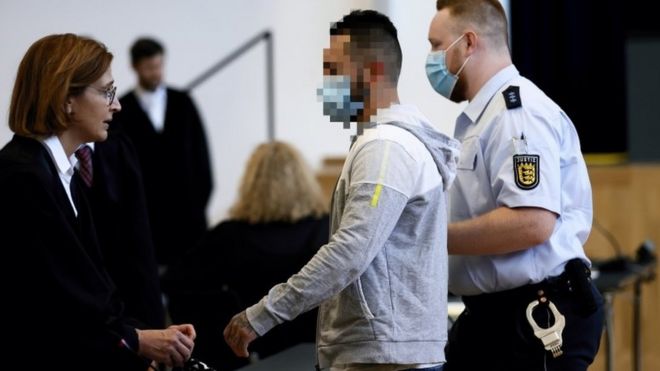
As many as ten men, mostly Syrian refugees, have been found guilty in the German nightclub case, which sparked an anti-refugee sentiment in the country.

The lead defendant was awarded a tough punishment of five-year imprisonment. Aroud seven others have been given four-year imprisonment each.

The rest two men has received suspended sentences.

Notably, one person who was arrested in connection with the case was acquitted, as the prosecution has failed to prove the charges against the accused.

Germany was initially welcoming towards migrants. It was the first western country which opened up its borders wholeheartedly towards migrants.

But, the incident overturned everything. It turned a section of population of the country against the idea of allowing refugees inside the country.

The far-rightist politicized the entire incident. It achieved serious political gain from the development. It reflected in the election recently held in the European country of Germany.  

Photo Courtesy: Google/ images are subject to copyright 

News

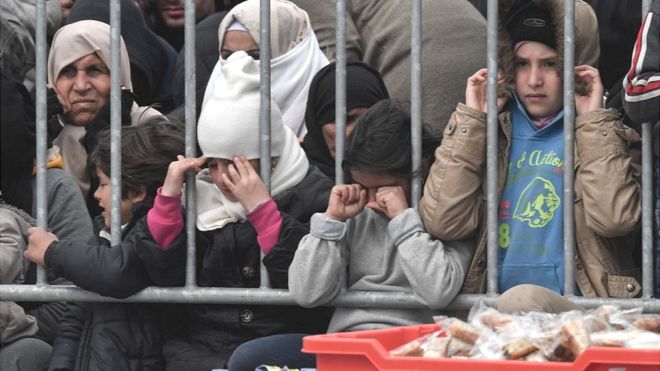
The European Court of Justice has pulled up Poland, Hungary and the Czech Republic as It has found these countries have failed to respect the EU law as it has not taken in refugees under an agreement reached by the EU leaders to ease the burden faced by Italy and Greece.

The agreement was supposed to benefit 160,000 refugees – especially those from the embattled country of Syria, and was supposed to bring a huge relief to overcrowded camps in Italy and Greece.

Now, the EU Commission is free to impose fines over these countries for the crimes they have committed by disrespecting the EU law.

The court has declined to accept these countries’ argument that the acceptance of refugees would create huge security issues in their country.

So far, the Czech Republic has accepted not more than 12 of the 2,000 refugees it had been asked to take in, while Hungary and Poland have not taken in a single person yet.


Photo Courtesy: Google/ images are subject to copyright