featured News Trending

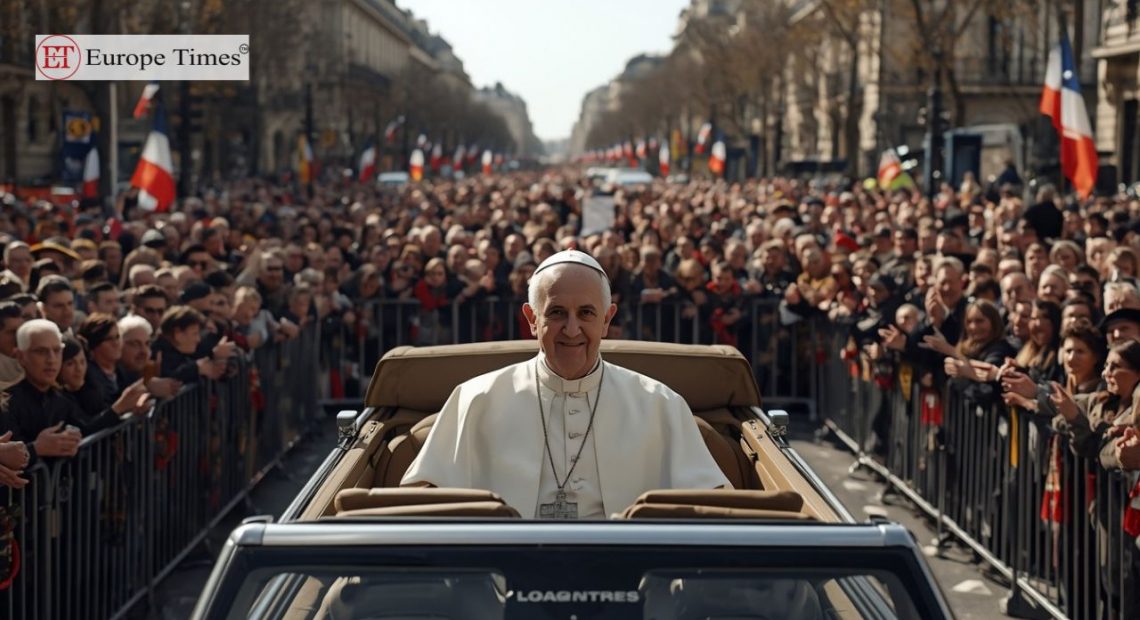
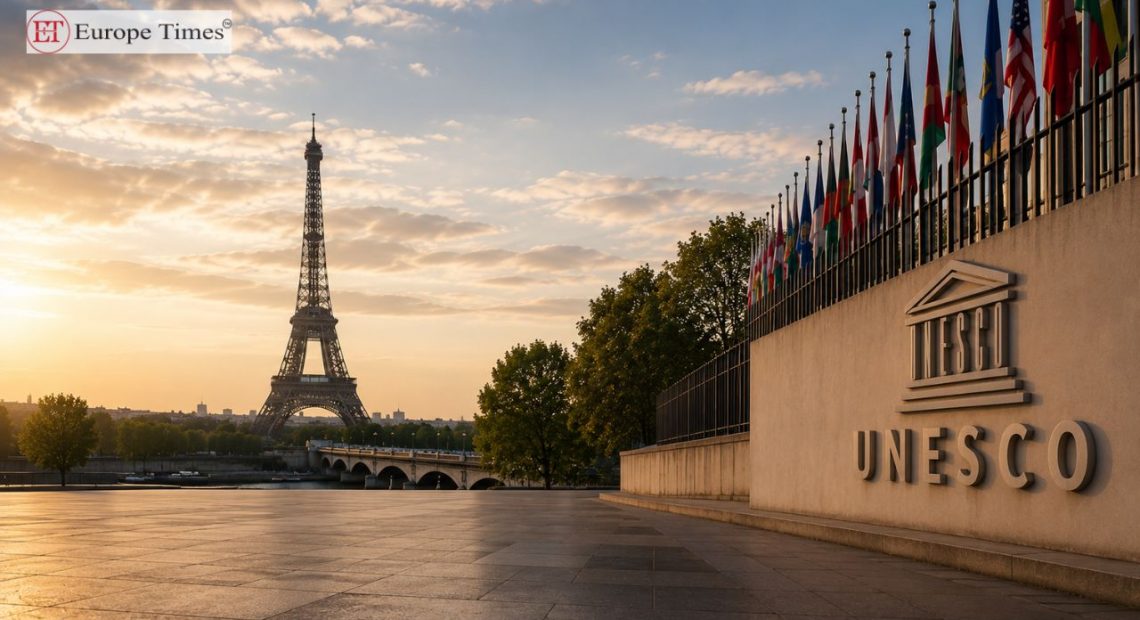
Pope Leo XIV will travel to France from September 25 to 28, with a key stop planned at the headquarters of UNESCO in Paris. The visit comes as UNESCO faces financial pressure following the decision by U.S. President Donald Trump to withdraw the United States from the agency, resulting in a significant budget shortfall.

The Vatican said the pope is also expected to visit the famous Notre-Dame Cathedral, which reopened in 2024 after restoration work following the devastating 2019 fire. Pope Leo may also meet French President Emmanuel Macron and could address the French parliament during the trip. The detailed itinerary will be announced later.

The France visit will be Pope Leo’s fourth international trip of the year and comes amid growing global attention on his leadership style and political comments, including criticism of the Iran conflict that reportedly angered Trump. The pope, formerly Cardinal Robert Prevost, is the first American-born pope and also has French ancestry through immigrant roots in the United States.

Pic courtesy: google/ images are subject to copyright

featured News Trending

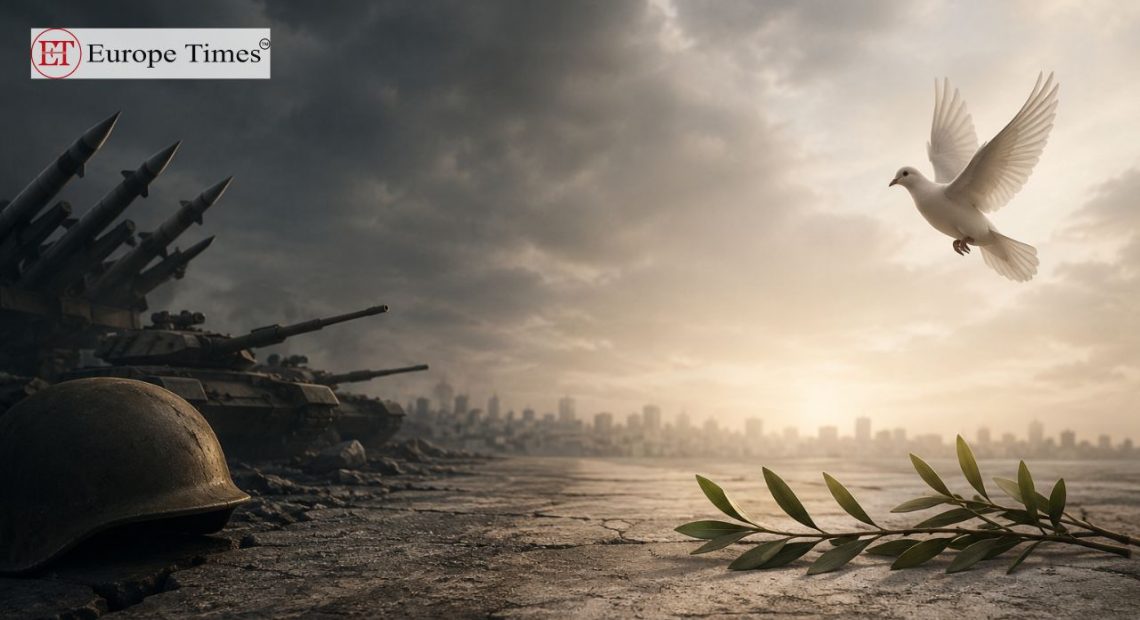
Pope Leo XIV criticized Europe’s rising military spending, calling it a betrayal of diplomacy and warning that increased rearmament only fuels insecurity and conflict. Speaking to students at Rome’s Sapienza University, the pontiff said governments should not describe expanding arms budgets as “defence spending” when such investments reduce funding for education and healthcare while benefiting powerful elites.

The pope’s remarks come as European military expenditure reached its highest level since the Cold War, driven by the Russia-Ukraine conflict and pressure from U.S. President Donald Trump for NATO members to increase defence budgets. Trump has pushed allies to raise military spending targets and recently prioritized U.S. weapons sales toward countries investing more heavily in defence.

Leo also warned against the growing use of artificial intelligence in warfare, pointing to conflicts in Ukraine, Gaza, Lebanon, and Iran as examples of technology making wars more inhumane. Urging students to reject divisive ideologies and nationalism, he appealed for global unity and encouraged young people to become “artisans of true peace.”

Pic courtesy: google/ images are subject to copyright

featured News Trending

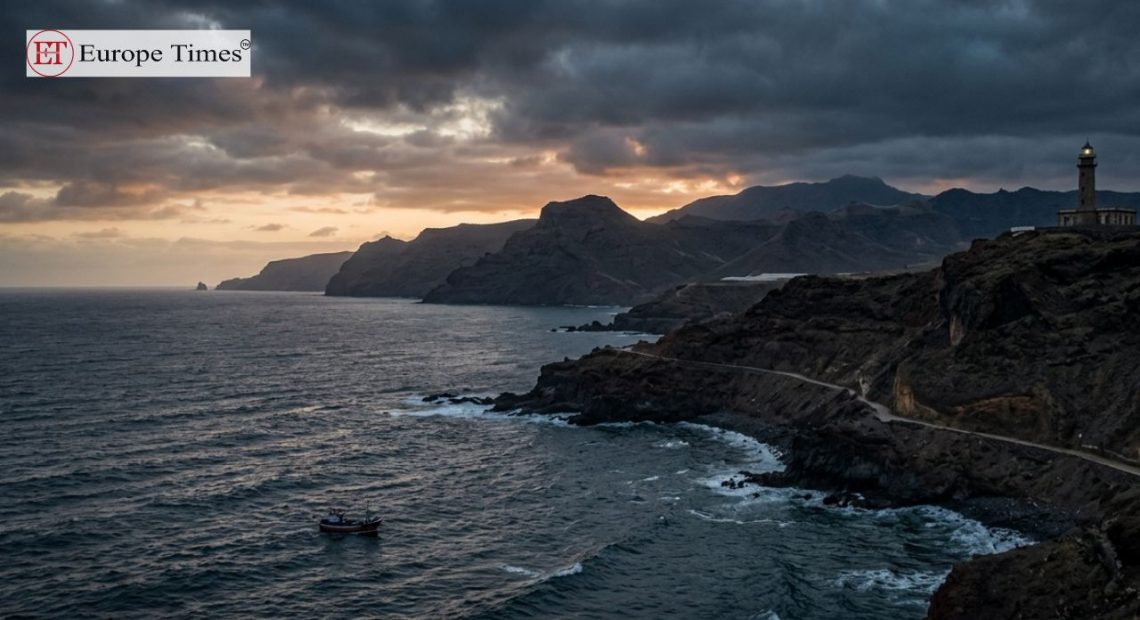
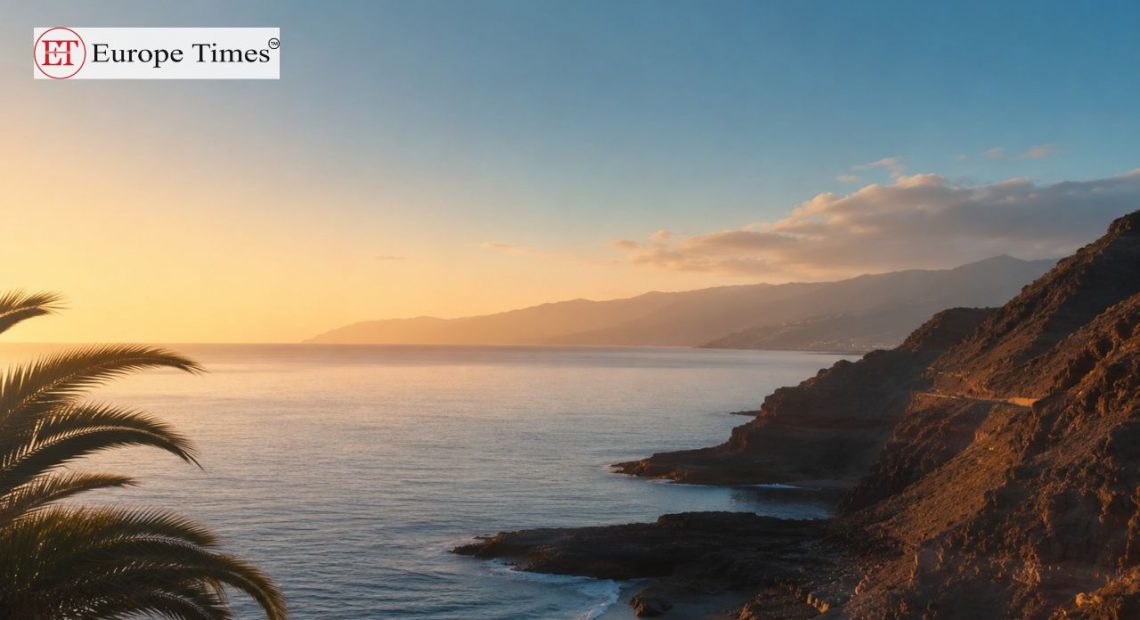
Pope Leo XIV will travel to Spain from June 6–12, marking his first visit to a European Union country outside Italy since becoming pontiff. As part of the trip, he will visit the Canary Islands—a major entry point for migrants crossing dangerous Atlantic routes to Europe.

During his time on Tenerife and Gran Canaria, the pope is expected to meet migrants and humanitarian organizations supporting them. The visit comes amid growing concern over migration, with thousands losing their lives attempting the journey, and as Spain rolls out a mass amnesty program for undocumented immigrants under Prime Minister Pedro Sánchez.

The tour will also include stops in Madrid and Barcelona, where the pope will meet King Felipe VI and Queen Letizia, and inaugurate a new tower of the iconic Sagrada Familia. The visit highlights his increasingly vocal stance on global issues, particularly migration and humanitarian concerns.

Pic courtesy: google/ images are subject to copyright

featured News Trending

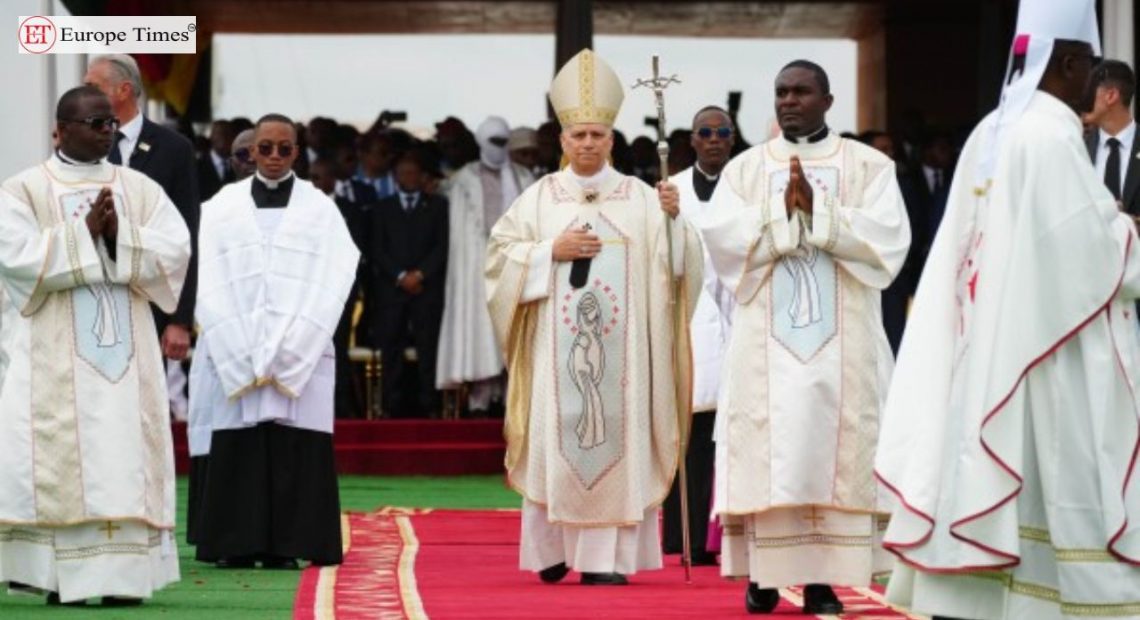
Pope Leo XIV arrived in Angola as part of his ongoing Africa tour, marking a key stop where he is expected to address the exploitation of natural resources in the oil-rich nation. The visit follows his time in Cameroon, where he held large public gatherings and delivered messages of hope amid regional conflict and hardship.

During his tour, the pope has adopted a more assertive tone on global issues, including inequality and war. Responding to criticism from Donald Trump, Leo clarified that his remarks about “tyrants” were not directed at the U.S. leader and emphasized that engaging in political disputes was not his intention.

In Angola, the pope is scheduled to meet João Lourenço and speak to political leaders about poverty and resource distribution. Despite its vast oil wealth, a significant portion of Angola’s population lives in extreme poverty. The visit is part of a wider, complex tour across four African nations, drawing large crowds and highlighting the pope’s growing global influence.

Pic courtesy: google/ images are subject to copyright

featured News Trending

Pope Leo XIV has stepped into a more assertive global role, using his Africa tour to deliver sharp criticism of war, inequality, and global leadership. Speaking in countries including Cameroon, the pontiff warned that the world is being harmed by powerful leaders and unchecked aggression, marking a clear shift from his previously cautious tone.

The pope’s remarks have drawn strong reactions, particularly from Donald Trump, who criticized Leo’s views on international conflicts. Analysts say the change in rhetoric reflects Leo’s growing concern about global instability, as he increasingly positions himself as a moral authority willing to directly challenge political power.

Observers note that Leo’s experiences as a missionary in Peru and his exposure to conflict and poverty have shaped his outspoken stance. Compared to his predecessor Pope Francis, Leo is seen as even more direct in confronting injustice, signaling a papacy that may play a more vocal and influential role in global affairs.

Pic courtesy: google/ images are subject to copyright

featured News Trending

Pope Leo XIV called on global leaders to abandon conflict and embrace peace during his first Easter Mass at St. Peter’s Basilica. Addressing thousands gathered in St. Peter’s Square, the pontiff urged those with the power to wage wars to instead work toward ending violence, stressing the need for peace in a world increasingly affected by conflict.

Delivering his traditional “Urbi et Orbi” blessing, the first US-born pope highlighted growing global indifference to war and suffering. Without naming specific countries, he warned against becoming desensitised to violence and called for weapons to be laid down. He also paid tribute to his predecessor, Pope Francis, while reflecting on the message of nonviolence central to the Easter story.

The Mass, held amid vibrant floral decorations, marked one of Christianity’s most important celebrations — Easter. Pope Leo XIV concluded his address by extending greetings in multiple languages and announcing a prayer vigil for peace later in April. He has consistently spoken out against global conflicts in recent weeks, including making a direct appeal to Donald Trump to seek de-escalation in tensions involving Iran.

Pic courtesy: google/ images are subject to copyright

featured News Trending

Pope Leo XIV led a solemn Good Friday service at Rome’s Colosseum, where thousands of Catholics gathered for the traditional Via Crucis (Way of the Cross) procession. The candle-lit ceremony included prayers for war orphans, deported migrant children, and victims of global conflicts. During the service, spiritual meditations emphasized accountability for world leaders, warning that their use of power—especially in matters of war and peace—would ultimately be judged by God.

The pope, the first American to hold the position, carried a wooden cross through the historic amphitheatre, stopping at intervals for readings from the Bible, reflections inspired by St. Francis of Assisi, and messages focused on social justice. The meditations highlighted suffering across the world, including refugees, victims of human trafficking, political prisoners, and those killed in war zones, while also drawing attention to children affected by harsh immigration policies.

Although no specific leaders were named, the themes reflected ongoing global tensions and humanitarian concerns. Pope Leo has previously voiced criticism of strict immigration measures, particularly in relation to their alignment with Church teachings. The Good Friday observance marks a key moment in the Christian calendar leading up to Easter Sunday, when the pope is expected to deliver a major message addressing international issues.

Pic courtesy: google/ images are subject to copyright

featured News Trending

Johan Bonny, the bishop of Antwerp in Belgium, has announced plans to petition the Vatican to allow the ordination of married men as priests by 2028. The move addresses the Church’s declining clergy numbers and could test Pope Leo XIV’s willingness to consider changes to centuries-old celibacy rules. Bonny, a progressive voice in the Church, said he would identify men to train as priests and make “every effort” to implement the change.

The Catholic Church has long maintained a celibate priesthood, and ordaining married priests without papal permission could result in excommunication. While Pope Leo XIV has praised celibacy, he has not spoken extensively on married clergy, and previous pontiffs, including Pope Francis, firmly rejected the idea. Bonny highlighted that the Church’s replacement rate of celibate priests is “just above zero,” creating a pressing need for reform.

The issue has historical precedent in Eastern-rite Catholic Churches, where married priests are allowed. Bonny noted that his diocese currently depends on foreign priests, often married, from Eastern Europe and the Middle East. Advocates say married priests could attract more men to the priesthood, while opponents maintain that celibacy ensures priests’ full dedication to Church duties.

Pic courtesy: google/ images are subject to copyright

featured News Trending

Pope Leo XIV has called on nations to ensure universal healthcare access, describing it as a “moral imperative” for any just society. Speaking at a healthcare conference in Vatican City, he emphasized that access to medical services is essential to human dignity and social justice.

The pope stressed that healthcare must not become a privilege for a few, urging governments to prioritize the needs of vulnerable populations. He warned that inequality in access to healthcare could lead to broader social injustices and even conflict if left unaddressed.

Building on the stance of his predecessor Pope Francis, Leo highlighted the importance of solidarity and collective responsibility in building inclusive healthcare systems. He encouraged global cooperation to create systems that ensure care for all, reinforcing the idea that health is a fundamental right, not a luxury.

Pic courtesy: google/ images are subject to copyright

featured News Trending

Pope Leo XIV on Friday suggested that Christian political leaders who engage in armed conflicts should examine their conscience and go to confession, emphasizing adherence to Jesus’ teachings without naming specific leaders or wars. Speaking to priests at a Vatican conference on the practice of confession, he highlighted the importance of humility and moral reflection for those bearing grave responsibilities in conflicts.

The pope’s remarks come amid his repeated calls for an end to the ongoing Iran war, which began with joint U.S.-Israeli airstrikes on February 28. While the Catholic Church generally opposes war, it evaluates conflicts through the just war tradition, assessing whether actions like repelling an unjust invasion are morally justifiable. Cardinal Robert McElroy recently criticized the U.S.-Israeli strikes as failing to meet these criteria.

Pope Leo stressed that the sacrament of confession not only allows individual Catholics to seek forgiveness but also fosters peace and unity in society. By encouraging self-examination and repentance, the pope linked spiritual reflection with broader ethical responsibility, urging leaders and faithful alike to align their actions with Christian teachings on non-violence.

Pic courtesy: google/ images are subject to copyright