featured News Trending

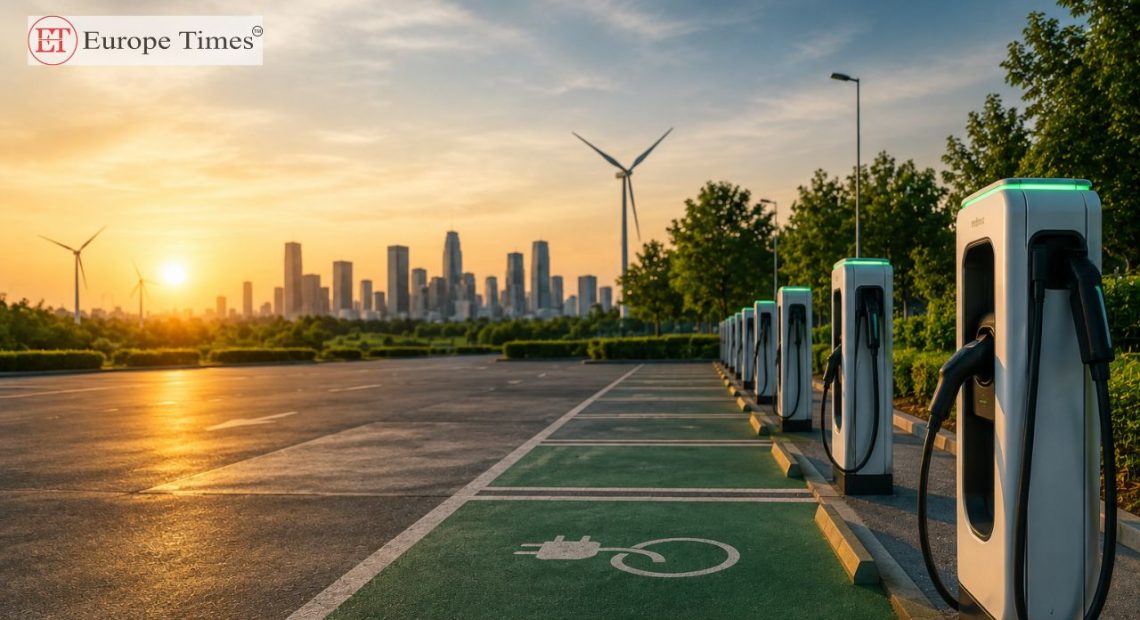
Electric vehicle demand across Europe has jumped sharply as soaring fuel prices linked to the Iran conflict push consumers toward electric mobility. According to data shared with Reuters, registrations of new EVs across major European markets rose 34% year-on-year in April, while demand for both new and used electric cars surged significantly. Industry players said rising oil prices, which climbed above $100 per barrel following disruptions caused by the U.S.-Israeli conflict with Iran, have accelerated consumer interest in EVs far beyond earlier expectations.

Major automakers and EV marketplaces reported a sharp rise in customer enquiries and sales activity. UK-based Octopus Electric Vehicles recorded a 95% increase in demand for new EVs and a 160% jump for used models in April. Companies including Renault, Volvo Cars, and Volkswagen-owned Seat/Cupra said customers are increasingly choosing electric models, particularly affordable entry-level vehicles. Some manufacturers are now considering increasing EV production as orders continue to exceed expectations in several European markets, including Germany, Britain, Italy, Denmark, and the Netherlands.

Chinese electric vehicle brands have also gained momentum due to their relatively lower prices. Online marketplace Carwow reported massive growth in interest for brands such as BYD, Leapmotor, and Xpeng, with EV-related enquiries now accounting for nearly 75% of searches on its platform. Industry executives said the Iran conflict has fundamentally changed how Europeans view energy security and transportation costs, turning EV adoption from a long-term consideration into an immediate priority for many consumers.

Pic courtesy: google/ images are subject to copyright

featured News Trending

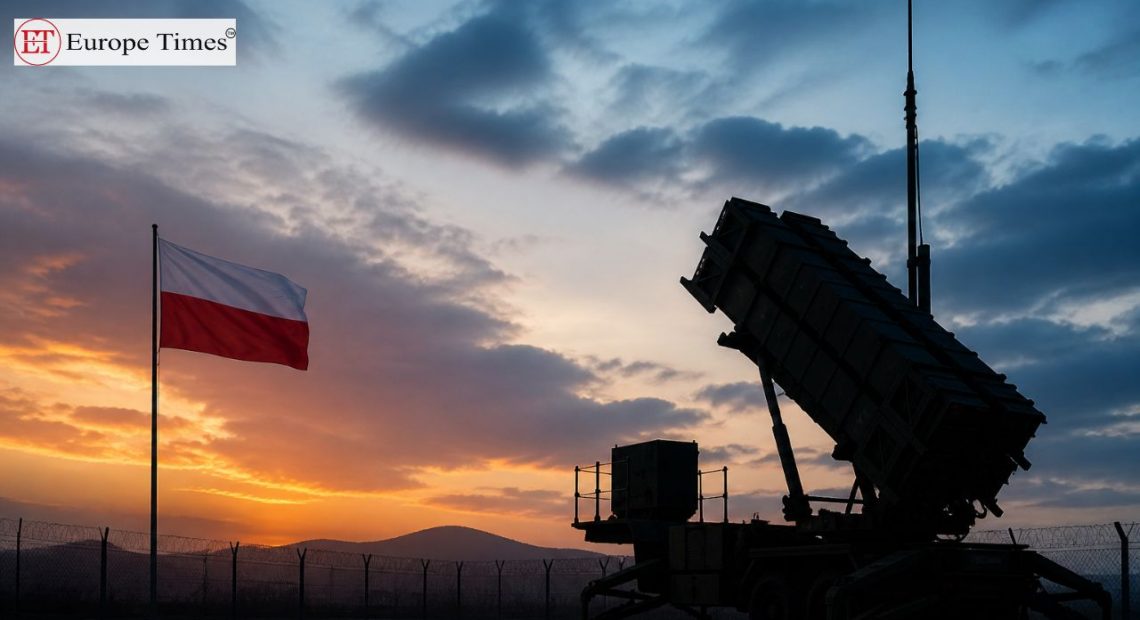
Poland has not received any indication that deliveries of U.S.-made Patriot air defence systems will be delayed, Defence Minister Wladyslaw Kosiniak-Kamysz said. His remarks come amid broader concerns in Europe about potential disruptions to American weapons supplies due to ongoing geopolitical tensions.

Recent reports suggested that the United States had warned allies such as the UK, Poland, Lithuania, and Estonia about possible delays in arms deliveries as the conflict involving Iran strains military stockpiles. However, Polish officials clarified that such concerns have not affected the timeline for Patriot systems, which are considered vital for missile defence.

Kosiniak-Kamysz noted that while delays in other military equipment cannot be ruled out, they are unlikely to be significant enough to cause serious concern. Earlier, he had cautioned that a prolonged conflict in the Middle East could impact the supply of U.S. defence systems to countries including Poland and Ukraine.

Pic courtesy: google/ images are subject to copyright

featured News Trending

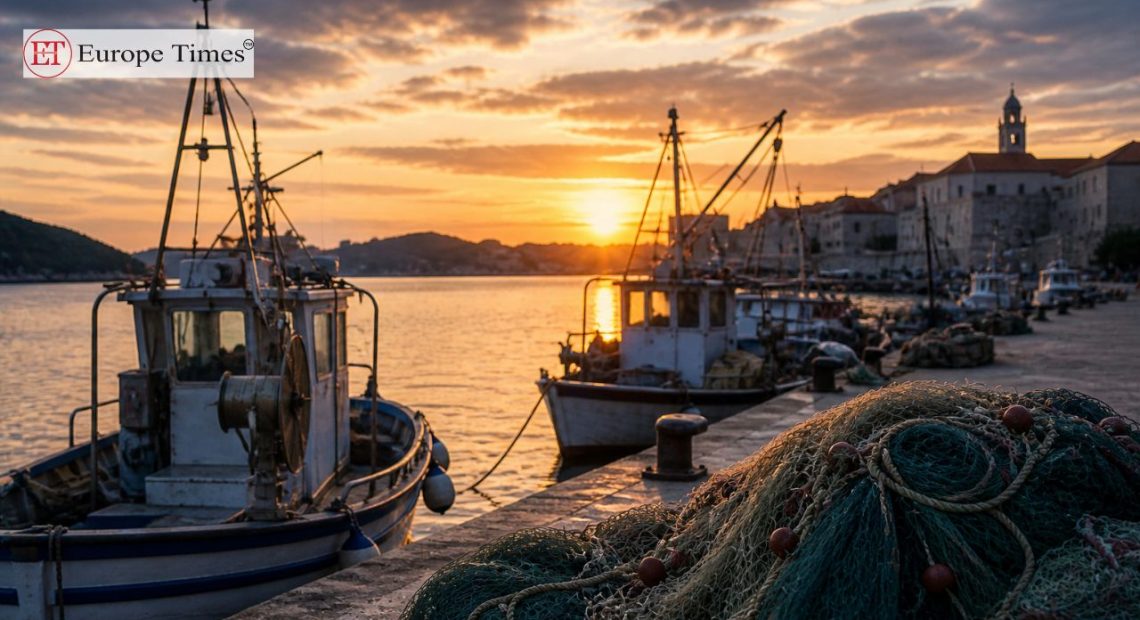
Fishermen along Croatia’s Adriatic coast are suspending operations as soaring fuel prices—linked to tensions around Iran—make their work financially unsustainable. In Dubrovnik, fishing captain Dinko Cvjetojevic said that despite favorable weather and abundant fish, many boats remain docked as the cost of fuel has sharply increased.

Fuel expenses now account for as much as 90% of operating costs, nearly double the share before disruptions affected oil flows through the Strait of Hormuz. Cvjetojevic noted that while he had stockpiled some fuel to keep one vessel running temporarily, the situation is becoming untenable and may force a complete halt to operations within weeks.

The crisis threatens a key local industry that supports jobs and supplies seafood to the tourism sector, a major pillar of Croatia’s economy. Fishermen who once distributed catch across regions and exported to nearby countries have scaled back to local sales. Without government assistance, Cvjetojevic warned, many in the industry may not survive if fuel prices remain high.

Pic courtesy: google/ images are subject to copyright

featured News Trending

German Chancellor Friedrich Merz said his relationship with U.S. President Donald Trump remains positive despite a public disagreement over the Iran conflict. Speaking in Berlin, Merz acknowledged differences in opinion but stressed that communication between the two leaders continues.

The dispute highlights broader tensions between the United States and its European NATO allies over Iran, as well as ongoing concerns tied to the Ukraine war. Merz reiterated his skepticism about the Iran conflict from the beginning, emphasizing its economic consequences for Europe, particularly disruptions to energy supplies linked to the closure of the Strait of Hormuz.

Trump recently criticized Merz, accusing him of being lenient on Iran’s nuclear ambitions—an accusation the German leader has denied, maintaining that Iran must not acquire nuclear weapons. Despite the exchange, both sides continue diplomatic engagement, even as the conflict remains unresolved and continues to impact global markets.

Pic courtesy: google/ images are subject to copyright

featured News Trending

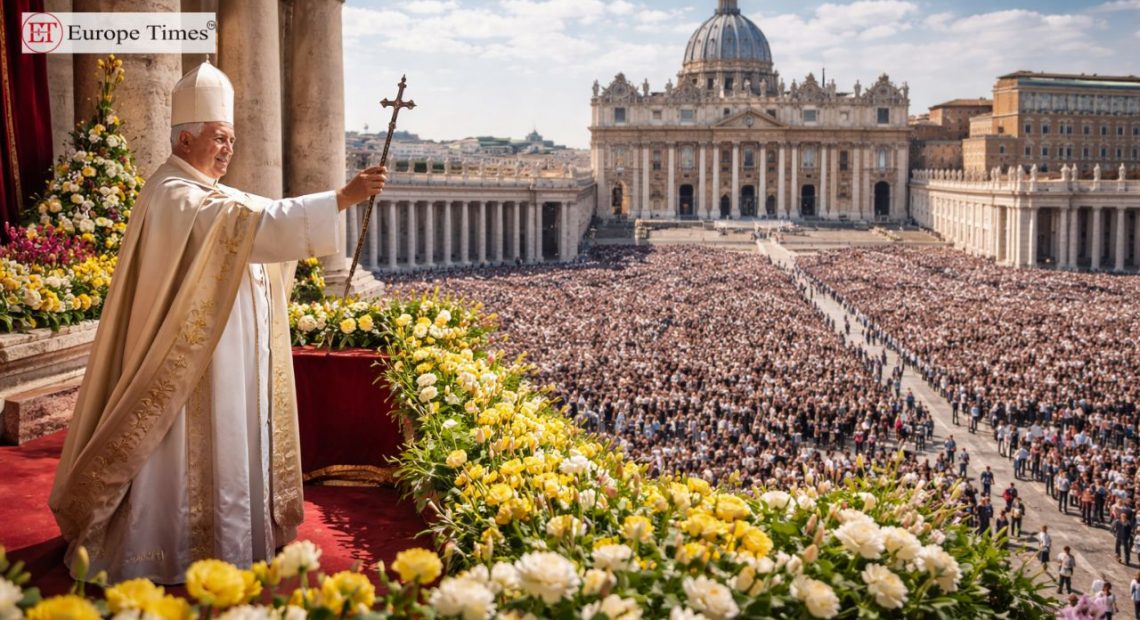
Pope Leo XIV called on global leaders to abandon conflict and embrace peace during his first Easter Mass at St. Peter’s Basilica. Addressing thousands gathered in St. Peter’s Square, the pontiff urged those with the power to wage wars to instead work toward ending violence, stressing the need for peace in a world increasingly affected by conflict.

Delivering his traditional “Urbi et Orbi” blessing, the first US-born pope highlighted growing global indifference to war and suffering. Without naming specific countries, he warned against becoming desensitised to violence and called for weapons to be laid down. He also paid tribute to his predecessor, Pope Francis, while reflecting on the message of nonviolence central to the Easter story.

The Mass, held amid vibrant floral decorations, marked one of Christianity’s most important celebrations — Easter. Pope Leo XIV concluded his address by extending greetings in multiple languages and announcing a prayer vigil for peace later in April. He has consistently spoken out against global conflicts in recent weeks, including making a direct appeal to Donald Trump to seek de-escalation in tensions involving Iran.

Pic courtesy: google/ images are subject to copyright

featured News Trending

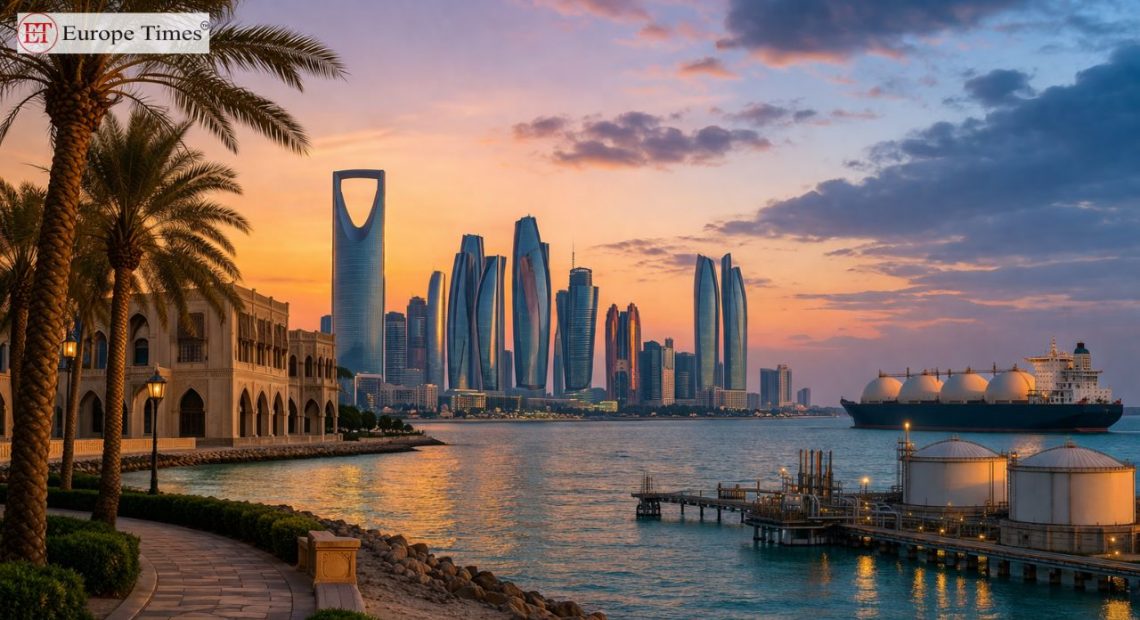
Italy’s Prime Minister Giorgia Meloni began a surprise diplomatic tour of Saudi Arabia, Qatar, and the United Arab Emirates, marking the first visit by a European Union leader to the Gulf since the outbreak of the U.S.-Israeli war with Iran in February. During her stop in Jeddah, Meloni is expected to meet Saudi Crown Prince Mohammed bin Salman, with discussions centered on regional security and strengthening ties with Gulf partners facing rising tensions and Iranian attacks.

The visit aims to reassure Gulf allies while safeguarding Italy’s energy needs as fuel prices rise and supply disruptions grow. Italy relies significantly on the region for energy, with Qatari liquefied natural gas previously covering about 10% of its gas consumption and Middle Eastern oil accounting for roughly 12% of imports. Ongoing conflict has disrupted shipments, including suspended LNG deliveries due to instability around the Strait of Hormuz and damage to part of Qatar’s export capacity.

To offset potential shortages, Italy is expanding energy partnerships beyond the Gulf. Meloni recently visited Algeria to secure additional gas supplies and plans a future trip to Azerbaijan, another key supplier. Italy also expects LNG deliveries from the United States’ Golden Pass facility starting in June, as Rome works to diversify energy sources and maintain supply stability amid escalating geopolitical uncertainty.

Pic courtesy: google/ images are subject to copyright

featured News Trending

Pope Leo XIV has strongly condemned aerial military strikes, calling them indiscriminate and urging that they be permanently banned. Speaking in Vatican City, he warned that no one should live in fear of destruction coming from the sky, especially in light of ongoing global conflicts.

Although he did not directly reference the ongoing U.S.-Israeli war involving Iran, the pope criticized the continued use of airpower in warfare, describing it as a regression rather than progress. He emphasized that after the devastating experiences of the 20th century, such tactics should have been eliminated entirely.

The pope has repeatedly called for a ceasefire in the conflict, recently labeling it a “scandal to the whole human family.” His remarks came during a meeting with staff from ITA Airways, the airline that typically handles his international travel.

Pic courtesy: google/ images are subject to copyright

featured News Trending

Pope Leo called on journalists to focus on the human suffering caused by war rather than amplifying propaganda or glorifying conflicts. Speaking to broadcasters from Italy’s TG2 news program, the pope emphasized the need to report “through the eyes of the victims” and avoid presenting war like a video game, urging media to act responsibly in portraying the realities of violence.

He cautioned that in times of conflict, information must not become a “megaphone of power” and stressed the importance of verifying news to prevent misleading narratives. While Pope Leo did not specify a particular conflict in his remarks, he has recently called for an immediate ceasefire in the escalating U.S.-Israeli war on Iran, describing the violence as “atrocious.”

The pope’s warning echoes similar concerns voiced by U.S. church leaders, including Chicago Cardinal Blase Cupich, who condemned a White House social media video that spliced Iran war footage with video game and action film clips, calling the content “sickening.” Both leaders underscored the moral responsibility of media and public figures in shaping perceptions of war.

Pic courtesy: google/ images are subject to copyright

featured News Trending

Foreign ministers from the European Union are set to discuss strengthening their naval presence in the Middle East as tensions surrounding Iran disrupt global shipping routes. The talks in Brussels will focus on reinforcing the EU’s Operation Aspides, which was launched in 2024 to protect commercial vessels from attacks by Yemen’s Houthi rebels in the Red Sea.

The ongoing conflict involving Iran has intensified concerns over the security of the Strait of Hormuz, a key passage that handles roughly one-fifth of the world’s oil and liquefied natural gas shipments. Since military strikes by the United States and Israel on Iran in late February, traffic through the strait has been severely disrupted, prompting discussions on whether the EU mission could help restore safe navigation.

However, some European officials remain cautious about expanding the mission’s mandate. Johann Wadephul expressed scepticism about extending the operation to the Strait of Hormuz, arguing that the current mission has not been fully effective in its existing role. Meanwhile, Donald Trump has urged major economies to work together to secure shipping routes, though any change to the EU mission would require approval from all 27 member states.

Pic courtesy: google/ images are subject to copyright

featured News Trending

The global airline industry faced fresh volatility on Thursday as rising jet fuel prices and widespread flight disruptions followed the escalating conflict involving Iran and joint strikes by the United States and Israel. Several Middle Eastern airspaces were closed due to missile risks, forcing airlines to cancel or reroute flights. Operations at Dubai International Airport, the world’s busiest international hub, began slowly resuming after coming close to a halt earlier in the week.

Airline stocks showed mixed movement as the crisis affected routes and fuel costs. Shares of carriers such as Cathay Pacific and Qantas Airways recovered slightly, while others like Wizz Air dropped sharply after warning the conflict could cut about $58 million from its profits. Analysts say airlines with strong exposure to Middle Eastern routes are particularly vulnerable as jet fuel prices surge and flight paths become longer due to airspace restrictions.

Meanwhile, airlines including Emirates, Etihad Airways and Qatar Airways have started limited services through safer corridors while governments organize evacuation flights for stranded citizens. More than 17,000 Americans have already returned home, while other countries continue repatriation efforts as the aviation sector closely watches how the conflict around Iran unfolds.

Pic courtesy: google/ images are subject to copyright