featured News Trending

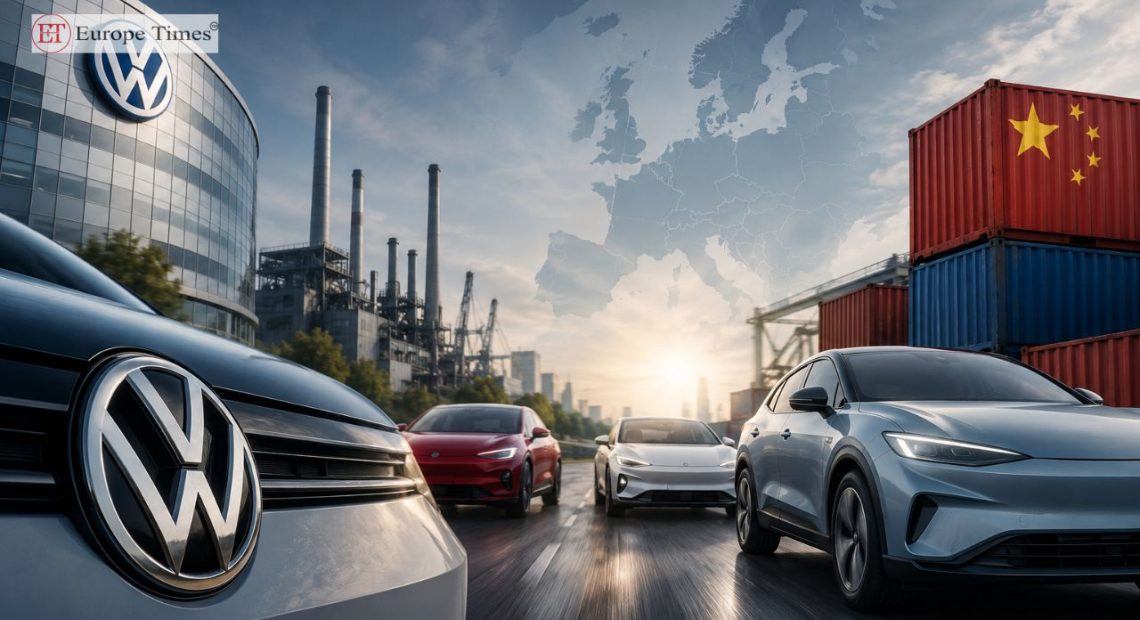
German automakers are losing momentum as global rivals gain ground, according to a new EY analysis. While major automotive groups worldwide posted a 2% increase in first-quarter revenue, German manufacturers recorded a 4% decline, reflecting growing challenges in key international markets.

Industry experts point to a combination of factors behind the downturn, including trade tariffs, geopolitical tensions, weakening demand in the United States and China, and the rapid pace of technological change. German carmakers are also grappling with high software development costs, excess production capacity, and a slower-than-expected transition to electric vehicles.

The outlook remains challenging as rising fuel prices and inflation, fueled in part by geopolitical uncertainty, threaten consumer demand across Europe. EY warned that the sector’s structural transformation is far from over, with 2026 likely to remain a difficult year for Germany’s automotive industry.

Pic courtesy: google/ images are subject to copyright

featured News Trending

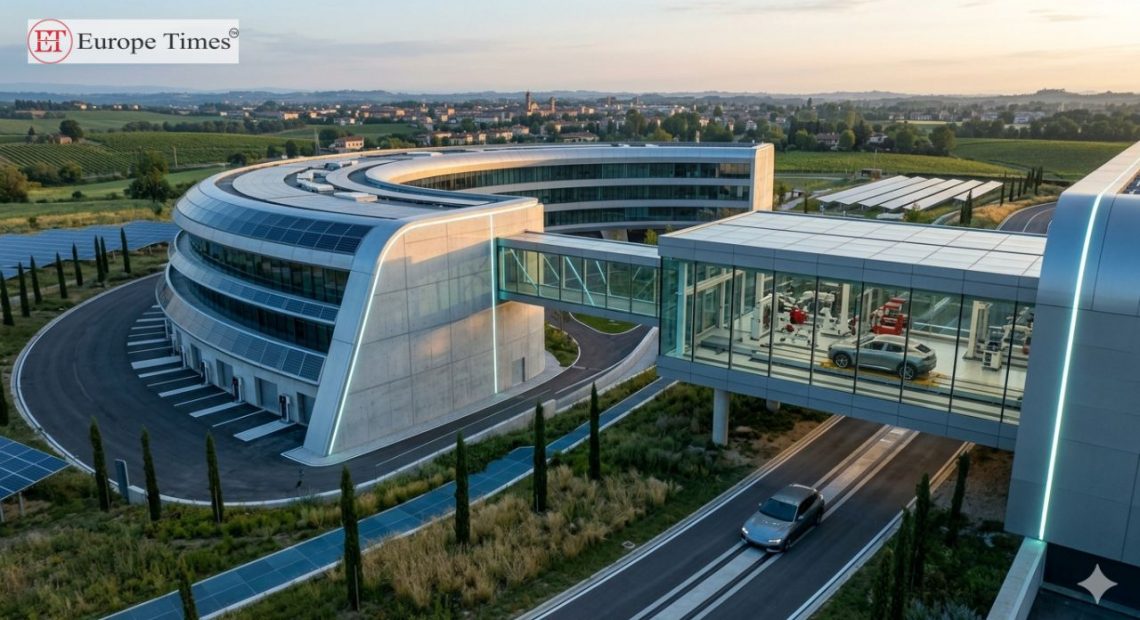
Ferrari stepped into a new automotive era on Monday with the unveiling of its first fully-electric car, the “Luce,” in Rome, betting it can captivate drivers without its signature combustion engine roar. The four-door model boasts a top speed of 310 kph (193 mph) and carries a hefty price tag of more than €500,000 ($586,000). Developed in collaboration with former Apple designer Jony Ive’s studio, LoveFrom, the Luce is described as a large, distinctive vehicle designed to define luxury electrification before its global and Chinese competitors can dominate the space.

The launch comes at a time when many of Ferrari’s sports car rivals are scaling back or scrapping their electric transition plans due to weak market demand. While Lamborghini abandoned its 2030 EV rollout and Ferrari itself delayed a second electric model until at least 2028, the company is positioning the Luce as a bold strategic statement rather than a mass volume seller. To maintain its iconic visceral appeal, Ferrari has integrated a specialized sound system into the Luce that amplifies powertrain vibrations to create an authentic, distinct electric Ferrari sound rather than a simulated petrol engine noise.

Under CEO Benedetto Vigna, Ferrari has heavily invested in electrification infrastructure, including a new “e-building” at its Maranello headquarters, with client deliveries for the Luce scheduled to begin in October. Facing heavy batteries and changing consumer habits, the automaker has scaled back its 2030 product lineup goal for fully electric cars from 40% down to 20%, choosing to continue producing hybrid and traditional internal combustion models alongside EVs. Ultimately, Ferrari hopes the Luce will appeal to a younger generation of wealthy buyers and tech-forward collectors, especially as high fuel prices driven by regional conflicts alter market dynamics.

Pic courtesy: google/ images are subject to copyright

featured News Trending

Electric vehicle demand across Europe has jumped sharply as soaring fuel prices linked to the Iran conflict push consumers toward electric mobility. According to data shared with Reuters, registrations of new EVs across major European markets rose 34% year-on-year in April, while demand for both new and used electric cars surged significantly. Industry players said rising oil prices, which climbed above $100 per barrel following disruptions caused by the U.S.-Israeli conflict with Iran, have accelerated consumer interest in EVs far beyond earlier expectations.

Major automakers and EV marketplaces reported a sharp rise in customer enquiries and sales activity. UK-based Octopus Electric Vehicles recorded a 95% increase in demand for new EVs and a 160% jump for used models in April. Companies including Renault, Volvo Cars, and Volkswagen-owned Seat/Cupra said customers are increasingly choosing electric models, particularly affordable entry-level vehicles. Some manufacturers are now considering increasing EV production as orders continue to exceed expectations in several European markets, including Germany, Britain, Italy, Denmark, and the Netherlands.

Chinese electric vehicle brands have also gained momentum due to their relatively lower prices. Online marketplace Carwow reported massive growth in interest for brands such as BYD, Leapmotor, and Xpeng, with EV-related enquiries now accounting for nearly 75% of searches on its platform. Industry executives said the Iran conflict has fundamentally changed how Europeans view energy security and transportation costs, turning EV adoption from a long-term consideration into an immediate priority for many consumers.

Pic courtesy: google/ images are subject to copyright

featured News Trending

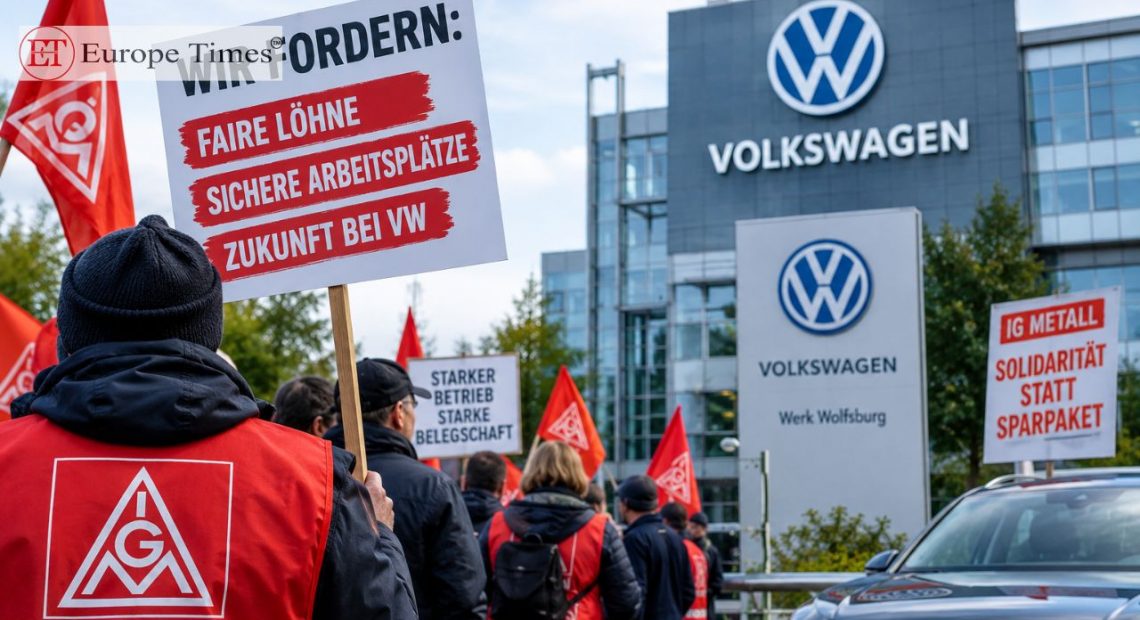
Volkswagen announced plans to cut 50,000 jobs across Germany by 2030, as post-tax profits fell by 44% in 2025, marking their lowest level since 2016. CEO Oliver Blume said the reductions will impact the entire group, including Audi and Porsche, and follow earlier agreements with unions to cut over 35,000 jobs in a socially responsible manner.

The company cited challenges including US import tariffs, declining demand in China, high restructuring costs from the shift to electric vehicles, and rising competition from Chinese carmakers entering Europe. Net profits fell from €12.4 billion to €6.9 billion, and Volkswagen projects a core profit margin of 4% to 5.5% for 2026, potentially lower than the current 4.6%.

Finance chief Arno Antlitz emphasized the need for rigorous cost reductions to maintain profitability in the long run. The company expects the job cuts and efficiency measures to save around €15 billion while navigating a fundamentally changed automotive market.

Pic courtesy: google/ images are subject to copyright

featured News

The European Union is preparing to introduce stricter “Made in EU” requirements for automakers as part of a proposed Industrial Accelerator Act aimed at reviving domestic manufacturing. Under draft rules, electric vehicles would need at least 70% of their parts’ value — excluding the battery — produced within the bloc to qualify for subsidies, alongside minimum EU-based battery content. The move is designed to counter mounting pressure from cheaper Chinese electric vehicle imports and prevent further industrial decline.

However, the plan has exposed divisions within the EU. France has pushed for stronger protection of local suppliers, warning of further factory closures and job losses without firm local-content mandates. Germany, whose carmakers depend heavily on exports to China, fears that stricter rules could trigger retaliatory trade measures. Industry groups caution that global auto supply chains are deeply integrated, making compliance complex and raising the risk of disrupting production networks.

Non-EU countries such as Britain and Turkey, key manufacturing hubs for European brands, are lobbying to be included in the framework. Automakers warn that excluding these partners could weaken EU production itself, while including them may create loopholes for Chinese firms to benefit indirectly. With billions of euros in subsidies and thousands of jobs at stake, policymakers are walking a tightrope between strengthening European industry and avoiding backlash from global trading partners.

Pic courtesy: google/ images are subject to copyright

featured News Trending

Glencore has reached an agreement to purchase nearly 2,000 metric tons of cobalt from industry veteran Rami Weisfisch, worth around $115 million at current market prices. The deal, spanning 12 months in 2026, is expected to supply the United States for its planned National Defense Stockpile under Project Vault, a program backed by $12 billion in public and private funding. The cobalt, originally acquired by Weisfisch in 2015, is stored across Europe and the U.S., and marks the end of Weisfisch’s 50-year involvement in the cobalt industry.

The move comes amid heightened U.S. efforts to secure critical materials, including cobalt, to reduce reliance on China, the dominant global supplier and processor of strategic metals. Glencore’s CEO Gary Nagle confirmed the company’s participation in Project Vault, following the cancellation of a U.S. Defense Logistics Agency tender for cobalt last year. The deal uses pricing tied to Fastmarkets assessments, ensuring alignment with current market conditions.

Cobalt prices have surged approximately 160% since February 2025, reaching $26 per pound ($57,320 per ton), driven by tight supply and rising global demand. Democratic Republic of Congo, the top producer, imposed export quotas from February to mid-October, disrupting supply chains. China, the largest cobalt processor, has been most affected by these restrictions, scrambling to secure cobalt for its industries, including lithium-ion battery production for electric vehicles and mobile devices.

Pic courtesy: google/ images are subject to copyright

featured News Trending

German Chancellor Friedrich Merz has embarked on his first official visit to China, leading a delegation of senior German business leaders, including heads of Volkswagen, BMW, and Mercedes-Benz. The trip aims to strengthen economic ties as Germany faces growing trade deficits and competitive pressures from China’s booming electric vehicle industry. Merz’s visit comes amid concerns over supply chain vulnerabilities and global economic rivalry.

China, Germany’s largest trading partner in 2025, has reversed years of trade surpluses, leaving Germany with a deficit of nearly €90 billion. German officials warn that export controls, overcapacity, and rising competition from Chinese firms have created a challenging environment for German manufacturers, prompting calls for Merz to negotiate better terms for industry.

During his visit, Merz is scheduled to meet President Xi Jinping and Prime Minister Li Qiang, signing economic agreements and visiting major facilities, including a Mercedes-Benz EV plant and Siemens Energy site. The trip reflects Germany’s strategic effort to balance trade relations with China while addressing EU measures protecting local industries from underpriced imports.

Pic courtesy: google/ images are subject to copyright

featured News Trending

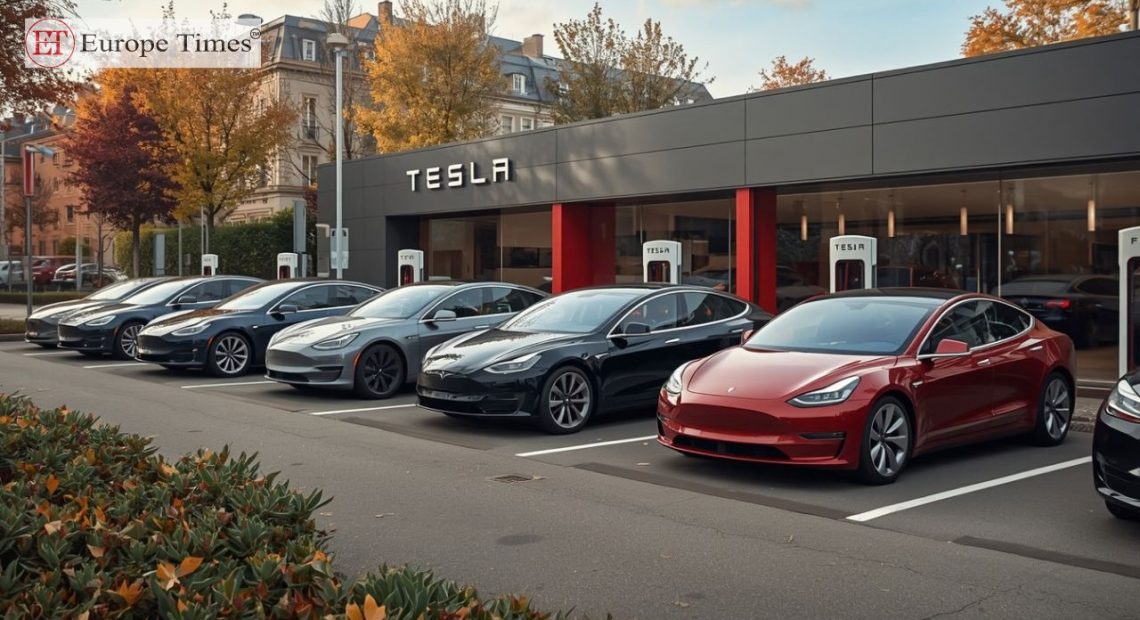
Tesla’s car registrations across key European markets showed little sign of a strong recovery in January, traditionally a slow sales month. While registrations increased in Sweden and Denmark compared to the same period last year, they fell sharply in France and Norway, highlighting uneven demand across the region.

In Sweden, Tesla registrations rose 26% to 512 vehicles, and in Denmark they edged up 3% to 458 units. However, sales dropped steeply in Norway—down 88% to just 83 vehicles—and declined 42% in France to 661 registrations. These figures come after Tesla’s European market shrank by 27% in 2025.

Despite launching cheaper versions of the Model Y and Model 3 to counter an ageing lineup and rising competition from rivals like China’s BYD, Tesla has struggled to regain momentum. Analysts say reputational issues linked to CEO Elon Musk’s political affiliations in Europe may also be weighing on the brand’s recovery, even as overall electric vehicle sales in the region improve.

Pic courtesy: google/ images are subject to copyright

featured News Trending

Sales of fully electric cars in the European Union surpassed petrol vehicle sales for the first time in December, according to data from industry body ACEA. Battery-electric vehicle registrations also exceeded petrol sales across the wider European market, including Britain and Norway, as overall car sales posted a sixth consecutive month of year-on-year growth. Electrified vehicles—including battery-electric, plug-in hybrid and hybrid models—accounted for 67% of all EU registrations during the month.

The shift comes amid intensifying competition from Chinese automakers such as BYD, Geely and Changan, which are rapidly expanding their presence in Europe, challenging domestic manufacturers like Volkswagen and BMW. At the same time, EU policymakers have proposed easing emissions rules, including plans announced in December to drop an effective 2035 ban on combustion-engine cars, responding to pressure from carmakers facing profitability challenges and global trade headwinds.

Despite regulatory uncertainty, analysts and industry leaders expect electric vehicles to continue gaining market share. European brands are rolling out more affordable EV models, supported by fresh national incentive schemes. While analysts note that some decline in petrol sales reflects reclassification into mild hybrids, experts say the milestone signals a turning point, even if it may still take several years for pure electric cars to fully overtake combustion-engine models across Europe.

Pic courtesy: google/ images are subject to copyright

featured News Trending

Tesla’s vehicle registrations fell sharply in several major European markets in December, underscoring a difficult year for the U.S. electric carmaker across much of the region. Sales dropped 66% in France and 71% in Sweden during the month, while declines were also recorded in Portugal and Spain. The weak performance reflects intensifying competition, an aging model lineup and reputational headwinds linked to Elon Musk’s political statements.

Despite the rollout of cheaper versions of the Model Y and Model 3, Tesla’s European business has yet to recover. For 2025 as a whole, registrations fell 37% in France, 70% in Sweden, 22% in Portugal and 4% in Spain. By November, Tesla’s market share across Europe, Britain and the European Free Trade Association slipped to 1.7% from 2.4% a year earlier, even as overall electric vehicle adoption continued to rise.

In contrast, Tesla enjoyed a standout performance in Norway, where registrations jumped 89% in December to 5,679 vehicles, helping the brand set a new annual sales record in 2025. Tesla captured more than 19% of the market in the country, where nearly all new car sales are electric. The company is due to report its global fourth-quarter delivery figures later on Friday.

Pic courtesy: google/ images are subject to copyright