News Trending

Unesco recommends placing Venice on the list of endangered World Heritage sites due to the risks posed by excessive tourism, overdevelopment, and rising sea levels from climate change. The agency aims to prompt better preservation efforts for the iconic Italian city’s future.

The proposal will be carefully reviewed by the Venice municipality and discussed with the Italian government. The city’s former mayor criticizes Unesco, calling it an expensive and ineffective body. Previously proposed for inclusion two years ago, Venice avoided the list temporarily due to emergency measures, but the promised conservation plan was never implemented.

Unesco’s report highlights the lack of a strategic vision to address climate change threats, and the impact of tourism on the city’s infrastructure. The agency believes that high-rise buildings should be constructed far from the city center to avoid negative visual impacts. Venice’s vulnerability to rising sea levels is exacerbated by its popularity as a tourist destination, with around 28 million visitors annually.

Currently, 55 World Heritage sites are listed as “in danger,” with an additional 204 being closely monitored by Unesco due to various threats.

Picture Courtesy: Google/images are subject to copyright

News Trending

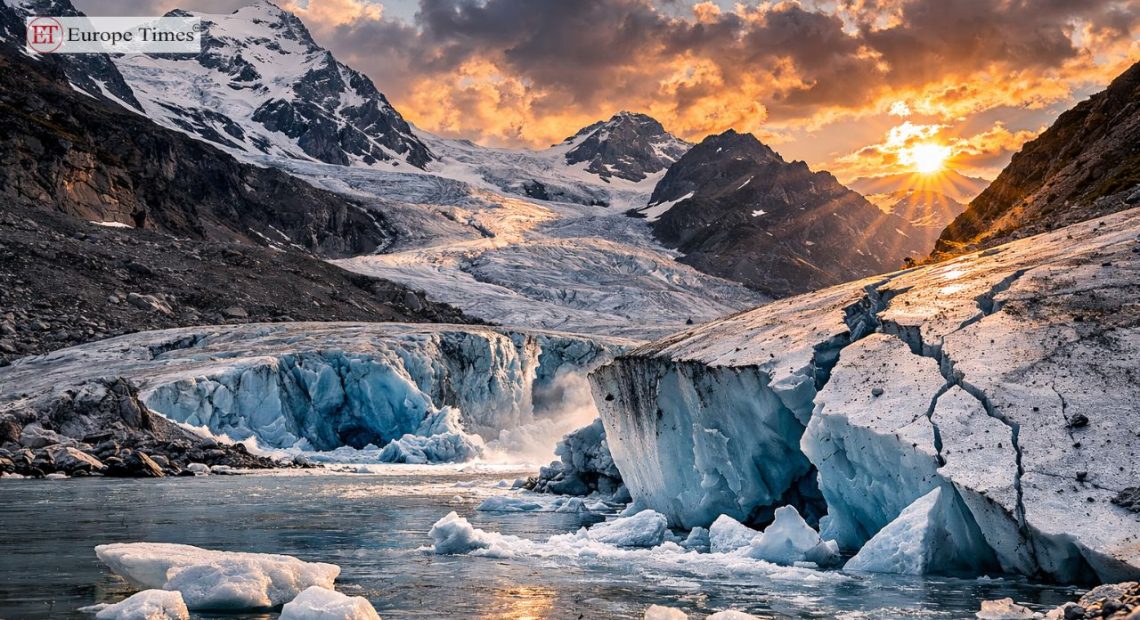
Human remains discovered on a glacier near the Matterhorn in Switzerland have been identified as the body of a German climber who had been missing since 1986. The finding is one of several long-held secrets revealed by the melting Alpine glaciers, which are shrinking rapidly due to climate change.

The Theodul glacier, where the body was found, has experienced a significant retreat in recent years. This glacier is part of Zermatt’s renowned year-round ski region, the highest in Europe. However, global warming has caused the alpine ice fields to be particularly vulnerable. As a result, various objects and remains, lost for decades, have emerged from the melting ice in recent years.

Such discoveries have included a crashed plane from 1968 and the remains of missing climbers from past decades. Furthermore, the melting ice has even led to changes in international borders between Switzerland and Italy, with the shifting position of the drainage divide.

The consequences of the glacier melt extend beyond the discovery of historical artifacts and climbers; these glaciers are vital to Europe’s environment, providing essential water sources for rivers like the Rhine and Danube, and helping maintain aquatic ecosystems. Unfortunately, the rapid rate of ice retreat observed by experts indicates that most Alpine glaciers could vanish by the end of the century. As global temperatures continue to rise, the fear of further ice loss and its far-reaching impacts on the environment persists.

Picture Courtesy: Google/images are subject to copyright

News Trending

A deadly wave of Mediterranean wildfires has resulted in over 40 deaths and forced thousands to evacuate in Algeria, Italy, and Greece.

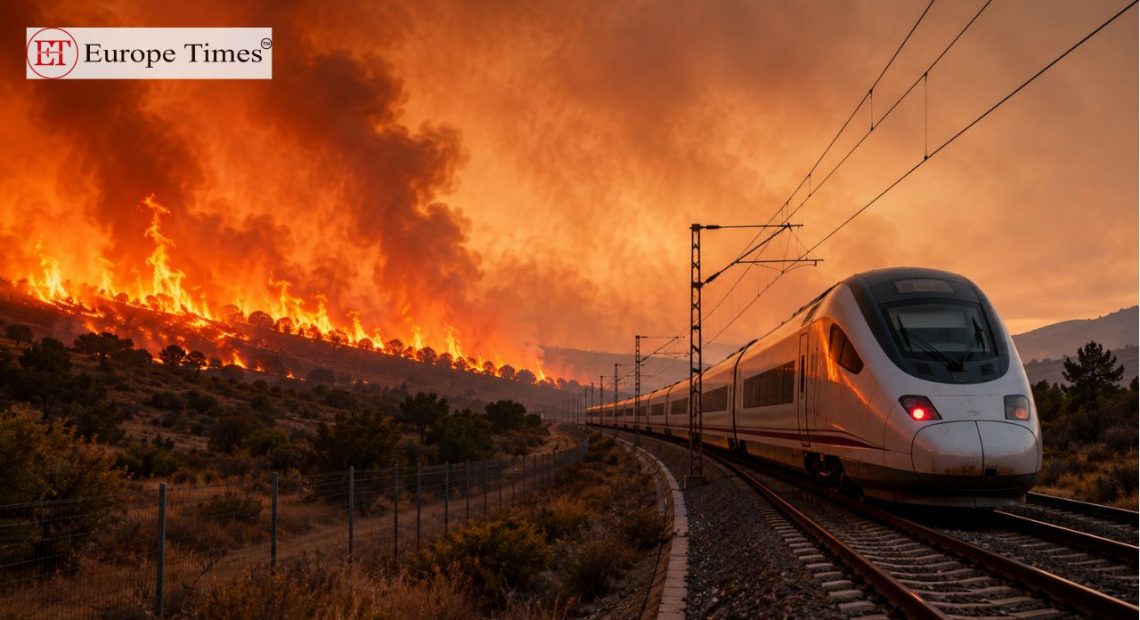
The situation remains dire as high temperatures and dry conditions persist, making firefighting efforts challenging. The island of Rhodes has declared a state of emergency, and other regions, including Corfu, Evia, Sicily, and Puglia, have also been severely affected.

Climate scientists warn that human-induced climate change played a significant role in the intensity of this month’s heatwave across Southern Europe, North America, and China. Italy faced contrasting extreme weather events, with deadly storms in the north and wildfires in the south.

Portugal, Croatia, and France also witnessed wildfires and took measures to combat them. The widespread impact of these fires has caused immense human and economic losses across the region.

Picture Courtesy: Google/images are subject to copyright

Natural Disaster News Trending

Italy is experiencing severe and unprecedented weather conditions. In Sicily, there are ongoing wildfires due to record-breaking temperatures, with Palermo being particularly affected. The fires have caused significant damage and are threatening towns and cities across the island. There have been evacuations of resorts and tourist areas, and Palermo Airport had to temporarily close due to the proximity of wildfires.

In the northern regions, violent storms and strong winds have uprooted trees, damaged buildings, and injured people. Some places experienced hailstones as large as tennis balls, which caused further damage to property and crops. Tragically, there have been casualties as a result of falling trees during the storms.

Local authorities have issued warnings and precautions to residents, advising them to avoid public parks and places with trees at risk of snapping off. The extreme weather has also affected the city of Milan, with the historical Sforza Castle closing to the public due to weather-related damage.

Italian officials, including the mayor of Milan, have acknowledged the impact of climate change on these extreme weather events and emphasized the need to take action. The situation is being closely monitored, and several regions have requested the government to declare a state of emergency.

The situation in Sicily has been exacerbated by an ongoing heatwave, with temperatures reaching more than 47.5°C (117°F) in Catania. Hospitals and emergency services are overwhelmed with patients seeking medical attention for smoke inhalation and heat-related illnesses. The fires are causing widespread environmental damage and have been described as an “unprecedented catastrophe.”

Prime Minister Giorgia Meloni has acknowledged the severity of the situation and the challenges faced in firefighting due to the combination of high temperatures and strong winds.

Overall, Italy is grappling with the devastating impact of extreme weather events, which have been linked to climate change, and calls for urgent action to address the issue are increasing.

Picture Courtesy: Google/images are subject to copyright

News Trending

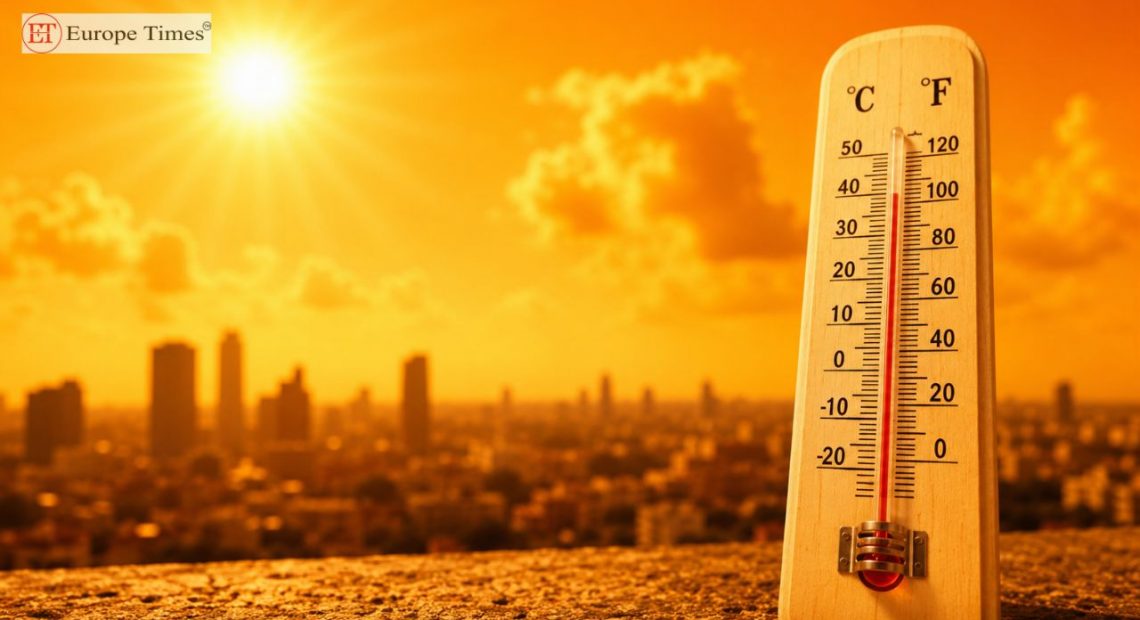
A heatwave in Europe has led to red alerts for extreme heat in most of Italy’s major cities. The high temperatures, expected to peak on Wednesday, have put 23 cities on high alert.

The heatwave is affecting millions of people in the northern hemisphere and is accompanied by wildfires in Greece and the Swiss Alps. The heatwave is caused by a high-pressure system bringing warmer air from the tropics, while a jet stream remains stuck over central Europe.

The extreme heat is forecasted to continue through Wednesday in southern Europe, with temperatures exceeding 40°C (104°F). Italy’s health ministry has activated “heat codes” in emergency rooms to handle the increase in heat-related illnesses.

There has been a 20% rise in patients admitted with symptoms such as dehydration, exhaustion, and heat stroke. Record-breaking temperatures of 41.8°C (107.2°F) were recorded in Rome. Red alerts are also in place in Spain, Greece, and parts of the Balkans. The heatwave is expected to continue into August, according to the World Meteorological Organization.

Other parts of the world, including the US and China, are also experiencing extreme heatwaves. Climate change is cited as a significant factor in the increasing frequency and intensity of heatwaves.

Picture Courtesy: Google/images are subject to copyright

Food News Trending

In a small room near the Alps in northern Italy, millions of crickets are being processed to become food despite initial resistance. The crickets are frozen, boiled, dried, and pulverized to create a light brown flour used in various food products such as pasta, bread, energy bars, and even sports drinks. Italy, known for its culinary traditions, has traditionally resisted the idea of eating insects, with the government even taking steps to ban their use in pizza and pasta production. However, several Italian producers have been experimenting with cricket-based pasta, pizza, and snacks.

The shift towards insect consumption in Italy is driven by sustainability concerns. Insect farming requires significantly less water and land compared to traditional livestock farming, making it a more environmentally friendly option. Insects are also rich in vitamins, fiber, minerals, and amino acids, making them a nutritious superfood. However, the main challenge to widespread adoption of insect-based food is the price, as it remains more expensive than traditional alternatives.

In addition to cost, social acceptance plays a role in the resistance to insect food in Italy. The country prides itself on its Mediterranean diet, and some view insect products as a threat to Italian culinary traditions. Concerns about the potential health effects of consuming insects and the fear of deviating from established eating habits contribute to the opposition.

Italy is not the only country divided on the issue of insect food. Poland and other European countries have seen debates and political disputes surrounding the topic. However, countries like Austria, Belgium, and the Netherlands have shown more openness to insect consumption.

As the global population continues to grow, finding sustainable food sources becomes crucial. Insect consumption is seen as a potential solution to meet the rising demand while minimizing the environmental impact. With the recent approval of insect consumption by the EU, the insect food sector is expected to grow, leading to potential price reductions and increased availability.

Producers like Ivan Albano, who runs the Italian Cricket Farm, see insect farming as an environmentally friendly and sustainable practice that could play a role in addressing global food challenges. Despite initial resistance, more people are showing curiosity and ordering cricket-based products, indicating a shifting mindset towards insect consumption. The hope is that as awareness and acceptance increase, insect food will become a viable option to feed the growing population while minimizing ecological impact.

Picture Courtesy: Google/images are subject to copyright

News Trending

Switzerland’s referendum results show support for a new climate bill aimed at reducing fossil fuel usage and achieving net-zero carbon emissions by 2050.

The government emphasizes the need to protect energy security and the environment as Swiss Alps glaciers rapidly melt. The legislation necessitates a transition from imported oil and gas to renewable energy sources. In the referendum held on Sunday, 59.1% of voters approved the green energy proposals. Critics argued that the measures would lead to increased energy prices. Almost all major Swiss parties, except the right-wing Swiss People’s Party (SVP), endorsed the bill.

The SVP triggered the referendum after opposing the government’s suggestions. Currently, Switzerland imports approximately three-quarters of its energy, relying entirely on foreign oil and natural gas. The climate bill commits to providing 2 billion Swiss francs ($2.2 billion; £1.7 billion) in financial support over a decade to encourage the adoption of climate-friendly alternatives to gas or oil heating systems, as well as 1.2 billion Swiss francs to promote green innovation in businesses.

This decision comes as Alpine glaciers face significant threats from rising temperatures caused by climate change, having lost a third of their ice volume between 2001 and 2022. Noted Swiss glaciologist Matthias Huss, who has closely monitored the glaciers’ retreat, expressed his satisfaction on Twitter, describing the referendum outcome as a “strong signal” that climate science arguments were heard. Socialist Party parliamentarian Valerie Piller Carrard hailed it as an “important step for future generations.”

Additionally, voters overwhelmingly supported the implementation of a global minimum tax rate of 15% for multinational corporations in a separate referendum, with 78.5% in favor. Switzerland joined over 140 countries in 2021 by signing an agreement within the Organisation for Economic Co-operation and Development (OECD) to establish a minimum tax rate for large companies.

Finance Minister Karin Keller-Sutter commended the “very strong acceptance rate” for the constitutional amendment enabling Switzerland’s participation in the agreement. The voter turnout for the referendums stood at approximately 42%.

Picture Courtesy: Google/images are subject to copyright

News Trending

The French government has implemented a ban on domestic short-haul flights in situations where there are train alternatives available, as part of its efforts to reduce carbon emissions. This law took effect two years after lawmakers initially voted to end routes where the same journey could be completed by train within two-and-a-half hours. As a result, air travel between cities like Paris, Nantes, Lyon, and Bordeaux will be largely prohibited, while connecting flights are not affected by the ban.

Critics of the measure have referred to it as merely a symbolic gesture. Laurent Donceel, the interim head of the industry group Airlines for Europe (A4E), expressed his belief that these bans would only have minimal effects on reducing CO2 emissions. He suggested that governments should instead focus on supporting more substantial and practical solutions to address the issue.

The global airline industry has already experienced significant setbacks due to the COVID-19 pandemic, with the number of flights in 2020 decreasing by almost 42% compared to 2019, as reported by Flightradar24.

Initially, France’s Citizens’ Convention on Climate, formed by President Emmanuel Macron in 2019 and consisting of 150 members of the public, proposed eliminating plane journeys where train alternatives of under four hours were available. However, this limit was reduced to two-and-a-half hours following objections from certain regions and the airline Air France-KLM.

French consumer group UFC-Que Choisir had previously urged lawmakers to maintain the four-hour limit, highlighting that planes emit 77 times more CO2 per passenger than trains on these routes, despite trains being cheaper and the time difference being only 40 minutes. The group also called for safeguards to prevent the French national railway company, SNCF, from raising prices artificially or diminishing the quality of rail services.

Picture Courtesy: google/images are subject to copyright

News Trending

Spain has experienced its hottest ever temperature for April, with a reading of 38.8C recorded at Cordoba airport. The heatwave, which has lasted for several days, has seen temperatures 10-15C above the expected levels for April, driven by a mass of hot air from Africa and a slow-moving weather system.

Spain’s meteorological office has expressed surprise at the scale of the heat, with temperatures exceeding previous records by as much as 5C in some locations. Climatologist Maximiliano Herrera has described the heat event as “absolutely extreme” and “unprecedented”.

In response to the ongoing heatwave, schools in Spain will be allowed to adjust their schedules to avoid the hottest parts of the day. The Madrid underground is also increasing train frequency to prevent passengers from waiting for long periods on platforms, while public swimming pools are set to open a month earlier than usual.

Experts warn that the poor are most at risk from extreme temperatures, as they are more likely to suffer health issues related to heat. The heatwave in Spain is part of a global trend, with climate change exacerbating naturally high temperatures.

Meteorologists attribute the exceptional temperatures to a combination of factors, including hot weather in North Africa, high pressure weather systems, and clear skies over the Iberian peninsula, where the ground is already too dry to evaporate the heat.

Picture Courtesy: Google/images are subject to copyright

News Trending

During the Cold War, Sweden stored 300,000 cubic metres of oil in caverns beneath the city of Västerås, in case of a war that could cut off their energy supplies. Recently, Swedish energy company Mälarenergi has decided to clean and repurpose the caverns as a large underground hot water tank that can hold up to 120 Olympic-sized swimming pools.

This project will create the largest underground thermos in Europe and will be filled with hot water reaching up to 95C. The location of the caverns remains undisclosed, but Lisa Granström, acting head of business unit heat and power, says that the caverns are warmer and damper than expected and still smell a bit oily. The new underground tank will be 11 times bigger than the largest above-ground hot water tank Mälarenergi currently has nearby.

Experts suggest that we should make more use of below-ground heat storage systems, like the one being developed by Mälarenergi in Västerås, as a means of caching warmth for later use. The heat from the underground hot water tank will be transmitted to a district heating network that provides heat to almost all households in the city.

The company plans to start filling the caverns with hot water by the end of the year, providing up to 500MW of district heating power. The heat comes from a nearby power plant that burns waste or biomass to generate electricity or thermal energy, but carbon capture technology is yet to be installed. The underground reservoir will help Mälarenergi maintain the heat supply to homes during peak demand in winter without reducing electricity production at the power plant.

Storing heat underground is effective due to the insulating properties of the ground, which makes it difficult for heat to escape. Mälarenergi’s caverns are expected to retain heat for several weeks, and the heat loss will be minimal once the adjacent ground temperature rises after a few years.

In London, the clay surrounding the tunnels on the Underground has been heated by people and trains, making it challenging to cool down tube carriages and platforms. The Västerås project is not the first of its kind, as a similar system in Finland supplies heat to 25,000 apartments all year round. Fleur Loveridge at the University of Leeds praises the cavern solutions as a great option among others for energy storage.

Picture Courtesy: Google/images are subject to copyright