featured News Trending

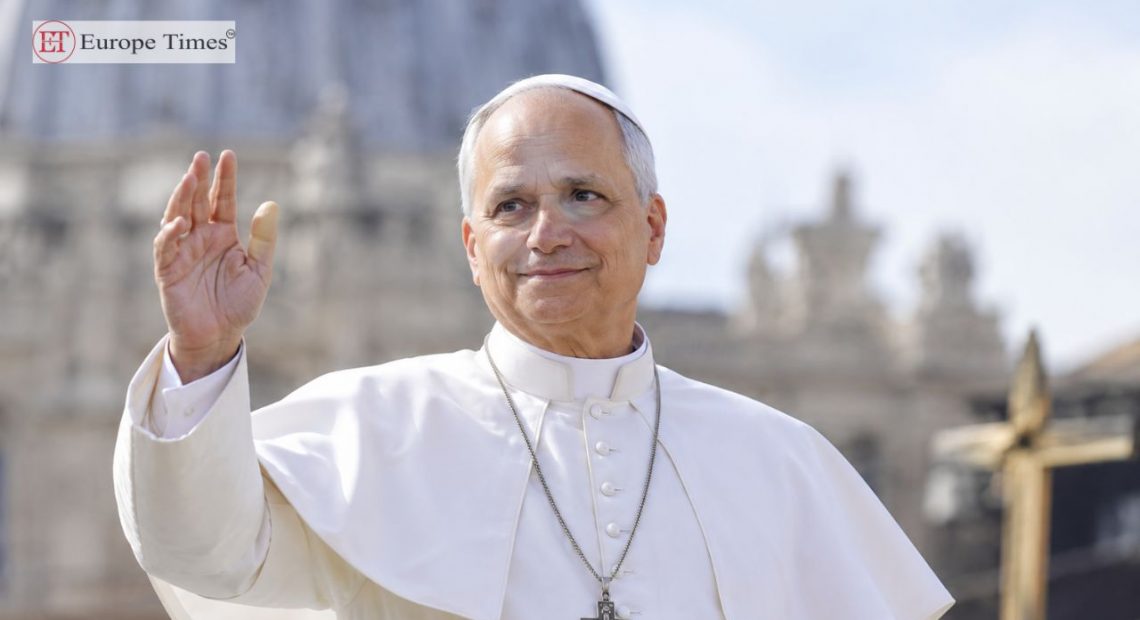
Pope Leo on Tuesday named Maria Montserrat Alvarado as the new head of the Vatican’s Dicastery for Communications, marking the first time a woman has been appointed to this senior Catholic Church role. Alvarado, originally from Mexico City, will oversee a sprawling media operation that manages the Vatican’s news portal, radio station, newspaper, and press office. She will officially assume her new duties in November, replacing Paolo Ruffini, who has served in the position since 2018 and is retiring.

Since 2023, Alvarado has served as the president and chief operating officer of EWTN News, a branch of the Eternal Word Television Network. Founded by a nun named Mother Angelica in 1981, EWTN has grown from its humble beginnings into a massive global media conglomerate. Today, the expansive network encompasses nearly a dozen television stations, a book publishing division, a newspaper, and a radio affiliate.

The U.S.-based network frequently appeals to conservative American Catholics and features a prominent political presence; President Donald Trump has appeared on the network multiple times, and one of its top hosts is a Fox News contributor. EWTN was also an occasional critic of the late Pope Francis, who previously vocalized complaints regarding the network “bad-mouthing” him.

Pic courtesy: google/ images are subject to copyright

featured News Trending

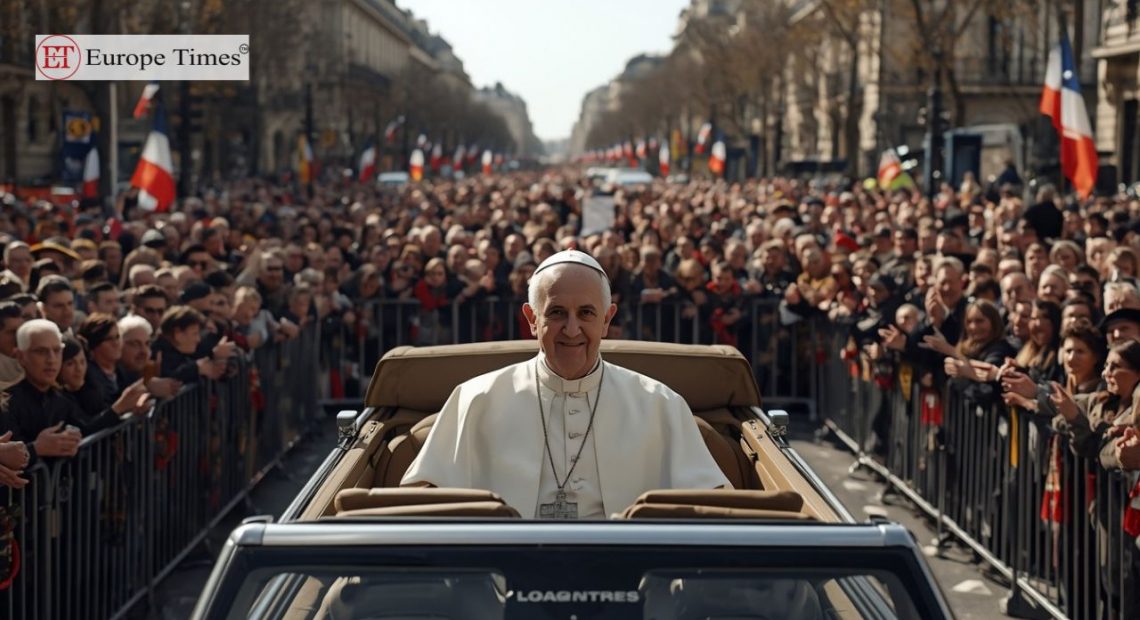
Pope Leo XIV will travel to France from September 25 to 28, with a key stop planned at the headquarters of UNESCO in Paris. The visit comes as UNESCO faces financial pressure following the decision by U.S. President Donald Trump to withdraw the United States from the agency, resulting in a significant budget shortfall.

The Vatican said the pope is also expected to visit the famous Notre-Dame Cathedral, which reopened in 2024 after restoration work following the devastating 2019 fire. Pope Leo may also meet French President Emmanuel Macron and could address the French parliament during the trip. The detailed itinerary will be announced later.

The France visit will be Pope Leo’s fourth international trip of the year and comes amid growing global attention on his leadership style and political comments, including criticism of the Iran conflict that reportedly angered Trump. The pope, formerly Cardinal Robert Prevost, is the first American-born pope and also has French ancestry through immigrant roots in the United States.

Pic courtesy: google/ images are subject to copyright

featured News Trending

Pope Leo XIV has stepped into a more assertive global role, using his Africa tour to deliver sharp criticism of war, inequality, and global leadership. Speaking in countries including Cameroon, the pontiff warned that the world is being harmed by powerful leaders and unchecked aggression, marking a clear shift from his previously cautious tone.

The pope’s remarks have drawn strong reactions, particularly from Donald Trump, who criticized Leo’s views on international conflicts. Analysts say the change in rhetoric reflects Leo’s growing concern about global instability, as he increasingly positions himself as a moral authority willing to directly challenge political power.

Observers note that Leo’s experiences as a missionary in Peru and his exposure to conflict and poverty have shaped his outspoken stance. Compared to his predecessor Pope Francis, Leo is seen as even more direct in confronting injustice, signaling a papacy that may play a more vocal and influential role in global affairs.

Pic courtesy: google/ images are subject to copyright

featured News Trending

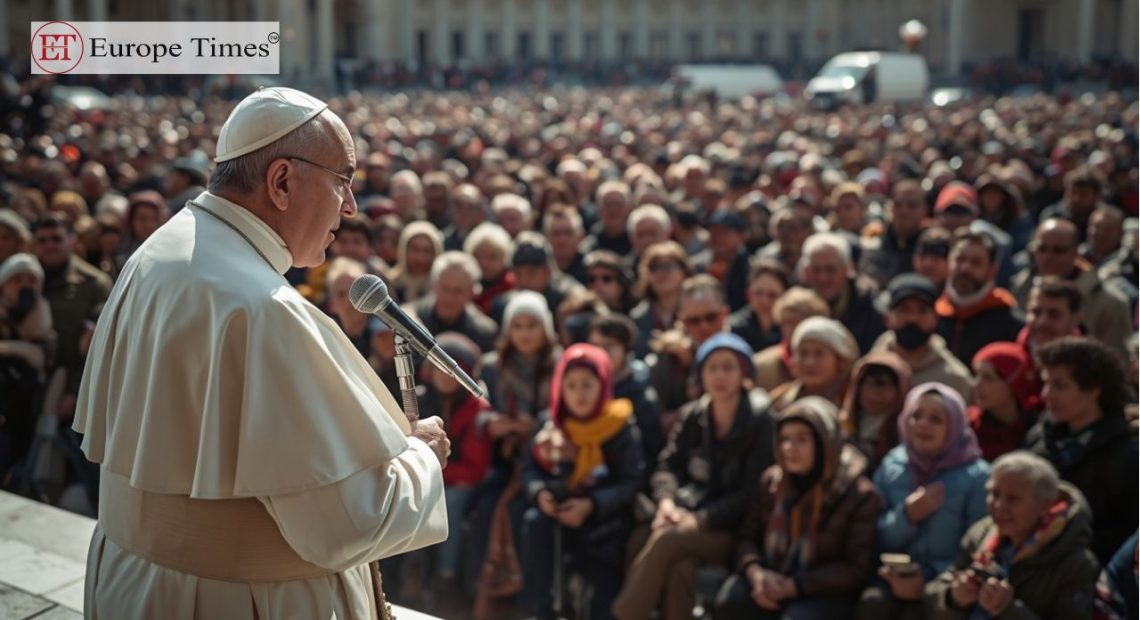
Pope Leo XIV called on global leaders to abandon conflict and embrace peace during his first Easter Mass at St. Peter’s Basilica. Addressing thousands gathered in St. Peter’s Square, the pontiff urged those with the power to wage wars to instead work toward ending violence, stressing the need for peace in a world increasingly affected by conflict.

Delivering his traditional “Urbi et Orbi” blessing, the first US-born pope highlighted growing global indifference to war and suffering. Without naming specific countries, he warned against becoming desensitised to violence and called for weapons to be laid down. He also paid tribute to his predecessor, Pope Francis, while reflecting on the message of nonviolence central to the Easter story.

The Mass, held amid vibrant floral decorations, marked one of Christianity’s most important celebrations — Easter. Pope Leo XIV concluded his address by extending greetings in multiple languages and announcing a prayer vigil for peace later in April. He has consistently spoken out against global conflicts in recent weeks, including making a direct appeal to Donald Trump to seek de-escalation in tensions involving Iran.

Pic courtesy: google/ images are subject to copyright

featured News Trending

Pope Leo XIV led a solemn Good Friday service at Rome’s Colosseum, where thousands of Catholics gathered for the traditional Via Crucis (Way of the Cross) procession. The candle-lit ceremony included prayers for war orphans, deported migrant children, and victims of global conflicts. During the service, spiritual meditations emphasized accountability for world leaders, warning that their use of power—especially in matters of war and peace—would ultimately be judged by God.

The pope, the first American to hold the position, carried a wooden cross through the historic amphitheatre, stopping at intervals for readings from the Bible, reflections inspired by St. Francis of Assisi, and messages focused on social justice. The meditations highlighted suffering across the world, including refugees, victims of human trafficking, political prisoners, and those killed in war zones, while also drawing attention to children affected by harsh immigration policies.

Although no specific leaders were named, the themes reflected ongoing global tensions and humanitarian concerns. Pope Leo has previously voiced criticism of strict immigration measures, particularly in relation to their alignment with Church teachings. The Good Friday observance marks a key moment in the Christian calendar leading up to Easter Sunday, when the pope is expected to deliver a major message addressing international issues.

Pic courtesy: google/ images are subject to copyright

featured News Trending

Portugal’s Catholic Church has announced it will pay a total of 1.6 million euros ($1.85 million) in compensation to 57 victims of sexual abuse by clergy, acknowledging decades of harm caused to children and vulnerable individuals. The decision follows findings by a Church-funded commission in 2023 that revealed at least 4,815 people were abused by members of the clergy in Portugal over the past 70 years.

The Portuguese Bishops’ Conference stated that financial compensation cannot undo the damage caused but serves as a step toward accountability and apology for the suffering endured by victims. The Church emphasized its commitment to addressing past abuses and supporting those affected.

A total of 95 people applied for compensation, with 67 deemed eligible and 57 claims already approved, ranging from 9,000 to 45,000 euros per person. Nine additional claims remain under review as authorities finalize compensation amounts and continue the process.

Pic courtesy: google/ images are subject to copyright

featured News Trending

Johan Bonny, the bishop of Antwerp in Belgium, has announced plans to petition the Vatican to allow the ordination of married men as priests by 2028. The move addresses the Church’s declining clergy numbers and could test Pope Leo XIV’s willingness to consider changes to centuries-old celibacy rules. Bonny, a progressive voice in the Church, said he would identify men to train as priests and make “every effort” to implement the change.

The Catholic Church has long maintained a celibate priesthood, and ordaining married priests without papal permission could result in excommunication. While Pope Leo XIV has praised celibacy, he has not spoken extensively on married clergy, and previous pontiffs, including Pope Francis, firmly rejected the idea. Bonny highlighted that the Church’s replacement rate of celibate priests is “just above zero,” creating a pressing need for reform.

The issue has historical precedent in Eastern-rite Catholic Churches, where married priests are allowed. Bonny noted that his diocese currently depends on foreign priests, often married, from Eastern Europe and the Middle East. Advocates say married priests could attract more men to the priesthood, while opponents maintain that celibacy ensures priests’ full dedication to Church duties.

Pic courtesy: google/ images are subject to copyright

featured News Trending

Pope Leo XIV on Friday suggested that Christian political leaders who engage in armed conflicts should examine their conscience and go to confession, emphasizing adherence to Jesus’ teachings without naming specific leaders or wars. Speaking to priests at a Vatican conference on the practice of confession, he highlighted the importance of humility and moral reflection for those bearing grave responsibilities in conflicts.

The pope’s remarks come amid his repeated calls for an end to the ongoing Iran war, which began with joint U.S.-Israeli airstrikes on February 28. While the Catholic Church generally opposes war, it evaluates conflicts through the just war tradition, assessing whether actions like repelling an unjust invasion are morally justifiable. Cardinal Robert McElroy recently criticized the U.S.-Israeli strikes as failing to meet these criteria.

Pope Leo stressed that the sacrament of confession not only allows individual Catholics to seek forgiveness but also fosters peace and unity in society. By encouraging self-examination and repentance, the pope linked spiritual reflection with broader ethical responsibility, urging leaders and faithful alike to align their actions with Christian teachings on non-violence.

Pic courtesy: google/ images are subject to copyright

featured News Trending

The bones of Francis of Assisi have gone on public display in Italy to commemorate 800 years since his death. The 13th-century saint’s skeleton is being exhibited at the lower church of the Basilica of Saint Francis of Assisi in the central Italian town of Assisi. Preserved in a nitrogen-filled plexiglass case placed before the altar, the display has drawn global attention, with around 400,000 visitors reserving a viewing slot.

This marks only the second time the saint’s remains have been shown publicly, the first being a limited one-day viewing in 1978. Born in Assisi in 1181 or 1182, Francis renounced his wealth to live a life of poverty and service, founding the Franciscan Order. He is revered as the patron saint of animals and the environment, and his feast day is observed annually on 4 October, the date of his death in 1226.

The exhibition also holds special resonance following the death of Pope Francis last year, who chose his papal name in honour of the saint and sought to emulate his humility and compassion. Organisers have confirmed that the relics will remain on display until 22 March, offering pilgrims and visitors a rare opportunity to pay homage to one of Christianity’s most venerated figures.

Pic courtesy: google/ images are subject to copyright

featured News Trending

Spain’s Roman Catholic Church has reached an agreement with the government to compensate victims of sexual abuse by clergy members. The new accord allows the government to manage compensation for cases where legal action is no longer possible due to the statute of limitations or the death of the accused, expanding access for victims. Justice Minister Félix Bolaños described the move as addressing a “historic, moral debt” to survivors.

Under the agreement, victims can submit their cases to a new agency within the justice ministry, which will coordinate with the ombudsman’s office to propose reparations. The Church must approve these proposals, which can be symbolic, psychological, or financial, with the institution responsible for execution. The arrangement ensures greater oversight and transparency compared to the Church’s previous internal reparation scheme, which faced criticism from victims and advocacy groups.

The move follows widespread complaints and research suggesting that hundreds of thousands of Spaniards have suffered abuse by Church figures, with cases documented as far back as the 1940s. Similar redress programs in European countries offer financial compensation ranging from €6,000 to €63,000 per victim, providing a reference for potential payouts under Spain’s new system.

Pic courtesy: google/ images are subject to copyright