featured News Trending

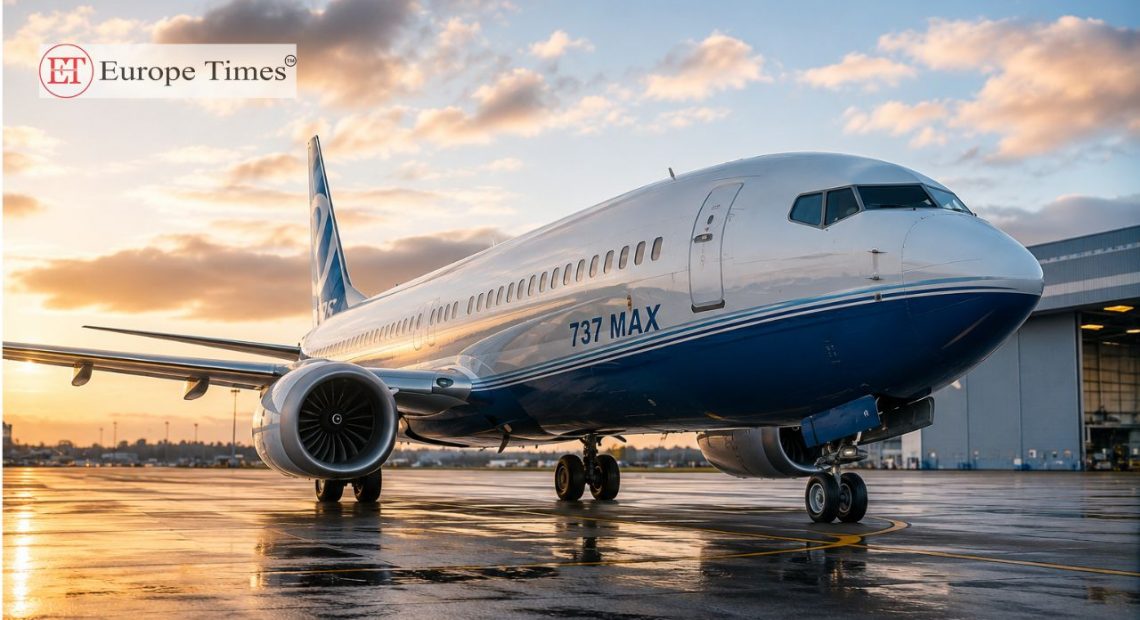
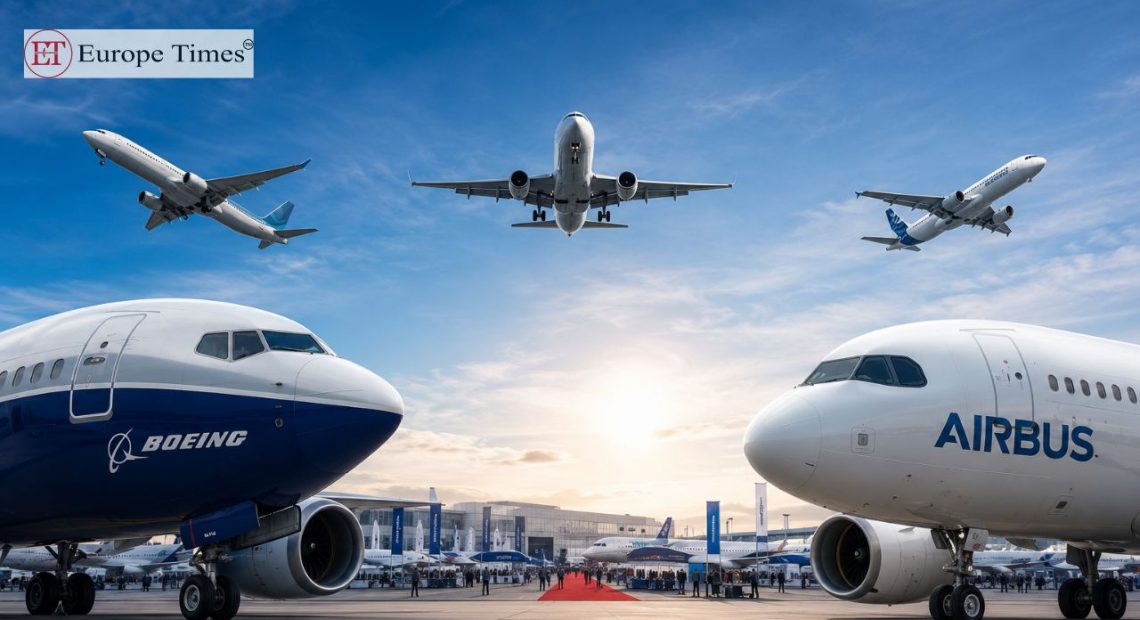
Aircraft manufacturers secured more than 300 commercial aircraft orders at the Farnborough International Airshow in the UK, with Boeing narrowly leading Airbus in total deals. According to a Reuters tally, around 327 firm orders were announced during the event, surpassing the previous Farnborough show in 2024. However, the total remained well below industry expectations of 800 orders due to ongoing supply chain challenges and production constraints.
Boeing’s biggest agreements included 100 Boeing 737 MAX aircraft ordered by SMBC Aviation Capital, additional 787 Dreamliners for Riyadh Air and Philippine Airlines, and new orders from Uganda Airlines, MSC Air Cargo, and Luxair. Airbus also secured major commitments, including 100 A320neo-family aircraft from SMBC Aviation Capital, more A350s for Riyadh Air, additional aircraft for Flynas, and new orders from BermudAir and Shohin Airlines.

Brazilian manufacturer Embraer also recorded strong demand, receiving orders from Fuji Dream Airlines, Abra Group, and Binter for its regional jets. Meanwhile, engine makers announced significant deals, with British Airways selecting Pratt & Whitney engines for its Airbus fleet, BOC Aviation ordering up to 300 CFM International engines, and IndiGo signing an MoU to purchase more than 1,000 LEAP-1A engines, marking one of the largest engine agreements in aviation history.

Pic courtesy: google/ images are subject to copyright

featured News Trending

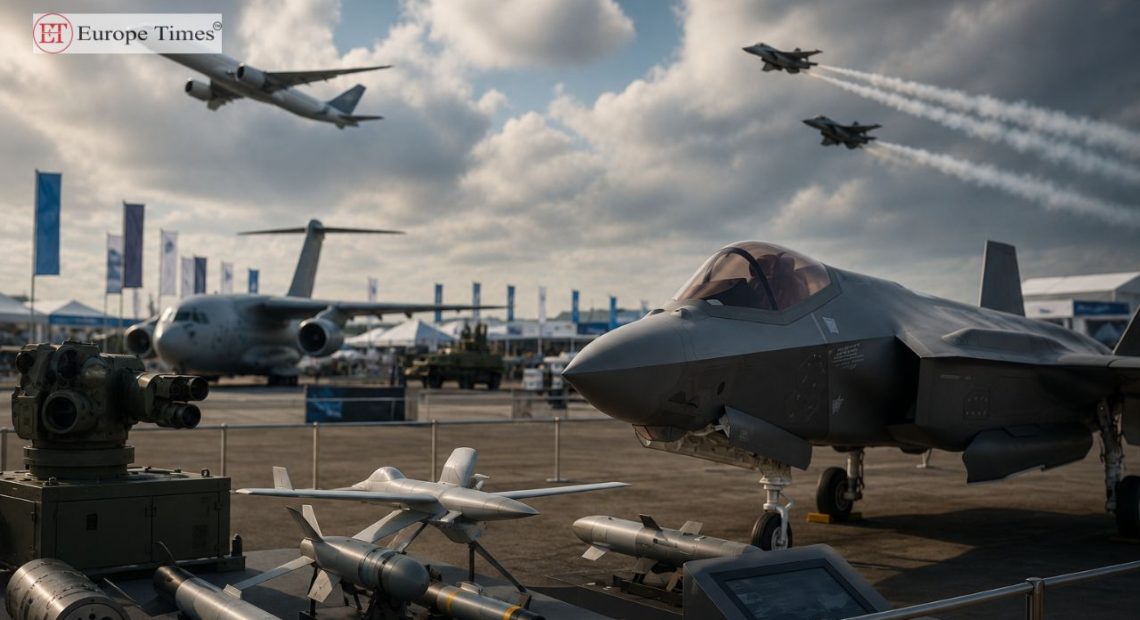
The 2026 Farnborough Airshow is expected to focus more on defence technology than commercial aviation as global security concerns continue to rise. Ongoing conflicts in Ukraine and the Middle East have increased demand for advanced weapons, drones, and AI-powered military systems, making defence companies a major presence at this year’s event. Organisers say defence exhibitors now account for nearly half of the record 1,600 participants.

Industry leaders believe emerging defence startups are reshaping the sector with faster innovation in autonomous and AI-driven technologies. While traditional military platforms such as the F-35 and Eurofighter remain important, experts say future investments are increasingly shifting toward unmanned systems and advanced defence technologies.

On the commercial aviation side, Airbus and Boeing are still expected to announce aircraft orders, but supply chain challenges and production constraints are likely to limit major deals. Manufacturers remain focused on increasing aircraft deliveries and overcoming ongoing shortages of critical components and jet engines to meet growing global demand.

Pic courtesy: google/ images are subject to copyright

featured News Trending

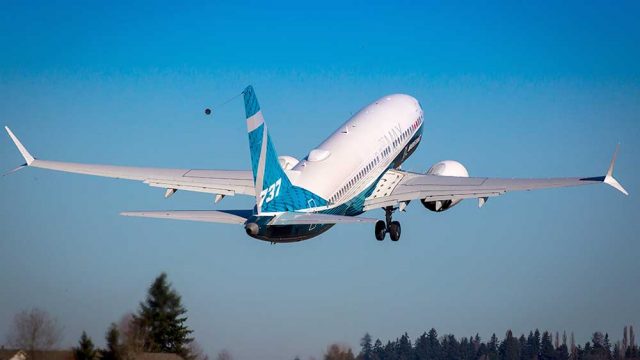
Boeing is in the final stages of securing regulatory approval for a redesigned engine anti-ice system on its 737 MAX aircraft, a key step toward certifying the delayed MAX 7 and MAX 10 variants. The updated system addresses a potential overheating issue that could lead to engine failure and has been the primary obstacle preventing the two models from entering commercial service.

The company said the 737 MAX 10 has completed 98% of its certification flight testing, with only two test flights remaining. Boeing has already built around 30 MAX 7 aircraft and nine MAX 10 jets awaiting delivery. Once approved, airlines operating existing 737 MAX aircraft will also need to retrofit the improved anti-ice system during scheduled maintenance to minimize operational disruption.

The certification process has faced years of delays following increased regulatory scrutiny after the fatal 737 MAX crashes in 2018 and 2019, as well as quality concerns raised in recent years. Boeing also confirmed that its new safety enhancements, including an updated flight crew alerting system, will be installed across the entire 737 MAX fleet within two years of regulatory certification.

Pic courtesy: google/ images are subject to copyright

featured News Trending

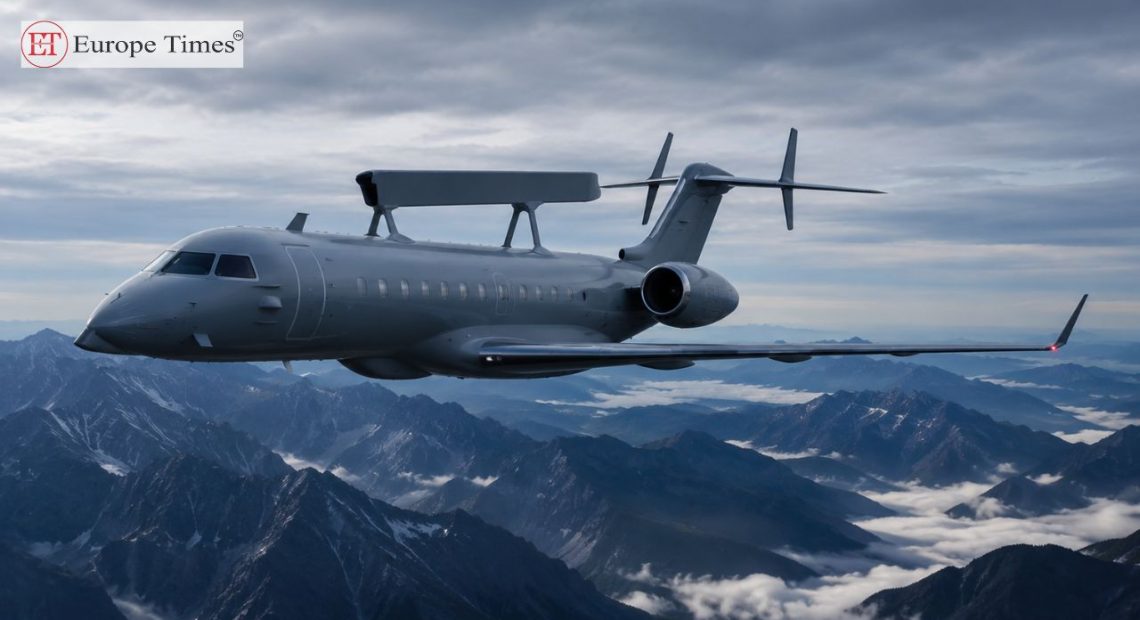
NATO has announced plans to acquire up to 10 Saab GlobalEye airborne early-warning and surveillance aircraft in a deal valued at approximately $4.5 billion, choosing the Swedish system over Boeing’s competing E-7 Wedgetail. The new fleet will replace the alliance’s ageing AWACS aircraft and strengthen NATO’s surveillance and early-warning capabilities against modern threats, including drone swarms and evolving battlefield challenges.

NATO Secretary-General Mark Rutte said the GlobalEye platform, built on Bombardier Global 6500 business jets, represents a multinational programme involving European, Canadian, and U.S. industries. Saab said deliveries could begin as early as 2030 if negotiations are completed soon, with each aircraft expected to cost between $400 million and $450 million. The alliance is now entering formal contract negotiations with the Swedish defence company.

The decision comes as NATO members continue increasing defence spending amid heightened security concerns in Europe. While the initial GlobalEye aircraft will not include air-to-air refuelling capability, officials expect that feature to be added in future upgrades. The announcement boosted Saab’s shares, while reinforcing NATO’s long-term strategy to modernize its airborne surveillance fleet.

Pic courtesy: google/ images are subject to copyright

featured News Trending

Global aircraft leasing companies say they remain resilient despite rising geopolitical tensions and market volatility, citing supply shortages and decades of crisis experience as stabilising factors. Speaking at an industry gathering in Dublin, leasing executives said the sector’s ability to move aircraft across borders and preserve tariff-free trade has helped shield it from recent global shocks.

A large backlog of jet orders at Boeing and Airbus has handed lessors significant control over new aircraft deliveries well into the next decade, supporting lease rates, resale values and profits. Executives said manufacturing issues and limited supply have placed “guardrails” around the industry cycle, keeping demand firm even as global markets remain unsettled.

While risks have increased following past crises including COVID-19 and Russia’s seizure of leased aircraft, industry leaders said long investment horizons help absorb shocks. At the same time, consolidation is accelerating, with a widening gap between lessors with large order books and smaller rivals. Executives said barriers to entry are rising, and attention is now focused on the potential sale of Macquarie AirFinance, which could reshape the competitive landscape.

Pic courtesy: google/ images are subject to copyright

News Technology

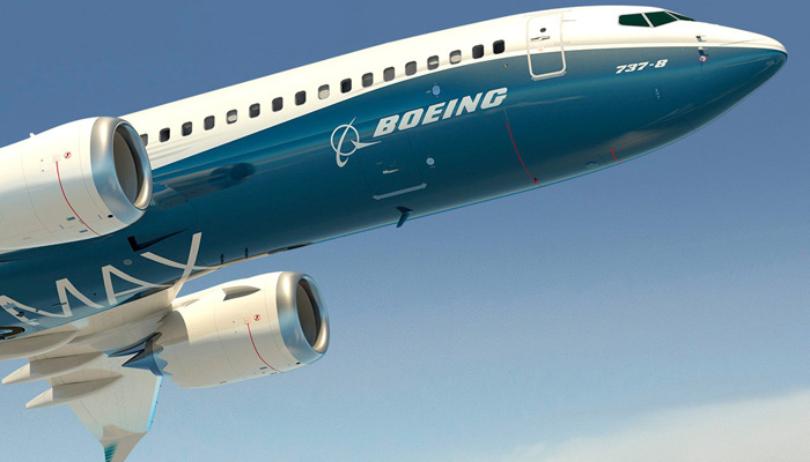
Boeing Co has planned to submit a proposed software enhancement package for the 737 MAX in “the coming weeks”. It was first announced by the company that the software update shall be submitted by last week.

On Monday, Boeing Co had confirmed a statement from the Federal Aviation Administration which said that the software update will be submitted later than the previously announced time.

Boeing said, “We are working to demonstrate that we have identified and appropriately addressed all certification requirements and will be submitting for FAA review once completed in the coming weeks. We will take a thorough and methodical approach to the development and testing of the update to ensure we take the time to get it right”.

After two continuous plane crash incidents (Indonesia in October and Ethiopia last month), more than 300 Boeing 737 MAX jets were grounded in most countries. The plane crash killed nearly 350 people.

Image courtesy: investors.com / images are subject to copyright

News

The Boeing Co will mandate a previously optional cockpit warning light on MAX jets. The safety feature is expected to be offered as software update to the MAX fleet. Officials said that this was grounded in the wake of the Ethiopian Airlines crash

157 passengers were killed in the Ethiopian Airlines crash incident. The Nairobi-bound Boeing 737 MAX 8 operated by Ethiopian Airlines crashed minutes after takeoff from Addis Adaba. The same model flown by Lion Air crashed off the coast of Indonesia in October, killing all 189 people on board.

Boeing did not gave any official comments on making the safety feature standard. They said separately that they are moving quickly to make software changes and expects the upgrade to be approved by the U.S. Federal Aviation Administration (FAA) in the coming weeks.

In a statement, the union said, ” We still would like to have more detail on the development, control parameters and testing done on the algorithm that will trigger an MCAS event”.

Image courtesy: kcrg.com / images are subject to copyright