featured News Trending

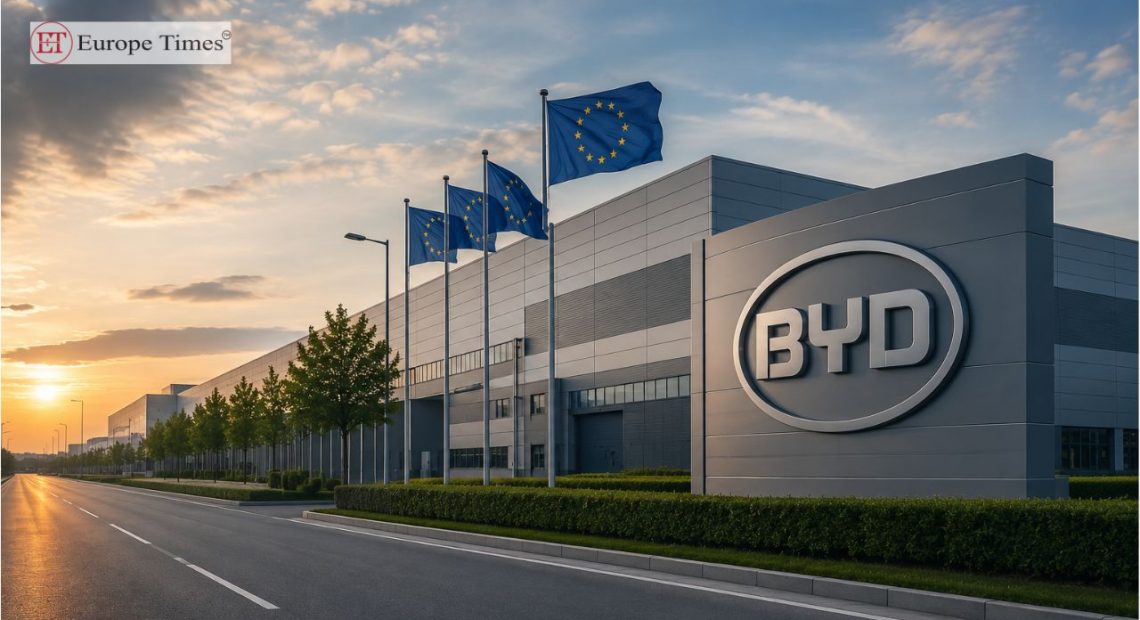
Chinese electric vehicle giant BYD is close to finalising plans for a second manufacturing facility in Europe as it accelerates its regional expansion. Speaking at the Reuters Automotive Europe conference in Frankfurt, BYD’s special adviser for Europe, Alfredo Altavilla, said a decision is expected soon, with Spain and France emerging as the leading candidates. The company is reportedly exploring the acquisition of an existing automobile factory rather than building a new facility from scratch.

The proposed investment would become BYD’s second European production site after its Hungary plant, where manufacturing is scheduled to begin later this year. The move comes as the European Union promotes greater local manufacturing through “Made in Europe” initiatives, while traditional automakers continue to grapple with overcapacity, rising costs, and increased competition from Chinese electric vehicle manufacturers.

BYD’s expansion follows strong sales growth in Europe, where deliveries surged 270% last year and more than doubled during the first five months of 2026. Altavilla argued that European automakers should focus on improving competitiveness instead of trying to resist Chinese rivals, describing the industry’s restructuring efforts as a necessary wake-up call. He also dismissed suggestions that Chinese manufacturers would be willing to share their latest technology through minority joint ventures.

Pic courtesy: google/ images are subject to copyright

featured News Trending

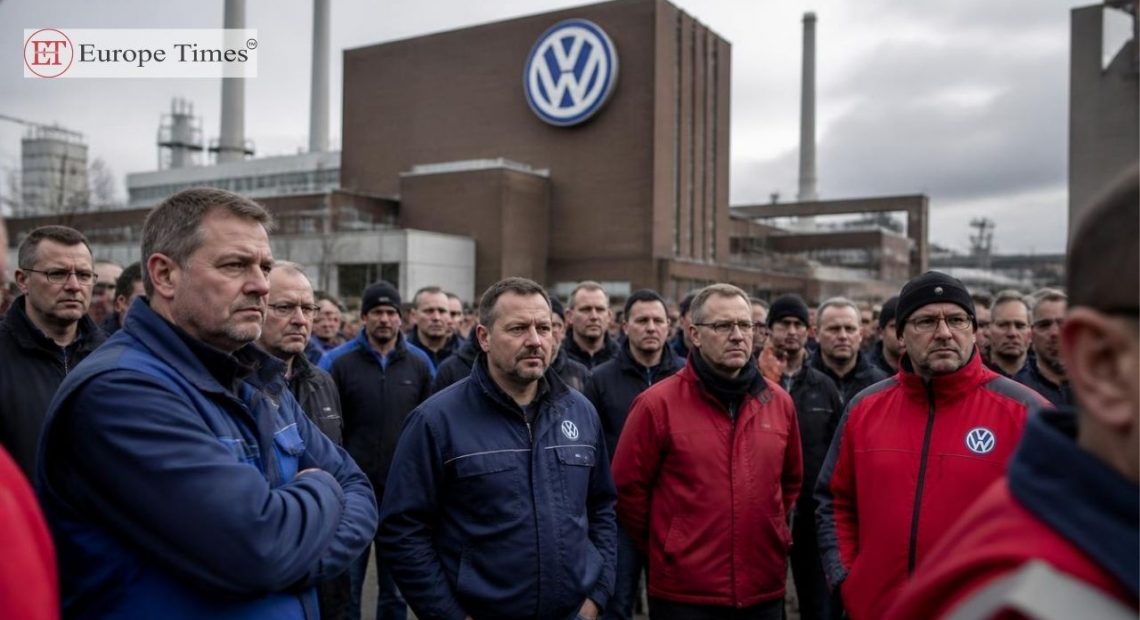
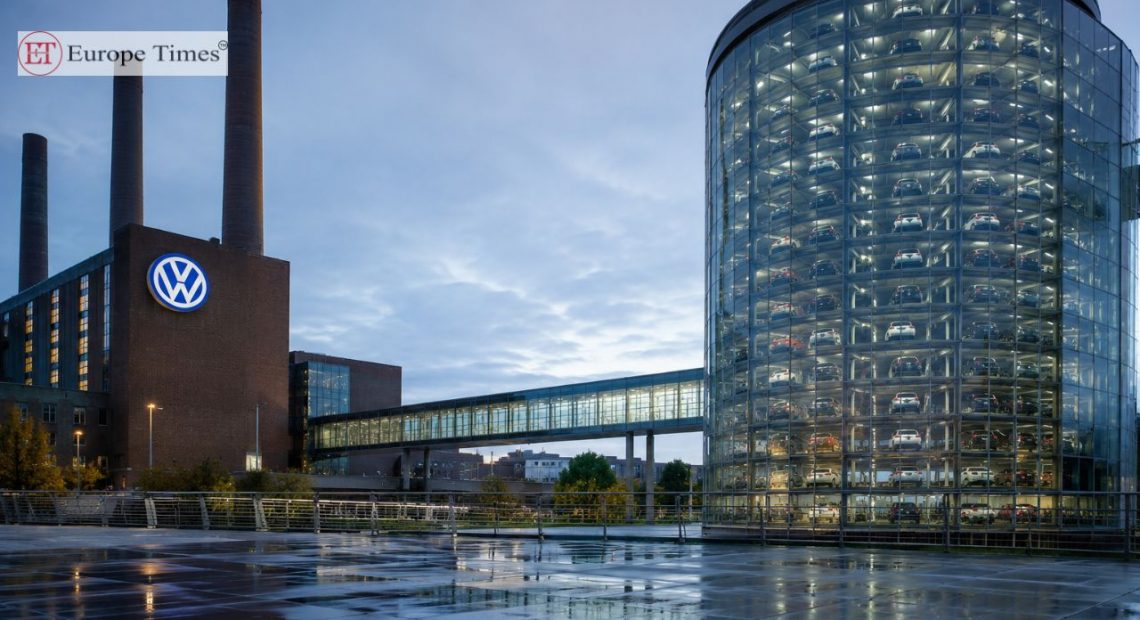
Volkswagen’s complex ownership and governance structure has come under renewed scrutiny as the German automaker prepares a major restructuring that could include plant closures and nearly 100,000 job cuts. Labour unions have vowed strong resistance, while the company’s unique legal framework gives workers and the German state of Lower Saxony significant influence over key decisions.

The influence stems from the Volkswagen Law, introduced in 1960, which was designed to protect the company from outside control. The law grants Lower Saxony, which holds a 20% voting stake, the power to block major shareholder decisions, while worker representatives on Volkswagen’s 20-member supervisory board can effectively veto significant factory-related changes, making large-scale restructuring more difficult.

Volkswagen’s ownership structure further complicates governance. Porsche SE, the investment vehicle of the Porsche and Piech families, controls a majority of voting rights despite owning less than a third of the company’s total equity. Investors have long criticised this arrangement, arguing it limits corporate governance reforms and contributes to uncertainty as Volkswagen faces falling share prices, leadership challenges and growing pressure to adapt to a changing automotive market.

Pic courtesy: google/ images are subject to copyright

featured News Trending

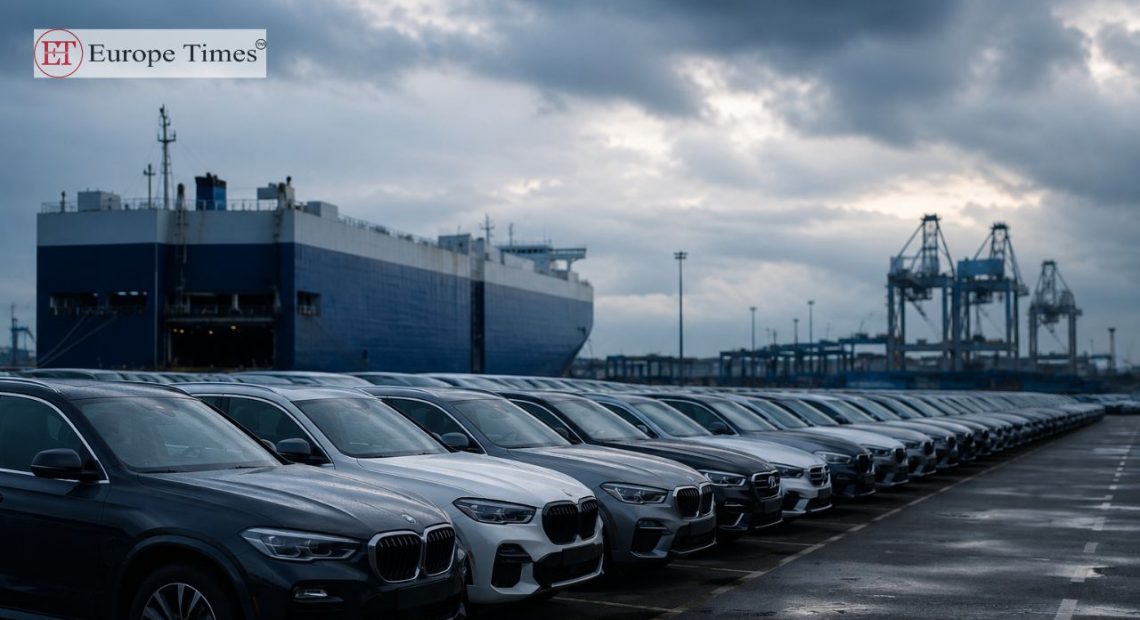
Shares in premium automaker BMW tumbled 8% in early Frankfurt trade following a severe profit warning issued late Tuesday. The company attributed the drastic guidance downgrade to a deepening economic downturn in China and the global fallout from the war in Iran, which has driven up energy costs and severely dented international consumer confidence. Analysts at Deutsche Bank and Jefferies noted that the sudden revision caught the market off guard, representing a far more substantial decline than anticipated.

In response to these compounding headwinds, BMW slashed its 2026 core automotive operating margin forecast to just 1–3%, down significantly from its previous estimate of 4–6%. The Munich-based manufacturer also revised its group pre-tax profits from a projected moderate decline to a “significant decrease,” while warning that vehicle deliveries will likely slide rather than remain steady. To buffer against these losses, BMW announced it will sharply accelerate structural and efficiency cost-cutting initiatives, which will trigger a major one-time negative impact on its earnings in the second half of 2026.

Industry experts suggest that this massive guidance cut signals a broader strategic overhaul for the German luxury automaker. Financial analysts at Jefferies remarked that the impending restructuring will heavily impact BMW’s domestic German operations. They pointed out that the crisis may force the company to reevaluate its global assembly footprint and legacy business model, which remains heavily reliant on exporting internal combustion engine (ICE) powertrain components out of Germany.

Pic courtesy: google/ images are subject to copyright

featured News Trending

German automakers are losing momentum as global rivals gain ground, according to a new EY analysis. While major automotive groups worldwide posted a 2% increase in first-quarter revenue, German manufacturers recorded a 4% decline, reflecting growing challenges in key international markets.

Industry experts point to a combination of factors behind the downturn, including trade tariffs, geopolitical tensions, weakening demand in the United States and China, and the rapid pace of technological change. German carmakers are also grappling with high software development costs, excess production capacity, and a slower-than-expected transition to electric vehicles.

The outlook remains challenging as rising fuel prices and inflation, fueled in part by geopolitical uncertainty, threaten consumer demand across Europe. EY warned that the sector’s structural transformation is far from over, with 2026 likely to remain a difficult year for Germany’s automotive industry.

Pic courtesy: google/ images are subject to copyright

featured News Trending

Ferrari stepped into a new automotive era on Monday with the unveiling of its first fully-electric car, the “Luce,” in Rome, betting it can captivate drivers without its signature combustion engine roar. The four-door model boasts a top speed of 310 kph (193 mph) and carries a hefty price tag of more than €500,000 ($586,000). Developed in collaboration with former Apple designer Jony Ive’s studio, LoveFrom, the Luce is described as a large, distinctive vehicle designed to define luxury electrification before its global and Chinese competitors can dominate the space.

The launch comes at a time when many of Ferrari’s sports car rivals are scaling back or scrapping their electric transition plans due to weak market demand. While Lamborghini abandoned its 2030 EV rollout and Ferrari itself delayed a second electric model until at least 2028, the company is positioning the Luce as a bold strategic statement rather than a mass volume seller. To maintain its iconic visceral appeal, Ferrari has integrated a specialized sound system into the Luce that amplifies powertrain vibrations to create an authentic, distinct electric Ferrari sound rather than a simulated petrol engine noise.

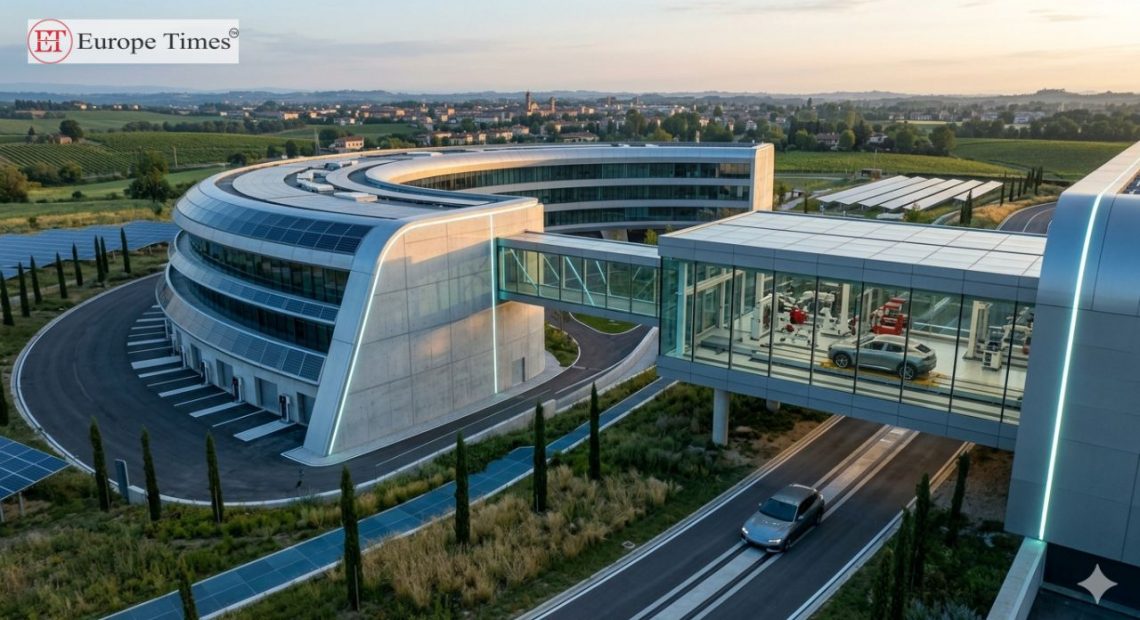
Under CEO Benedetto Vigna, Ferrari has heavily invested in electrification infrastructure, including a new “e-building” at its Maranello headquarters, with client deliveries for the Luce scheduled to begin in October. Facing heavy batteries and changing consumer habits, the automaker has scaled back its 2030 product lineup goal for fully electric cars from 40% down to 20%, choosing to continue producing hybrid and traditional internal combustion models alongside EVs. Ultimately, Ferrari hopes the Luce will appeal to a younger generation of wealthy buyers and tech-forward collectors, especially as high fuel prices driven by regional conflicts alter market dynamics.

Pic courtesy: google/ images are subject to copyright

featured News Trending

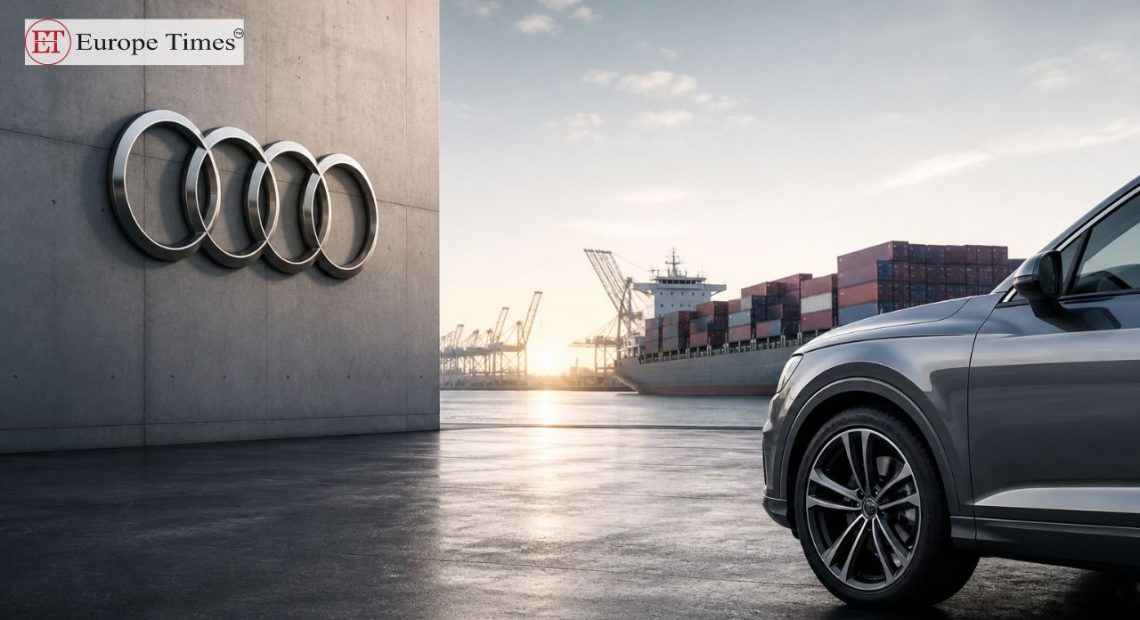
Audi has warned that a potential U.S. tariff increase on European car imports could have a “significant” impact on its business as it prepares to launch its largest SUV in the American market this summer. The proposed 25% tariff, threatened by U.S. President Donald Trump, would particularly affect models like the Audi Q9, which is produced in Slovakia and exported to the U.S. The company currently relies heavily on imports from Europe and Mexico, as it has no production facility in the United States.

Audi’s finance chief said the company is still assessing the situation but acknowledged that the tariffs would place a heavy burden on operations. He added that Audi, along with parent company Volkswagen, is exploring options to establish manufacturing in the U.S., though such a move would likely require government support such as subsidies or tariff relief to be viable.

The automaker reiterated its 2026 profit outlook, which does not factor in any additional tariff increases beyond the current 15% duty already in place, costing the Volkswagen Group around €4 billion annually. Meanwhile, the company continues its cost-cutting efforts, including plans to reduce around 7,500 jobs by 2029, as it faces mounting pressure from tariffs and strong competition from Chinese automakers.

Pic courtesy: google/ images are subject to copyright

featured News Trending

Sales of fully electric cars in the European Union surpassed petrol vehicle sales for the first time in December, according to data from industry body ACEA. Battery-electric vehicle registrations also exceeded petrol sales across the wider European market, including Britain and Norway, as overall car sales posted a sixth consecutive month of year-on-year growth. Electrified vehicles—including battery-electric, plug-in hybrid and hybrid models—accounted for 67% of all EU registrations during the month.

The shift comes amid intensifying competition from Chinese automakers such as BYD, Geely and Changan, which are rapidly expanding their presence in Europe, challenging domestic manufacturers like Volkswagen and BMW. At the same time, EU policymakers have proposed easing emissions rules, including plans announced in December to drop an effective 2035 ban on combustion-engine cars, responding to pressure from carmakers facing profitability challenges and global trade headwinds.

Despite regulatory uncertainty, analysts and industry leaders expect electric vehicles to continue gaining market share. European brands are rolling out more affordable EV models, supported by fresh national incentive schemes. While analysts note that some decline in petrol sales reflects reclassification into mild hybrids, experts say the milestone signals a turning point, even if it may still take several years for pure electric cars to fully overtake combustion-engine models across Europe.

Pic courtesy: google/ images are subject to copyright

featured News Trending

Volkswagen shares climbed to the top of Germany’s DAX index on Thursday after the carmaker reported stronger-than-expected automotive cash flow for 2025. Europe’s largest automaker said its automotive division generated net cash flow of about 6 billion euros, well above its own forecast of around zero, boosting investor confidence and driving the stock up 4.6% in morning trading.

The result marked a 1 billion-euro improvement from the previous year and exceeded market expectations, with analysts noting that while management had hinted at possible upside, the scale of the beat was a surprise. Broader sentiment toward the sector was also supported by easing trade concerns after U.S. President Donald Trump stepped back from threats of tariffs against European allies, reducing near-term risks for exporters.

Despite the upbeat performance, Volkswagen cautioned that challenges remain. The company expects pricing conditions to stay tight and profits from its China joint venture to decline in 2026 before recovering in 2027. Shares across the European auto sector rose in sympathy, while Volkswagen is set to publish its full-year 2025 results and 2026 outlook on March 10.

Pic courtesy: google/ images are subject to copyright

featured News

Wingtech Technology, the Chinese parent company of Dutch chipmaker Nexperia, has invited the court-appointed custodians of Nexperia to discuss control of the company—seen as a potential first step toward easing months of internal tensions. The rift between Nexperia’s European management and its Chinese parent deepened after the Dutch government intervened in September, leading to a court ruling that removed Wingtech founder Zhang Xuezheng as CEO over concerns he intended to shift production to China.

Although both sides have signaled interest in dialogue, they disagree on the agenda. Nexperia says it wants talks focused on restoring normal supply chain operations, which have been hit by wafer shipment stoppages, unpaid invoices and growing chip shortages that have affected global automakers. Wingtech, however, insists discussions must first address the restoration of its ownership rights and lawful control over the company.

Court-appointed custodian Arnold Croiset van Uchelen confirmed receiving Wingtech’s invitation but declined to share details of any upcoming meeting. Meanwhile, Nexperia’s Chinese packaging arm has declared itself independent and is seeking Chinese-made wafers, while the European unit has halted shipments to China. With dwindling chip inventories, the auto industry fears fresh shortages may emerge as early as January.

Pic courtesy: google/ images are subject to copyright

featured News

Semiconductor maker Nexperia has restarted some chip deliveries after weeks of disruption caused by a dispute between the Netherlands and China over technology transfers. German officials welcomed the signs of “de-escalation,” expressing hope that temporary permits would soon restore supply to Europe’s major automotive industry.

Germany’s Aumovio has secured exemptions from Chinese export controls, becoming the first supplier to confirm resumed access to Nexperia chips. Honda also reported progress, saying shipments in China had begun and production at affected plants in North America could restart as early as next week, though uncertainty remains.

Nexperia, which is Chinese-owned but headquartered in the Netherlands, produces essential components for car electronics. Suppliers had warned they might furlough workers if shortages continued. While Nexperia expects product flows to normalize soon, European automakers like Volkswagen remain cautious, warning that chip constraints could still threaten output into 2025.

Pic Courtesy: google/ images are subject to copyright