featured News Trending

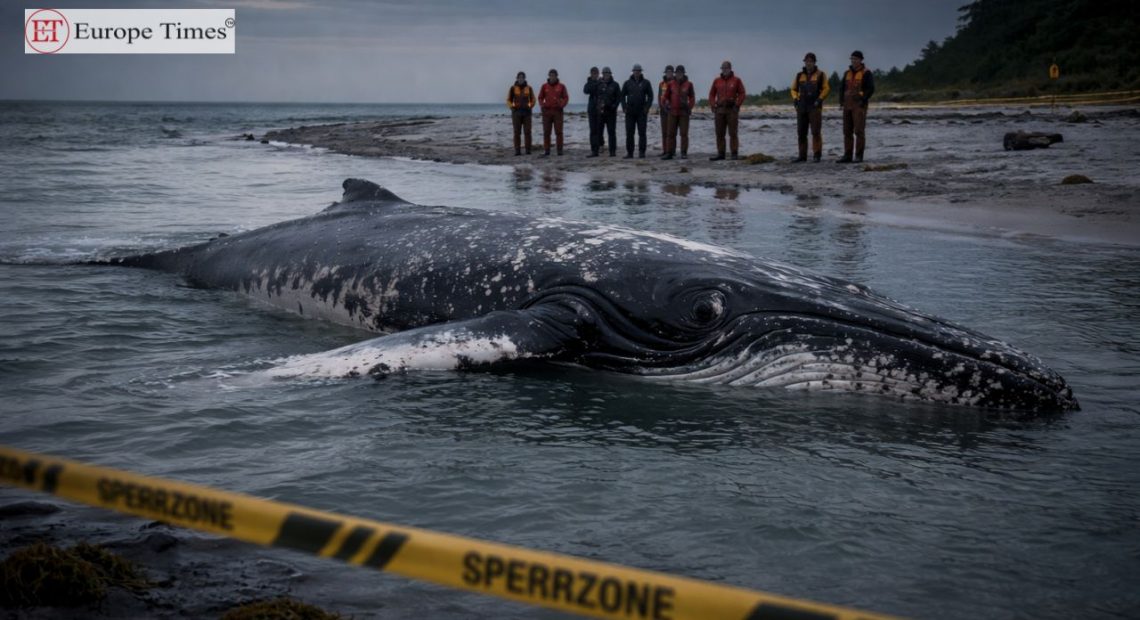
Rescue teams in Germany have ended efforts to save a stranded humpback whale after more than a week of attempts along the Baltic Sea coast. The whale, first trapped on a sandbank in March, was briefly freed but later swam into increasingly shallow waters near Poel Island, where it became stuck again.

Experts say the animal is now too weak to survive, with its condition worsening despite repeated interventions. Officials noted that attempts to guide it back to deeper, saltier waters had failed, and further rescue efforts would likely cause unnecessary suffering.

Authorities have now established an exclusion zone around the whale, allowing it to die undisturbed. Officials described the situation as a tragic and rare incident, highlighting the challenges of rescuing large marine animals in difficult coastal conditions.

Pic courtesy: google/ images are subject to copyright

featured News Trending

A humpback whale stranded on a sandbank near Lübeck on Germany’s Baltic coast has successfully freed itself after days of rescue efforts. The 12–15m-long whale was first spotted near Timmendorfer Strand earlier this week, prompting a large-scale operation by marine biologists, coast guards, and rescue teams to guide it back to deeper water.

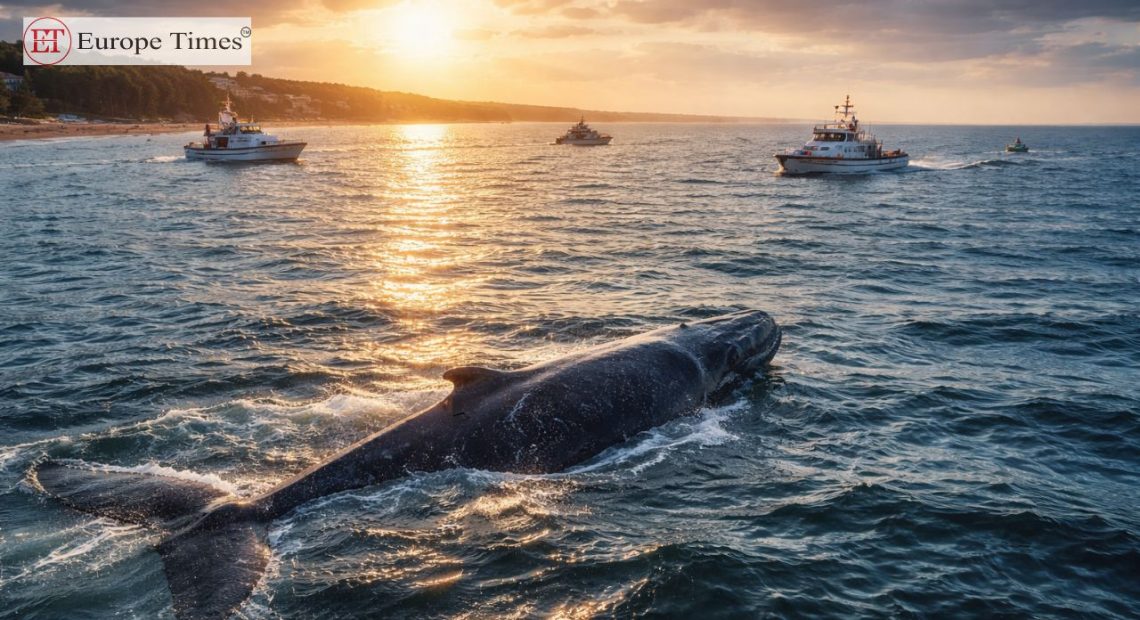
Rescuers used diggers to create a channel and worked under floodlights to help the whale move toward open sea. By Friday morning, the whale had swum about 300 meters offshore into deeper waters, raising hopes that it will continue toward safer waters. Marine biologist Robert Marc Lehmann said the whale regained strength overnight and managed to free itself from the sandbank.

Experts remain cautious as the whale still has netting lodged in its mouth and could not be fitted with a tracking device due to its weak condition. Authorities are escorting the whale with boats and hope it will swim north toward Denmark and eventually reach the North Sea and Atlantic, its natural habitat.

Pic courtesy: google/ images are subject to copyright