featured News Trending

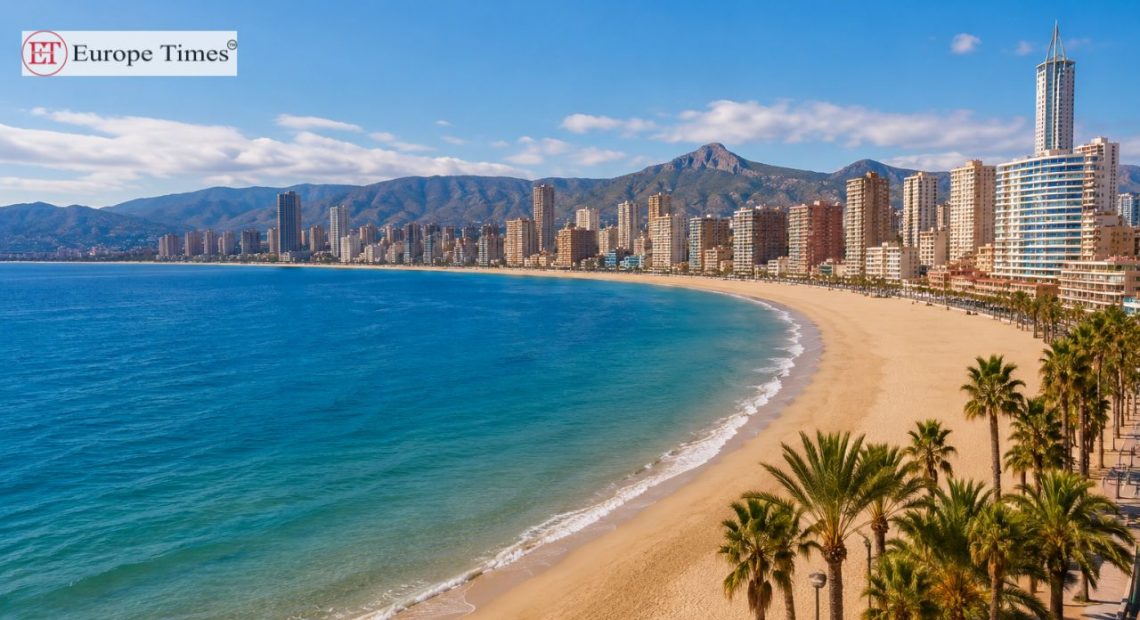
Tourism in Spain has surged to record levels, with foreign arrivals reaching about 97 million in 2025 and expectations of hitting 100 million in 2026. Popular destinations like Benidorm have fully rebounded after the pandemic, with visitor numbers far exceeding local populations during peak seasons. Industry leaders say part of the recent boost comes from global instability, as some travelers avoid Middle Eastern and eastern Mediterranean destinations in favor of Spain.

Experts note that geopolitical tensions and conflicts in the Middle East have redirected tourist flows, making Spain a perceived safer alternative to places like Turkey, Egypt, and Dubai. While Spain benefits from this shift, destinations such as Dubai have reportedly seen sharp declines in passenger and booking numbers. Tourism already contributes around 13% of Spain’s GDP, making the sector crucial to its economic growth.

However, the boom has intensified domestic tensions over over-tourism. Cities like Barcelona are facing protests from residents concerned about rising rents, housing shortages, congestion, and environmental pressure, often linked to short-term rentals. Authorities have begun tightening regulations on Airbnb-style accommodation and increasing tourist taxes, but industry leaders warn that balancing growth with livability remains a major challenge.

Pic courtesy: google/ images are subject to copyright

featured News Trending

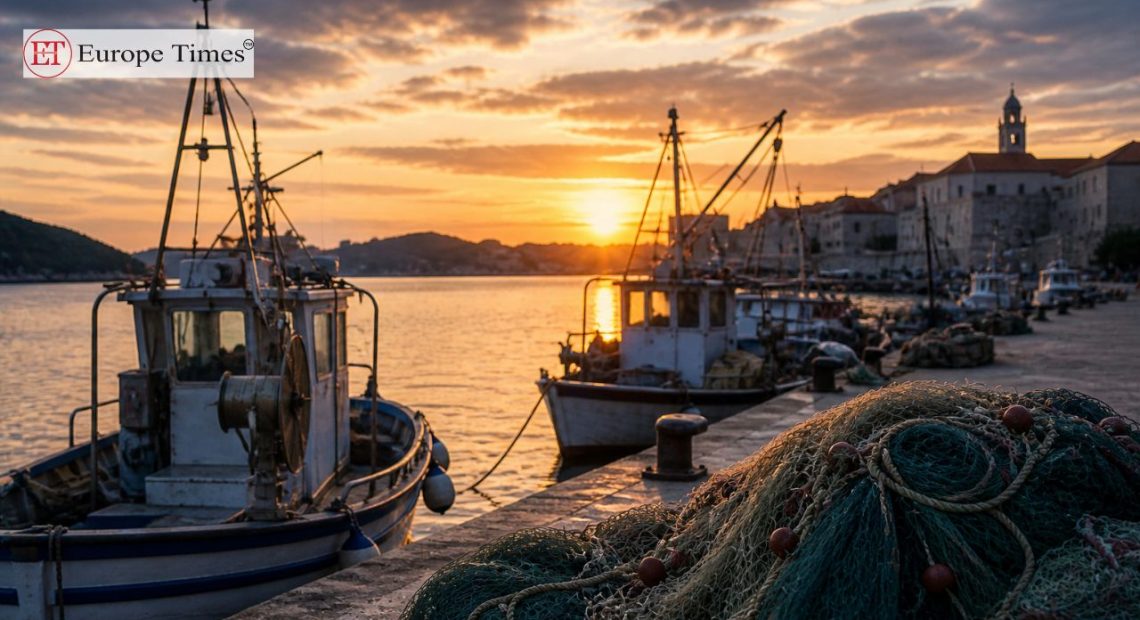
Fishermen along Croatia’s Adriatic coast are suspending operations as soaring fuel prices—linked to tensions around Iran—make their work financially unsustainable. In Dubrovnik, fishing captain Dinko Cvjetojevic said that despite favorable weather and abundant fish, many boats remain docked as the cost of fuel has sharply increased.

Fuel expenses now account for as much as 90% of operating costs, nearly double the share before disruptions affected oil flows through the Strait of Hormuz. Cvjetojevic noted that while he had stockpiled some fuel to keep one vessel running temporarily, the situation is becoming untenable and may force a complete halt to operations within weeks.

The crisis threatens a key local industry that supports jobs and supplies seafood to the tourism sector, a major pillar of Croatia’s economy. Fishermen who once distributed catch across regions and exported to nearby countries have scaled back to local sales. Without government assistance, Cvjetojevic warned, many in the industry may not survive if fuel prices remain high.

Pic courtesy: google/ images are subject to copyright