featured News Trending

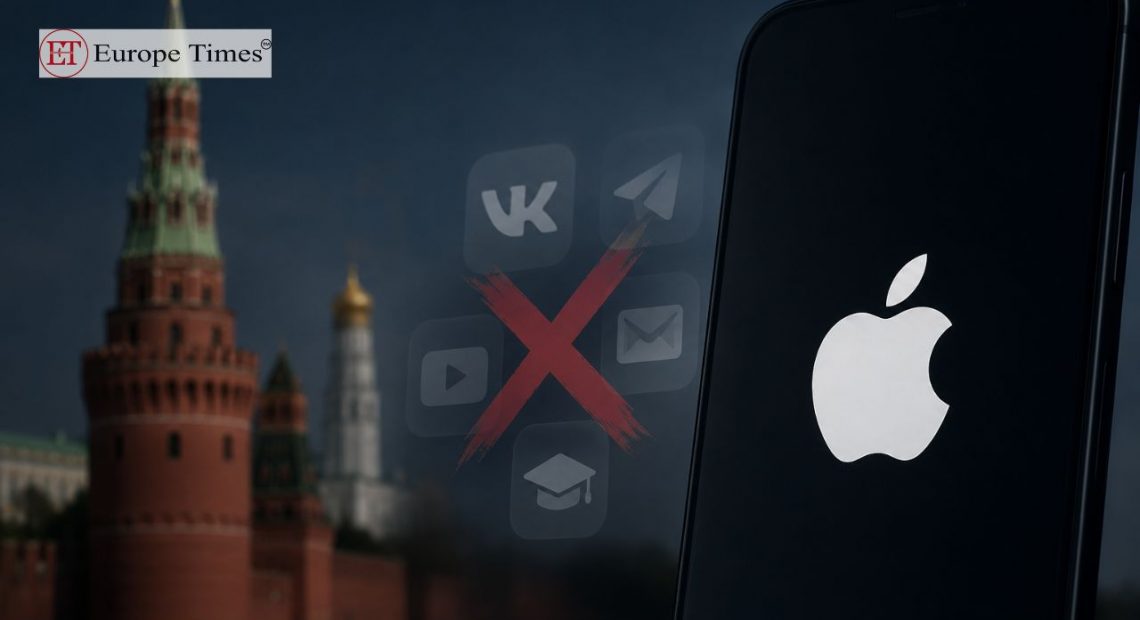
Pavel Durov, the founder and CEO of Telegram, said he has received a legal summons in Russia that labels him a “suspect” in a criminal case. The notice was reportedly sent to an apartment where he lived two decades ago, raising questions about the intent and timing of the move.

Russian authorities have intensified pressure on Telegram in recent months, including claims—reported in state media—that Durov is being investigated over alleged links to terrorism-related activity. Officials have also accused the platform of enabling criminal misuse and posing “hybrid threats,” citing materials attributed to the country’s security services.

Durov dismissed the accusations, suggesting the case may be tied to his defense of constitutional rights such as freedom of speech and privacy of communication. Telegram, which has over a billion users globally and remains widely used in both Russia and Ukraine, has repeatedly denied allegations of wrongdoing while resisting efforts by Moscow to promote a state-backed alternative.

Pic courtesy: google/ images are subject to copyright

featured News

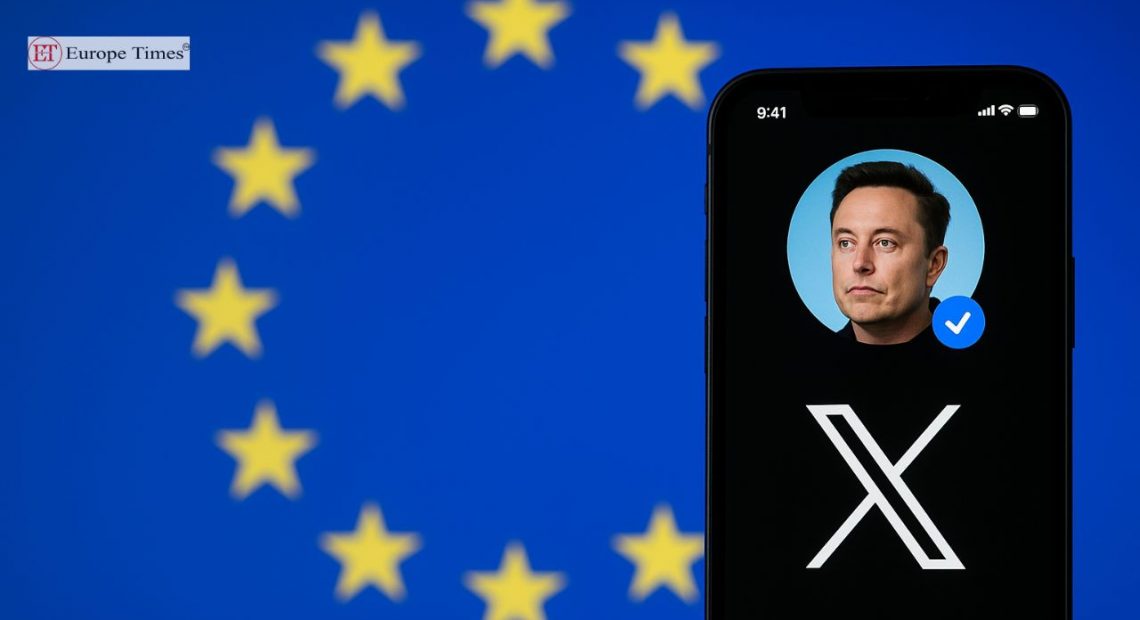
Elon Musk’s social media platform X has banned the European Commission from running adverts on the site, days after being fined €120 million (£105m) by the EU under the Digital Services Act. The fine accused X of misleading users through its blue tick verification system, which the regulator said was not actually verifying identities and could enable scams and impersonation.

Nikita Bier, a senior X executive, claimed the European Commission attempted to exploit the platform’s advertising tools by posting content in a way that artificially boosted its reach. He argued that the Commission believed rules did not apply to them, leading to the termination of its ad account. The EU rejected the accusation, stating it only uses social media tools provided by platforms and does so in “good faith.”

The dispute adds to ongoing global clashes between X and regulators. The EU has also accused the platform of lacking transparency on adverts and restricting researcher access to public data. X now has 60 days to justify its verification practices or face further penalties. The platform has previously faced sanctions in Brazil and Australia over misinformation and safety compliance issues.

Pic courtesy: google/ images are subject to copyright