featured News Trending

German Chancellor Friedrich Merz said his relationship with U.S. President Donald Trump remains positive despite a public disagreement over the Iran conflict. Speaking in Berlin, Merz acknowledged differences in opinion but stressed that communication between the two leaders continues.

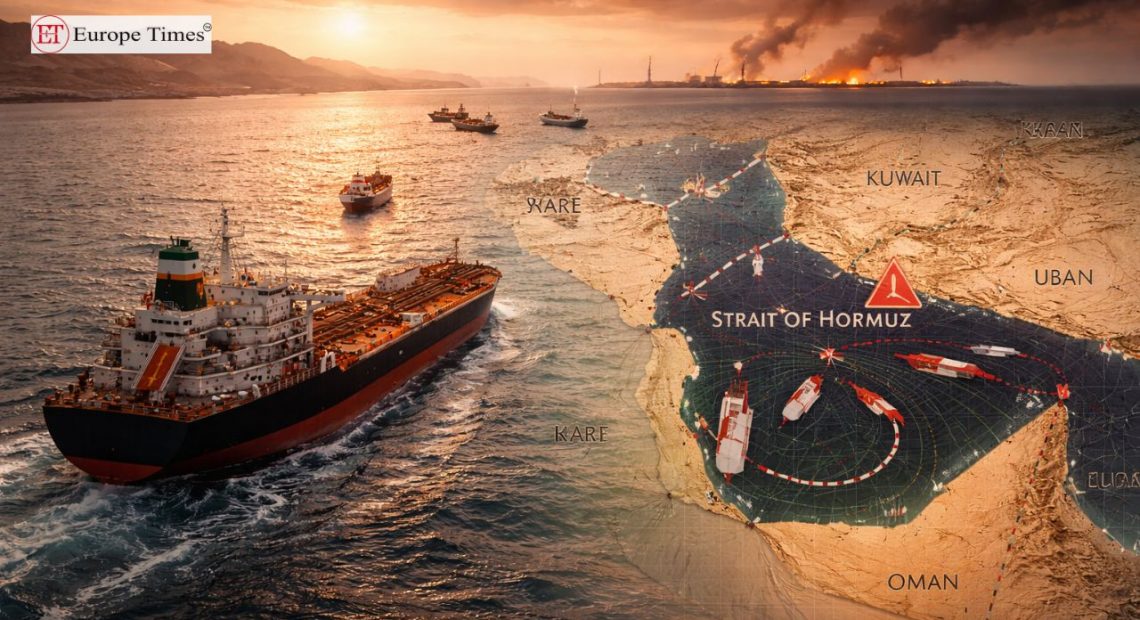
The dispute highlights broader tensions between the United States and its European NATO allies over Iran, as well as ongoing concerns tied to the Ukraine war. Merz reiterated his skepticism about the Iran conflict from the beginning, emphasizing its economic consequences for Europe, particularly disruptions to energy supplies linked to the closure of the Strait of Hormuz.

Trump recently criticized Merz, accusing him of being lenient on Iran’s nuclear ambitions—an accusation the German leader has denied, maintaining that Iran must not acquire nuclear weapons. Despite the exchange, both sides continue diplomatic engagement, even as the conflict remains unresolved and continues to impact global markets.

Pic courtesy: google/ images are subject to copyright

featured News Trending

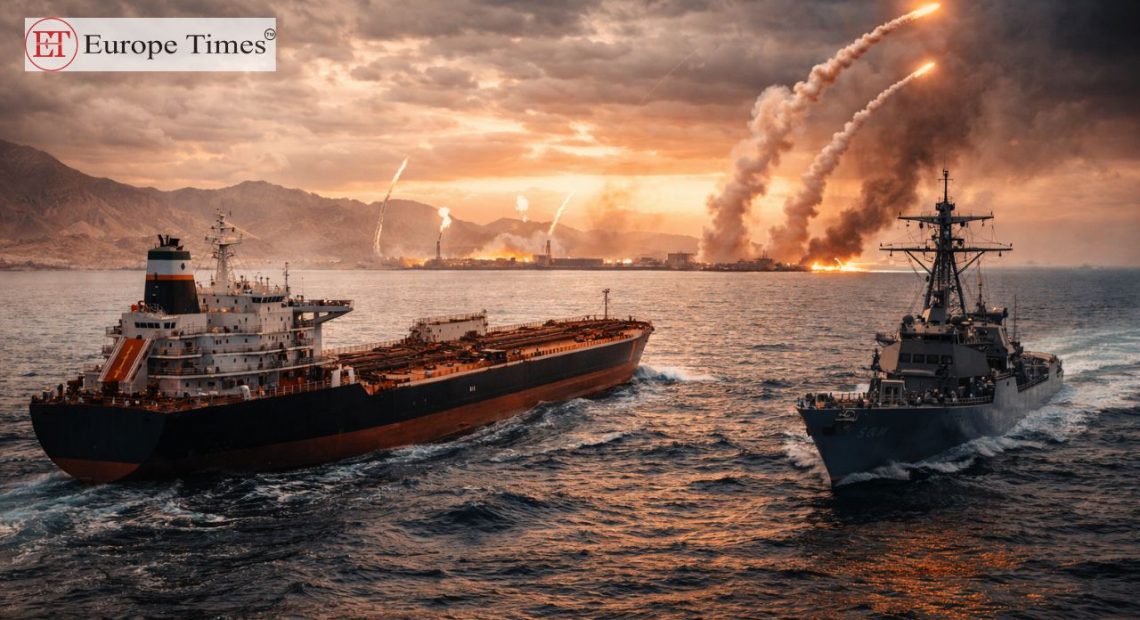
A group of ships attempted to navigate the Strait of Hormuz after Iran announced the key waterway was open to commercial traffic, but many vessels turned back amid lingering uncertainty. Around 20 ships initially moved toward the strait, marking the largest such effort since its closure during recent tensions, though most halted or reversed course without completing the transit.

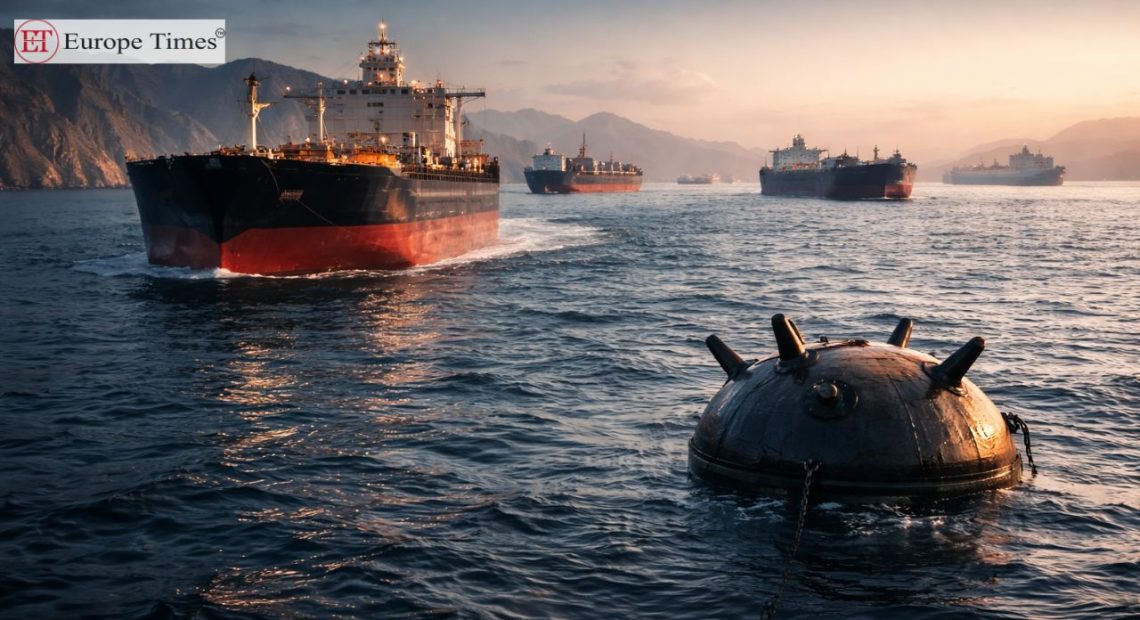
Shipping companies cautiously welcomed the reopening but stressed the need for clearer safety assurances, particularly regarding potential sea mines and navigation routes. Iran has said vessels can pass during a temporary ceasefire period, but must coordinate with its authorities and follow designated safe lanes, raising operational and compliance concerns among global shippers.

Industry bodies and officials, including the International Maritime Organization, said they were still verifying conditions for safe passage. With unresolved risks and unclear implementation of Iran’s measures, major shipping firms remain hesitant to resume normal operations, highlighting continued instability in one of the world’s most critical oil transit routes.

Pic courtesy: google/ images are subject to copyright

featured News Trending

Oil tanker movements slowed sharply near the Strait of Hormuz as vessels began steering clear of the key shipping route ahead of a planned U.S. blockade targeting Iranian ports. Shipping data showed two Iranian-linked tankers exiting the Gulf just before the restrictions were due to take effect, while others hesitated or altered course amid rising uncertainty.

The U.S. move follows the collapse of talks with Iran, with Washington set to enforce the blockade on ships entering or leaving Iranian ports, though it said transit through the strait itself would remain open. Despite this assurance, the announcement has unsettled global shipping markets, disrupting normal oil trade flows that typically supply countries such as China and India.

Several vessels have already changed plans, including a Malta-flagged supertanker that turned back near the strait, while others entered cautiously or remained in holding patterns. The developments highlight growing risks to one of the world’s most critical energy chokepoints, even as a fragile ceasefire remains under strain.

Pic courtesy: google/ images are subject to copyright

featured News Trending

Tensions escalated sharply as Iran warned it would retaliate against Gulf ports following the U.S. military’s decision to impose a naval blockade on vessels linked to Iranian ports. The move comes after talks failed to secure a lasting ceasefire in the ongoing conflict, raising fears of renewed escalation. Tehran called the blockade illegal and warned that if its ports were targeted, no port in the Gulf region would remain safe.

The blockade, enforced across Iranian ports along the Arabian Gulf and Gulf of Oman, has already disrupted global oil flows. Iran has restricted passage through the Strait of Hormuz, allowing only controlled transit, while the U.S. has vowed to block ships paying Iranian tolls. Two Iranian-linked tankers departed just before the blockade began, underscoring the urgency among traders and operators.

Global markets reacted swiftly, with oil prices surging above $100 a barrel amid fears of prolonged supply disruption. With the fragile ceasefire at risk and negotiations stalled, both sides remain entrenched, raising concerns of further economic fallout and instability in global energy markets.

Pic courtesy: google/ images are subject to copyright

featured News Trending

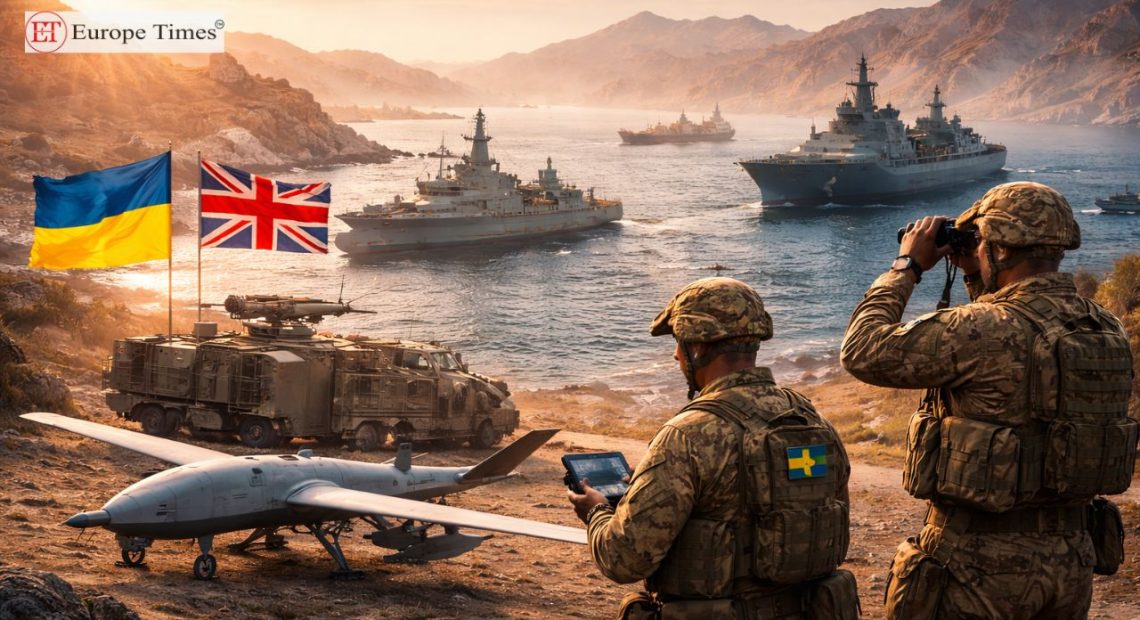
Al Carns has said Ukraine could play a significant role in securing the strategically vital Strait of Hormuz, highlighting Kyiv’s advanced drone capabilities developed during its ongoing war. The UK has been leading talks with over 30 nations to address disruptions caused by tensions involving Iran, which have impacted global oil supplies.

Volodymyr Zelenskyy confirmed that Ukraine has already contributed expertise to international consultations and deployed more than 200 specialists to the Middle East. These teams have reportedly helped counter long-range drone threats, showcasing Ukraine’s battlefield innovations. Carns emphasized that such capabilities could be valuable not just regionally but also in safeguarding key global shipping routes.

While reaffirming that Ukraine remains a top defence priority for the UK and its allies, Carns urged Kyiv to expand exports of its military technology to capitalize on rising global demand. He noted that Ukraine’s advancements in drones, AI, and data-driven warfare represent a major shift in modern combat, though delays in export approvals could risk losing momentum as other nations begin catching up.

Pic courtesy: google/ images are subject to copyright

featured News Trending

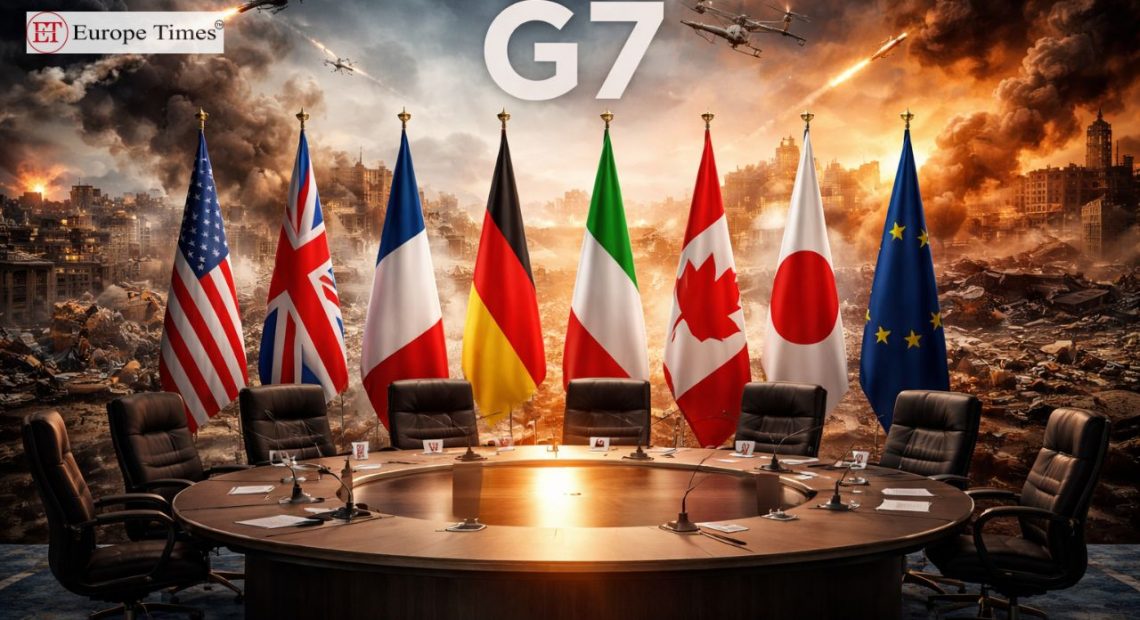
Foreign ministers of the G7 nations have called for an immediate halt to attacks on civilians and civilian infrastructure amid the ongoing Iran war, following a high-level meeting in France. In a joint statement, the ministers stressed the urgent need to reduce harm to civilian populations and protect critical infrastructure affected by the conflict.

The leaders highlighted the importance of coordination and global partnerships to limit the wider impact of the war, including disruptions to energy, trade, fertilizer supplies, and global supply chains. They warned that continued instability could trigger economic shocks and affect countries far beyond the conflict region.

The G7 also emphasized the need to ensure safe and uninterrupted navigation through the Strait of Hormuz, a key global energy route, while reaffirming their commitment to regional stability and international cooperation. The group includes the United States, Britain, Canada, France, Germany, Italy, Japan, and the European Union.

Pic courtesy: google/ images are subject to copyright

featured News Trending

German Chancellor Friedrich Merz has expressed doubts about whether the military actions by United States and Israel against Iran will achieve lasting success. Speaking at a conference in Berlin, Merz said he was unconvinced that there was a clear endgame to the conflict, which began with joint strikes on February 28 and has since escalated across the region.

Iran has responded with attacks on Israeli territory, U.S. bases, and Gulf states, while also disrupting vital oil shipments through the Strait of Hormuz. European countries, including Germany, have largely avoided direct involvement, a stance that has reportedly frustrated U.S. President Donald Trump. Merz emphasized ongoing diplomatic efforts through the G7 and regional talks but admitted limited influence over Israeli decisions.

Merz also clarified that the conflict is not a mission for NATO, noting he conveyed this position in a recent call with Trump. While Germany may consider future roles such as securing maritime routes or clearing mines in the Strait of Hormuz, he stressed that any such involvement would depend on international approval and would only be considered after hostilities end.

Pic courtesy: google/ images are subject to copyright

featured News Trending

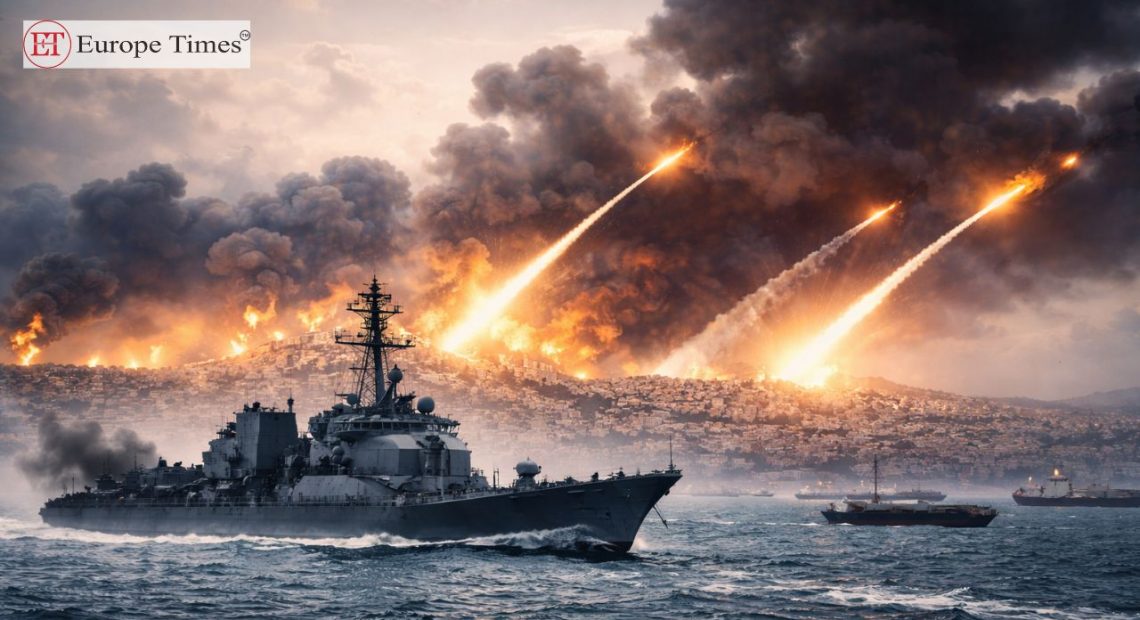
Iran launched drone attacks on Kuwait’s Mina Al-Ahmadi oil refinery, causing fires and further straining global energy supplies, while Israel killed a spokesperson for Iran’s Revolutionary Guards in a targeted strike in Tehran. The ongoing U.S.-Israeli conflict with Iran has already disrupted oil and LNG flows through the Strait of Hormuz, affecting roughly 12% of global demand and sending Brent crude prices to $108 per barrel.

Air raids and missile barrages have shaken cities in Israel and Iran, with Israel targeting Iranian government facilities and Iran retaliating with strikes on multiple energy assets in the Gulf. The conflict has displaced millions and killed thousands, heightening tensions in the region and drawing warnings from European allies who emphasize de-escalation and the protection of international shipping lanes.

Despite U.S. and Israeli efforts to disable Iran’s missile and nuclear capabilities, Iran continues production and attacks, highlighting a complex war with no clear end. The crisis has severe economic implications, as energy disruptions are expected to impact supply chains for months or even years, prompting U.S. considerations for deploying additional troops to the region.

Pic courtesy: google/ images are subject to copyright

featured News Trending

Foreign ministers from the European Union are set to discuss strengthening their naval presence in the Middle East as tensions surrounding Iran disrupt global shipping routes. The talks in Brussels will focus on reinforcing the EU’s Operation Aspides, which was launched in 2024 to protect commercial vessels from attacks by Yemen’s Houthi rebels in the Red Sea.

The ongoing conflict involving Iran has intensified concerns over the security of the Strait of Hormuz, a key passage that handles roughly one-fifth of the world’s oil and liquefied natural gas shipments. Since military strikes by the United States and Israel on Iran in late February, traffic through the strait has been severely disrupted, prompting discussions on whether the EU mission could help restore safe navigation.

However, some European officials remain cautious about expanding the mission’s mandate. Johann Wadephul expressed scepticism about extending the operation to the Strait of Hormuz, arguing that the current mission has not been fully effective in its existing role. Meanwhile, Donald Trump has urged major economies to work together to secure shipping routes, though any change to the EU mission would require approval from all 27 member states.

Pic courtesy: google/ images are subject to copyright

featured News Trending

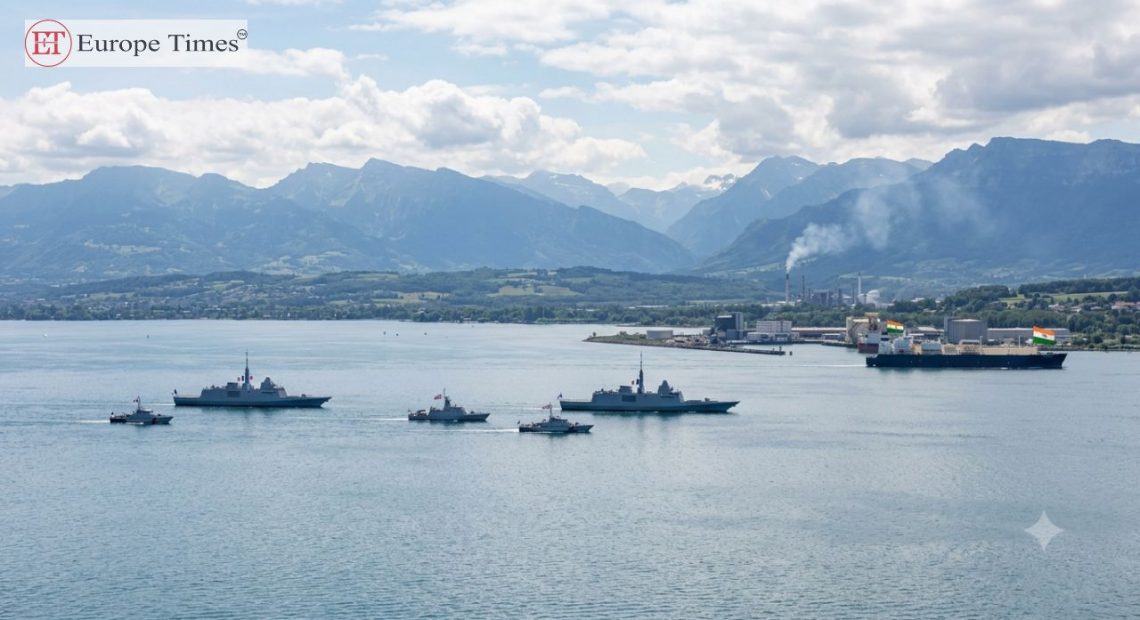
France plans to deploy nearly a dozen naval vessels to the Mediterranean Sea, Red Sea, and possibly the Strait of Hormuz as tensions rise in the Middle East, President Emmanuel Macron said on Monday. The deployment includes the aircraft carrier Charles de Gaulle aircraft carrier strike group along with several warships, aimed at supporting allies and protecting maritime security.

Macron made the announcement during a visit to Cyprus, where he met President Nikos Christodoulides and Greece Prime Minister Kyriakos Mitsotakis. The French leader sought to reassure regional partners after drones were intercepted heading toward the island last week amid escalating tensions involving the United States, Israel and Iran.

France also plans to reinforce the European Union naval mission Operation Aspides, launched in 2024 to protect shipping in the Red Sea from attacks by Iran-aligned militants. Macron said Paris could eventually support a defensive escort mission for commercial vessels passing through the Strait of Hormuz to safeguard global shipping and help stabilise trade routes.

Pic courtesy: google/ images are subject to copyright