featured News Trending

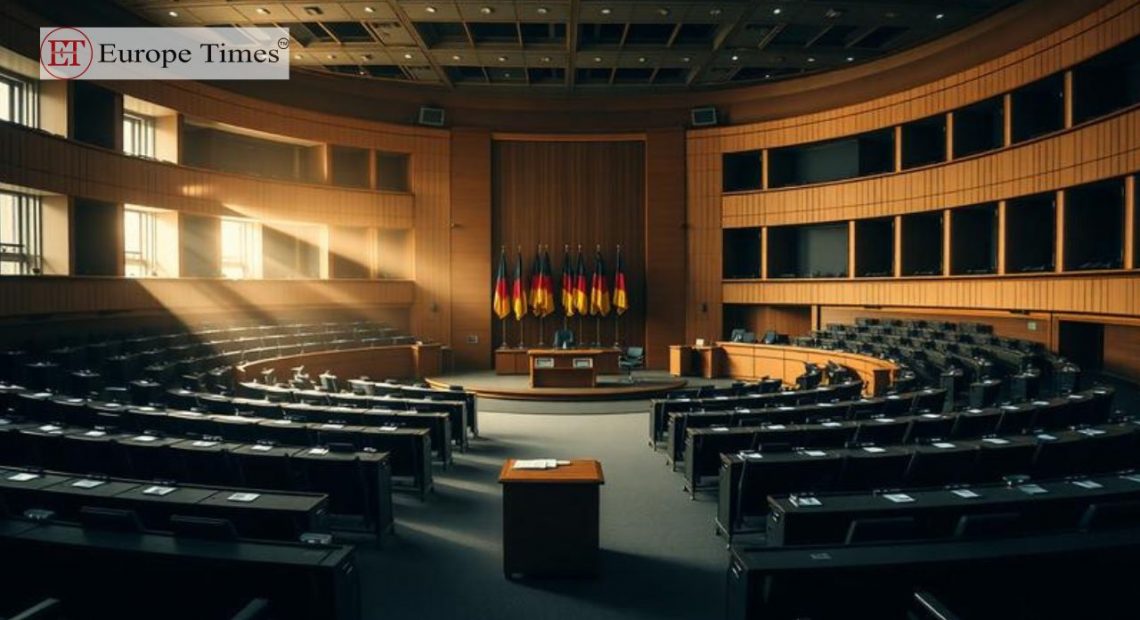
Schools in Germany’s eastern state of Saxony-Anhalt have become a major political flashpoint ahead of the September 6 regional election, where the far-right Alternative for Germany (AfD) is leading opinion polls. The debate intensified after teacher Max Heckel received a formal warning for telling a student he had not voted for the AfD, citing its classification as extremist by security authorities. Heckel says the incident has led to online abuse, threats, and vandalism, while raising concerns about freedom of discussion in classrooms.

The AfD argues that teachers must remain politically neutral and has pledged sweeping education reforms if it wins power in the state. Party leaders say schools should focus on traditional values, German history, and academic standards while removing what they describe as political influence and ideological teaching. The party also proposes reducing social support and integration programmes in schools as part of a broader overhaul of the education system.

Mainstream political parties and critics warn that the AfD’s plans could weaken democratic safeguards that have shaped Germany’s education system since World War II. They argue that limiting classroom discussions about extremism and the country’s history could undermine students’ understanding of democratic values. With the AfD polling close to 40% in Saxony-Anhalt, the election is expected to be a significant test of the party’s growing political influence in Germany.

Pic courtesy: google/ images are subject to copyright

featured News Trending

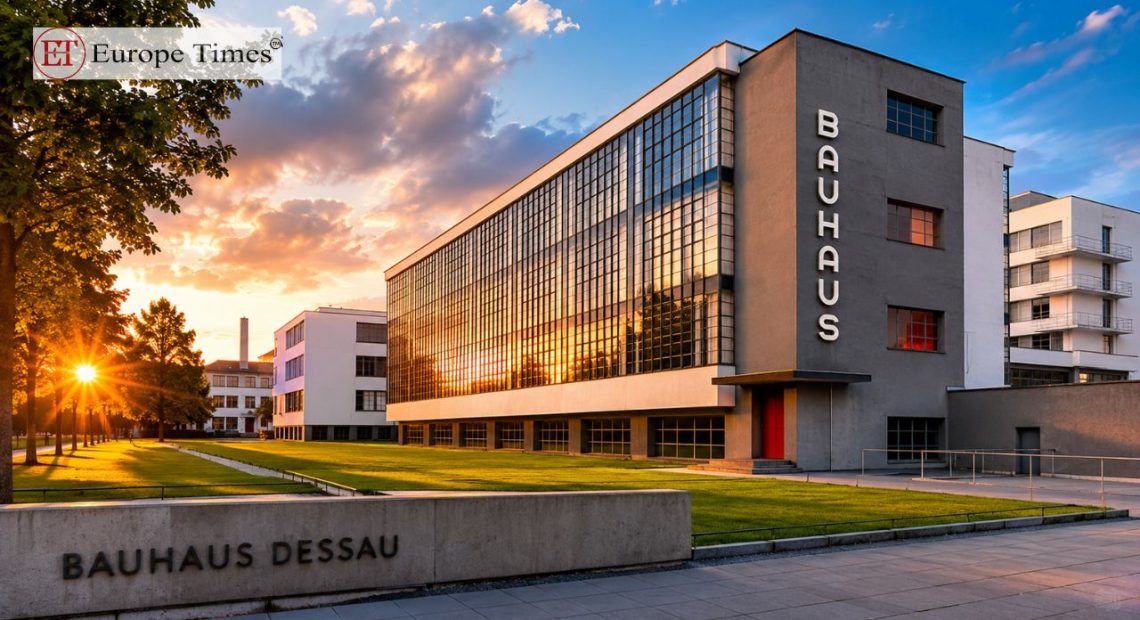
Germany’s iconic Bauhaus movement has become a focal point in a growing cultural debate ahead of September’s state election in Saxony-Anhalt, where the far-right Alternative for Germany (AfD) is leading opinion polls. The party has pledged a “patriotic cultural policy” and argues that Bauhaus architecture represents rootless globalism rather than nationally grounded German traditions.

Founded after World War I, the Bauhaus school revolutionized architecture and design through its minimalist use of glass, steel, and concrete, influencing buildings and household products worldwide. While the AfD criticizes modernist architecture and state support for what it calls “anti-German” culture, Bauhaus supporters say the movement reflects innovation, openness, and an important chapter of German history.

Cultural leaders and academics have expressed concern that an AfD victory could reshape cultural and educational policies in the state. Although Germany’s federal system limits sweeping changes, observers say Saxony-Anhalt could serve as a testing ground for the party’s broader cultural agenda, placing institutions such as Bauhaus and universities under increased political scrutiny.

Pic courtesy: google/ images are subject to copyright

featured News Trending

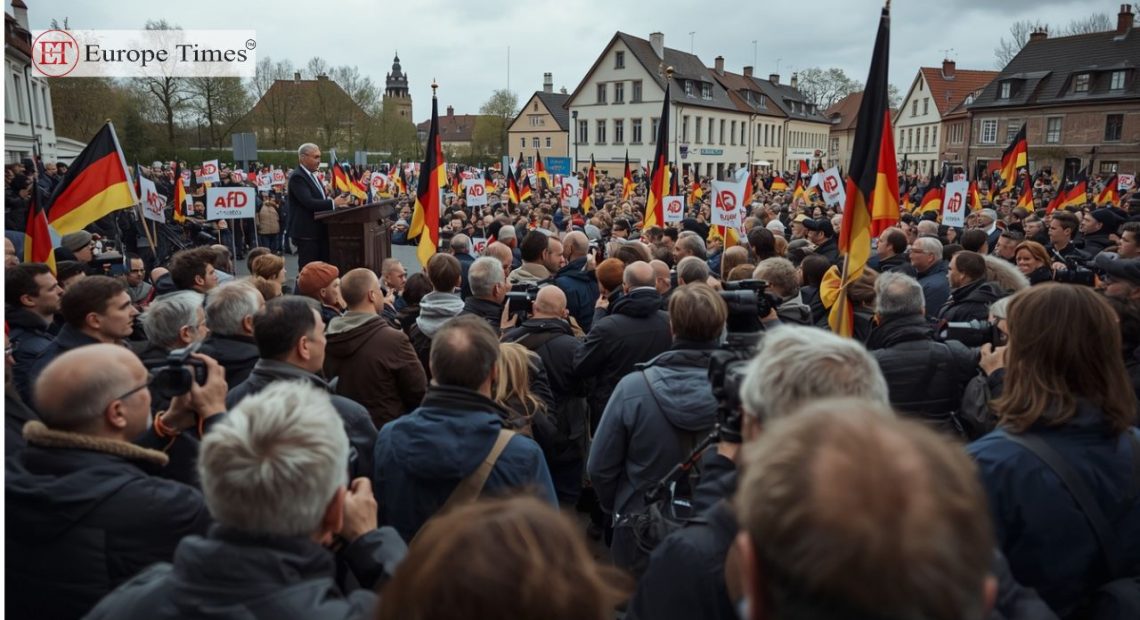
Germany’s far-right party, the Alternative for Germany (AfD), is gaining strong support in eastern Germany as Chancellor Friedrich Merz struggles with falling approval ratings and economic concerns. In Saxony-Anhalt, AfD leader Ulrich Siegmund believes the party could secure its first state premiership in the September elections. The AfD has been attracting voters through local “citizen dialogues,” with many supporters expressing frustration over rising living costs, immigration, and dissatisfaction with the current government.

Despite economic investments and development projects in towns like Halberstadt, concerns over inflation, energy prices, and Germany’s slowing economy continue to fuel public anxiety. Recent polls show the AfD reaching up to 41% support in Saxony-Anhalt and 29% nationally, ahead of Merz’s conservatives. The party argues that Germany’s identity is under threat from mass immigration and progressive social policies, while mainstream parties continue to reject any cooperation with the AfD under the country’s political “firewall” strategy.

The possibility of an AfD-led state government has sparked concern among officials and political rivals, especially given the party’s classification as “far-right extremist” by regional security authorities. Critics warn that handing the AfD control of state institutions could have major consequences for German politics. However, many voters at recent rallies said they are willing to give the party a chance, believing traditional parties have failed to address economic struggles and public concerns.

Pic courtesy: google/ images are subject to copyright

featured News

A major security breach has occurred in eastern Germany after a shipment of Bundeswehr ammunition was stolen from a civilian-operated delivery truck in Burg. According to German media reports, nearly 20,000 rounds were taken, including 10,000 pistol rounds, 9,900 blank assault-rifle rounds, and several smoke grenades. The theft was discovered when the load arrived at Clausewitz Barracks on 26 November, prompting an immediate joint investigation by the army and local police.

Authorities believe the theft happened overnight after the truck driver left the vehicle in an unguarded parking lot and stayed in a nearby hotel. The defence ministry expressed serious concern, noting that such ammunition “must not fall into the wrong hands.” Investigators are examining why the driver did not use the military’s hotline for assistance or request an escort, which is available for sensitive transports.

The incident adds to a pattern of missing ammunition cases in Saxony-Anhalt, where police reported smaller losses in Bernburg and Eisleben earlier this year. However, officials have not identified any link between these events. No arrests or suspects have been confirmed so far as the investigation continues.

Pic courtesy: google/ images are subject to copyright